So does that mean most people do not actually have the food sensitivities they think they have, they just have misaligned meal timing?
11
Sign up to see more
SignupAlready a member?
LoginBy continuing, you agree to Sociomix's Terms of Service, Privacy Policy

So does that mean most people do not actually have the food sensitivities they think they have, they just have misaligned meal timing?
The Colman Domingo casting as Joe Jackson is inspired. Watching him described as a chilling presence playing the domestic Svengali monster is exactly what that role demands.
Honestly felt seen reading the part about calorie apps making you miserable. I spent three years logging every bite and lost basically nothing while feeling constantly surveilled by my own phone.
Just bought tickets for Friday. Going in expecting a spectacular concert film with a thin story wrapped around it and I am fine with that. Managing expectations is the key to enjoying most movies.
The creators behind some of Webtoon's most successful psychological thrillers have returned with a series that's already generating intense discussion across manhwa communities. For fans who've been following the horror and thriller genre on digital platforms, Carnby Kim and Youngchan Hwang need no introduction. Their latest collaboration tackles themes of artistic plagiarism, obsession, and murder in ways that feel disturbingly relevant to current conversations about creative theft and AI-generated content. This guide covers everything you need to know about Copycat, from its premise and release schedule to how it compares with their previous masterpieces like Sweet Home and Bastard.

The guide recommends Pocket Comics but availability is genuinely patchy depending on where you live. Tapas has been the more reliable option for English readers by a significant margin.
The King of Hell setup is great and the final season premise is wild. A full scale war against Hell being led by a guy whose main skill is building roads is peak storytelling.
In a medium filled with talented artists producing stunning work, making a claim about any series having the "best" art feels bold. Yet Nano Machine consistently delivers combat sequences so fluid, detailed, and visually innovative that even readers who don't typically care about martial arts stories find themselves captivated by the sheer spectacle on display. The series combines traditional murim aesthetics with futuristic sci-fi elements, creating a unique visual identity that stands apart from typical cultivation manhwa. The nano machine implanted in protagonist Cheon Yeo-Woon's body doesn't just give him power. It becomes a storytelling device that allows the artist to visualize techniques, energy flows, and combat analysis in ways other series can't replicate.

Solo Leveling Arise Overdrive actually does a solid job letting you feel the power progression from the manhwa in game form. If you're a beginner who wants to understand the appeal before committing to reading, playing it first isn't a bad idea.
The year 2026 marks a pivotal moment in the evolution of manhwa as a medium. What started as a trickle of Korean comics receiving anime adaptations has become a flood, with at least fifteen confirmed projects bringing beloved manhwa to animated life. This explosive growth wasn't accidental but the inevitable result of Solo Leveling's massive success proving that manhwa adaptations can compete with traditional manga anime in quality, popularity, and profitability. Studios across Japan and Korea are investing heavily in manhwa properties, recognizing that Korean storytelling brings fresh perspectives, innovative premises, and built-in fanbases eager to see their favorite series animated. The diversity of genres receiving adaptations demonstrates that manhwa appeal extends far beyond action and fantasy into romance, psychological thriller, sports, and slice-of-life territories.

The part about course creators translating content into languages they do not speak is the use case that stops me cold every time I think about it. That would have been science fiction five years ago.
Hot take: HeyGen is not a video tool. It is a leverage machine for one-person businesses. The implications of that have barely been understood yet.
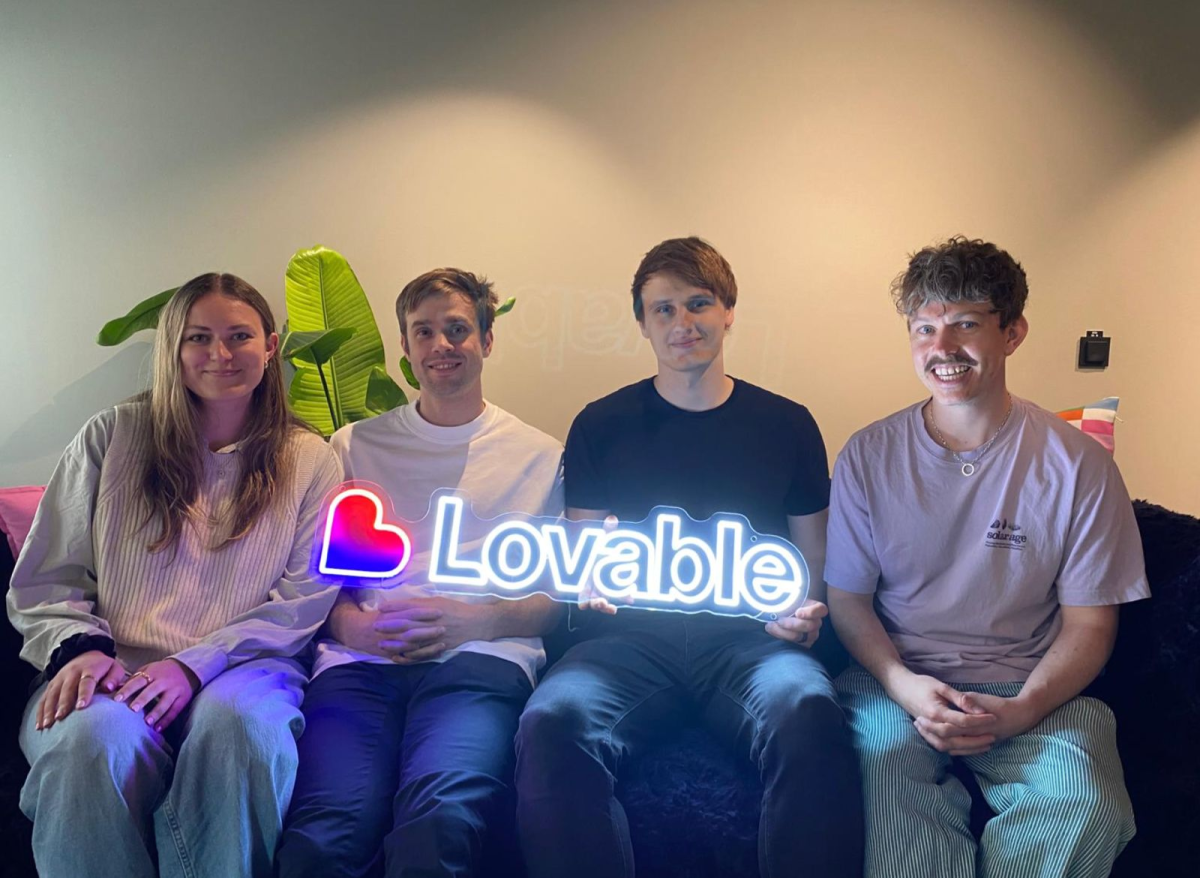
The software development world just witnessed something unprecedented. A European startup called Lovable reached $20 million in annual recurring revenue in just two months, making it potentially the fastest-growing startup in European history. But here's the twist that's making traditional software agencies nervous: they did it by giving non-technical founders the power to build full-stack applications without writing a single line of code. For years, the promise of no-code tools has been the same: anyone can build an app. But the reality has always been different. You'd create a beautiful frontend, get excited about your progress, and then hit the technical cliff. Suddenly you needed to configure databases, set up authentication, manage API keys, and deploy to servers. The "no-code" dream became a "hire-a-developer-anyway" nightmare.
The article positions Meta's ecosystem as a distribution moat and it is correct. But moats get crossed. Google had a moat in search. Microsoft had a moat in productivity software. These things are not permanent and the AI space is moving too fast to assume any current position is durable.
The detail about the Chinese state-sponsored group that achieved 80 to 90 percent autonomous tactical execution using Claude back in September 2025 should have been the headline of every major newspaper. That story got buried.
To the person asking about large refactoring tasks, Claude Code is the answer. Hands down. The way it maps an entire codebase without you manually feeding it context is the feature that nothing else has matched at the same level.
The competitive dynamics right now are intense. Anthropic apparently released something called Mythos the same week that was so powerful they are only letting a handful of companies access it initially. Meta's moment got big headlines but the frontier is moving extremely fast.
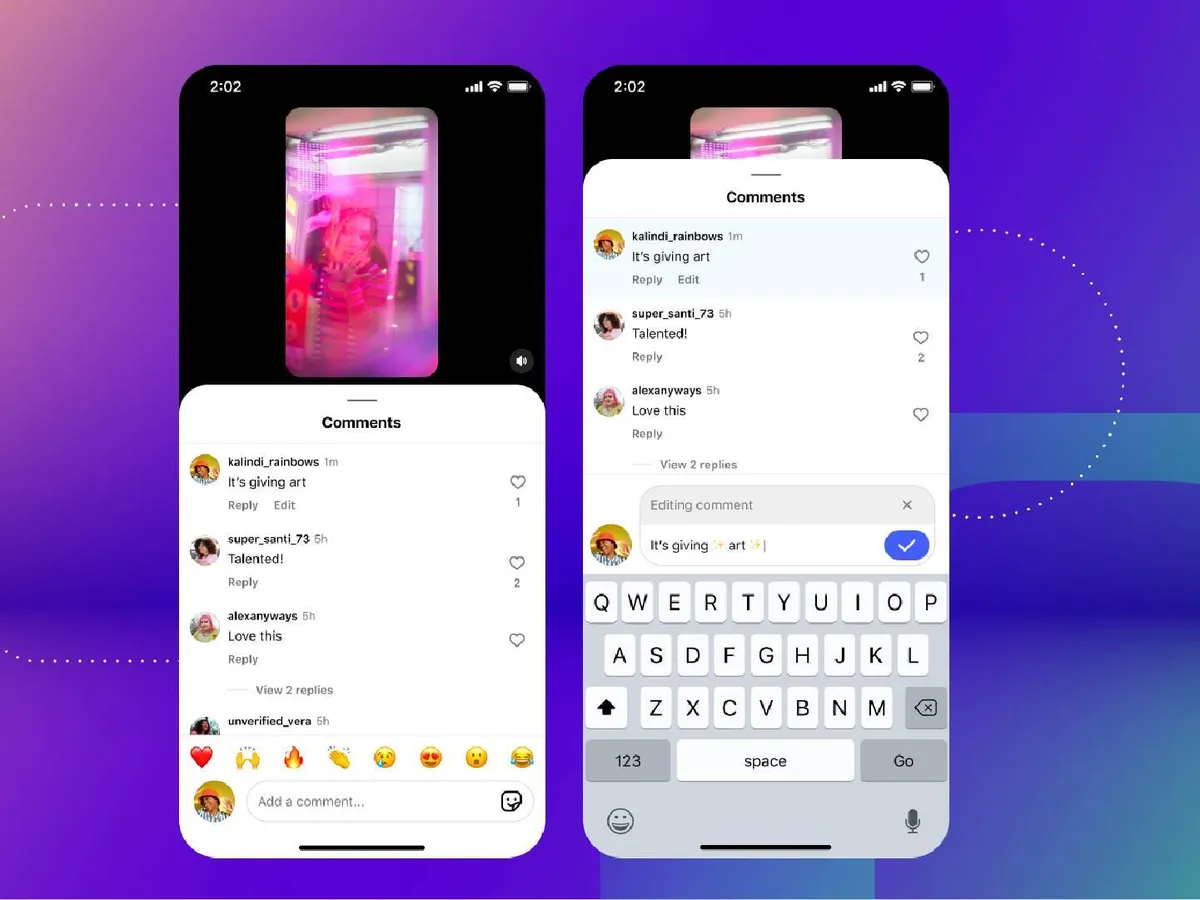
Instagram has rolled out a small but long overdue feature that users have been asking for years. You can now edit your comments after posting them. This simple change solves a very real frustration. Until now, fixing even the smallest typo meant deleting your comment and writing it all over again. That friction is finally gone. But there is a boundary. You get a 15 minute window after posting to make edits. Within that time, you can update your comment as many times as you want. There is also a layer of transparency built in. Once a comment is edited, others will be able to see that it has been modified. However, unlike platforms such as iMessage, Instagram does not show the edit history. What was originally written stays hidden.
I love how the white accents brighten up the whole outfit. Makes it feel fresh and modern rather than stuffy.