The article ranking A Returner's Magic Season 2 at fifteen is fair but undersells how much the series improved by the end of season one. The character dynamics got genuinely compelling.
Sign up to see more
SignupAlready a member?
LoginBy continuing, you agree to Sociomix's Terms of Service, Privacy Policy

The article ranking A Returner's Magic Season 2 at fifteen is fair but undersells how much the series improved by the end of season one. The character dynamics got genuinely compelling.
That dynamic is basically the BL genre promise compressed into a single character relationship. The tension between danger and desire is not incidental to the romance. It is the romance.
Speaking from experience reading manhwa before adaptations, the series that adapts worst are always the ones with the strongest visual identity in the webtoon. Gosu's line work is so distinctive it will be hard to translate.
From a purely practical standpoint, the ability to search three months of meeting history and find the specific conversation where a decision was made is worth whatever the subscription costs. That alone has saved relationships in my team.
Tower climbing stories have become a dominant force in manhwa, but most follow predictable patterns. A protagonist enters a mysterious tower, gains powers, forms a party, and ascends floors while growing stronger. The formula works because progression feels satisfying and each floor presents new challenges. However, Doom Breaker takes this familiar framework and transforms it into something far more emotionally devastating and psychologically complex than typical tower stories. Also known as SSS-Class Suicide Hunter, Doom Breaker initially appears to be another power fantasy where the protagonist gains an overpowered ability. The premise sounds almost comedic. Kim Gongja can copy any skill by dying, then returns to life to use that ability. But beneath this seemingly absurd power lies a story about pain, sacrifice, redemption, and what it truly means to be a hero when heroism demands everything from you.
Wait, the article mentions agents building other agents. That is the part that should be getting way more attention. The compounding capability there is genuinely hard to predict.
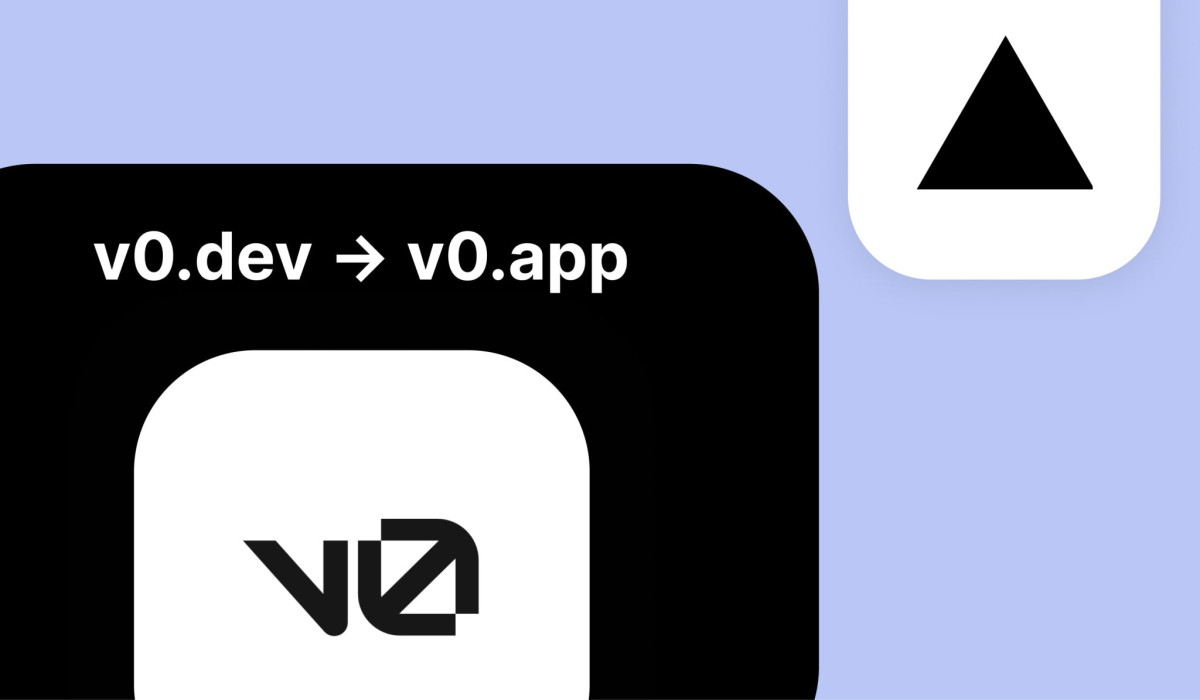
The designer-developer relationship has been tense for decades. Designers create pixel-perfect mockups in Figma. Developers translate them to code and somehow everything looks slightly wrong. Fonts don't match. Spacing is inconsistent. Buttons have different corner radiuses. Both sides get frustrated, blame each other, and the product suffers. V0 by Vercel is fixing this problem by generating production-quality React components that look exactly like the designs. The rebrand from v0.dev to v0.app in January 2026 signaled expanded ambitions beyond just UI component generation. Vercel positioned the tool for full-stack web development, though its core strength remains frontend excellence. That strategic clarity matters because trying to be everything often means excelling at nothing. V0 chose to dominate the handoff between design and code before expanding into other areas.
The idea that you need clarity about what you want to build as the main requirement is more challenging than it sounds. Most founders I know struggle far more with the what than the how.
The Explore Mode unlimited generations thing is the feature I keep telling other creators about. It flips the mental model from conserving credits to actually exploring ideas freely.
The part about fonts not matching and spacing being inconsistent in developer-translated designs is painfully specific. Every designer I have ever worked with has that exact complaint. Nice to see someone actually name it.
The supply chain risk classification story is being dramatically underplayed in coverage of this meeting. That designation has serious teeth and the legal challenge from Anthropic is going to be consequential regardless of outcome.
Hot take: OpenAI is still the consumer AI brand but Anthropic is quietly becoming the enterprise developer brand. This pricing move is OpenAI acknowledging that reality.
The artificial intelligence industry is entering a new phase of competition, one that extends far beyond the development of advanced language models and neural networks. Companies are now engaged in an intense struggle to secure the computational infrastructure necessary to train and deploy their AI systems. In this context, Anthropic has reportedly begun exploring the possibility of designing and manufacturing its own specialized processors to power Claude, its flagship conversational AI platform, along with its broader suite of artificial intelligence technologies. This strategic consideration emerges at a critical moment in the global AI sector. The exponential growth in model complexity and capability has created unprecedented demand for high-performance computing resources. Sources familiar with the matter indicate that Anthropic is conducting feasibility studies to determine whether developing proprietary semiconductor technology could reduce its dependence on external hardware vendors while ensuring reliable access to the computing power required for its operations.
The framing of safety vs privacy as a binary choice is the tell. Any serious security engineer will tell you that is a false dichotomy being used to justify a decision that was probably made for other reasons.
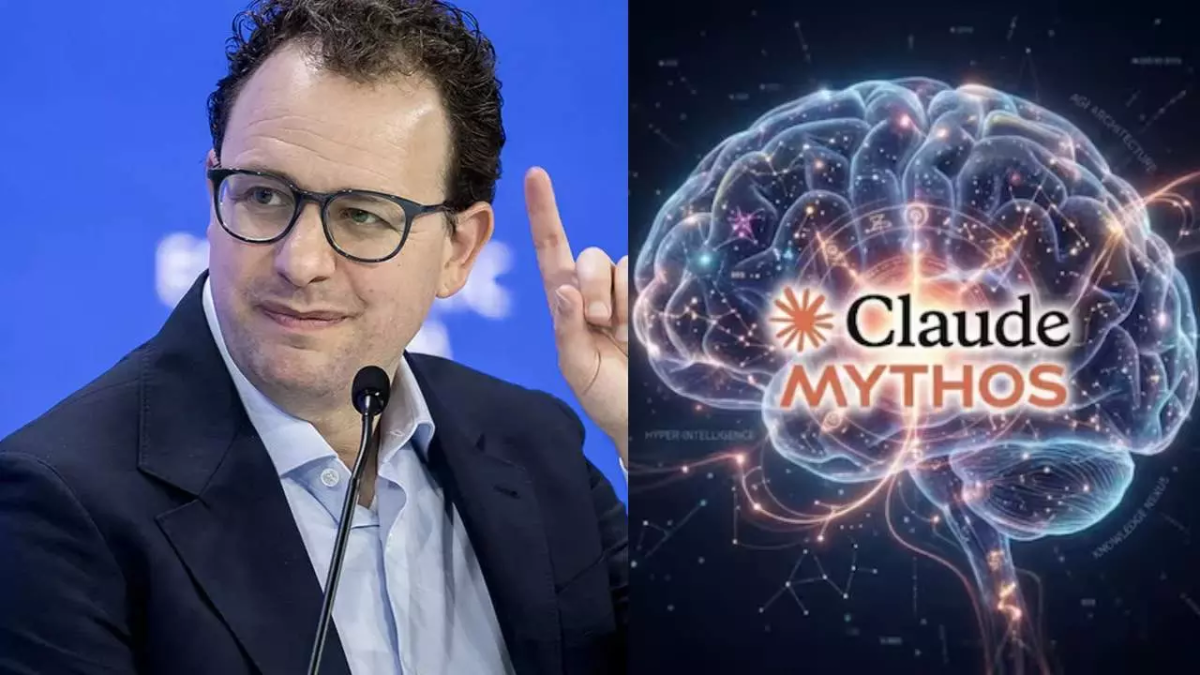
Anthropic on Tuesday unveiled an advanced artificial intelligence model designed specifically to identify software vulnerabilities, marking a significant development in the intersection of AI and cybersecurity. The model, named Claude Mythos Preview, will be available exclusively to a carefully selected group of companies as part of Project Glasswing, a new security initiative that aims to strengthen digital defenses while preventing malicious exploitation. The San Francisco based AI company has chosen to severely restrict access to Claude Mythos Preview due to its powerful capability to detect security weaknesses and software flaws. This decision reflects growing concerns about dual use AI technologies that could be weaponized by adversaries if they fell into the wrong hands.
I love that the accessories are neutral but still make a statement. That bag is the perfect size for daily use.
I tried recreating this look with pieces from my closet and used a velvet headband instead. Worked perfectly!