For readers who want to understand how Copycat fits into the broader Carnby Kim catalogue before starting, the reading order that makes thematic sense is Bastard first, then Sweet Home, then Copycat. Each one builds on his psychological toolkit.
Sign up to see more
SignupAlready a member?
LoginBy continuing, you agree to Sociomix's Terms of Service, Privacy Policy
Sign up to see more
SignupAlready a member?
LoginBy continuing, you agree to Sociomix's Terms of Service, Privacy Policy

For readers who want to understand how Copycat fits into the broader Carnby Kim catalogue before starting, the reading order that makes thematic sense is Bastard first, then Sweet Home, then Copycat. Each one builds on his psychological toolkit.
Completely agree. The muted palette for Suchan's everyday life versus the stark, high-contrast horror of the Jahak installations is a choice that carries enormous emotional information. That is not decoration, that is storytelling.
Wait, is Omniscient Reader even on this list? Because that is the adaptation I thought was supposed to arrive this year and the article does not seem to mention it directly.
If you're new to manhwa or looking to understand what all the hype is about regarding system and leveling stories, you've arrived at exactly the right place. The system genre has become one of the most popular and accessible entry points into Korean comics, offering clear progression mechanics, satisfying power growth, and narratives that feel like playing your favorite RPG or video game brought to life on the page. System manhwa feature protagonists who gain access to game-like interfaces that display stats, skills, quests, and levels. These systems provide clear frameworks for character growth and power progression. You can literally see the protagonist getting stronger through numbers increasing, new abilities unlocking, and challenges being overcome. This visual and concrete progression creates deeply satisfying reading experiences that hook readers from the first chapter.
The demonic versus orthodox visual coding is so ingrained now that when Cheon Yeo-Woon uses orthodox-adjacent techniques the color confusion reads as intentional character development. That is artist and writer working in perfect sync.
Been following since near the beginning and watching the global fanbase grow has been genuinely satisfying. This series earned every reader it has.
Does anyone actually know who the artist is? The writer gets mentioned constantly but I feel like the artist deserves way more credit for what makes this series special.
The isolation theme being treated as permanent rather than a problem to solve is genuinely bold storytelling. Most narratives would be writing in a found family by chapter ten.
In a medium filled with talented artists producing stunning work, making a claim about any series having the "best" art feels bold. Yet Nano Machine consistently delivers combat sequences so fluid, detailed, and visually innovative that even readers who don't typically care about martial arts stories find themselves captivated by the sheer spectacle on display. The series combines traditional murim aesthetics with futuristic sci-fi elements, creating a unique visual identity that stands apart from typical cultivation manhwa. The nano machine implanted in protagonist Cheon Yeo-Woon's body doesn't just give him power. It becomes a storytelling device that allows the artist to visualize techniques, energy flows, and combat analysis in ways other series can't replicate.
Casual reminder that the series has had multiple hiatuses already including one that lasted months between seasons one and two. Going in with patience management is genuinely useful advice.
does anyone else reread specific arcs just to see if you missed anything or is that just a me thing
When you think of murim manhwa, your mind probably conjures images of ancient martial arts sects, internal energy cultivation, and warriors battling with swords and bare fists in historical settings. Science fiction elements like outer space invasions, advanced technology, and apocalyptic scenarios belong to completely different stories. Return of the Demonic Instructor takes these seemingly incompatible genres and weaves them into something genuinely innovative. Released on Webtoon in January 2026, this series arrived at the perfect moment when readers were hungry for fresh takes on established formulas. The premise alone sounds wild. A murim world gets invaded by demons from outer space, forcing martial artists to adapt centuries-old techniques to fight extraterrestrial threats. Then throw in regression, magic systems, and apocalyptic survival elements for good measure.
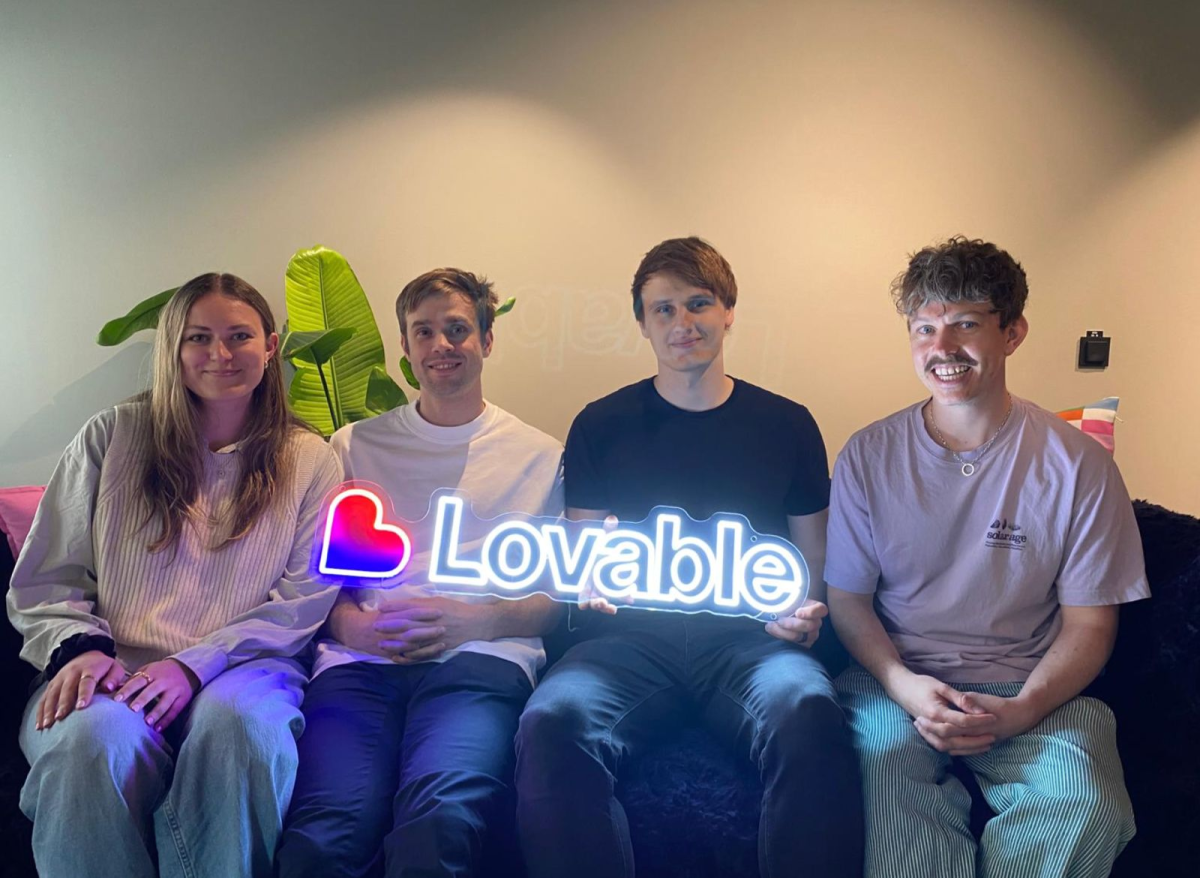
The software development world just witnessed something unprecedented. A European startup called Lovable reached $20 million in annual recurring revenue in just two months, making it potentially the fastest-growing startup in European history. But here's the twist that's making traditional software agencies nervous: they did it by giving non-technical founders the power to build full-stack applications without writing a single line of code. For years, the promise of no-code tools has been the same: anyone can build an app. But the reality has always been different. You'd create a beautiful frontend, get excited about your progress, and then hit the technical cliff. Suddenly you needed to configure databases, set up authentication, manage API keys, and deploy to servers. The "no-code" dream became a "hire-a-developer-anyway" nightmare.
The part about fonts not matching and spacing being inconsistent in developer-translated designs is painfully specific. Every designer I have ever worked with has that exact complaint. Nice to see someone actually name it.
I switched from ChatGPT Plus to Claude Max in February and the difference in quality for anything involving long documents or complex reasoning is not subtle. I get why enterprises are paying for this.
AWS already applying Mythos to critical internal codebases and finding additional opportunities even in well-tested environments tells you something important. These are codebases with dedicated security teams doing continuous review. And there were still more vulnerabilities.
Speaking from experience working in cybersecurity policy, the problem with the safety argument is that you cannot build a backdoor only for the good guys. The same access that lets TikTok's safety team scan messages is the same access that gets exploited in a data breach.
ChatGPT still has 900 million weekly users. Meta getting excited about 46,000 daily downloads on iOS is like someone celebrating getting into the parking lot of a concert they are still not inside.
This might be the most important strategic decision Anthropic makes in the next few years. Getting the timing and commitment level right matters enormously. Too early and you burn capital on a bet that does not pay off. Too late and you are permanently dependent on suppliers with different interests.
Join independent creators, thought leaders, and storytellers to share your unique perspectives, and spark meaningful conversations.