
I wonder how much of the cognitive decline concern in younger people is real neurological change versus just the experience of an attention environment that is hostile to sustained focus. Those might require very different interventions.
Sign up to see more
SignupAlready a member?
LoginBy continuing, you agree to Sociomix's Terms of Service, Privacy Policy
Sign up to see more
SignupAlready a member?
LoginBy continuing, you agree to Sociomix's Terms of Service, Privacy Policy

I wonder how much of the cognitive decline concern in younger people is real neurological change versus just the experience of an attention environment that is hostile to sustained focus. Those might require very different interventions.
The term brain wealth feels a little too market friendly for my taste but I can't argue with the underlying framework. Proactive, compounding investment in cognitive health is just good strategy regardless of what you call it.
Brain wealth is the lifestyle concept redefining how an entire generation thinks about mental health in 2026, and if you have been treating your cognitive fitness as something to address only when something goes wrong, the shift happening right now will feel either overdue or quietly alarming depending on where you stand. The idea is straightforward but the implications are significant: your cognitive capacity, your ability to focus, adapt, learn, regulate your emotions, and think clearly under pressure, is not a fixed trait you are born with. It is a long-term asset you can actively invest in, protect, and grow.
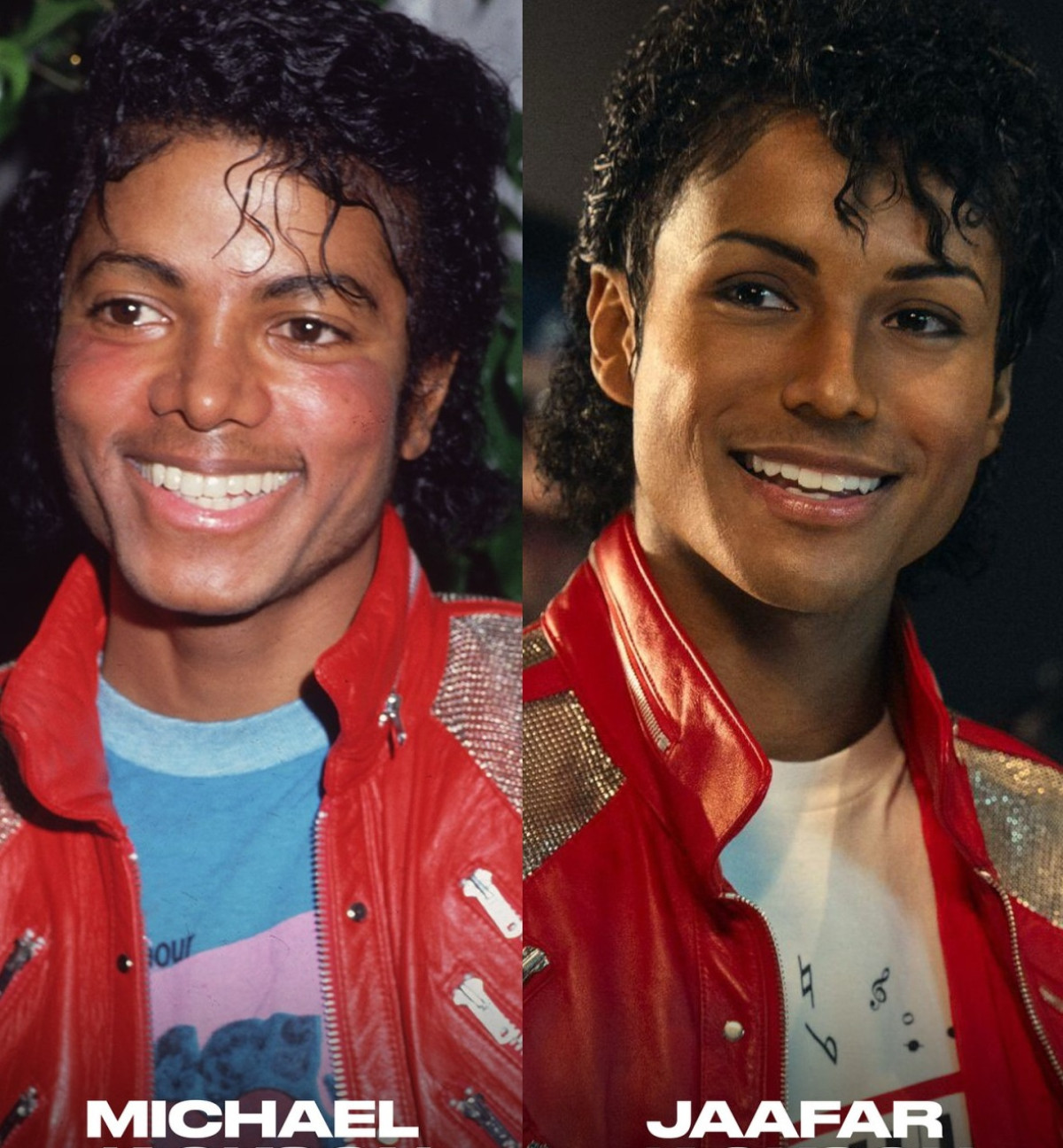
Jaafar Jackson plays Michael Jackson in the 2026 biopic Michael, and the story of how the 29-year-old newcomer landed the role is more interesting than the film itself. It started with a voice note. It involved a two-year global casting search with no formal auditions. It required Jaafar to keep the role secret from his own family for a full year. And it ended with his grandmother Katherine Jackson, the woman who knew Michael longest and loved him most, telling producers that her grandson didn't just resemble her son, he embodied him. After tracking every interview, behind-the-scenes video, and production report released since the film was announced, I can tell you that the choice of Jaafar was not nepotism, not a publicity play, and not the obvious pick everyone assumes it was. It was a hard-earned outcome of the most unusual casting process in recent biopic history, and here is how it actually happened.
Does the Michael movie cover the abuse allegations at all or does it just skip all of that entirely?
Reminded me of when I tried explaining to a non-artist friend why AI training on scraped artwork without consent feels like theft. She did not fully get it until I described it as someone profiting enormously from your discarded concepts without credit. Copycat captures that feeling exactly.
The meta-narrative element is interesting but it also has the potential to become the thing that prevents real emotional investment. If the protagonist is always watching the story rather than living it, the romance can feel like it is happening to a spectator.
Aniplex handling this alongside their existing slate is what keeps me cautiously optimistic. They have serious infrastructure for prestige anime projects and they clearly believe in this IP.
Genuinely curious whether kain_y and SORAGAE had planned this as a long serialization from the start or if it began as shorter standalone stories. The episodic structure in early chapters suggests the latter.
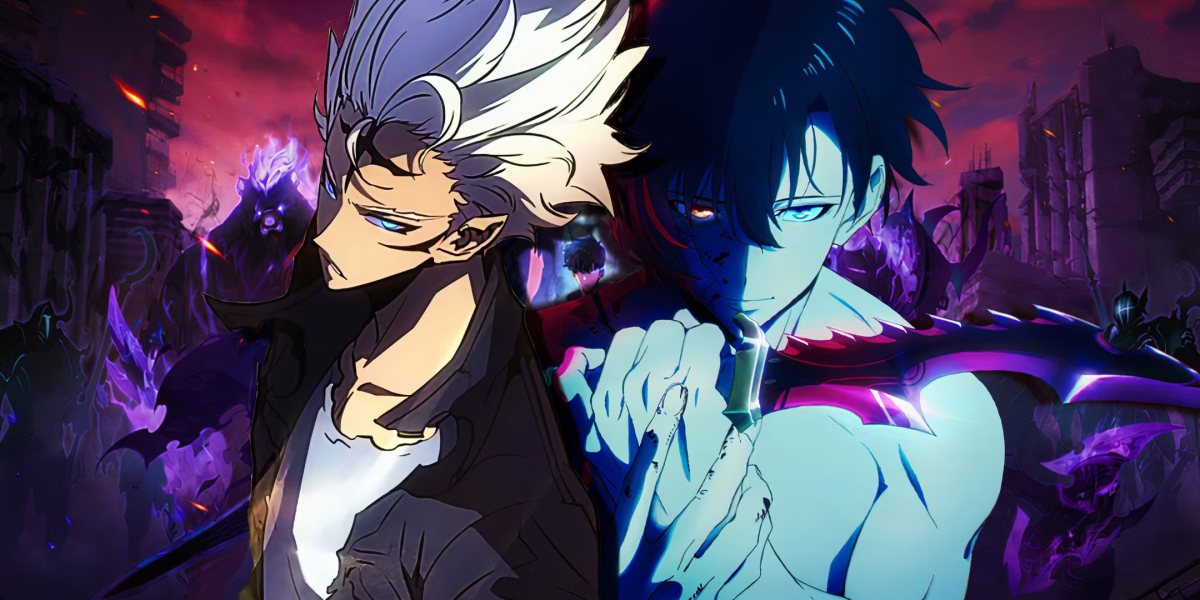
The manhwa world exploded when Solo Leveling first introduced us to Sung Jinwoo's journey from the weakest hunter to humanity's strongest defender. Now, Solo Leveling Ragnarok brings a fresh perspective to this beloved universe, and fans everywhere are asking the same questions. Can the sequel live up to the original? Do you need to read Solo Leveling first? What makes this continuation worth your time? This guide covers everything you need to know about Solo Leveling Ragnarok, whether you're a longtime fan or someone curious about jumping into the series Solo Leveling Ragnarok is not a reboot or alternate timeline. This is a direct sequel that continues the story years after the original series concluded. The protagonist shifts from Sung Jinwoo to his son, Sung Suho, who must forge his own path in a world still recovering from the catastrophic events his father prevented.
The part of the article about how supporting characters die messily and unfairly with regrets and things left unsaid rather than heroically is the most accurate description of what makes this emotionally different from standard fare.
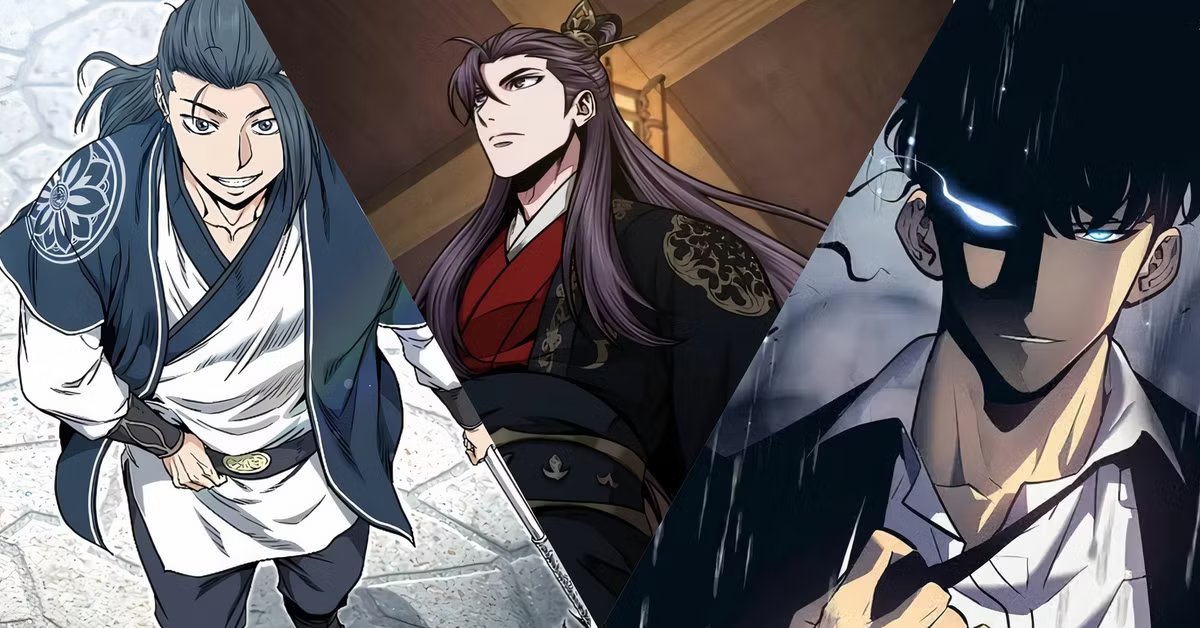
In a medium filled with talented artists producing stunning work, making a claim about any series having the "best" art feels bold. Yet Nano Machine consistently delivers combat sequences so fluid, detailed, and visually innovative that even readers who don't typically care about martial arts stories find themselves captivated by the sheer spectacle on display. The series combines traditional murim aesthetics with futuristic sci-fi elements, creating a unique visual identity that stands apart from typical cultivation manhwa. The nano machine implanted in protagonist Cheon Yeo-Woon's body doesn't just give him power. It becomes a storytelling device that allows the artist to visualize techniques, energy flows, and combat analysis in ways other series can't replicate.
This series was always going to get an anime. Redice Studio does not produce manhwa that sit quietly.
Honestly the biggest thing Ragnarok does right is not making Jinwoo suddenly useless to justify Suho's existence. The lore reason for his absence is actually thoughtful.
The article describing Season of Blossom as relatively untested territory for romance manhwa anime is interesting because True Beauty Season 2 is also coming this year and it seems like the obvious precedent.
The part about pixel-perfect UI affecting user trust and conversion rates is something product managers need to hear louder. The visual quality gap between a polished app and a slightly-off app is invisible to engineers but immediately obvious to users.
The article talks about Runway dominating enterprise adoption but Google has Vertex AI integration for Veo which means enterprise IT teams can plug it into existing cloud infrastructure without touching a new vendor relationship. That distribution advantage is massive.
I wonder how the average training video watcher feels about this. Nobody tells employees their onboarding was made by an AI avatar. Should they be told?
The fact that this started as a simple podcast transcription tool and evolved into a platform with Sora 2 generative video integration is honestly one of the better product evolution stories in creator tech.
TikTok is betting that most users will never read this article and will just keep scrolling. And they are probably right about that.
Join independent creators, thought leaders, and storytellers to share your unique perspectives, and spark meaningful conversations.