What are the best nootropics for focus and memory that actually have clinical evidence? Not looking for a stack, just the ones with real data.
23
Sign up to see more
SignupAlready a member?
LoginBy continuing, you agree to Sociomix's Terms of Service, Privacy Policy

What are the best nootropics for focus and memory that actually have clinical evidence? Not looking for a stack, just the ones with real data.
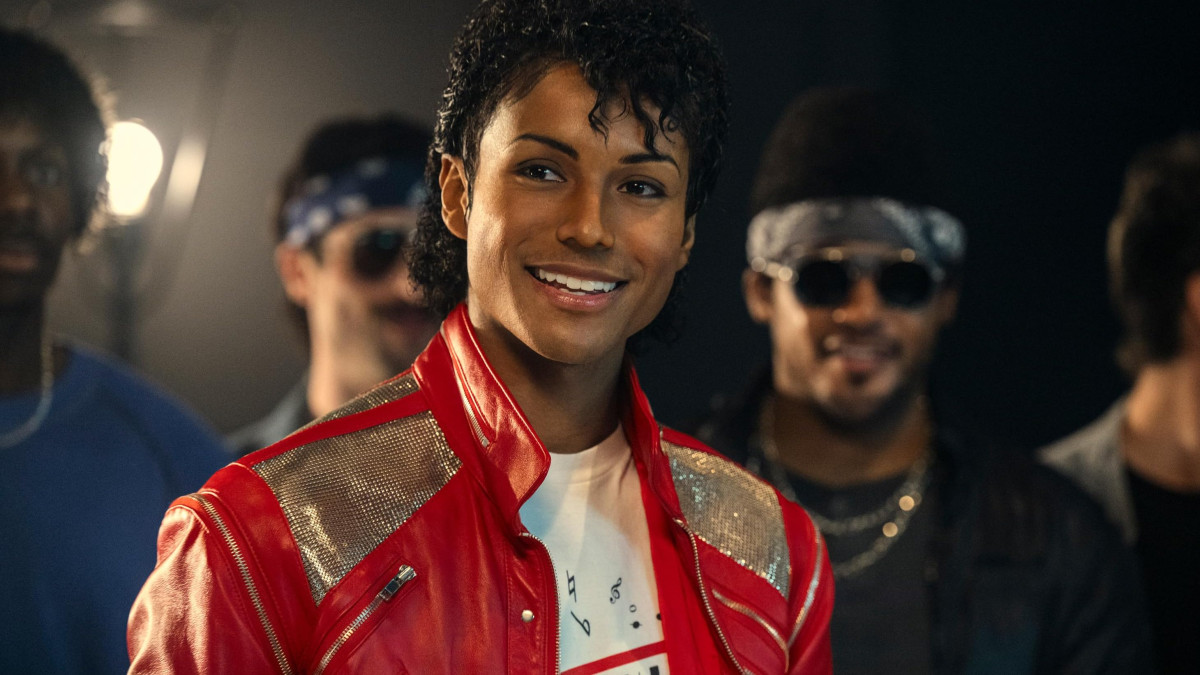
The Michael movie review verdict is in, and it is more complicated than the 26% Rotten Tomatoes score suggests. Antoine Fuqua's long-delayed Michael Jackson biopic, simply titled Michael, hit theaters this weekend with Jaafar Jackson playing his late uncle, and the critical response has been brutal. The BBC gave it one star. Roger Ebert's site called it a filmed playlist in search of a story. Yet early audience reactions on social media have been warmer, ticket pre-sales suggest an $80 million opening, and Variety thought it worked as an engrossing middle-of-the-road biopic. After tracking coverage across more than a dozen outlets over the past 48 hours, I think the honest answer to "should you watch this?" depends almost entirely on what you want from a music biopic, and this guide breaks down exactly what the film delivers, what it skips, and who will actually enjoy sitting through its two-hour-and-nine-minute runtime.
The section on edge computing is where this gets really interesting for people outside the major metros. Secondary markets are finally getting infrastructure investment and the jobs are coming with it.
The Gamer gets knocked for its later chapters but honestly the early slice-of-life stuff mixed with the system mechanics is still some of the most charming writing in the genre.
As someone who has been reading BL manhwa for over a decade, the isekai crossover has been surprisingly underexplored. Most attempts feel like they bolt the isekai premise onto a regular BL story without thinking about what the combination actually changes thematically. This one seems to get it.
Coming in with a mild counterpoint. The tomb exploration sequences in the manhwa are great but they can also bog down the pacing significantly in the middle of the series. Animation might actually fix this by tightening the visual storytelling.
If Aniplex really delivers on this the way they delivered on Solo Leveling, the conversation about Korean webtoons in animation is going to shift permanently. This is that important a title.
Hot take: the developer community gatekeeping around tools like Bolt is less about code quality concerns and more about professional identity anxiety. Which is understandable but should be named for what it is.
As someone who works in product at a mid-sized startup, we prototyped three internal tools in a week using Replit Agent that would have taken our single overworked developer at least two months. The time savings are real.
Genuinely curious question: does the video extension feature maintain the same visual coherence as the original clip, or does quality drift noticeably when you start extending past 20 seconds?
The free plan is genuinely useful for testing, not just a teaser. You get 60 media minutes a month and enough AI credits to actually evaluate whether the workflow fits you.
The meta-narrative layers this story operates on are unlike anything else in the genre. You are reading about a reader experiencing a story, while the constellations watch that reader like he is the story. It collapses inward in the best possible way.
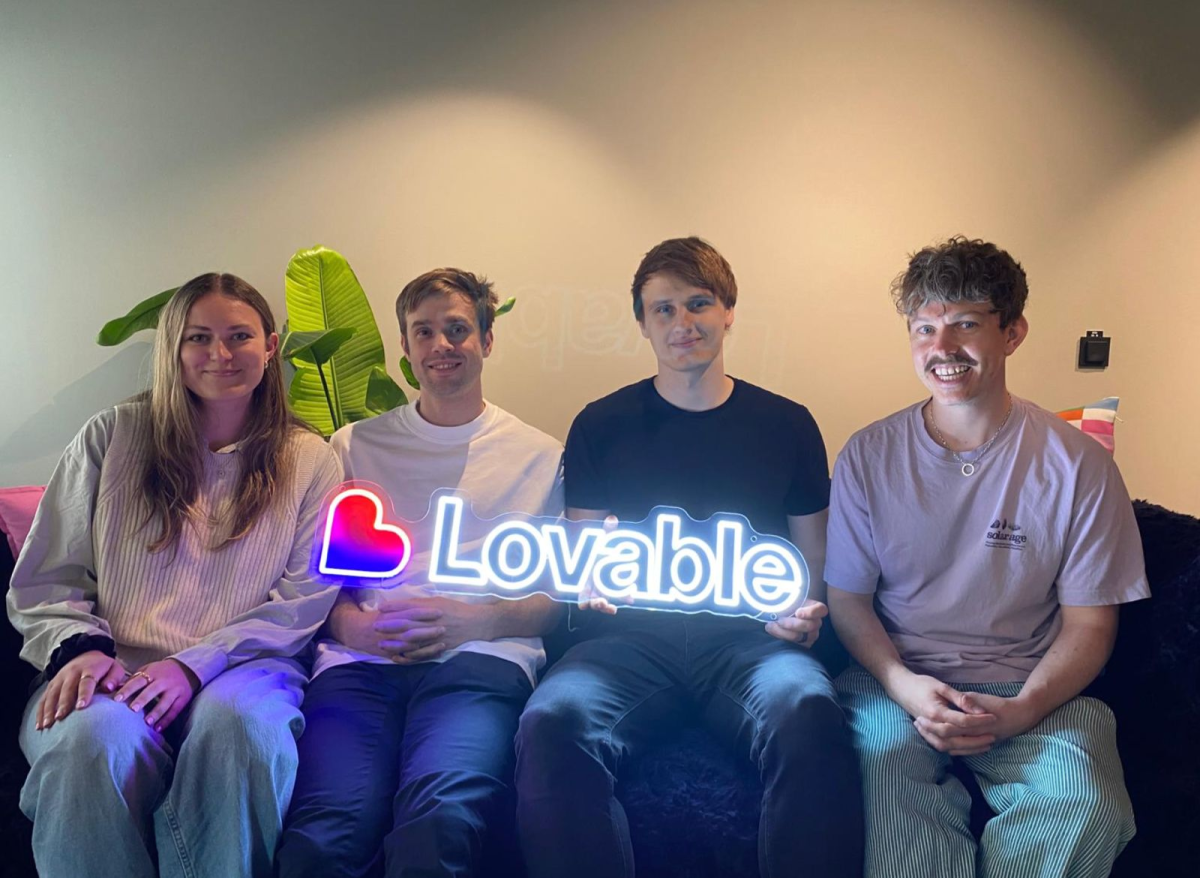
The software development world just witnessed something unprecedented. A European startup called Lovable reached $20 million in annual recurring revenue in just two months, making it potentially the fastest-growing startup in European history. But here's the twist that's making traditional software agencies nervous: they did it by giving non-technical founders the power to build full-stack applications without writing a single line of code. For years, the promise of no-code tools has been the same: anyone can build an app. But the reality has always been different. You'd create a beautiful frontend, get excited about your progress, and then hit the technical cliff. Suddenly you needed to configure databases, set up authentication, manage API keys, and deploy to servers. The "no-code" dream became a "hire-a-developer-anyway" nightmare.
Honestly the story I keep waiting for is what the actual model quality difference looks like at the frontier right now. Revenue and drama are interesting but which model is actually smarter for complex reasoning tasks in April 2026 and by how much?
The article is great but I'd push back on the framing that Anthropic is clearly winning. OpenAI has 900 million weekly active ChatGPT users. Consumer AI becomes the operating system for how people interact with information. That's not a small thing to concede.
The article ends with a note about platforms winning by improving how conversations happen rather than just hosting them. That is true but it also sounds like a pitch for a product. The line between analysis and marketing copy is thin here.
Every cycle people say this one is different because of institutional involvement. And every cycle we still get a 30 to 40 percent correction at some point. Managing expectations accordingly.
The thing that nobody mentions is that unencrypted messages at rest are a massive liability in a data breach. TikTok has had security incidents before. If someone exfiltrated a database of unencrypted user DMs, the damage would be enormous. This is a security risk beyond just the government access question.
DCA and stop worrying about the daily candles. That's my whole strategy and honestly it's the only one that has ever worked consistently for me.
In a rare divergence from industry norms, TikTok has confirmed it will not adopt end-to-end encryption (E2EE) for direct messages, breaking with nearly every major social media platform and reigniting one of the tech industry's most contentious debates. The Chinese-owned video platform told the BBC exclusively that it believes the privacy technology championed by Meta, Apple, and others as essential for user protection actually makes users less safe by creating "dark spaces" where harmful content can flourish beyond the reach of safety teams and law enforcement. The decision puts TikTok in direct opposition to its competitors while potentially exposing the company to fresh criticism over data protection, particularly given ongoing concerns about its ties to Beijing.