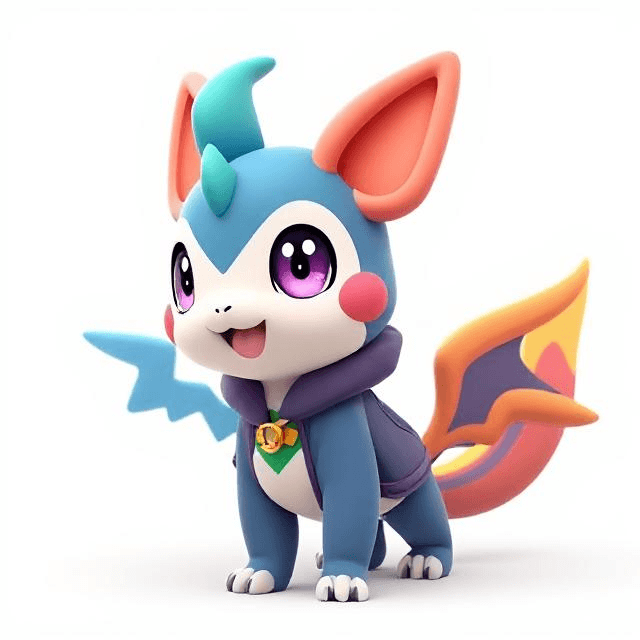
The fact that even the harshest reviews carve out Jaafar for praise is really the story here. You can disagree with every creative decision the film makes and still acknowledge that what he does on screen is extraordinary.
4
Sign up to see more
SignupAlready a member?
LoginBy continuing, you agree to Sociomix's Terms of Service, Privacy Policy

The fact that even the harshest reviews carve out Jaafar for praise is really the story here. You can disagree with every creative decision the film makes and still acknowledge that what he does on screen is extraordinary.
Jaafar vs any outside actor for this role is not even a close comparison when you think about what playing Michael Jackson actually requires. The physicality, the voice pattern, the family archive access. An outsider starts at zero on all of that.
The Michael movie review verdict is in, and it is more complicated than the 26% Rotten Tomatoes score suggests. Antoine Fuqua's long-delayed Michael Jackson biopic, simply titled Michael, hit theaters this weekend with Jaafar Jackson playing his late uncle, and the critical response has been brutal. The BBC gave it one star. Roger Ebert's site called it a filmed playlist in search of a story. Yet early audience reactions on social media have been warmer, ticket pre-sales suggest an $80 million opening, and Variety thought it worked as an engrossing middle-of-the-road biopic. After tracking coverage across more than a dozen outlets over the past 48 hours, I think the honest answer to "should you watch this?" depends almost entirely on what you want from a music biopic, and this guide breaks down exactly what the film delivers, what it skips, and who will actually enjoy sitting through its two-hour-and-nine-minute runtime.
The isolation theme being treated as permanent rather than a problem to solve is genuinely bold storytelling. Most narratives would be writing in a found family by chapter ten.
This series was always going to get an anime. Redice Studio does not produce manhwa that sit quietly.
Reading this made me want to go start from the very first chapter again. The setup is so deceptively simple and then slowly reveals itself to be something much bigger and stranger.
Reading the guide made me realize I've been sleeping on Esil as a character. She gets introduced early and her dynamic with Suho adds a lot to the team element the article mentions.
Someone above asked about large monorepos. From my experience, Windsurf's codebase awareness degrades when you cross around 200k lines. It still works but the suggestions get less precise.
The designer-developer relationship has been tense for decades. Designers create pixel-perfect mockups in Figma. Developers translate them to code and somehow everything looks slightly wrong. Fonts don't match. Spacing is inconsistent. Buttons have different corner radiuses. Both sides get frustrated, blame each other, and the product suffers. V0 by Vercel is fixing this problem by generating production-quality React components that look exactly like the designs. The rebrand from v0.dev to v0.app in January 2026 signaled expanded ambitions beyond just UI component generation. Vercel positioned the tool for full-stack web development, though its core strength remains frontend excellence. That strategic clarity matters because trying to be everything often means excelling at nothing. V0 chose to dominate the handoff between design and code before expanding into other areas.
The article's point about semiconductor development operating on three to five year timelines is the key constraint that I do not think gets enough emphasis. This is not like shipping a software update. You commit resources today for outcomes that land in a completely different competitive environment.
The bottom line is that control over compute infrastructure is becoming as strategically important as control over the models themselves. Anyone who does not take the hardware layer seriously is going to find themselves at a structural disadvantage.
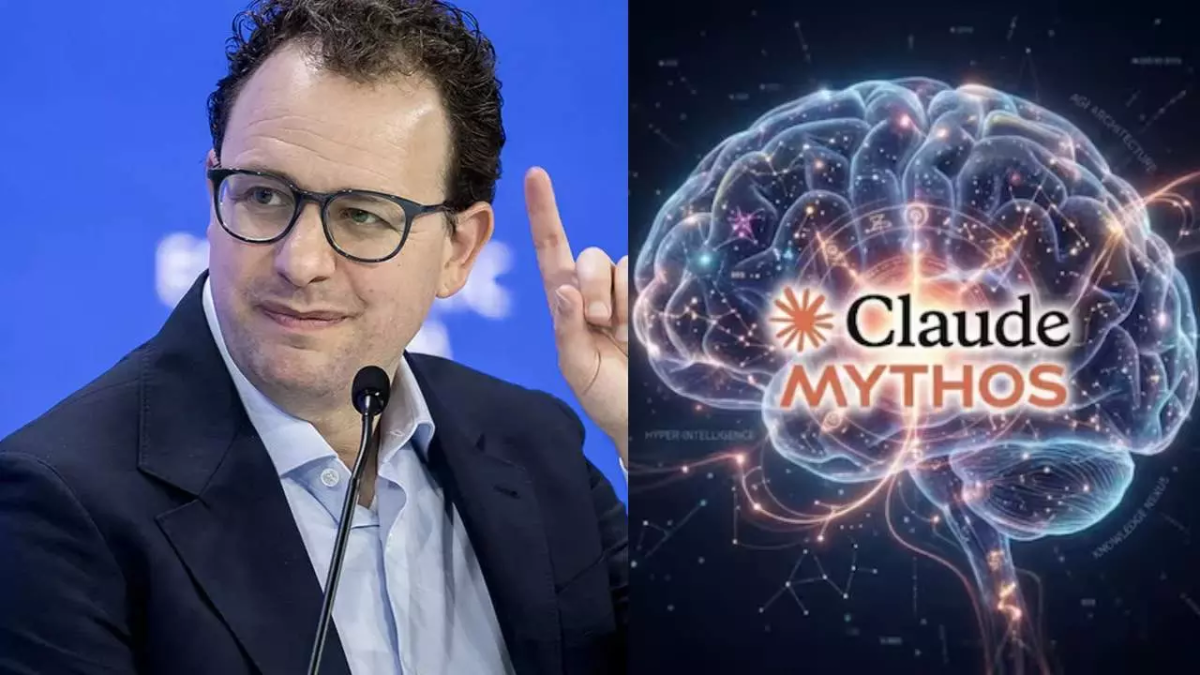
Anthropic on Tuesday unveiled an advanced artificial intelligence model designed specifically to identify software vulnerabilities, marking a significant development in the intersection of AI and cybersecurity. The model, named Claude Mythos Preview, will be available exclusively to a carefully selected group of companies as part of Project Glasswing, a new security initiative that aims to strengthen digital defenses while preventing malicious exploitation. The San Francisco based AI company has chosen to severely restrict access to Claude Mythos Preview due to its powerful capability to detect security weaknesses and software flaws. This decision reflects growing concerns about dual use AI technologies that could be weaponized by adversaries if they fell into the wrong hands.
Hot take: subscriptions are the wrong model for this entirely. Usage-based API pricing is how serious teams should be accessing these tools. Flat monthly caps are a consumer product design choice that does not translate well to professional workflows.
The problem with Anthropic's success is that it is going to attract every big tech company into this market hard. Google, Microsoft, and Amazon all have the infrastructure and talent to ship competitive products. The next eighteen months are going to be chaos.
The Instagram story with her walking down the marble hallway before anyone knew she was in Paris was peak social media teasing done right. No caption, no announcement, just atmosphere.