
The section on edge computing is where this gets really interesting for people outside the major metros. Secondary markets are finally getting infrastructure investment and the jobs are coming with it.
17
Sign up to see more
SignupAlready a member?
LoginBy continuing, you agree to Sociomix's Terms of Service, Privacy Policy

The section on edge computing is where this gets really interesting for people outside the major metros. Secondary markets are finally getting infrastructure investment and the jobs are coming with it.
My biggest complaint about beginner guides to system manhwa is they always recommend starting with Solo Leveling but never warn people that almost everything else will feel slightly less polished by comparison.
What I appreciate is that the learning curve, while real, is front loaded. The first project takes longer than expected because the interface is genuinely new. By the third project the speed gains kick in hard.
The democratization framing is real but it also means we are about to see an enormous wave of mediocre software entering the world. Not all ideas deserve to be built just because building them became cheap.
The designer-developer relationship has been tense for decades. Designers create pixel-perfect mockups in Figma. Developers translate them to code and somehow everything looks slightly wrong. Fonts don't match. Spacing is inconsistent. Buttons have different corner radiuses. Both sides get frustrated, blame each other, and the product suffers. V0 by Vercel is fixing this problem by generating production-quality React components that look exactly like the designs. The rebrand from v0.dev to v0.app in January 2026 signaled expanded ambitions beyond just UI component generation. Vercel positioned the tool for full-stack web development, though its core strength remains frontend excellence. That strategic clarity matters because trying to be everything often means excelling at nothing. V0 chose to dominate the handoff between design and code before expanding into other areas.

The law of financial gravity comment above deserves more attention. The assumption behind all of this is that compute costs keep falling faster than revenue growth so margins eventually normalize. If that assumption breaks, these burn rates become something much scarier.
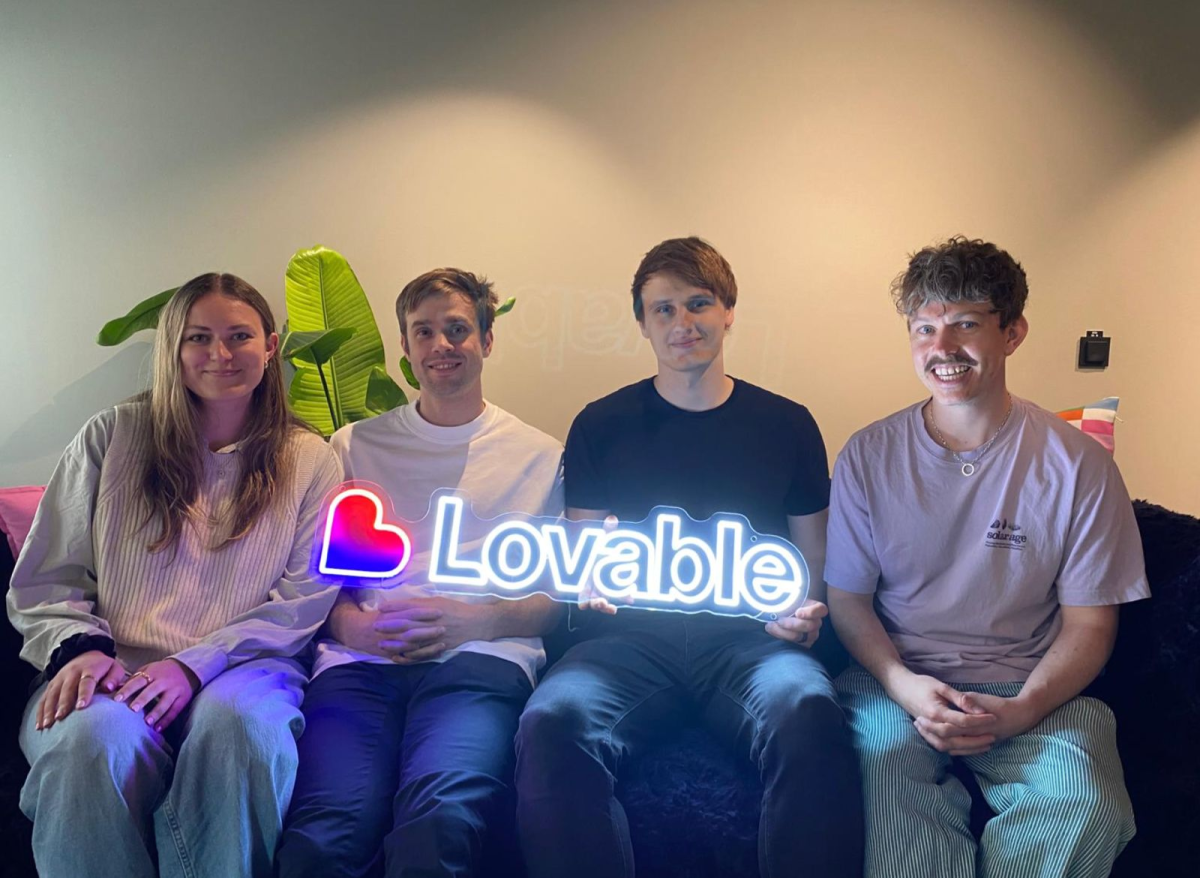
The software development world just witnessed something unprecedented. A European startup called Lovable reached $20 million in annual recurring revenue in just two months, making it potentially the fastest-growing startup in European history. But here's the twist that's making traditional software agencies nervous: they did it by giving non-technical founders the power to build full-stack applications without writing a single line of code. For years, the promise of no-code tools has been the same: anyone can build an app. But the reality has always been different. You'd create a beautiful frontend, get excited about your progress, and then hit the technical cliff. Suddenly you needed to configure databases, set up authentication, manage API keys, and deploy to servers. The "no-code" dream became a "hire-a-developer-anyway" nightmare.
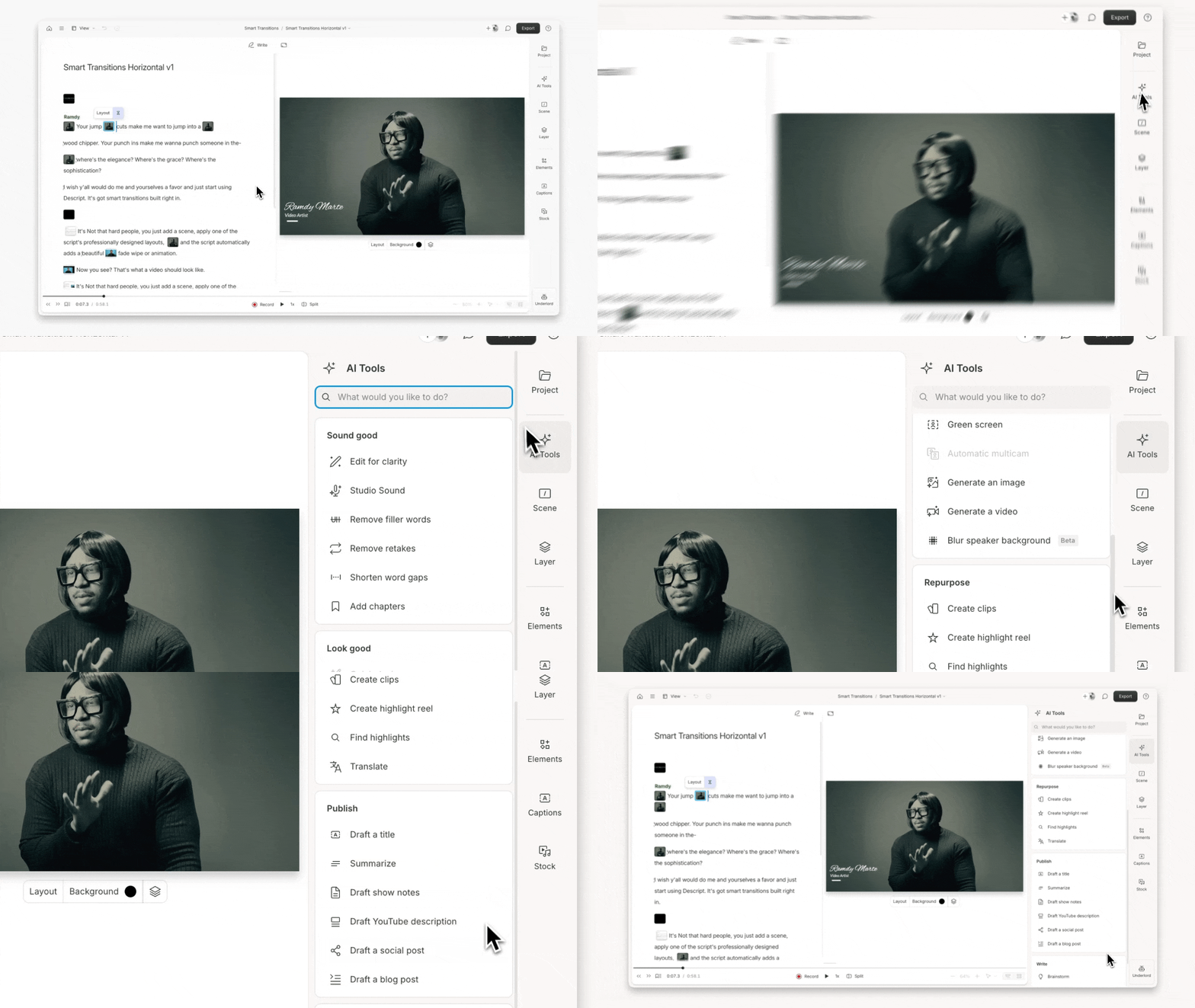
Most people can edit a Google Doc. Delete some words, rearrange sentences, fix typos, add paragraphs. It's intuitive and requires no special training. Now imagine editing video the same way. That's Descript's core innovation, and it transformed video editing from a specialized skill requiring expensive software into something anyone who can edit text can do effectively. Descript started as a transcription tool for podcasters. Record your podcast, upload it to Descript, and get an accurate transcript for show notes. But the founders realized something bigger. If you have a perfect transcript synchronized to audio, you can edit the audio by editing the text. Delete a word from the transcript and that word disappears from the audio. That insight became the foundation for a complete editing platform.
There's a photograph from February 2026 that pretty much sums up the state of AI right now. At the India AI Impact Summit in New Delhi, Indian Prime Minister Narendra Modi invited the world's tech leaders onstage for a group photo. Everyone held hands. Well, almost everyone. Sam Altman of OpenAI and Dario Amodei of Anthropic, standing right next to each other, refused to clasp hands and instead raised their fists separately. The internet, predictably, lost its mind. An awkward moment between OpenAI CEO Sam Altman and Anthropic CEO Dario Amodei at an AI Summit captured the increasingly icy relations between two rival tech leaders who started off as colleagues. That's not just petty drama. It's a window into what may be the most consequential corporate rivalry in the technology world right now, one that's playing out in boardrooms, courtrooms, Super Bowl ads, and billion-dollar compute deals all at once.

Token-based pricing feels more honest than flat subscriptions for tools like this. You pay proportionally to how much you build. That said, the token math needs to be much more transparent upfront so users don't hit walls unexpectedly.
building a custom chip takes years, but so does waiting in the Nvidia queue. At some point the wait times and premium pricing for the most advanced Nvidia hardware make the custom chip math start to look better even accounting for development costs.
In a rare divergence from industry norms, TikTok has confirmed it will not adopt end-to-end encryption (E2EE) for direct messages, breaking with nearly every major social media platform and reigniting one of the tech industry's most contentious debates. The Chinese-owned video platform told the BBC exclusively that it believes the privacy technology championed by Meta, Apple, and others as essential for user protection actually makes users less safe by creating "dark spaces" where harmful content can flourish beyond the reach of safety teams and law enforcement. The decision puts TikTok in direct opposition to its competitors while potentially exposing the company to fresh criticism over data protection, particularly given ongoing concerns about its ties to Beijing.
The artificial intelligence industry is entering a new phase of competition, one that extends far beyond the development of advanced language models and neural networks. Companies are now engaged in an intense struggle to secure the computational infrastructure necessary to train and deploy their AI systems. In this context, Anthropic has reportedly begun exploring the possibility of designing and manufacturing its own specialized processors to power Claude, its flagship conversational AI platform, along with its broader suite of artificial intelligence technologies. This strategic consideration emerges at a critical moment in the global AI sector. The exponential growth in model complexity and capability has created unprecedented demand for high-performance computing resources. Sources familiar with the matter indicate that Anthropic is conducting feasibility studies to determine whether developing proprietary semiconductor technology could reduce its dependence on external hardware vendors while ensuring reliable access to the computing power required for its operations.
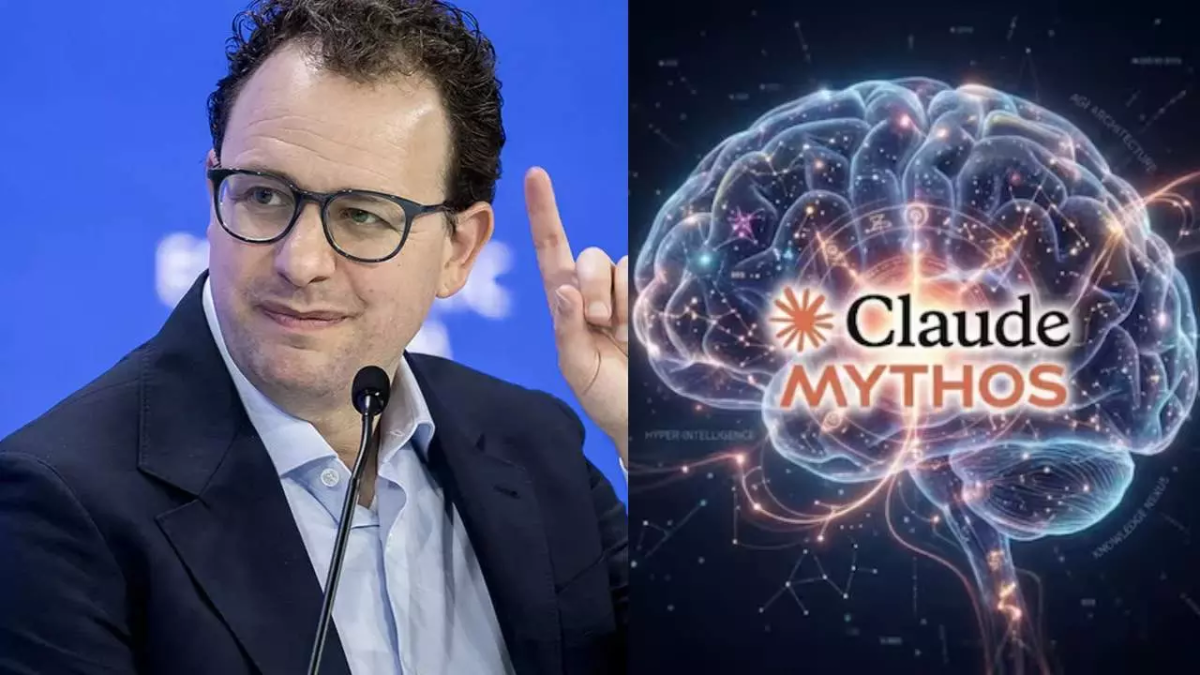
Anthropic on Tuesday unveiled an advanced artificial intelligence model designed specifically to identify software vulnerabilities, marking a significant development in the intersection of AI and cybersecurity. The model, named Claude Mythos Preview, will be available exclusively to a carefully selected group of companies as part of Project Glasswing, a new security initiative that aims to strengthen digital defenses while preventing malicious exploitation. The San Francisco based AI company has chosen to severely restrict access to Claude Mythos Preview due to its powerful capability to detect security weaknesses and software flaws. This decision reflects growing concerns about dual use AI technologies that could be weaponized by adversaries if they fell into the wrong hands.
When you hear “Paris Fashion Week,” your mind races to haute couture, bold statements, and the world’s most glamorous attendees. But on October 4, 2025, the scene got a surprise guest—Meghan Markle, making what might be her most talked-about entrance yet. To call it a “debut” feels almost too neat, as if she’s stepping into a world she’s never touched. Yet, Meghan’s gradual evolution as a style influencer has been anything but accidental. Her Paris moment isn’t just celebrity spectacle; it’s a statement, a pivot, and a nuanced step into a new chapter. Here’s my take on why this matters.
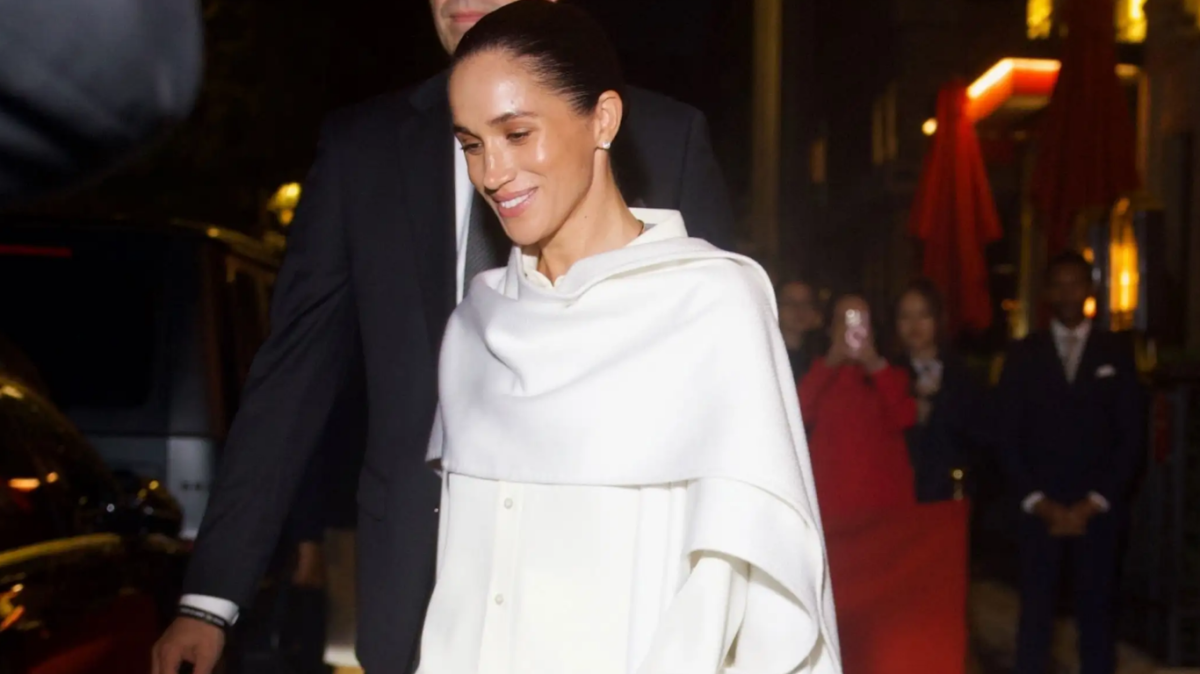
Getting ready to wear something similar for my anniversary dinner. Hope I can pull it off as well
The boots make it super edgy but I could see this with ballet flats too for a softer look