Solid point. A study can show a statistically significant improvement in memory test scores while the real world effect is too small for any individual to feel. The article does note that effect sizes vary but that nuance deserves a louder mention.
Sign up to see more
SignupAlready a member?
LoginBy continuing, you agree to Sociomix's Terms of Service, Privacy Policy
Sign up to see more
SignupAlready a member?
LoginBy continuing, you agree to Sociomix's Terms of Service, Privacy Policy

Solid point. A study can show a statistically significant improvement in memory test scores while the real world effect is too small for any individual to feel. The article does note that effect sizes vary but that nuance deserves a louder mention.
The detail that Suchan is hunting the killer because his work was plagiarized, not because of the murders themselves, is one of the most darkly funny protagonist motivations I have ever read in a thriller. Kim is operating on a different level.
Hot take, the scenario system is actually less interesting than the character dynamics it creates. The game mechanics are a vehicle for exploring who people really are under pressure, which is the actual story.
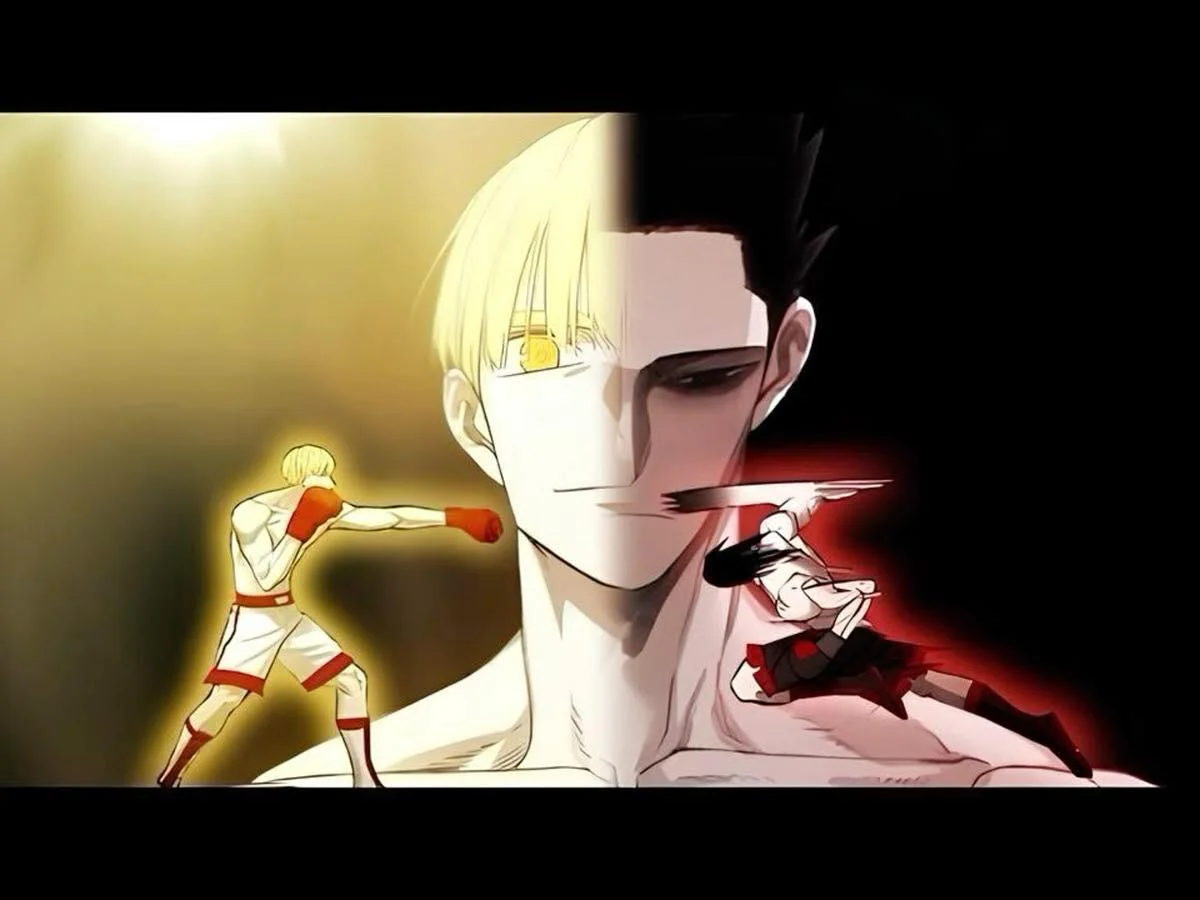
Sports anime and manga have delivered countless memorable series over the decades, from Slam Dunk's basketball brilliance to Haikyuu's volleyball excellence. These stories typically follow familiar patterns: talented but inexperienced protagonist joins a team, forms bonds with teammates, faces rivals, grows through competition, and ultimately pursues championship glory. The formula works because it taps into universal themes about effort, teamwork, and self-improvement. The Boxer, created by JH, takes everything you expect from sports stories and systematically deconstructs it. The protagonist doesn't love boxing. He doesn't form deep bonds with teammates. He doesn't overcome challenges through friendship and determination. Instead, the manhwa presents one of the darkest, most psychologically complex examinations of combat sports ever created, wrapped in stunningly minimalist artwork that elevates the narrative to something approaching high art.
Thinking about how manhwa adaptations into anime are becoming increasingly common and wondering how a story like this would even translate. The pacing is so specific to the reading experience.
Nickup's linework is clean with expressive faces and the costume design is where the art really shines. The historical European setting gives a lot of visual opportunity and it is used well. Not groundbreaking but confidently executed and tonally appropriate.
If you're new to manhwa or looking to understand what all the hype is about regarding system and leveling stories, you've arrived at exactly the right place. The system genre has become one of the most popular and accessible entry points into Korean comics, offering clear progression mechanics, satisfying power growth, and narratives that feel like playing your favorite RPG or video game brought to life on the page. System manhwa feature protagonists who gain access to game-like interfaces that display stats, skills, quests, and levels. These systems provide clear frameworks for character growth and power progression. You can literally see the protagonist getting stronger through numbers increasing, new abilities unlocking, and challenges being overcome. This visual and concrete progression creates deeply satisfying reading experiences that hook readers from the first chapter.
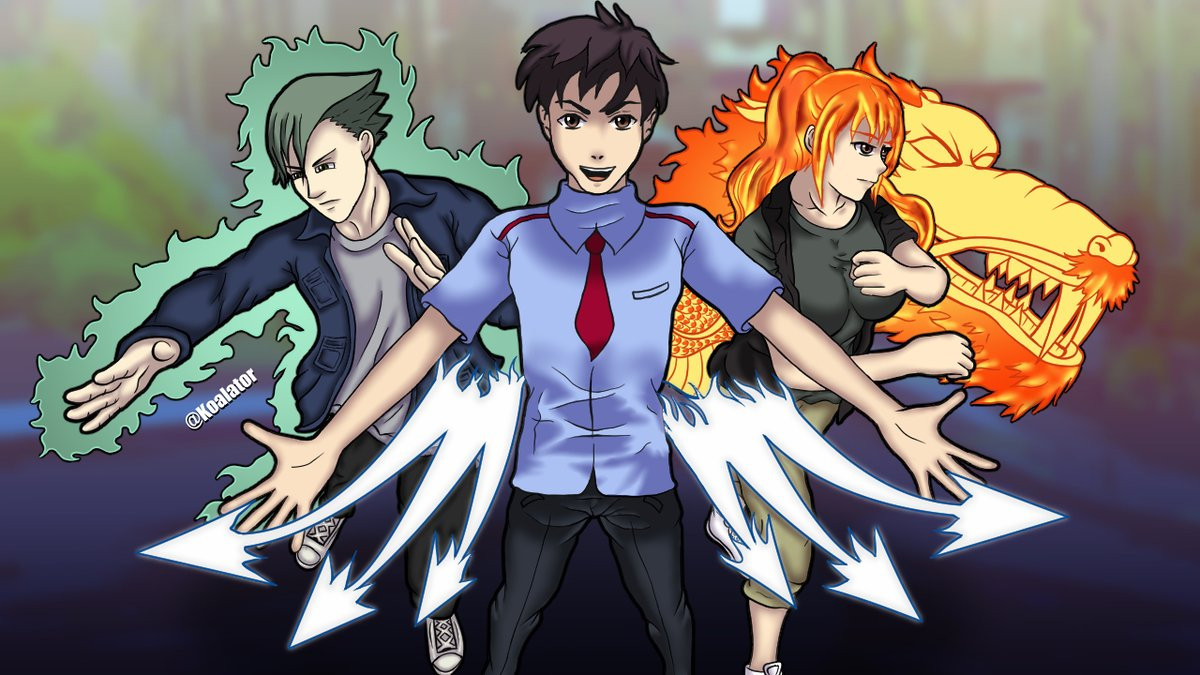
In a manhwa landscape dominated by dungeon crawling, regression narratives, and power fantasies, The Greatest Estate Developer stands out by asking a simple question: what if the protagonist's greatest weapon wasn't a sword or magic system, but civil engineering knowledge? This bizarre premise transforms into one of the most entertaining, genuinely funny, and surprisingly heartfelt series currently running, proving that innovation in storytelling comes from unexpected places. The series takes the familiar isekai setup where a modern person finds themselves in a fantasy world and completely subverts expectations. Instead of becoming an adventurer or hero, protagonist Kim Suho uses his engineering knowledge to revolutionize construction, infrastructure, and economic development. What sounds like it should be boring becomes absolutely captivating through sharp writing, excellent comedic timing, and genuine passion for showing how infrastructure improves lives.
The pricing structure is sneakier than the article implies. Starter plan gives you 10 video minutes per month, which sounds fine until you realize one training module eats half that. You hit enterprise pricing faster than you expect.
Still waiting for someone to explain how the AI eye contact feature actually works without looking deeply unsettling. Every demo I have seen looks a little off.
As someone who works in semiconductor design, the $500 million figure thrown around for chip development is actually optimistic. Once you factor in software tooling, fabrication ramp, testing infrastructure, and the inevitable respins, you are realistically looking at a billion plus before you see production volume.
Something worth noting that the article did not cover is how Anthropic briefly topped the App Store on Claude downloads after the Pentagon blacklisting situation. The AI app rankings right now are almost more of a news cycle indicator than a product quality indicator.
That's the key tension right now. If the dollar index stays weak, Bitcoin benefits even in a rate-hold environment. The DXY has been declining and that's been quietly supporting risk assets more than people credit.
The article mentions that E2EE protects LGBTQ individuals in hostile environments. This is not abstract. There are countries where being outed via a leaked DM can mean imprisonment or violence. That should weigh heavily in this conversation.
You could totally dress this up with some strappy heels and statement earrings for evening events too
Join independent creators, thought leaders, and storytellers to share your unique perspectives, and spark meaningful conversations.