
This is honestly the first nutrition framework that has felt sustainable to me after years of trying everything. Calorie counting made me anxious at restaurants and this just does not do that.
21
Sign up to see more
SignupAlready a member?
LoginBy continuing, you agree to Sociomix's Terms of Service, Privacy Policy

This is honestly the first nutrition framework that has felt sustainable to me after years of trying everything. Calorie counting made me anxious at restaurants and this just does not do that.
Can neurofeedback wearables like the Muse headband actually improve focus long term or is the effect only while you're wearing it?
The shift from passive tool to active meeting agent is the most interesting development. The new Meeting Agent can actually answer questions asked aloud during a live call, which is a different category of thing than transcription.
Hot take: this is not replacing your development team. It is replacing your intern. There is a significant difference.
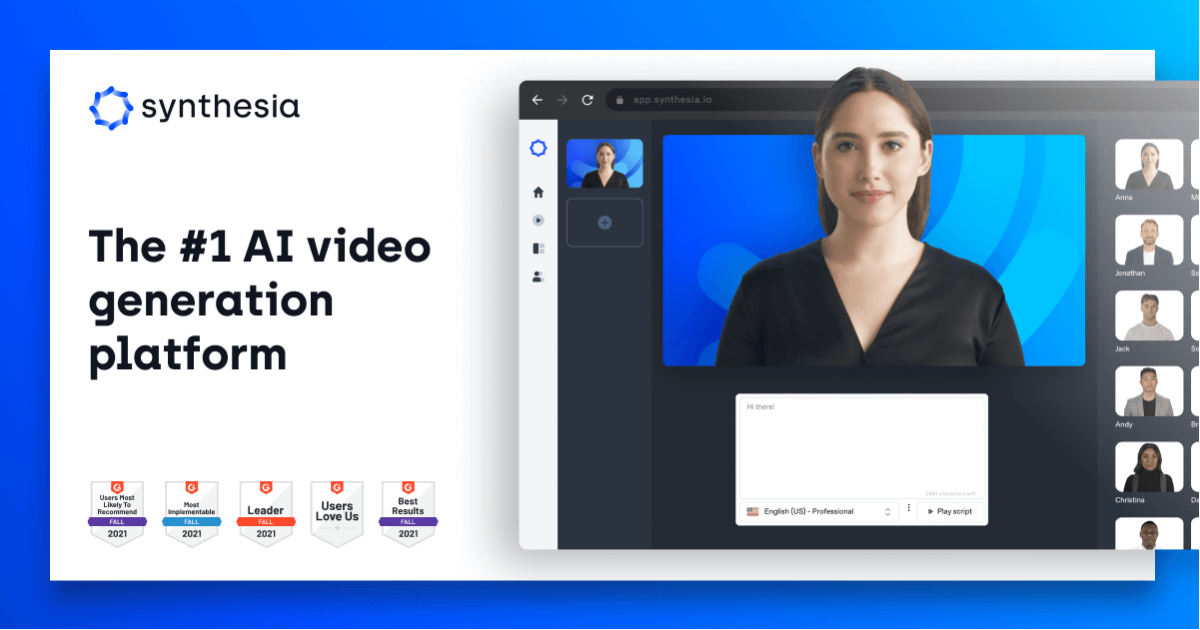
The fact that early customers are using both Synthesia and HeyGen for different purposes rather than picking one is actually a bullish signal for the whole category. It means the market is expanding rather than consolidating around a winner takes all dynamic.
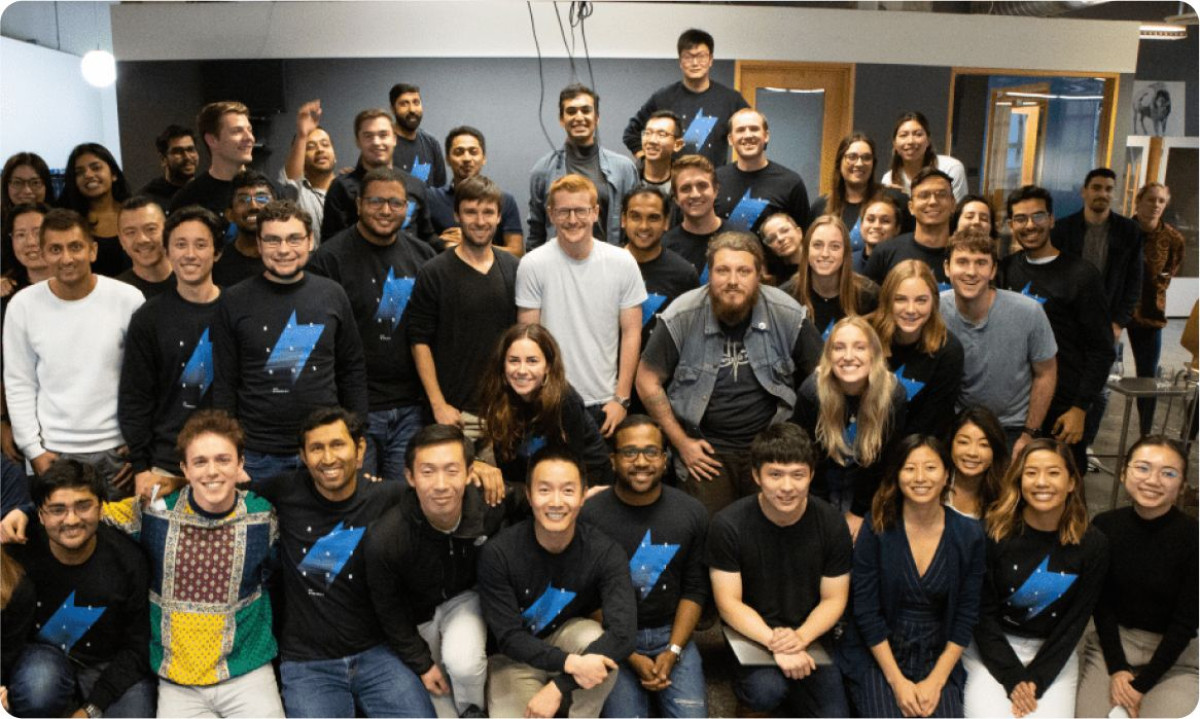
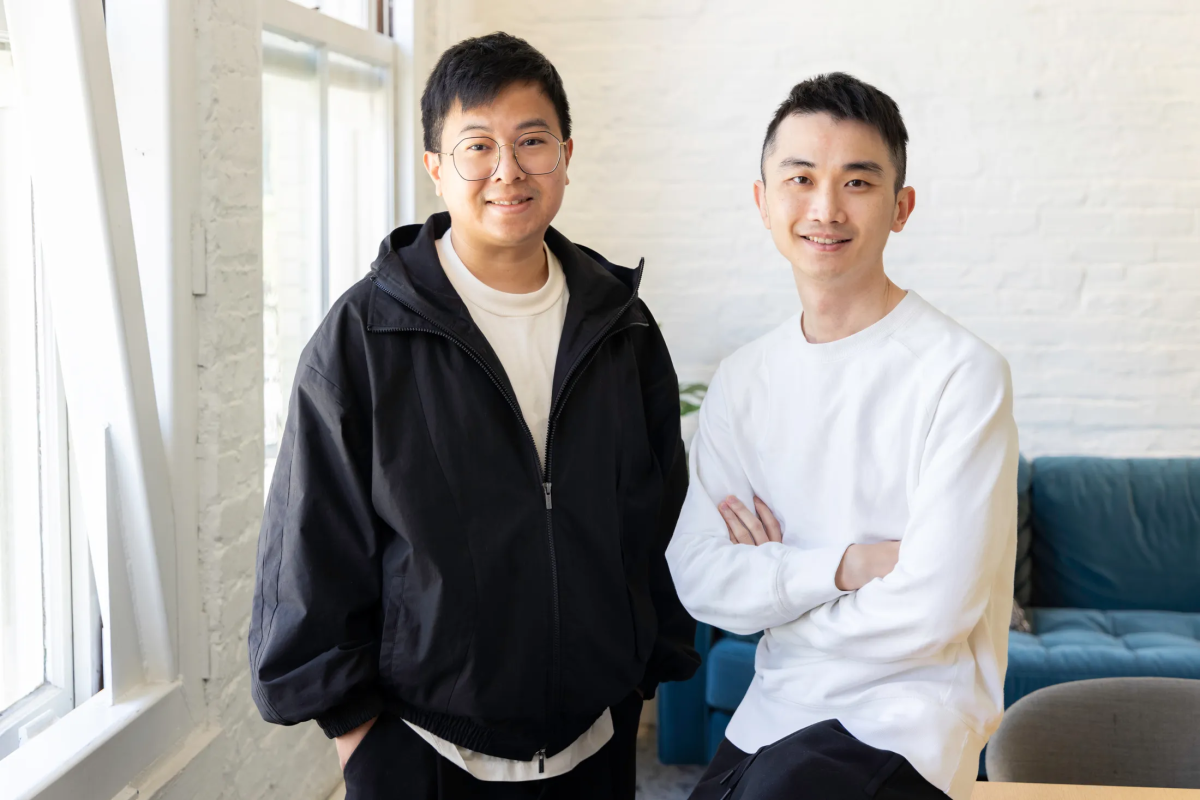
When a company raises $200 million in Series E funding during January 2026, investors are betting on more than potential. They're backing proven market demand and sustainable growth. Synthesia's funding round came alongside a 44% year-over-year increase in headcount to 706 employees, signaling aggressive expansion in a category the company essentially created: AI avatar-based video generation for enterprise training and communications. Corporate training videos have been expensive and slow to produce for decades. Recording a single 10-minute training module traditionally required booking a studio, hiring a presenter, scheduling a videographer, managing multiple takes, and editing everything together. If you needed to update information or translate content, you essentially started over. Synthesia eliminated this entire production workflow by replacing human presenters with AI avatars.
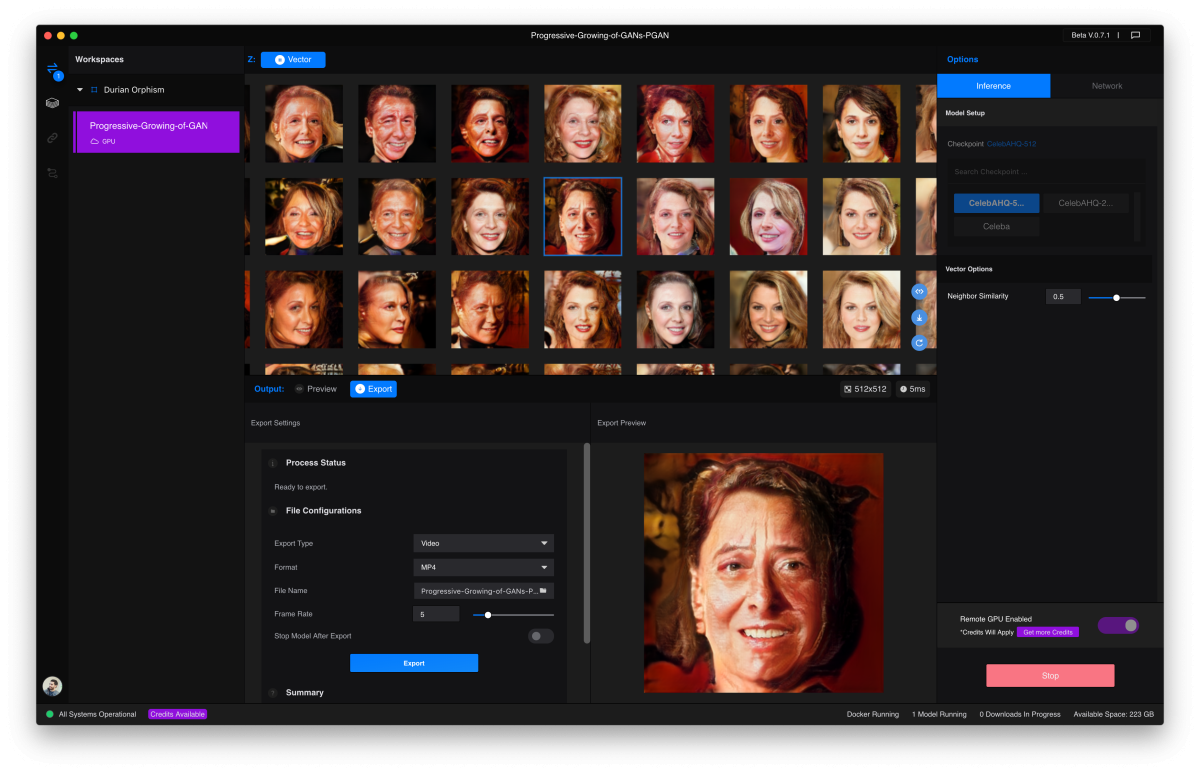
The AI video generation race just got a clear winner. Runway Gen-4.5 topped the Video Arena leaderboard with a 1,247 Elo score, surpassing both Google Veo 3 and OpenAI Sora 2. For those unfamiliar with Elo ratings, this is the same system used to rank chess players and competitive games. A higher score means more wins in head-to-head comparisons. When real users compare videos side by side without knowing which AI generated them, they consistently choose Runway's output. Runway didn't start as an enterprise video tool. It began as a playground for artists and filmmakers who wanted to experiment with AI-generated visuals. The early versions produced fascinating but inconsistent results. Sometimes you'd get stunning cinematic footage. Other times you'd get distorted motion and unrealistic physics. Gen-4.5 changed that equation by achieving breakthrough consistency in motion quality and physical accuracy.
Forty million dollars in annual recurring revenue. Six months. One browser-based platform. Those numbers would be impressive for any software company, but for Bolt.new, they represent something more significant: the moment when development environments moved permanently into the cloud and never looked back. Traditional software development has always required setup. Install Node.js, configure your environment, manage dependencies, set up local servers, troubleshoot version conflicts. Before writing a single line of code, developers spend hours or even days preparing their machines. Junior developers often spend their first week just getting their environment working. Bolt.new eliminated all of that with WebContainers technology.
Text-based video editing is now mainstream enough that Premiere Pro added its own version of it. That is the market signal that this approach won the argument about whether it belongs in serious production workflows.
My company is one of those 500 enterprises spending over a million a year on Anthropic. The ROI is there but so is the dependency risk. Nobody is talking about what happens if Anthropic raises prices significantly post-IPO.
While Synthesia leads in revenue, HeyGen leads in customer acquisition momentum with 152% year-over-year growth in mid-market adoption. That explosive growth rate allowed HeyGen to close much of the customer count gap by late 2025. The company is winning by making avatar video accessible to smaller teams and individual creators who cannot afford enterprise contracts but need professional video capabilities. HeyGen positioned itself for small and medium businesses, marketing teams, content creators, and solo entrepreneurs rather than enterprise learning and development departments. This market segment values affordability, ease of use, and creative flexibility over governance features and advanced integrations. Average contract values are roughly one-third of Synthesia's, reflecting this different customer profile.
The free tier having a Made in Bolt badge is a completely reasonable business decision and people complaining about it need to relax. You want free hosting and free AI generation and no attribution? That math doesn't work.
Real talk, the real winner here might be India. 3.5 billion users across Meta's platforms with a huge and growing share coming from the subcontinent means Muse Spark rolling into WhatsApp there is going to touch an enormous number of lives very quickly.
The fact that both Google and Microsoft are partners despite being direct competitors in the AI space is either a sign that the threat is serious enough to override competitive dynamics or a sign that everyone wants inside the tent. Probably both.
Solid article overall, but I would push back on the framing that this is purely strategic analysis rather than active development. Companies do not announce that they are studying chip development unless they have already decided to do it. This is a managed leak.
The artificial intelligence industry is entering a new phase of competition, one that extends far beyond the development of advanced language models and neural networks. Companies are now engaged in an intense struggle to secure the computational infrastructure necessary to train and deploy their AI systems. In this context, Anthropic has reportedly begun exploring the possibility of designing and manufacturing its own specialized processors to power Claude, its flagship conversational AI platform, along with its broader suite of artificial intelligence technologies. This strategic consideration emerges at a critical moment in the global AI sector. The exponential growth in model complexity and capability has created unprecedented demand for high-performance computing resources. Sources familiar with the matter indicate that Anthropic is conducting feasibility studies to determine whether developing proprietary semiconductor technology could reduce its dependence on external hardware vendors while ensuring reliable access to the computing power required for its operations.