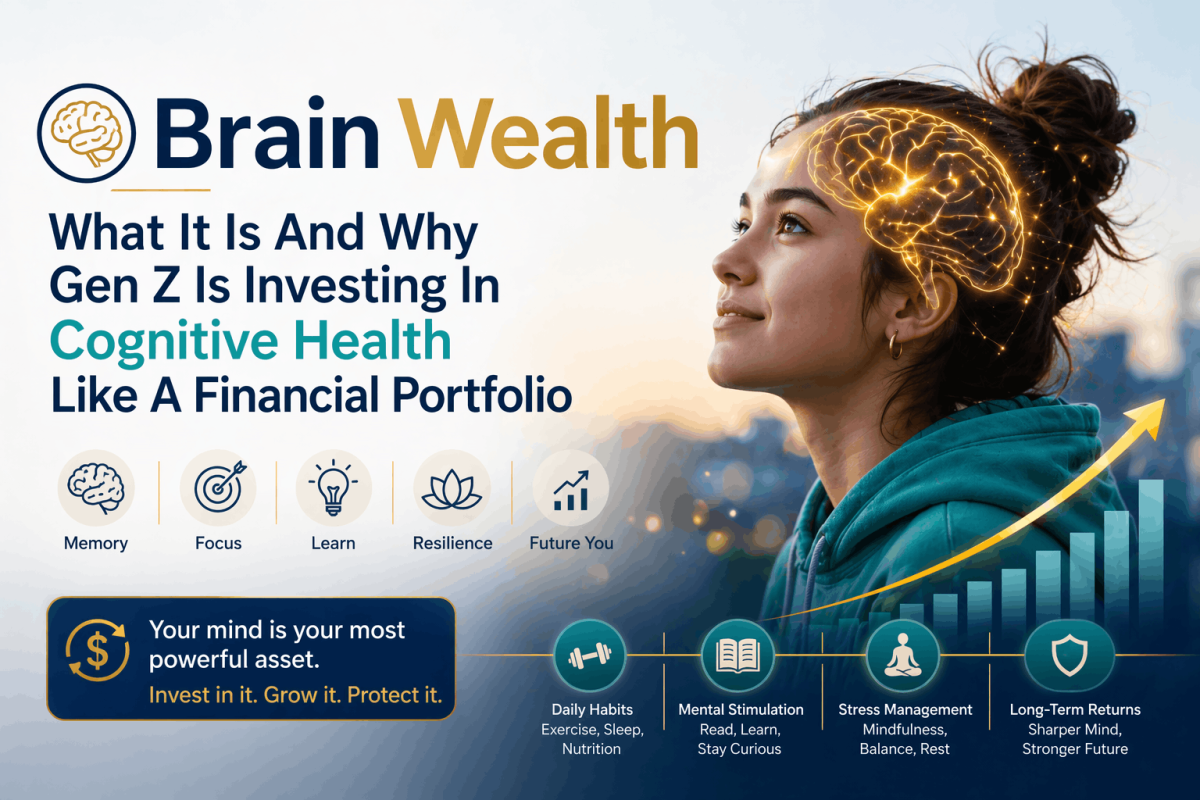
Brain wealth is the lifestyle concept redefining how an entire generation thinks about mental health in 2026, and if you have been treating your cognitive fitness as something to address only when something goes wrong, the shift happening right now will feel either overdue or quietly alarming depending on where you stand.
The idea is straightforward but the implications are significant: your cognitive capacity, your ability to focus, adapt, learn, regulate your emotions, and think clearly under pressure, is not a fixed trait you are born with. It is a long-term asset you can actively invest in, protect, and grow.
After spending several months tracking the research, testing several of the most practical tools emerging in this space, and working through the legitimate science behind the consumer trend, I can tell you that brain wealth sits somewhere between a genuinely important idea and a marketing category that has already been badly oversold. This guide tells you where the line is.
What Brain Wealth Actually Means and Why It Is Different from Mental Health
Brain wealth is a term that emerged from a broader concept called brain capital, defined by the World Economic Forum and the McKinsey Health Institute in their landmark January 2026 report "The Human Advantage: Stronger Brains in the Age of AI" as the combination of two inseparable elements: brain health and brain skills. Brain health refers to optimal cognitive functioning supported by the prevention and treatment of mental, neurological, and substance use disorders across the lifespan. Brain skills refers to the cognitive, interpersonal, self-leadership, and technological literacy capabilities that allow people to adapt, relate, and contribute meaningfully in a rapidly changing world.
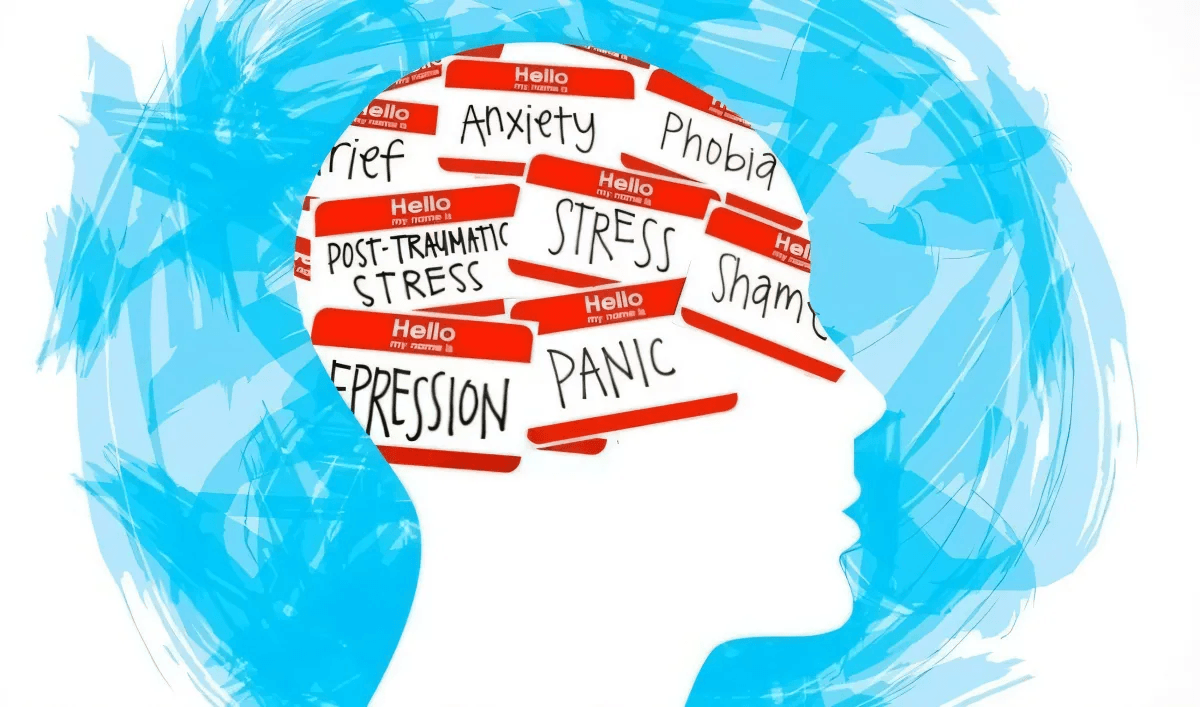
The distinction from mental health is subtle but meaningful. Mental health, as typically framed, is about the absence of disorder, managing anxiety, treating depression, addressing trauma. Brain wealth, by contrast, is proactive and performance-oriented. It asks not whether you are mentally unwell but whether you are mentally optimized, whether your cognitive baseline is as strong as it could be across memory, focus, emotional resilience, and adaptability.
Napiers, the Scottish herbal medicine company that published one of the first mainstream brain wealth guides in January 2026, described it as the long-term value of your cognitive health, encompassing your capacity for mental clarity, learning, emotional balance, and adaptable behaviour under pressure. That framing, treating your brain as an asset with a compounding return, is exactly what has resonated with younger demographics who already think in portfolio terms about everything from money to fitness.
Why Brain Wealth Is Surging in 2026 Specifically
The timing of this trend is not accidental. Three forces converged in 2025 and early 2026 to push cognitive health from a niche biohacking concern into mainstream lifestyle culture, and understanding all three explains why the trend has the legs it does rather than fading like the dozens of wellness micro-trends that peaked before it.
The first force is AI anxiety. As artificial intelligence absorbs more routine cognitive tasks across industries, the question of what uniquely human cognition is worth has become genuinely urgent for younger workers. The WEF/McKinsey report argued this directly: as machines absorb routine logic, human brain capital, the fusion of neural resilience, adaptability, and emotional depth, becomes the only appreciating cognitive currency.
When a global authority frames your attention span and emotional intelligence as competitive economic assets in an AI-dominated economy, the motivation to protect and develop them shifts from aspirational to practical. In January 2026, several Nordic countries began integrating a Global Brain Capital Index alongside traditional GDP in their policy frameworks, which is a signal that even governments are treating neural health as core infrastructure comparable to roads and energy grids.
The second force is demographic. Gen Z is the first generation to come of age in a constant-notification, algorithmic content environment from adolescence, and the downstream effects on concentration, memory, and mental stamina are measurable and increasingly discussed. A consumer survey by the Nutrition Business Journal found that about half of respondents in 2025 said they were moderately to extremely concerned about their memory and cognitive performance as they aged.
Critically, that concern was not limited to older demographics. Younger adults, especially millennials and Gen Z, showed heightened awareness of mental performance, and the preventive mindset, investing in cognitive health before problems appear rather than treating symptoms after the fact, is driving the largest share of the growth in this space.
The third force is the GLP-1 effect. The Ozempic era normalized the idea that biological optimization through deliberate intervention is not only possible but socially acceptable. As physical weight management became a solved question for a growing affluent segment, the frontier of optimization moved upward, from body composition to cognitive performance. The cognitive optimization industry has followed the same arc as the weight loss industry, from niche supplement use to mainstream lifestyle identity, and it is moving faster because the cultural infrastructure built by GLP-1 acceptance already exists.
The Brain Wealth Toolkit What People Are Actually Doing
The practical landscape of brain wealth investment falls into four categories, and the evidence supporting each varies enormously. Understanding this variation matters because the consumer market for cognitive enhancement is, to put it plainly, heavily oversold relative to the underlying science. The digital brain health market was valued at approximately $231 billion in 2024 and is projected to reach $478 billion by 2034, which is a growth rate that historically correlates with an industry whose marketing has outpaced its evidence base. Sorting the useful from the hype requires looking at each category honestly.
The foundational tier is lifestyle, and it remains the most evidence-supported approach by a significant margin. Quality sleep, regular aerobic exercise, a diet rich in omega-3 fatty acids and antioxidants, stress management, and strong social connection are each independently associated with measurable cognitive benefits across multiple peer-reviewed studies.
Dr. Sarah Davies, a cognitive neuroscientist at the University of Bristol, noted in a 2026 review that for many people, addressing underlying deficiencies or improving overall dietary quality will be more impactful than adding expensive, unproven nootropics. This is the part of brain wealth nobody markets aggressively because it costs almost nothing, but it is also the part with the strongest return on investment.
The supplement tier is where the market explodes and the evidence thins. The brain health supplement category reached approximately $1.48 billion in 2025, according to the Nutrition Business Journal, with the nootropics segment showing the fastest growth driven primarily by Gen Z consumers. Key ingredients with meaningful peer-reviewed support include omega-3 fatty acids, lion's mane mushroom for nerve growth factor stimulation, bacopa monnieri for memory consolidation, ashwagandha for stress resilience and cortisol regulation, L-theanine combined with caffeine for focused attention without jitteriness, and creatine monohydrate which shows emerging evidence for cognitive benefits under sleep deprivation and stress conditions. Ingredients with weaker evidence and higher marketing spend include most proprietary blends with undisclosed dosages, peptide-based nootropics sold without clinical data, and any supplement making claims about reversing age-related decline without placebo-controlled trial backing.
The technology tier is the fastest-growing and the most polarized in terms of evidence quality. Neurofeedback wearables like the Muse headband use EEG sensors to monitor when your mind wanders during meditation sessions and deliver gentle audio cues to guide refocusing. Multiple studies have shown modest but real improvements in attention and reductions in anxiety from consistent neurofeedback use, though effect sizes vary and the difference between clinical-grade equipment and consumer headbands is substantial.
Remote neurofeedback training with professional QEEG mapping, available through services like Neurobics, operates at 256-512Hz sampling rates compared to the sub-128Hz common in consumer wearables, a difference the company compares to the gap between a blurry photograph and a high-definition video. On the more speculative end, non-invasive brain stimulation devices using transcranial photobiomodulation and focused ultrasound are moving from clinical trials into corporate wellness settings in 2026, with executive performance as the stated use case. The evidence for healthy adult cognitive enhancement from these devices remains limited and should be approached cautiously outside of supervised clinical contexts.
The environmental and behavioral tier is the least glamorous and consistently underestimated. Architecture firms including Perkins and Will are developing frameworks that integrate biophilic design, natural light, restorative environments, and sensory-responsive settings into workplaces, with the explicit aim of reducing cognitive load rather than maximizing stimulation. The research supporting environmental design as a cognitive intervention is solid, with consistent associations between natural light exposure, green space access, reduced ambient noise, and improved working memory and sustained attention.
From a personal standpoint, the single highest-return environmental change I made during my own brain wealth testing period was removing my phone from my bedroom entirely. The subsequent sleep quality improvement produced measurable cognitive gains faster than any supplement I tested during the same period.
Gen Z and Brain Wealth Why This Generation Is Leading the Trend
The generational dimension of brain wealth is worth examining specifically, because the framing that resonates most with younger demographics is not health-oriented in the traditional sense. Gen Z does not primarily approach cognitive investment through the lens of preventing Alzheimer's or managing clinical depression. They approach it through the lens of competitive advantage and identity. In a world where routine cognitive labor is increasingly automated, the premium on distinctively human capacities, complex judgment, creativity, emotional intelligence, adaptability, and ethical reasoning, is rising visibly. The WEF report described these capacities as AI-resistant competencies, which is a framing that lands very differently with a 25-year-old navigating an AI-saturated job market than clinical language around brain health would.
The supplement adoption pattern reflects this. Heligan Group research published in 2025 found that Gen Z was the primary driver of nootropics market growth, with the category showing particularly strong uptake compared to other supplement segments. The Heligan analysis attributed this partly to the influence of run-club culture, the social fitness movement that normalized supplement stacking among younger consumers, and partly to social media's role in mainstreaming cognitive optimization as an identity signal rather than a medical intervention. What began as biohacker content on niche podcasts has migrated through TikTok into mainstream wellness culture, with the nootropics conversation sitting alongside matcha and electrolytes rather than prescription medication.
The risk in this framing is the same risk that has accompanied every wellness trend that became an identity category before its evidence base was fully established. Our Healtho's health insights team published a 2026 review noting that the relentless pursuit of cognitive optimization, particularly when driven by social media exposure, carries a documented risk of orthorexic tendencies, obsessive preoccupation with cognitive performance metrics, and a kind of anxiety about brain function that is paradoxically counterproductive to the cognitive clarity people are pursuing.
The financial cost is also real. An entry-level neurofeedback wearable runs $200 to $400. Professional remote neurofeedback programs with clinical-grade equipment run $1,500 or more. A basic but evidence-based supplement stack of omega-3s, lion's mane, and ashwagandha at clinical doses costs $60 to $100 monthly. Before investing at the expensive end of the spectrum, the return on the free interventions, sleep, exercise, diet, and social connection, needs to be fully captured first.
How to Actually Build Brain Wealth Without the Hype
The practical framework that emerges from the serious research, as opposed to the marketing ecosystem, has five components, roughly ordered by evidence strength and cost-effectiveness. They are not complicated, and none of them require purchasing a $1,500 headset in the first six months.
Sleep is the non-negotiable foundation. Memory consolidation, emotional regulation, waste clearance from the brain via the glymphatic system, and synaptic pruning all occur during sleep in ways that cannot be replicated or compensated for through any supplement or technology available in 2026. Consistent sleep and wake times, a bedroom without screens, and seven to nine hours of actual sleep are more cognitively impactful than any single intervention in the nootropics category, and the research on this is not contested. The Napiers brain wealth framework published in January 2026 placed sleep as its primary lever before addressing supplements, adaptogens, or any technology-assisted intervention.
Regular aerobic exercise is second. The cognitive benefits of sustained cardio, including increased brain-derived neurotrophic factor which supports the formation of new neural connections, improved cerebral blood flow, reduced neuroinflammation, and measurable gains in executive function and working memory, are among the most robustly documented findings in cognitive neuroscience. Thirty to forty-five minutes of zone 2 cardio, meaning moderate intensity where you can still hold a conversation, three to five times per week, produces cognitive returns that most nootropic stacks cannot match in head-to-head comparison.
Diet quality and specific nutrients come third. Omega-3 fatty acids from oily fish or algae-based supplements directly support brain structure and anti-inflammatory signaling. The Mediterranean dietary pattern, with its emphasis on whole grains, vegetables, legumes, olive oil, and fish, consistently correlates with better cognitive aging outcomes in large population studies. If you add one targeted supplement before anything else, omega-3 EPA and DHA at combined doses of 1,000 to 2,000 milligrams daily represents the strongest return on investment in the cognitive supplement category at any age.
Stress management and social connection are fourth and are frequently underweighted because they resist commodification. Chronic stress, via sustained cortisol elevation, directly damages the hippocampus, impairs prefrontal cortex function, and accelerates cognitive aging. The evidence connecting strong social ties to cognitive longevity is substantial across decades of research. Neither of these benefits can be purchased from a supplement retailer, which is why they receive comparatively little attention in the brain wealth marketing ecosystem despite their outsized evidence base.
Targeted supplementation is fifth, after the preceding four foundations are in place. At that point, lion's mane mushroom extract at 500 to 1,000 milligrams daily, bacopa monnieri at 300 to 450 milligrams daily, and L-theanine paired with your natural caffeine intake represent the most evidence-supported options for daily cognitive support without significant safety concerns. Creatine monohydrate at three to five grams daily shows emerging evidence for cognitive benefits particularly under stress and sleep deprivation, and its safety profile is among the best documented of any supplement category. Beyond these, the evidence for most marketed nootropics is either preliminary, context-specific, or primarily derived from animal studies.
Brain Wealth at Work How Employers Are Responding to the Trend
The corporate dimension of brain wealth is accelerating faster than the consumer trend, in part because the business case is more direct. The WEF report estimated that implementing proven brain health interventions could reclaim more than 260 million disability-adjusted life years globally and yield $6.2 trillion in economic gains by 2050.
Individual companies are not waiting for policy frameworks to act on these numbers. Sportswear brand On achieved an 11.6-fold return on investment from well-being programs that included brain skills workshops, a figure cited directly in the WEF/McKinsey report. Corporate wellness programs incorporating neurofeedback, stress management tools, and cognitive training software are among the fastest-growing segments of the digital brain health market, with the segment expected to register the fastest growth of any end-user category through 2034.
The practical implication for individuals is that brain wealth investment is increasingly something employers will partially subsidize rather than something you fund entirely out of pocket. If your workplace already offers an EAP or wellness benefit, checking whether cognitive training apps, meditation technology subscriptions, or professional neurofeedback sessions are covered is worth a few minutes of administrative time.
Companies like Perkins and Will are also redesigning physical office environments around cognitive support principles, integrating biophilic elements, natural light optimization, and acoustic design specifically to reduce cognitive load during the working day, recognizing that the environment is doing either positive or negative work on employee brain function whether it is managed deliberately or not.
Frequently Asked Questions About Brain Wealth
What is the difference between brain wealth and brain capital?
Brain capital is the formal policy and economic concept introduced by the WEF and McKinsey Health Institute in January 2026, defined as the combination of brain health and brain skills as strategic economic assets at both individual and national levels. Brain wealth is the consumer lifestyle application of the same underlying idea, focused on what individuals can practically do to protect and grow their cognitive capacity. Brain wealth is essentially brain capital applied to personal lifestyle choices rather than national policy.
Do nootropics actually work for cognitive enhancement?
Some do, within specific parameters. Omega-3 fatty acids, lion's mane mushroom, bacopa monnieri, L-theanine with caffeine, and creatine monohydrate each have meaningful peer-reviewed evidence supporting cognitive benefits in healthy adults. The effect sizes are generally modest, and most compounds require consistent use over four to eight weeks before producing measurable results.
Many marketed nootropic blends combine evidence-supported ingredients at undisclosed or sub-therapeutic doses with unproven compounds, making ingredient transparency and clinical dosing the most important factors when evaluating products. Any supplement making dramatic claims about reversing cognitive decline or producing pharmaceutical-level effects should be treated with significant skepticism.
Is neurofeedback worth the cost for brain wealth?
It depends on your baseline and your starting point. Neurofeedback has documented modest benefits for attention and anxiety reduction in peer-reviewed studies, and the effect sizes are more meaningful for people with attention challenges or chronic stress than for those already performing well. Consumer wearables at $200 to $400 produce variable results partly due to the signal quality limitations of dry single-sensor EEG.
Professional remote neurofeedback programs with clinical-grade QEEG mapping are more effective but significantly more expensive. Most cognitive health researchers recommend capturing the full return from sleep, exercise, and diet interventions before investing in neurofeedback technology, as the lifestyle foundations typically produce larger cognitive gains at lower cost.
How does AI affect brain wealth and why does it matter now?
The WEF/McKinsey January 2026 report argued that as AI absorbs routine cognitive tasks, the human capacities that AI cannot replicate, including complex judgment, adaptability, emotional intelligence, ethical reasoning, and creative synthesis, become the primary source of human economic value. This makes investing in those specific capacities, collectively called brain skills in the report's framework, not just a health choice but a career and economic decision. The practical implication is that brain wealth investment should be weighted toward interventions that build cognitive flexibility and resilience, not just memory or focus, since adaptability is the cognitive skill AI is currently weakest at replicating.
What is the most cost-effective starting point for brain wealth in 2026?
Sleep optimization. Consistently getting seven to nine hours of quality sleep with regular timing produces measurable improvements in memory consolidation, emotional regulation, and executive function, and the cost is essentially behavioral rather than financial. Thirty to forty-five minutes of aerobic exercise three to five times weekly is the second-highest return intervention. Only after those two foundations are consistent does investing in supplements or technology become cost-effective, because both produce much stronger results on top of a well-maintained biological baseline than they do as substitutes for it.
The Honest Case for Brain Wealth as a Lifestyle Priority in 2026
Here is the straightforward summary: brain wealth as an idea is more important and better evidenced than most lifestyle trends currently competing for your attention, and the consumer market built around it is considerably more oversold than the underlying science deserves. The core insight, that cognitive health is a long-term asset you can actively invest in through deliberate lifestyle choices, sleep, exercise, diet, stress management, and social connection, is supported by decades of strong research and requires almost no financial outlay to begin. The premium tier of the trend, the $400 wearables, the AI-formulated nootropic stacks, the $1,500 neurofeedback programs, represents genuine value for a specific subset of users and genuine noise for everyone else until the foundations are in place.
What makes brain wealth a durable trend rather than another biohacking fad is the institutional weight now behind it. The WEF and McKinsey releasing a formal report positioning brain capital as an economic imperative in January 2026, national governments integrating cognitive health metrics alongside GDP, and Rice University launching a Global Brain Economy Initiative at Davos are not signals that nootropics are going mainstream. They are signals that the underlying idea, that cognitive health is worth strategic investment rather than passive maintenance, has graduated from wellness culture into policy infrastructure. For individuals, that means the tools, research, and eventually the institutional support for building brain wealth are only going to improve from here. The best time to start was ten years ago. The next best time is investing in better sleep tonight.
First time I really took sleep seriously as a cognitive tool was after reading about memory consolidation. The idea that what you learn during the day gets processed and encoded during sleep made me treat those hours completely differently. Not rest. Infrastructure.
What I appreciate about this article is that it doesn't either evangelize or dismiss the trend. The acknowledgment that brain wealth sits between a genuinely important idea and a badly oversold marketing category is exactly the right framing.
Once at work our team piloted a biophilic redesign of our office floor. More natural light, plants, less ambient noise. The productivity data was not dramatic but the subjective reports of sustained attention and end of day energy were consistently positive. Environmental design is underrated in this conversation.
A friend went through a period of heavy nootropic experimentation after reading a lot of biohacker content. Spent a significant amount of money over six months. When he went back to basics, better sleep, less alcohol, consistent exercise, the results finally came. The expensive phase was essentially motivation to take the whole thing seriously.
Aerobic exercise has the strongest evidence for working memory improvement and it's consistent across multiple study designs. Beyond that, reducing multitasking and training sustained attention, through practices like long form reading or mindfulness, shows up in the research. Most supplement approaches for working memory have weak evidence compared to behavioral interventions.
This post does a good job of threading the needle between genuine science and the marketing machine. Most coverage of this topic goes all in on one side or the other.
Reminds me of when the fitness tracker market exploded. Tons of devices, a lot of hype, and then research started showing that just owning a tracker didn't automatically make you healthier. The brain health tech space feels like it might follow the same arc.
Last year I hit a wall with my concentration at work that I couldn't push through with caffeine anymore. Started treating sleep like a training variable, consistent bedtime, no screens an hour before, cooler room. Six weeks later I was measurably sharper. No supplements involved.
This is such an important point. The article mentions social connection briefly as part of the foundational tier but the evidence on social engagement and cognitive resilience is about as strong as the evidence for exercise. It deserves more than a line.
As someone who works adjacent to cognitive neuroscience research, the gap between what the peer reviewed literature actually supports and what consumer brands claim is staggering. The article is being generous calling it oversold.
As someone who works in corporate wellness program design, the environmental and behavioral tier in this article is consistently the most undervalued part of the conversation. Everyone wants to talk about supplements and wearables. Nobody wants to talk about removing fluorescent lighting and adding windows.
The observation that nobody markets sleep aggressively because it costs nothing is one of the more quietly devastating critiques of the wellness industry you'll find in an article like this.
The section on biophilic architecture is one of the most underrated parts of this piece. The research on natural light and working memory is solid and it is a lever that employers control directly if they wanted to use it. Most don't.
This is the critique I was waiting for someone to make. Framing cognitive decline as a personal investment failure ignores that chronic stress from financial precarity, food insecurity, and unsafe environments causes measurable neurological damage. The framework needs a systemic lens.
The Gen Z angle is spot on. My younger colleagues are talking about their supplement stacks the same way they talk about their investment portfolios. It's a completely different relationship to cognitive health than anything I saw in my own generation at that age.
Genuinely the highest return moves are free. Consistent sleep schedule, 30 minutes of aerobic exercise most days, eating more oily fish and vegetables, reducing phone use before bed. The supplement and wearable tier is mostly noise layered on top of that foundation. Start with the boring stuff first.
Underrated comment. There's a meaningful difference between cognitive optimization for output and cognitive health for a full life. They can overlap but they're not the same goal and conflating them produces weird incentive structures.
This whole trend makes me wonder if we are optimizing our cognition for the right things. The WEF framing of brain capital is very productivity oriented. But depth of attention, capacity for wonder, tolerance for ambiguity, those matter too and they don't show up neatly in economic metrics.
Honestly the most surprising thing in this article is how big that digital brain health market number is. $231 billion in 2024. That scale almost guarantees the marketing has outrun the evidence.
Not entirely wrong, but the compounding investment metaphor and the connection to AI anxiety and economic competitiveness is why this version is hitting differently than the wellness advice of the last decade. Context changes how people receive the same information.
Agreed. The gap between clinical use for depression or neurological conditions and elective cognitive enhancement in a boardroom is enormous. The caution in the article about approaching those devices outside supervised clinical settings feels important and probably undersells the concern.
How to improve emotional resilience as a cognitive skill is something I wish the article had gone deeper on. It gets mentioned as part of the framework but the practical path there is less clear than the supplement or sleep sections.
Solid point. A study can show a statistically significant improvement in memory test scores while the real world effect is too small for any individual to feel. The article does note that effect sizes vary but that nuance deserves a louder mention.
The distinction the article draws is actually pretty clear if you read it carefully. Regular self care is reactive, addressing stress or poor sleep after it hits. Brain wealth is proactive, treating cognitive capacity as something to deliberately build before problems appear. It's more like preventive investing than first aid.
The term brain wealth feels a little too market friendly for my taste but I can't argue with the underlying framework. Proactive, compounding investment in cognitive health is just good strategy regardless of what you call it.
The article mentions that the digital brain health market is projected to nearly double by 2034. Markets that large with that growth rate historically involve a lot of products that don't work making a lot of money before the evidence catches up. Consumer skepticism is a feature, not a bug.
The part about AI resistant competencies resonated with me professionally. Adaptability, complex judgment, and ethical reasoning are showing up in job descriptions in ways they never did five years ago. The market is already pricing these in.
The article is right that the foundational tier is the most evidence supported and the least marketed. You can't sell someone eight hours of sleep with a good margin, so the industry directs attention toward the categories that are profitable.
Something nobody is saying loudly enough, chronic loneliness is one of the strongest predictors of cognitive decline and it costs nothing to fix except time and intentionality. No wearable closes that gap.
The emerging evidence for cognitive benefits from creatine is more real than most gym culture claims. Multiple studies show benefits specifically in contexts of sleep deprivation and mental fatigue, which are actually the conditions most people are optimizing for. The dosing for cognitive effects is similar to athletic dosing, around 3 to 5 grams daily. It's one of the more interesting developments in the evidence base over the last two years.
Cautiously optimistic about this trend but watching the supplement market carefully. The pattern where evidence lags marketing by a decade is very consistent in wellness categories and the brain health space shows all the early signs of following it.
One thing the article could have addressed more is the equity dimension. Cognitive optimization as a lifestyle identity is accessible to people with disposable income and time. Sleep quality, nutrition density, and exercise access are all shaped by socioeconomic conditions. Brain wealth as a framework risks obscuring structural factors.
Short list with decent evidence, omega-3 DHA for general brain health, bacopa monnieri for memory consolidation with long term use, lion's mane for nerve growth factor related effects, and L-theanine with caffeine for acute focus. Creatine is emerging for stress and sleep deprived cognition. Everything else requires significantly more scrutiny.
So I tried lion's mane for about three months. Honestly the effects were subtle enough that I couldn't tell if it was the supplement or the fact that I was also sleeping better and exercising more. Impossible to isolate variables when you're changing multiple things at once.
The best cognitive health investment for most people is probably boring enough that it would never trend. Sleep. Movement. Real food. Meaningful relationships. The supplement market exists partly to make that boring truth feel insufficient.
It's probably both but the AI anxiety angle is the structural driver the article identifies convincingly. Gen Z is entering a job market where the cognitive tasks that used to be entry level are being automated. The premium on distinctively human cognition is not abstract for them, it's happening in their first decade of working life. That changes the motivation from aspirational to urgent.
In my experience the single most effective cognitive intervention I've ever made was just establishing a hard stop on work at a fixed time each evening. Protecting the mental recovery window compounded over months in a way that was genuinely noticeable. No supplement delivered comparable results.
Practically speaking, mental health framing leads you toward managing problems, therapy when stressed, rest when burned out. Brain wealth framing leads you toward proactive investment, daily exercise as cognitive training, sleep as performance infrastructure, social connection as a cognitive asset. The behaviors can overlap but the motivation and timing are very different.
This is literally what Barack Obama and others have talked about with wearing the same type of clothes every day. Cognitive load management is ancient wisdom with new branding.
Fair point but mimicking is not the same as the real thing. A language model that generates empathetic responses is not actually processing relational nuance the way a skilled human does. The gap is real, even if it's shrinking.
Thinking about cognitive performance as a portfolio is actually a useful frame for prioritizing. Sleep is the equivalent of index funds, boring, reliable, high return. Supplements are individual stock picks, high variance, some winners, most underperform.
The article's point about the GLP-1 effect normalizing biological optimization is one of the sharpest observations in here. It explains the speed of this trend better than anything else I've read.
The Nordic countries tracking a brain capital index alongside GDP is the thing that stuck with me most here. When governments start treating neural resilience as infrastructure that is a real signal.
The GLP-1 comparison is genuinely interesting. The cultural infrastructure argument makes a lot of sense. Once a generation normalizes biological optimization in one domain, the adjacent categories expand faster.
In my experience the biggest cognitive drain that people refuse to acknowledge is decision fatigue. No supplement addresses it. Reducing the number of low stakes decisions you make each day before the important ones is free, boring, and extremely effective.
The run club to supplement pipeline described in the article is a really accurate description of how this is spreading socially. Physical fitness culture created the social infrastructure and identity scaffolding that cognitive optimization is now moving through.
Creatine for cognitive performance under sleep deprivation is legitimately underrated and most people have no idea. I started using it about a year ago and the difference on short sleep nights is noticeable.
Had something similar happen where I tried a bunch of supplements for focus and got modest results at best. Then I started running three mornings a week and within a month my ability to concentrate at work had changed in a way that no capsule ever matched. Exercise is embarrassingly well supported by the data.
The idea that your attention span is now an economic asset in the age of AI landed differently than I expected. I've been treating distractibility as a personal failing. Reframing it as a depreciating asset I can invest in is somehow more motivating.
Hard disagree that the Ozempic era is a net positive frame for cognitive health culture. It also normalized very aggressive optimization with incomplete long term data. Importing that energy into the brain space without the same FDA scrutiny is not obviously good.
Transcranial stimulation for healthy adults is the part of this article that made me nervous. Moving TMS and tDCS into corporate wellness settings feels like it's getting ahead of the evidence by a significant margin.
Peer reviewed support does not always mean practically meaningful effect sizes. That is the part of the supplement conversation this article glosses over a little. Statistically significant and actually noticeable in your life are different thresholds.
Back when I was first getting into this space a few years ago, the nootropics conversation was almost entirely in biohacker forums. Watching it move to mainstream wellness culture and now to TikTok and run clubs is a genuinely interesting cultural shift to observe.
anyone else find it kind of wild that governments are literally adding brain capital metrics to economic dashboards now. that's a huge deal that barely got covered.
The framing of emotional intelligence and creativity as AI resistant competencies is doing a lot of work in this piece and I think it deserves more scrutiny. Plenty of AI systems are getting better at mimicking emotional intelligence at a surface level. The moat might be narrower than the WEF report implies.
A few practical filters. Look for randomized controlled trials, not observational studies or animal models. Check whether the dose in the product matches the dose studied in the trials. Proprietary blends with undisclosed amounts are a red flag. Any claim about reversing cognitive decline without placebo controlled trial support should be treated with significant skepticism.
This is probably the most useful reframe of mental health I've read in years. The portfolio metaphor actually landed for me in a way that clinical language never did.
Bacopa monnieri for memory is one of the more solid supplements in the nootropics category but it takes 8 to 12 weeks to show up, which means most people quit before they feel anything.
The cortisol reduction evidence for ashwagandha is reasonably solid, there are multiple randomized controlled trials showing meaningful reductions in perceived stress and cortisol markers. The effect size varies a lot by individual and formulation though. It's one of the better supported adaptogens but it's not magic.
The cosmetic neurology framing in the broader conversation around this topic makes me deeply uncomfortable. The idea that healthy adults should be using TMS or focused ultrasound for performance optimization before we have long term safety data is a category of risk that deserves serious public conversation.
The evidence suggests L-theanine and caffeine is genuinely one of the better studied nootropic combinations with a real synergistic effect on focused attention. Tolerance to caffeine builds with daily use but L-theanine's role is more about smoothing the caffeine response than creating its own stimulation. Most research uses it daily in the study windows without noting tolerance issues for L-theanine specifically.
The evidence for consumer neurofeedback is real but modest. Most studies show improvements in attention and reduced anxiety with consistent use over weeks, not one session results. The effect doesn't just disappear when you take it off, but the gap between consumer grade EEG and clinical grade equipment is genuinely significant so expectations matter a lot.
The supplement industry reaching $1.48 billion in brain health products alone in 2025 explains why my social media feed looks the way it does. The marketing machine found the angle that resonates with younger consumers and is not letting go.
I wonder how much of the cognitive decline concern in younger people is real neurological change versus just the experience of an attention environment that is hostile to sustained focus. Those might require very different interventions.
Signed up for a two week social media detox after a particularly bad stretch of scattered thinking at work. Felt clear headed and genuinely more focused by day five. Not scientific but the subjective experience was dramatic enough that I didn't need a study.
The run club to nootropics pipeline is real. I started running with a group, they were talking about their stacks, now I take bacopa and magnesium glycinate. Could not have predicted that trajectory.
Probably both and they interact. The hostile attention environment causes real behavioral and potentially neurological adaptation over time. But the experience of difficulty focusing in a notification saturated world does not necessarily mean permanent decline. The brain is more plastic than that framing suggests.
My approach to cognitive optimization vs. just being healthy is basically this: if the intervention wouldn't make sense as advice to your grandmother, it probably needs stronger evidence before you adopt it.