Does this approach have any specific guidance for people over 60? Circadian rhythms and sleep patterns change with age and I wonder if the same window timing applies.
19
Sign up to see more
SignupAlready a member?
LoginBy continuing, you agree to Sociomix's Terms of Service, Privacy Policy

Does this approach have any specific guidance for people over 60? Circadian rhythms and sleep patterns change with age and I wonder if the same window timing applies.
Night eating syndrome and circadian eating misalignment feels like a connection this article only brushes. For people with clinical patterns of night eating the timing piece is genuinely therapeutic, not just optimization.
What is the film's actual runtime after all the editing, because I read reports about it being cut from four hours down and I want to know what we are actually getting?
My issue with the post is it presents confirmed details confidently that are not actually confirmed. There is a difference between hype writing and accurate reporting and this leans hard into the former.
The manhwa world exploded when Solo Leveling first introduced us to Sung Jinwoo's journey from the weakest hunter to humanity's strongest defender. Now, Solo Leveling Ragnarok brings a fresh perspective to this beloved universe, and fans everywhere are asking the same questions. Can the sequel live up to the original? Do you need to read Solo Leveling first? What makes this continuation worth your time? This guide covers everything you need to know about Solo Leveling Ragnarok, whether you're a longtime fan or someone curious about jumping into the series Solo Leveling Ragnarok is not a reboot or alternate timeline. This is a direct sequel that continues the story years after the original series concluded. The protagonist shifts from Sung Jinwoo to his son, Sung Suho, who must forge his own path in a world still recovering from the catastrophic events his father prevented.

Speaking as someone who got into manhwa through anime adaptations, the upcoming ORV anime announcement has brought a huge wave of readers to the source material and regression genre recommendations are everywhere right now.
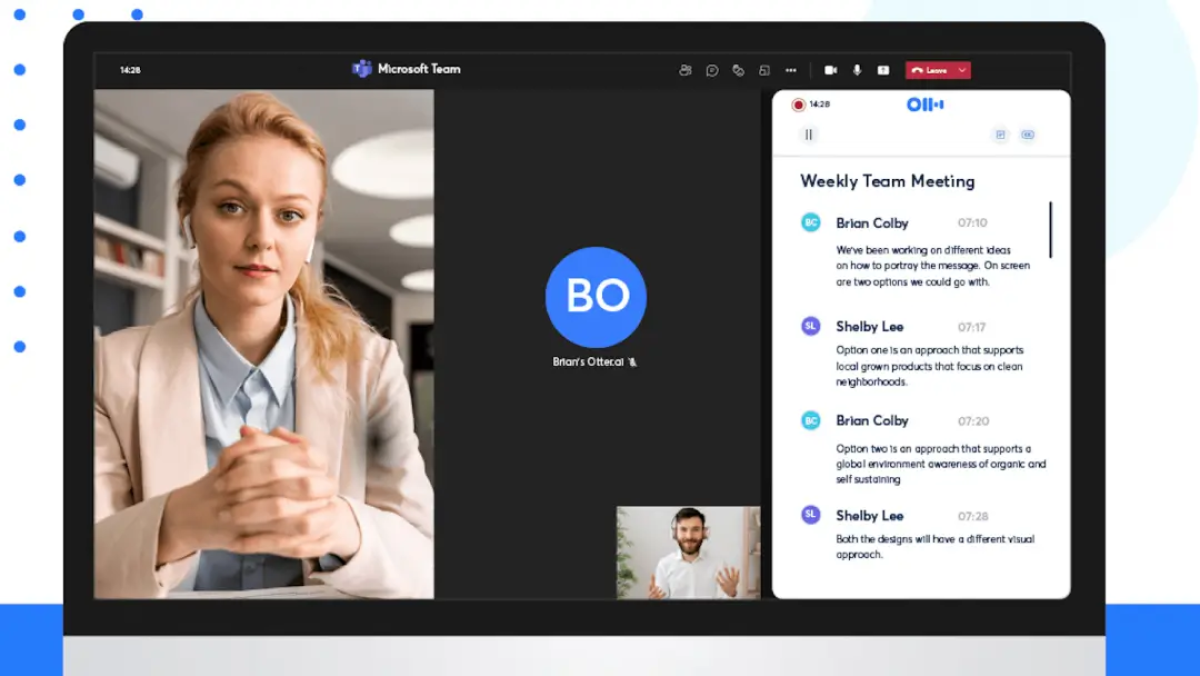
As someone who recently switched from a competitor, the real-time aspect of Otter is what differentiates it. Seeing the transcript appear as people speak during the live call, not just as a post-meeting artifact, is genuinely more useful.
Second Life Ranker's pocket watch mechanic is clever, but framing it as regression-adjacent seems like a stretch. The protagonist never personally experienced those events, so the emotional register is fundamentally different.
Knowledge workers spend an average of 18 hours per week in meetings. Much of that time involves routine status updates, recurring check-ins, and informational sessions where your physical presence adds minimal value. Otter.ai introduced a provocative concept called OtterPilot: an AI assistant that joins meetings autonomously when you can't attend, records everything, generates summaries, and answers questions about what happened. Connect Otter.ai to your calendar. The system monitors your scheduled meetings and automatically joins Zoom, Google Meet, or Microsoft Teams calls when they start. OtterPilot records audio, generates real-time transcripts, identifies speakers, and creates AI summaries with action items. You receive a meeting briefing without attending the meeting yourself.
What gets me is the social clip generation. The idea that a 45-minute recording automatically becomes 10 platform-specific clips with captions and proper framing is the kind of thing that used to require a dedicated repurposing tool on top of your editor.
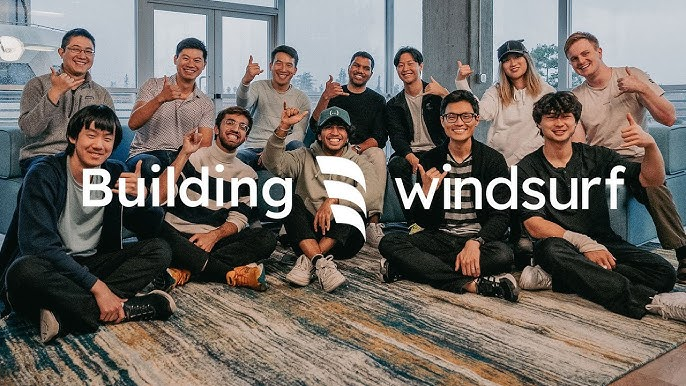
Developers have a new anxiety in 2026: token anxiety. You're in the middle of debugging a complex problem, the AI is helping you refactor three files simultaneously, and suddenly you wonder if this session is about to cost you $50. That mental tax slows you down and makes you second-guess using the tool you're paying for. Windsurf eliminated that anxiety with a simple decision: flat monthly pricing with no token limits. Fifteen dollars per month. Unlimited usage. No tracking credits or calculating costs per query. That pricing model sounds almost boring compared to the complex token systems other AI coding tools use, but boring is exactly what professional developers want when it comes to pricing. They want predictable costs and unlimited usage so they can focus on writing code instead of budgeting AI queries.
The Instagram Plus subscription test that started recently alongside this update is worth watching. If comment editing ends up being locked behind a paywall in a year nobody will be surprised.
The timeline issue is the thing I keep coming back to. Three to five years to first production silicon. The AI field moves so fast that what makes sense to optimize for today might be completely irrelevant by 2029. How do you even design for that uncertainty?
Something worth noting that the article did not cover is how Anthropic briefly topped the App Store on Claude downloads after the Pentagon blacklisting situation. The AI app rankings right now are almost more of a news cycle indicator than a product quality indicator.
The CUDA lock-in point is so real. Speaking from experience in ML infrastructure, migrating workloads away from CUDA is genuinely painful even when the alternative hardware is technically superior. It is not a hardware problem, it is a software ecosystem problem.
Adding a waist belt could give this dress even more structure. I have a similar style and love accessorizing it different ways