Circadian rhythm diet benefits vs calorie restriction outcomes is a comparison I would love to see in a long-term study. Most of the trials I can find are 4 to 12 weeks, which is fine for markers but says nothing about 2 year outcomes.
8
Sign up to see more
SignupAlready a member?
LoginBy continuing, you agree to Sociomix's Terms of Service, Privacy Policy

Circadian rhythm diet benefits vs calorie restriction outcomes is a comparison I would love to see in a long-term study. Most of the trials I can find are 4 to 12 weeks, which is fine for markers but says nothing about 2 year outcomes.
This is a legitimate gap in the literature. The short trial length is a consistent criticism of chrononutrition research right now.
Antoine Fuqua getting Colman Domingo and Jaafar Jackson both delivering at this level in the same film is an achievement regardless of script quality. Two first-rate performances do not happen by accident.
Regardless of what you think about how the estate has controlled this narrative, the fact that Jaafar closed the Hollywood premiere by saying he hoped his uncle was smiling from above is genuinely moving. That is not a publicist's line.
This is the clearest possible example of why critic scores and audience satisfaction are measuring completely different things and why both metrics are legitimate depending on what you are looking for.
I work in literary translation and the ghostwriting premise is doing something quite clever because it puts language itself at the center of a romance story. Who speaks for whom and whether borrowed words can still carry real feeling are questions with serious literary history behind them.
Solo Leveling being the first manhwa adaptation to win anime of the year is proof the genre has fully arrived. ORV has the narrative depth to go even further if the adaptation respects it.
The designer-developer relationship has been tense for decades. Designers create pixel-perfect mockups in Figma. Developers translate them to code and somehow everything looks slightly wrong. Fonts don't match. Spacing is inconsistent. Buttons have different corner radiuses. Both sides get frustrated, blame each other, and the product suffers. V0 by Vercel is fixing this problem by generating production-quality React components that look exactly like the designs. The rebrand from v0.dev to v0.app in January 2026 signaled expanded ambitions beyond just UI component generation. Vercel positioned the tool for full-stack web development, though its core strength remains frontend excellence. That strategic clarity matters because trying to be everything often means excelling at nothing. V0 chose to dominate the handoff between design and code before expanding into other areas.
My designer literally sent me a Figma frame last month with a sticky note that said please do not destroy this. That relationship needs all the help it can get.
50 programming languages is impressive on paper but how deep is the actual capability in each one? Being able to write Python well and being able to write Rust well are not even remotely the same challenge.
The credit system is a real problem that the article completely ignores. You burn credits when the AI makes a mistake, which means you are literally paying for its errors. That is a sketchy business model.
For what it's worth, I tried Codex after Altman bragged about 3 million weekly users and then went straight back to Claude Code within two days. The gap in output quality for complex multi-file projects is still meaningful.
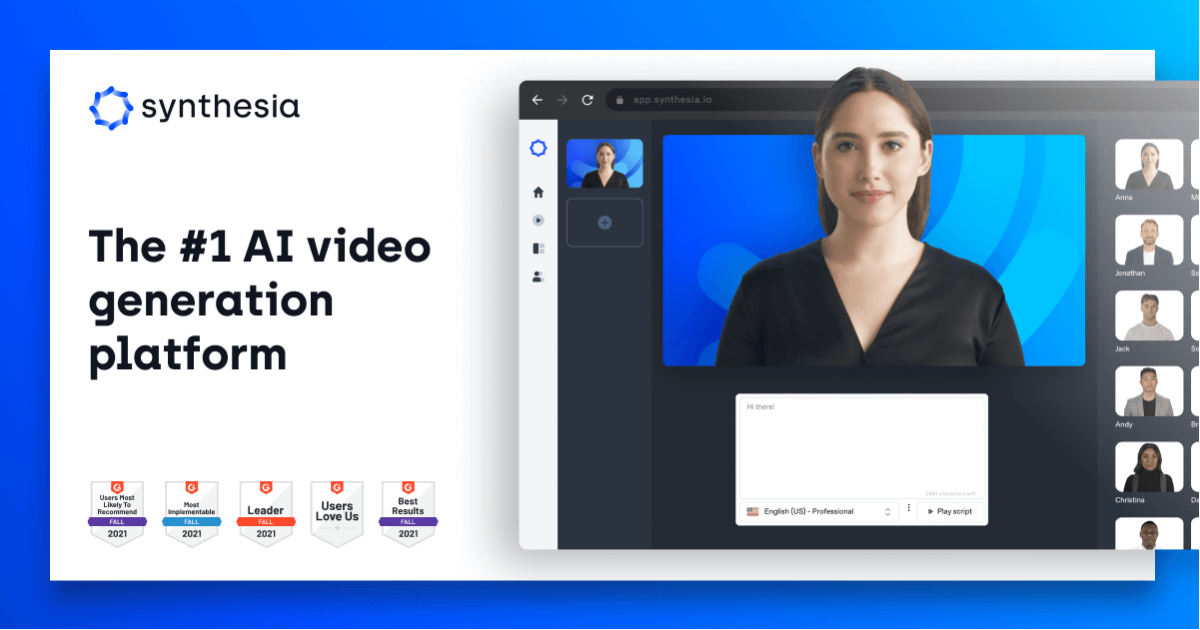
When a company raises $200 million in Series E funding during January 2026, investors are betting on more than potential. They're backing proven market demand and sustainable growth. Synthesia's funding round came alongside a 44% year-over-year increase in headcount to 706 employees, signaling aggressive expansion in a category the company essentially created: AI avatar-based video generation for enterprise training and communications. Corporate training videos have been expensive and slow to produce for decades. Recording a single 10-minute training module traditionally required booking a studio, hiring a presenter, scheduling a videographer, managing multiple takes, and editing everything together. If you needed to update information or translate content, you essentially started over. Synthesia eliminated this entire production workflow by replacing human presenters with AI avatars.
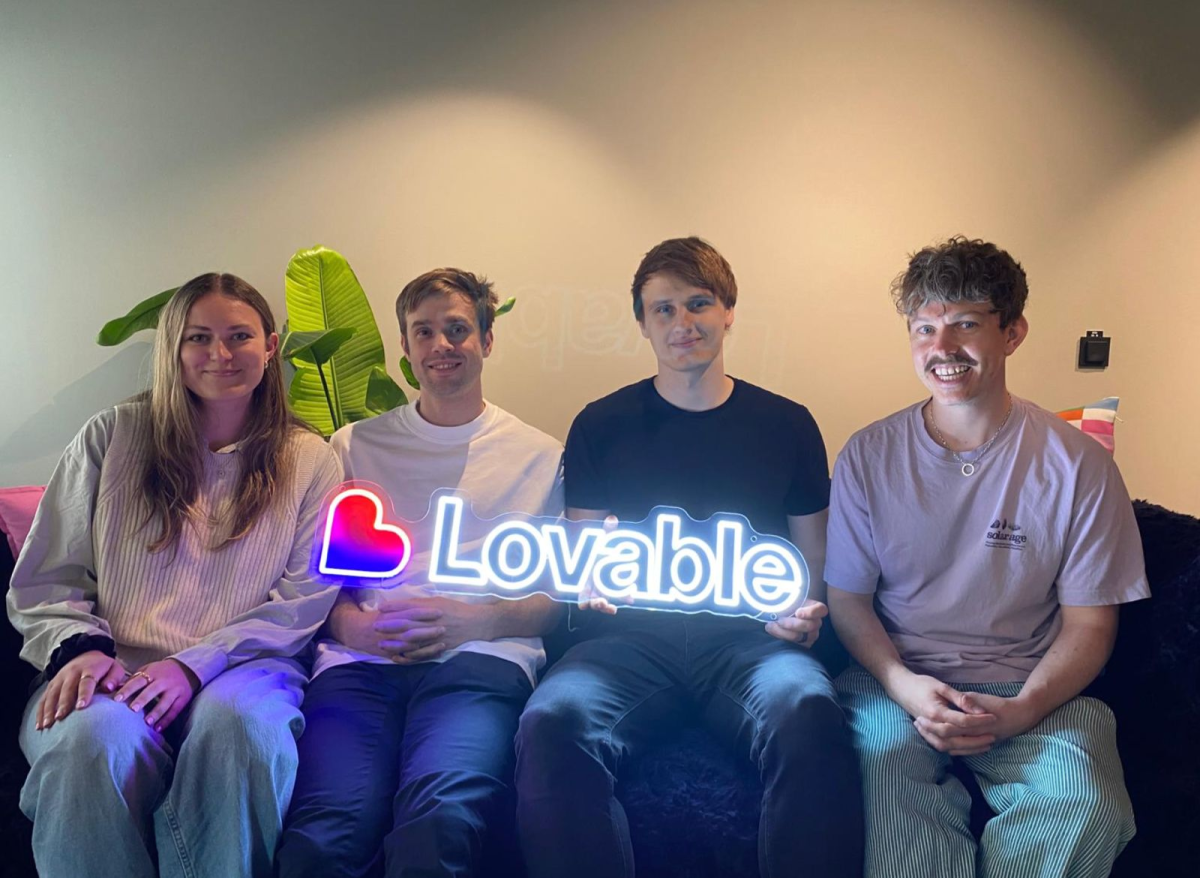
The software development world just witnessed something unprecedented. A European startup called Lovable reached $20 million in annual recurring revenue in just two months, making it potentially the fastest-growing startup in European history. But here's the twist that's making traditional software agencies nervous: they did it by giving non-technical founders the power to build full-stack applications without writing a single line of code. For years, the promise of no-code tools has been the same: anyone can build an app. But the reality has always been different. You'd create a beautiful frontend, get excited about your progress, and then hit the technical cliff. Suddenly you needed to configure databases, set up authentication, manage API keys, and deploy to servers. The "no-code" dream became a "hire-a-developer-anyway" nightmare.
The article talks about the education roots but glosses over how significant that legacy is. Tens of millions of people who learned coding on Replit now have a tool that amplifies what they learned. That installed base is a massive distribution advantage.
the compute math here is brutal for OpenAI. Spending 4x more on training and generating less revenue is not a gap you close by writing memos to investors.
Genuinely asking, how do we actually verify any of this? One researcher already pointed out that Anthropic's blog post left out key details needed to confirm the vulnerability claims. Who is doing independent verification here?
Respectfully pushing back on the gold narrative here. Gold pulling back 1% on a single volatile day is completely normal profit-taking. Calling it a capital rotation into crypto is a stretch.