
25 million projects created on the platform. Even if 99 percent never amount to anything, that remaining one percent represents a massive wave of new software entering the world.
Sign up to see more
SignupAlready a member?
LoginBy continuing, you agree to Sociomix's Terms of Service, Privacy Policy

25 million projects created on the platform. Even if 99 percent never amount to anything, that remaining one percent represents a massive wave of new software entering the world.
The regression subgenre has exploded in popularity over the past few years, becoming one of the most beloved narrative frameworks in Korean manhwa. The core premise is deceptively simple: a protagonist dies or fails catastrophically, then returns to an earlier point in time with their memories intact. Armed with future knowledge, they get a second chance to change their fate, save loved ones, gain power, or pursue revenge against those who wronged them. What makes regression stories so compelling is the combination of dramatic irony, strategic satisfaction, and emotional depth they provide. Readers know what the protagonist knows, creating tension when other characters make mistakes we can see coming. We feel smart alongside protagonists who use foreknowledge to outmaneuver enemies. And we experience the emotional weight of carrying memories of futures that haven't happened yet, of people who died who are currently alive, of betrayals that haven't occurred.
Two weekends to ship a product you had sitting in your head for three years. That sentence right there is the whole value proposition distilled.
As someone who uses Replit for teaching, the educational angle getting overshadowed by the agent hype is kind of wild. This thing started as a tool to help beginners learn by writing code. Now it builds apps so beginners never have to write code. Not sure how I feel about that transition.
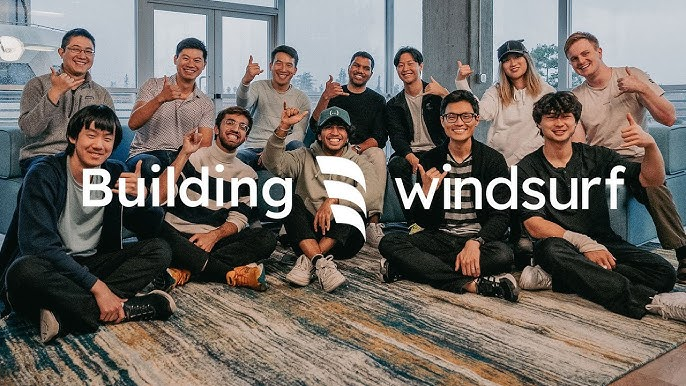
Developers have a new anxiety in 2026: token anxiety. You're in the middle of debugging a complex problem, the AI is helping you refactor three files simultaneously, and suddenly you wonder if this session is about to cost you $50. That mental tax slows you down and makes you second-guess using the tool you're paying for. Windsurf eliminated that anxiety with a simple decision: flat monthly pricing with no token limits. Fifteen dollars per month. Unlimited usage. No tracking credits or calculating costs per query. That pricing model sounds almost boring compared to the complex token systems other AI coding tools use, but boring is exactly what professional developers want when it comes to pricing. They want predictable costs and unlimited usage so they can focus on writing code instead of budgeting AI queries.
Working in instructional design and the shift in how L&D budgets get allocated because of tools like this is real. Money that used to go to production vendors is now going to content strategy and scripting. Which honestly is where it should have been all along.
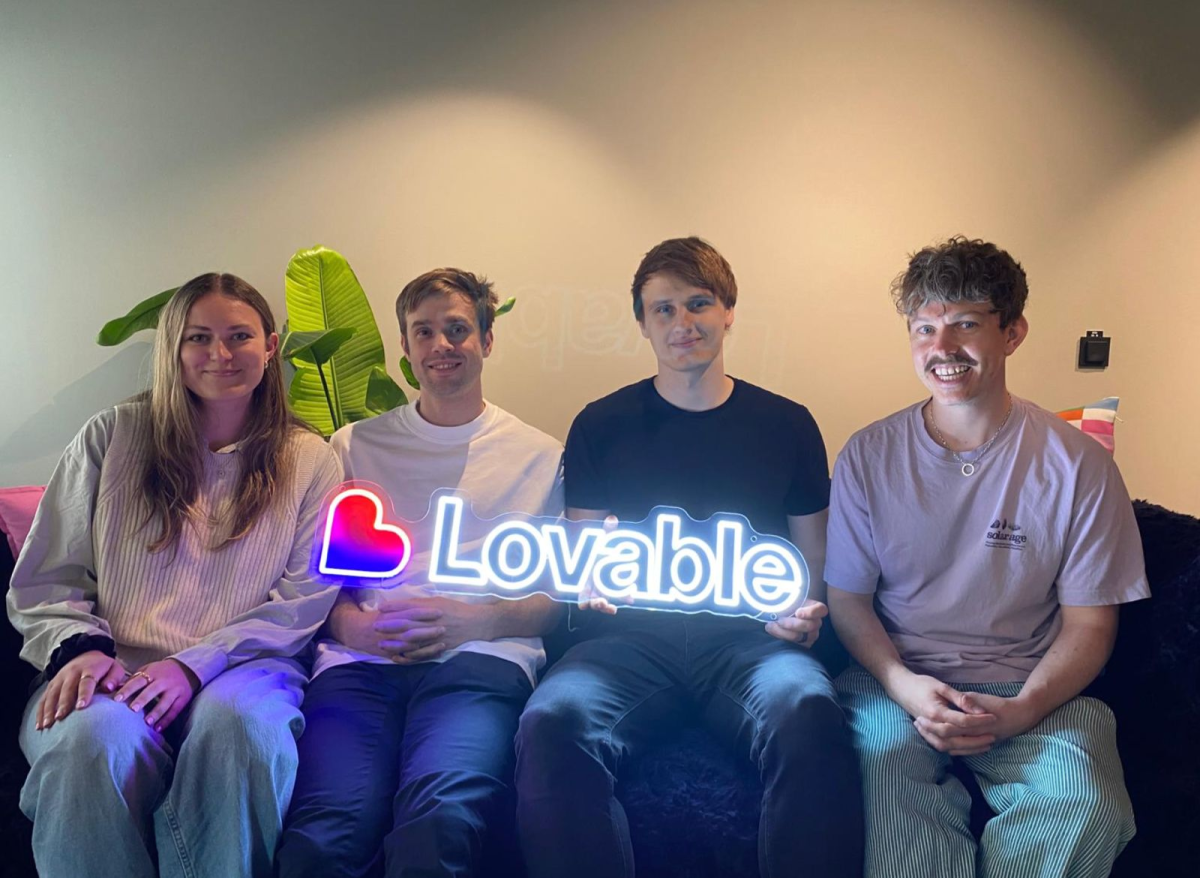
The software development world just witnessed something unprecedented. A European startup called Lovable reached $20 million in annual recurring revenue in just two months, making it potentially the fastest-growing startup in European history. But here's the twist that's making traditional software agencies nervous: they did it by giving non-technical founders the power to build full-stack applications without writing a single line of code. For years, the promise of no-code tools has been the same: anyone can build an app. But the reality has always been different. You'd create a beautiful frontend, get excited about your progress, and then hit the technical cliff. Suddenly you needed to configure databases, set up authentication, manage API keys, and deploy to servers. The "no-code" dream became a "hire-a-developer-anyway" nightmare.
They are not contradictory at all. The Google and Broadcom deal secures compute for the next few years while the in-house chip program, if it proceeds, would not produce anything useful until 2028 or 2029 at the earliest. These are parallel tracks for different time horizons.
As someone who has watched Meta's AI efforts for years, this feels different. Llama was always a research play dressed up as a product. Muse Spark is the opposite. It is a product play backed by serious research. That is a meaningful change in orientation.
Meta has just had one of its most important AI moments yet and the early signals are hard to ignore. Following the launch of its newest AI model Muse Spark, the company’s standalone Meta AI app surged dramatically in popularity, hinting at a much larger shift that is beginning to take shape. The release is particularly significant because it marks the first major AI model rollout under Alexandr Wang, who joined Meta to reboot its AI strategy. This is not just another incremental update. It represents a more aggressive and focused push into the AI race. According to data from Appfigures, Meta AI jumped from number 57 to number 5 on the U.S. App Store within a day of the launch. That kind of movement rarely happens without a strong underlying pull from users. It signals not curiosity but intent.
Cynical but probably partially correct. Companies bundle things intentionally. That does not mean the features are not good, just that the timing is strategic.
This is literally the argument Anthropic is making for why Glasswing exists. You get defenders trained and infrastructure hardened before the capability is everywhere. It is a race and they know it.
Probably because it was a fashion post focused on the show itself rather than the full trip. Context is missing but not necessarily intentional omission.
My sister wore something similar but with silver work instead of gold. I personally prefer this gold version though!
Finally an outfit that shows how to wear red on red without looking costume like