Agreed. I am a textbook night owl and the gradual shift method worked for me over about a month. Trying to jump to a 7am breakfast all at once was a disaster.
7
Sign up to see more
SignupAlready a member?
LoginBy continuing, you agree to Sociomix's Terms of Service, Privacy Policy

Agreed. I am a textbook night owl and the gradual shift method worked for me over about a month. Trying to jump to a 7am breakfast all at once was a disaster.
Jaafar doing this as his first acting role with no prior screen credits is either the bravest thing or the most inadvisable thing in recent Hollywood history and apparently it worked out to be the former.
The Frieren comparison fatigue is real but in this specific case it actually does help set expectations in a useful way for readers unfamiliar with the genre. Not every comparison is lazy.
When Tomb Raider King first exploded onto the manhwa scene, it brought a fresh take on dungeon crawling stories by combining archaeological adventure with ruthless protagonist energy and a treasure-hunting premise that felt genuinely different from typical gate and dungeon narratives. The series built a dedicated fanbase through its satisfying blend of historical artifact powers, strategic relic acquisition, and a protagonist who wasn't afraid to be morally gray in pursuit of his goals. Now, with the anime adaptation confirmed for 2026 as one of the most anticipated manhwa-to-anime projects, Tomb Raider King is experiencing a resurgence. New readers are discovering the series while longtime fans eagerly await seeing Jooheon Suh's relic-hunting adventures brought to life with animation. The timing couldn't be better, as the series has built enough content to support a substantial adaptation while maintaining momentum in its ongoing storyline.

Genuinely curious whether kain_y and SORAGAE had planned this as a long serialization from the start or if it began as shorter standalone stories. The episodic structure in early chapters suggests the latter.
The Warrior Returns sounds like it would be my exact thing but every time I start it the early chapters feel slow. Does it pick up significantly or is that slower pace consistent throughout?
The webtoon having a satisfying ending confirmed is a huge deal for anyone nervous about committing to a long series. Go in knowing it sticks the landing.
Came here thinking this was going to be another AI hype piece. The actual revenue numbers being independently corroborated across multiple sources makes it harder to dismiss. Something real is happening even if the edges are still rough.
Genuinely curious, has anyone successfully imported an existing Figma design into v0 and gotten output that did not need significant cleanup? The documentation makes it sound seamless but I am skeptical.
While Synthesia leads in revenue, HeyGen leads in customer acquisition momentum with 152% year-over-year growth in mid-market adoption. That explosive growth rate allowed HeyGen to close much of the customer count gap by late 2025. The company is winning by making avatar video accessible to smaller teams and individual creators who cannot afford enterprise contracts but need professional video capabilities. HeyGen positioned itself for small and medium businesses, marketing teams, content creators, and solo entrepreneurs rather than enterprise learning and development departments. This market segment values affordability, ease of use, and creative flexibility over governance features and advanced integrations. Average contract values are roughly one-third of Synthesia's, reflecting this different customer profile.
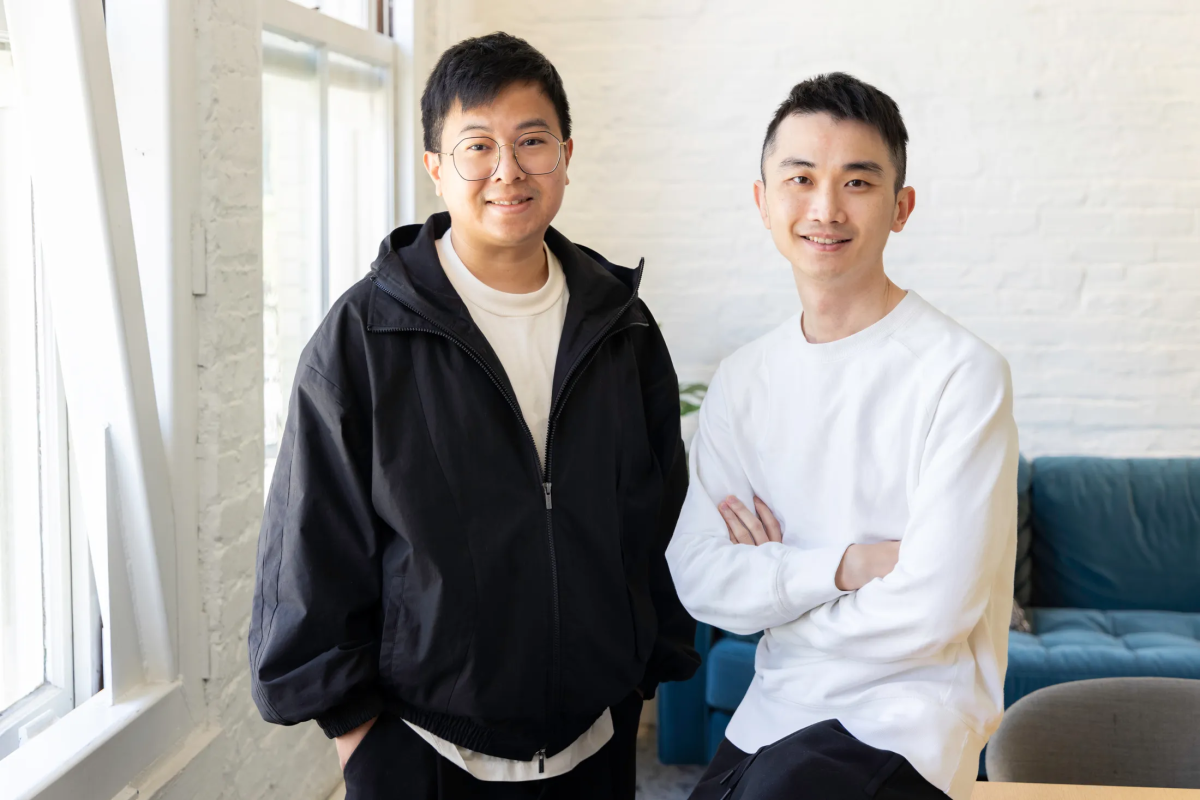
As someone who follows AI policy closely, the 90-day reporting commitment from Anthropic is actually a significant governance commitment. Most AI labs treat internal red-team findings as proprietary indefinitely.
Semiconductor development takes three to five years minimum. If Anthropic starts today they are looking at 2029 or 2030 before custom silicon is actually running production workloads. The AI landscape will be almost unrecognizable by then.
The part of the article comparing Codex for rapid exploration and Claude Code for polishing production code maps exactly to how my team ended up using both. We did not plan it that way, it just emerged from the tools' natural strengths.
Meta has just had one of its most important AI moments yet and the early signals are hard to ignore. Following the launch of its newest AI model Muse Spark, the company’s standalone Meta AI app surged dramatically in popularity, hinting at a much larger shift that is beginning to take shape. The release is particularly significant because it marks the first major AI model rollout under Alexandr Wang, who joined Meta to reboot its AI strategy. This is not just another incremental update. It represents a more aggressive and focused push into the AI race. According to data from Appfigures, Meta AI jumped from number 57 to number 5 on the U.S. App Store within a day of the launch. That kind of movement rarely happens without a strong underlying pull from users. It signals not curiosity but intent.
With some pearl hair clips and vintage style pumps this could work for a courthouse wedding