
The manhwa has over 1.6 billion cumulative views worldwide according to some reports. This is not a niche property hoping for an audience. The audience already exists and it is enormous.
Sign up to see more
SignupAlready a member?
LoginBy continuing, you agree to Sociomix's Terms of Service, Privacy Policy

The manhwa has over 1.6 billion cumulative views worldwide according to some reports. This is not a niche property hoping for an audience. The audience already exists and it is enormous.
The found family dynamic that develops across arcs is something the article gestures at but does not fully explore. That element carries a lot of the emotional weight in the later half of the story.
Omniscient Reader keeps getting pushed back. Last confirmed window I saw was late 2026 and even that seems optimistic given how ambitious the source material is.
Physical volume one is coming out in English in July 2026 through Yen Press. For people who prefer reading in print this is genuinely exciting news.
Genuinely curious whether kain_y and SORAGAE had planned this as a long serialization from the start or if it began as shorter standalone stories. The episodic structure in early chapters suggests the latter.
The regression subgenre has exploded in popularity over the past few years, becoming one of the most beloved narrative frameworks in Korean manhwa. The core premise is deceptively simple: a protagonist dies or fails catastrophically, then returns to an earlier point in time with their memories intact. Armed with future knowledge, they get a second chance to change their fate, save loved ones, gain power, or pursue revenge against those who wronged them. What makes regression stories so compelling is the combination of dramatic irony, strategic satisfaction, and emotional depth they provide. Readers know what the protagonist knows, creating tension when other characters make mistakes we can see coming. We feel smart alongside protagonists who use foreknowledge to outmaneuver enemies. And we experience the emotional weight of carrying memories of futures that haven't happened yet, of people who died who are currently alive, of betrayals that haven't occurred.
The Warrior Returns made me genuinely emotional in a way I did not expect from what initially looked like a fish-out-of-water comedy setup. When he sees his family again the series drops its humorous tone completely and the shift is earned.
Still waiting for someone to officially license the physical volumes in more markets. Seven volumes collected and they're not easy to get in a lot of places.
As someone who recently switched from a competitor, the real-time aspect of Otter is what differentiates it. Seeing the transcript appear as people speak during the live call, not just as a post-meeting artifact, is genuinely more useful.
152% year over year growth is genuinely wild for a SaaS product in this space. That is not organic tinkering, that is a category being born in real time.
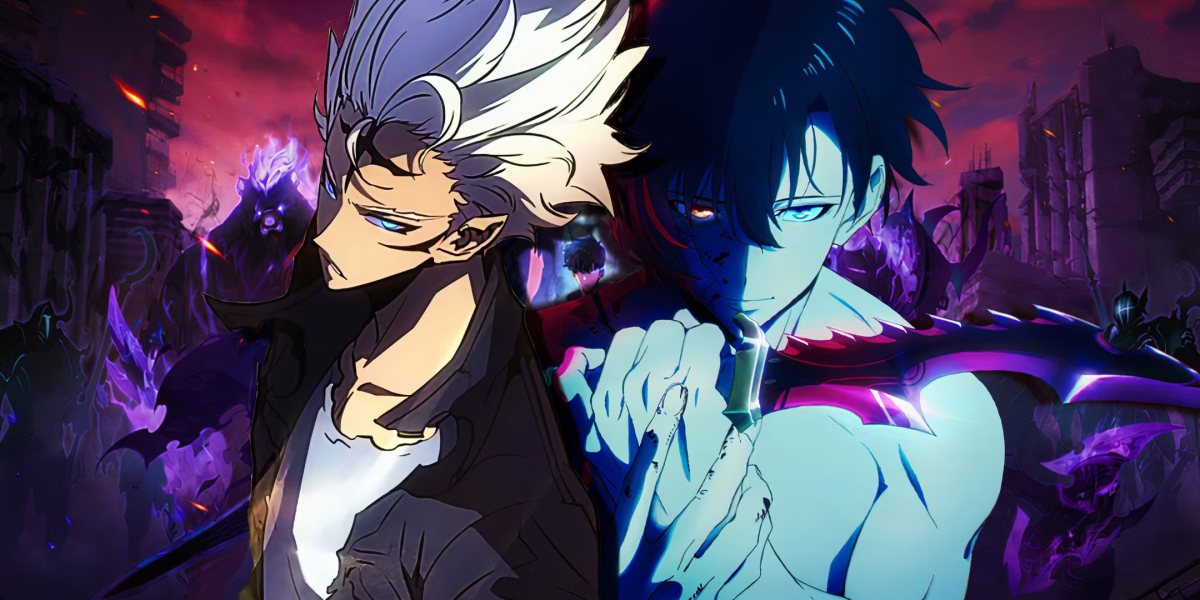
The manhwa world exploded when Solo Leveling first introduced us to Sung Jinwoo's journey from the weakest hunter to humanity's strongest defender. Now, Solo Leveling Ragnarok brings a fresh perspective to this beloved universe, and fans everywhere are asking the same questions. Can the sequel live up to the original? Do you need to read Solo Leveling first? What makes this continuation worth your time? This guide covers everything you need to know about Solo Leveling Ragnarok, whether you're a longtime fan or someone curious about jumping into the series Solo Leveling Ragnarok is not a reboot or alternate timeline. This is a direct sequel that continues the story years after the original series concluded. The protagonist shifts from Sung Jinwoo to his son, Sung Suho, who must forge his own path in a world still recovering from the catastrophic events his father prevented.
In a medium filled with talented artists producing stunning work, making a claim about any series having the "best" art feels bold. Yet Nano Machine consistently delivers combat sequences so fluid, detailed, and visually innovative that even readers who don't typically care about martial arts stories find themselves captivated by the sheer spectacle on display. The series combines traditional murim aesthetics with futuristic sci-fi elements, creating a unique visual identity that stands apart from typical cultivation manhwa. The nano machine implanted in protagonist Cheon Yeo-Woon's body doesn't just give him power. It becomes a storytelling device that allows the artist to visualize techniques, energy flows, and combat analysis in ways other series can't replicate.
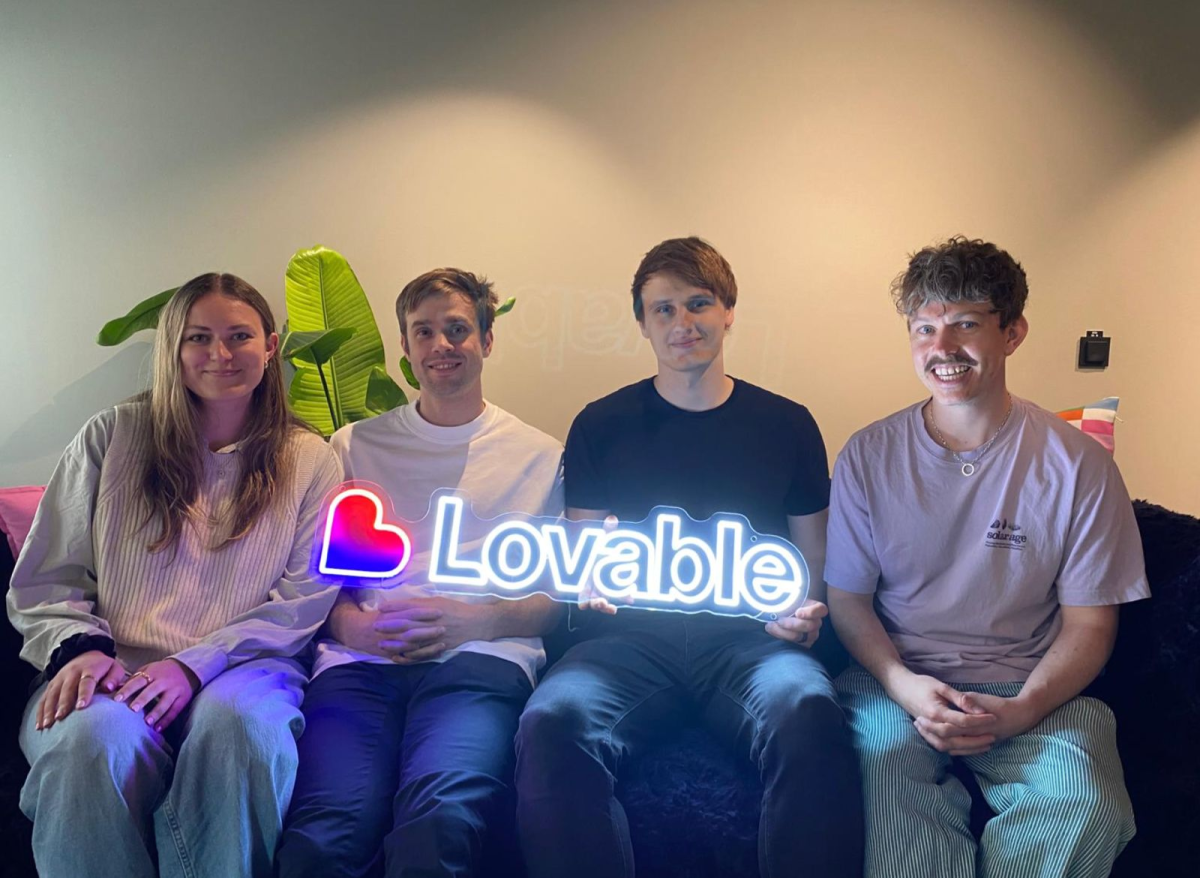
The software development world just witnessed something unprecedented. A European startup called Lovable reached $20 million in annual recurring revenue in just two months, making it potentially the fastest-growing startup in European history. But here's the twist that's making traditional software agencies nervous: they did it by giving non-technical founders the power to build full-stack applications without writing a single line of code. For years, the promise of no-code tools has been the same: anyone can build an app. But the reality has always been different. You'd create a beautiful frontend, get excited about your progress, and then hit the technical cliff. Suddenly you needed to configure databases, set up authentication, manage API keys, and deploy to servers. The "no-code" dream became a "hire-a-developer-anyway" nightmare.
I appreciate that they use paid actors for stock avatars rather than scraped training data. That is not just an ethics checkbox. It is what makes enterprise legal teams comfortable signing the contract.
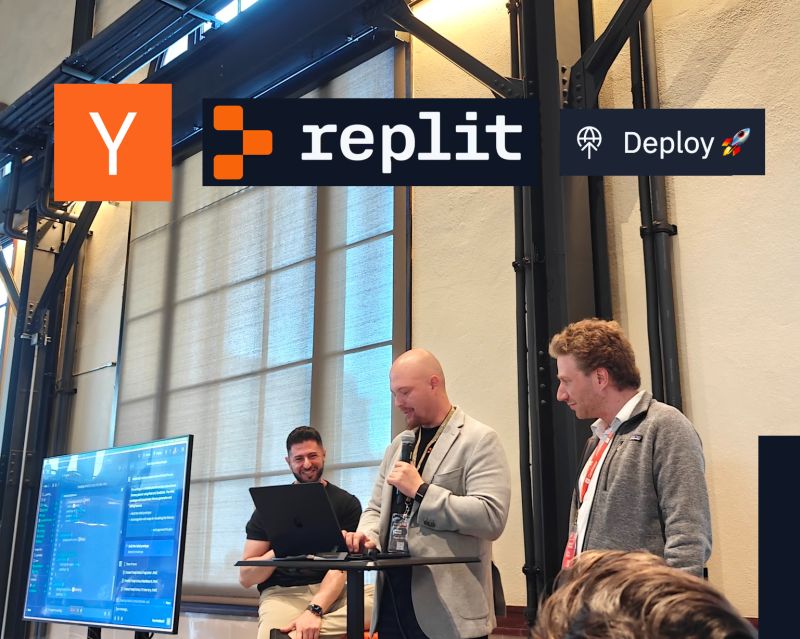
When a company's revenue jumps from $10 million to $100 million in nine months, you pay attention. When that growth comes from an AI agent that builds entire applications autonomously, you realize something fundamental just changed in software development. Replit Agent represents that change, and the numbers prove developers are ready for it. Replit started as a browser-based coding environment for education. Students could write Python or JavaScript without installing anything locally. Teachers loved it because setup time vanished. But the company saw something bigger. If you could run code in the browser, why not let AI write that code? That question led to Agent 3, an AI that doesn't just suggest code completions. It builds entire applications from scratch.
Restricting access to tech giants is not inherently responsible. It is responsible only if those partners actually fix what they find and disclose results publicly. Glad to see they are required to share findings, that part matters enormously.
Speaking from experience building B2C apps, a number 5 ranking on the App Store without sustained daily active usage is a vanity metric. I want to see session length and return rate data before calling this a paradigm shift.
The global cryptocurrency market capitalization has climbed back above the $2.5 trillion threshold, fueled by a massive liquidation of short positions and renewed institutional interest. Geopolitical developments and shifting investor sentiment combined to create a powerful rally that caught bearish traders off guard, resulting in substantial losses for those betting against the market. According to data from CoinGecko, the total market capitalization of all cryptocurrencies combined increased 1.4% to reach $2.52 trillion on Friday, April 10. Bitcoin experienced a notable surge of over 3%, briefly touching the $73,000 mark before consolidating around $72,000 at the time of writing. Ethereum demonstrated equally impressive strength, pushing past the $2,200 level, while the majority of top 10 cryptocurrencies by market capitalization also posted significant gains.