Three weeks into shifting my eating window earlier and the sleep improvement alone has been worth it. I was not expecting that side effect at all.
11
Sign up to see more
SignupAlready a member?
LoginBy continuing, you agree to Sociomix's Terms of Service, Privacy Policy

Three weeks into shifting my eating window earlier and the sleep improvement alone has been worth it. I was not expecting that side effect at all.
Bio-harmony eating is the nutrition trend reshaping how people think about food in 2026, and if you have been feeling like calorie counting is making you miserable without actually delivering results, the science behind it will likely resonate immediately. The concept is straightforward - instead of obsessively tracking numbers on a label, you align what you eat, when you eat it, and how much with your body's internal biological clock, your metabolic rhythms, and your gut's own needs. After spending several months testing this approach, shifting my own meals earlier in the day and rebuilding my eating window around natural light cycles, the difference in energy levels and digestion alone was enough to keep me from ever going back to a calorie app. This guide covers what bio-harmony eating actually is, the real science behind it, what a typical day looks like in practice, and who is most likely to benefit.

That is a fair point but also worth noting that Fuqua clearly got an exceptional performance out of a first-time screen actor, which is itself a significant directorial achievement regardless of script issues.
As someone who has moved cities six times in ten years, the theme of witnessing lives without being able to stay in them hit me in a very personal way I was not expecting from a manhwa.
Sports anime and manga have delivered countless memorable series over the decades, from Slam Dunk's basketball brilliance to Haikyuu's volleyball excellence. These stories typically follow familiar patterns: talented but inexperienced protagonist joins a team, forms bonds with teammates, faces rivals, grows through competition, and ultimately pursues championship glory. The formula works because it taps into universal themes about effort, teamwork, and self-improvement. The Boxer, created by JH, takes everything you expect from sports stories and systematically deconstructs it. The protagonist doesn't love boxing. He doesn't form deep bonds with teammates. He doesn't overcome challenges through friendship and determination. Instead, the manhwa presents one of the darkest, most psychologically complex examinations of combat sports ever created, wrapped in stunningly minimalist artwork that elevates the narrative to something approaching high art.

Came for the boxing. Stayed for what turned out to be one of the sharpest explorations of purpose and meaning I've encountered in any format.
The article nails it when it talks about combat fatigue being a real problem in long-running series. Nano Machine is well past two hundred chapters and I still get genuinely excited when a new fight starts. That does not happen with most murim series.
Zero setup environments are going to create a generation of developers who are genuinely productive but have no mental model of what is happening underneath their code. I am not sure that is a catastrophe but it is definitely a different kind of developer than we have trained before.
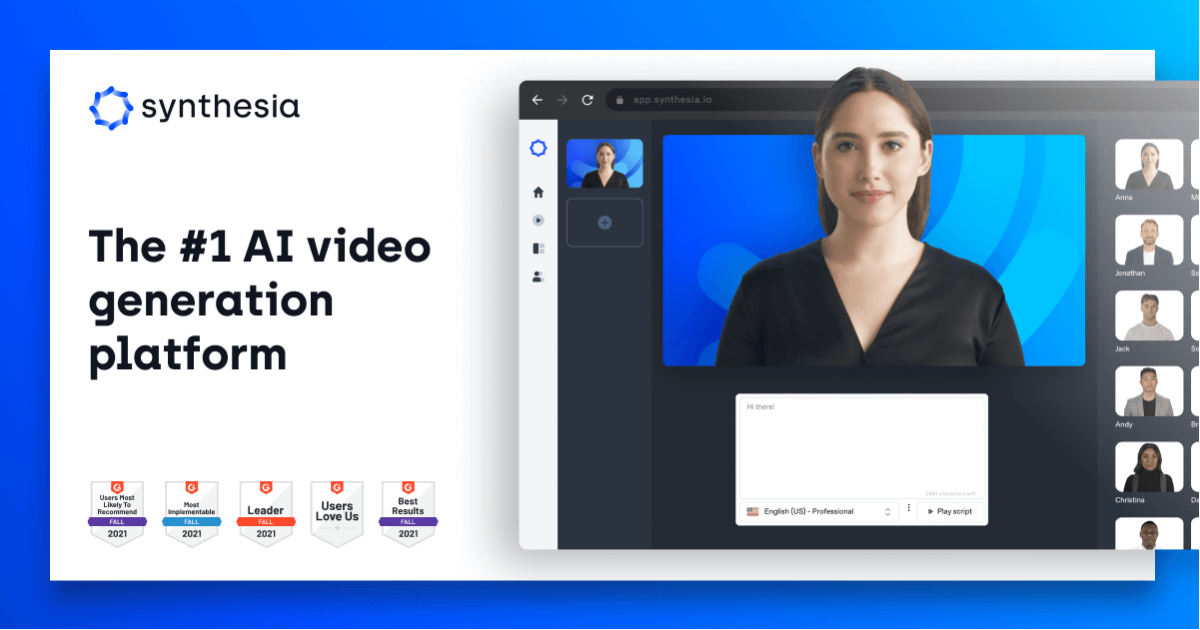
When a company raises $200 million in Series E funding during January 2026, investors are betting on more than potential. They're backing proven market demand and sustainable growth. Synthesia's funding round came alongside a 44% year-over-year increase in headcount to 706 employees, signaling aggressive expansion in a category the company essentially created: AI avatar-based video generation for enterprise training and communications. Corporate training videos have been expensive and slow to produce for decades. Recording a single 10-minute training module traditionally required booking a studio, hiring a presenter, scheduling a videographer, managing multiple takes, and editing everything together. If you needed to update information or translate content, you essentially started over. Synthesia eliminated this entire production workflow by replacing human presenters with AI avatars.
Meta has just had one of its most important AI moments yet and the early signals are hard to ignore. Following the launch of its newest AI model Muse Spark, the company’s standalone Meta AI app surged dramatically in popularity, hinting at a much larger shift that is beginning to take shape. The release is particularly significant because it marks the first major AI model rollout under Alexandr Wang, who joined Meta to reboot its AI strategy. This is not just another incremental update. It represents a more aggressive and focused push into the AI race. According to data from Appfigures, Meta AI jumped from number 57 to number 5 on the U.S. App Store within a day of the launch. That kind of movement rarely happens without a strong underlying pull from users. It signals not curiosity but intent.
OpenAI's latest subscription offering represents its most aggressive move yet to reclaim market share in the rapidly expanding AI-powered coding assistant sector
The geopolitical angle here is bigger than the article suggests. US export controls on advanced chips to China are reshaping the entire global AI landscape. Every chip a major AI company designs is part of a much larger strategic picture.
In a rare divergence from industry norms, TikTok has confirmed it will not adopt end-to-end encryption (E2EE) for direct messages, breaking with nearly every major social media platform and reigniting one of the tech industry's most contentious debates. The Chinese-owned video platform told the BBC exclusively that it believes the privacy technology championed by Meta, Apple, and others as essential for user protection actually makes users less safe by creating "dark spaces" where harmful content can flourish beyond the reach of safety teams and law enforcement. The decision puts TikTok in direct opposition to its competitors while potentially exposing the company to fresh criticism over data protection, particularly given ongoing concerns about its ties to Beijing.
The artificial intelligence industry is entering a new phase of competition, one that extends far beyond the development of advanced language models and neural networks. Companies are now engaged in an intense struggle to secure the computational infrastructure necessary to train and deploy their AI systems. In this context, Anthropic has reportedly begun exploring the possibility of designing and manufacturing its own specialized processors to power Claude, its flagship conversational AI platform, along with its broader suite of artificial intelligence technologies. This strategic consideration emerges at a critical moment in the global AI sector. The exponential growth in model complexity and capability has created unprecedented demand for high-performance computing resources. Sources familiar with the matter indicate that Anthropic is conducting feasibility studies to determine whether developing proprietary semiconductor technology could reduce its dependence on external hardware vendors while ensuring reliable access to the computing power required for its operations.
Has anyone tried protecting their suede jacket? I'm nervous about wearing mine in unpredictable weather
Does anyone else think the gold necklace really elevates the whole casual vibe? I'm thinking of getting something similar for my outfits
What I love most is how accessible this outfit is. You could find similar pieces at any price point