
Pigpen getting a K-drama adaptation from Studio N is something I have been following closely. If Copycat keeps this trajectory, a screen adaptation conversation is inevitable.
7
Sign up to see more
SignupAlready a member?
LoginBy continuing, you agree to Sociomix's Terms of Service, Privacy Policy

Pigpen getting a K-drama adaptation from Studio N is something I have been following closely. If Copycat keeps this trajectory, a screen adaptation conversation is inevitable.
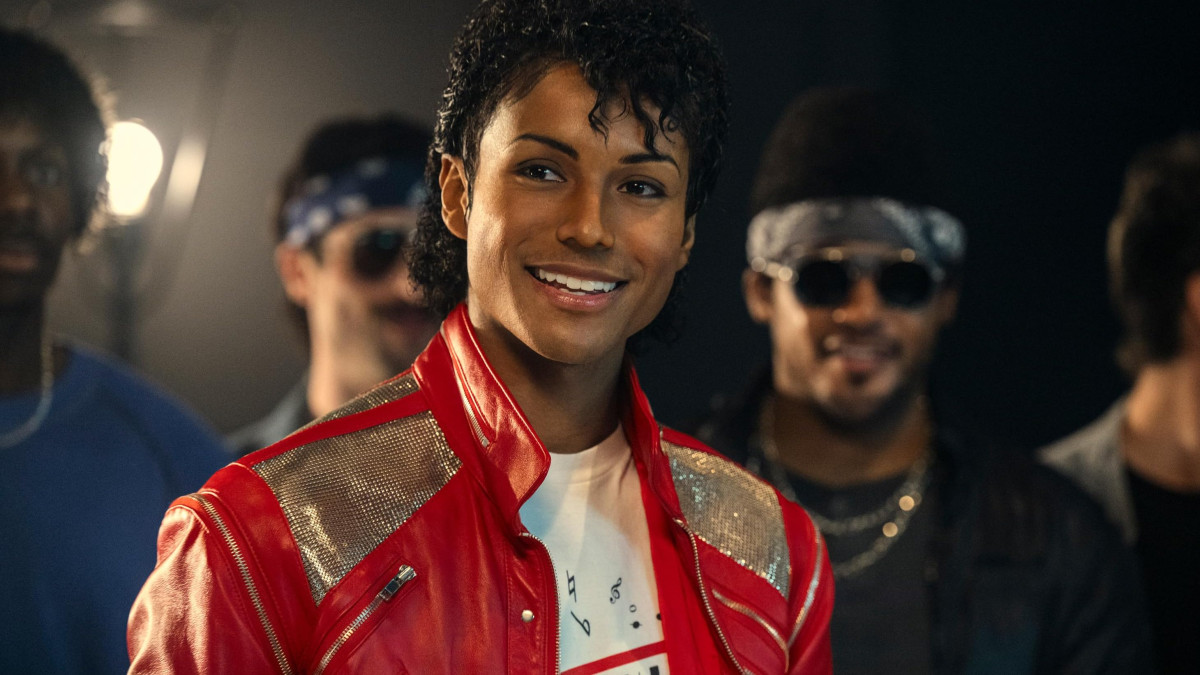
The Michael movie review verdict is in, and it is more complicated than the 26% Rotten Tomatoes score suggests. Antoine Fuqua's long-delayed Michael Jackson biopic, simply titled Michael, hit theaters this weekend with Jaafar Jackson playing his late uncle, and the critical response has been brutal. The BBC gave it one star. Roger Ebert's site called it a filmed playlist in search of a story. Yet early audience reactions on social media have been warmer, ticket pre-sales suggest an $80 million opening, and Variety thought it worked as an engrossing middle-of-the-road biopic. After tracking coverage across more than a dozen outlets over the past 48 hours, I think the honest answer to "should you watch this?" depends almost entirely on what you want from a music biopic, and this guide breaks down exactly what the film delivers, what it skips, and who will actually enjoy sitting through its two-hour-and-nine-minute runtime.
My partner picked this up thinking it was a lighthearted undead adventure based on the title and was absolutely blindsided by chapter three. Consider this your warning to set expectations properly before recommending it to people.
The observation that Seongshik's modern sensibilities clash with the historical setting creates different tensions than in a pure period piece is understated in the article. A contemporary person who has also read the source material exists in double cultural displacement and that is a rich vein.
Making a claim about any single series having the absolute best anything in a medium this large and varied is going to invite pushback and it should. Nano Machine is exceptional. Best ever is a stretch.
The found family dynamic that develops across arcs is something the article gestures at but does not fully explore. That element carries a lot of the emotional weight in the later half of the story.
What nobody talks about with Eleceed is that the found family element might actually be what saves it from the CGI concerns. If the emotional relationship between Jiwoo and Kayden lands, audiences will forgive visual imperfections.
The BL (Boys' Love) genre has exploded in popularity over recent years, and isekai stories have dominated manhwa and manga for nearly a decade. Combining these elements seems like an obvious move, yet surprisingly few series have attempted it seriously. Shall I Write You A Love Letter, created by Nickup and Yutae and released on Lehzin in December 2025, takes the familiar otome isekai formula and transforms it into a compelling BL narrative that subverts expectations at every turn. Otome isekai typically features female protagonists transported into romance game worlds where they must navigate relationships with attractive male love interests. The formula has been refined through countless iterations to the point where readers can predict story beats from the first chapter. What makes Shall I Write You A Love Letter noteworthy is how it takes that established framework and examines it through a completely different lens, creating something that feels both familiar and refreshingly new.

In a medium filled with talented artists producing stunning work, making a claim about any series having the "best" art feels bold. Yet Nano Machine consistently delivers combat sequences so fluid, detailed, and visually innovative that even readers who don't typically care about martial arts stories find themselves captivated by the sheer spectacle on display. The series combines traditional murim aesthetics with futuristic sci-fi elements, creating a unique visual identity that stands apart from typical cultivation manhwa. The nano machine implanted in protagonist Cheon Yeo-Woon's body doesn't just give him power. It becomes a storytelling device that allows the artist to visualize techniques, energy flows, and combat analysis in ways other series can't replicate.

Tried building a Svelte app as the article claims is supported. Framework flexibility is real but the AI has obvious preferences and will drift toward familiar patterns even when you specify something different. You have to be persistent.
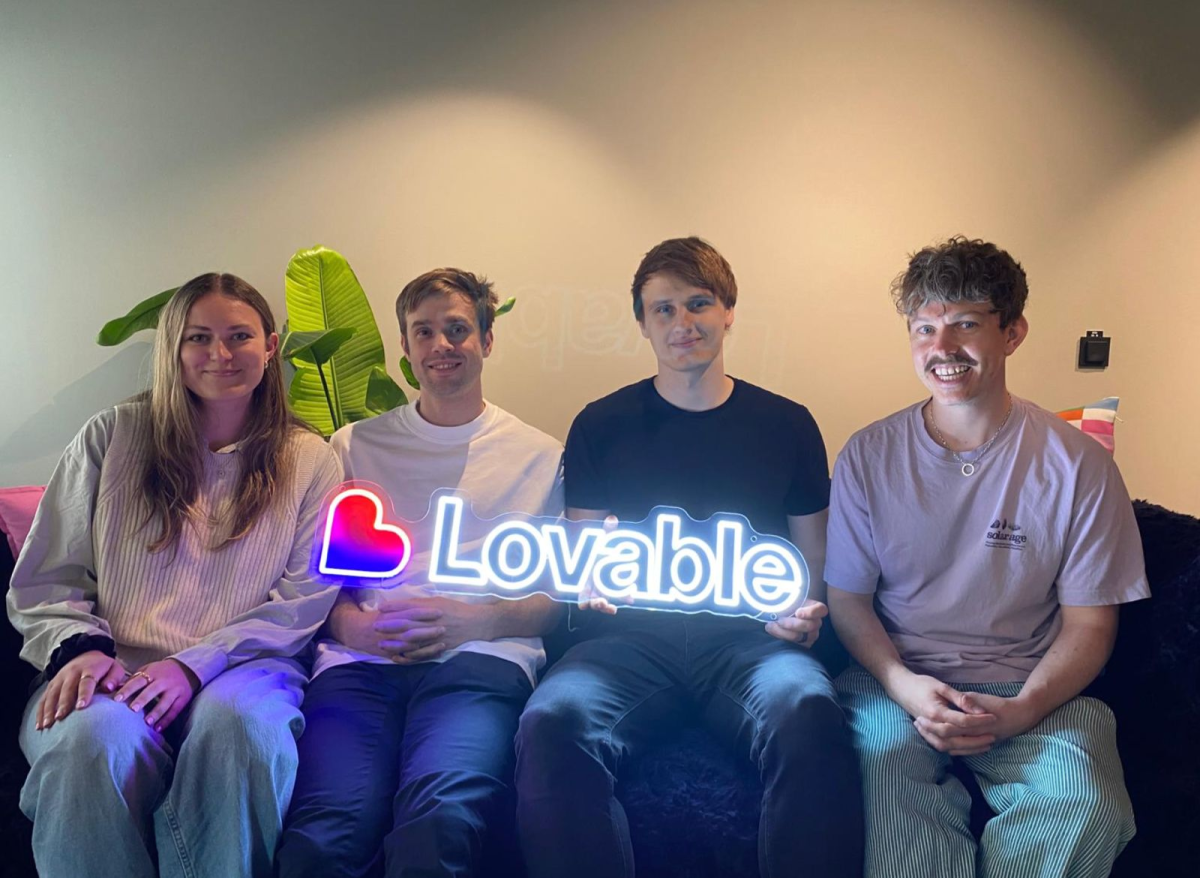
The software development world just witnessed something unprecedented. A European startup called Lovable reached $20 million in annual recurring revenue in just two months, making it potentially the fastest-growing startup in European history. But here's the twist that's making traditional software agencies nervous: they did it by giving non-technical founders the power to build full-stack applications without writing a single line of code. For years, the promise of no-code tools has been the same: anyone can build an app. But the reality has always been different. You'd create a beautiful frontend, get excited about your progress, and then hit the technical cliff. Suddenly you needed to configure databases, set up authentication, manage API keys, and deploy to servers. The "no-code" dream became a "hire-a-developer-anyway" nightmare.
Does anyone else find it slightly ironic that a company founded on AI safety concerns is now building some of the most powerful autonomous hacking tools ever created, even if the intent is defensive? Where exactly is the safety-first line drawn?
The designer-developer relationship has been tense for decades. Designers create pixel-perfect mockups in Figma. Developers translate them to code and somehow everything looks slightly wrong. Fonts don't match. Spacing is inconsistent. Buttons have different corner radiuses. Both sides get frustrated, blame each other, and the product suffers. V0 by Vercel is fixing this problem by generating production-quality React components that look exactly like the designs. The rebrand from v0.dev to v0.app in January 2026 signaled expanded ambitions beyond just UI component generation. Vercel positioned the tool for full-stack web development, though its core strength remains frontend excellence. That strategic clarity matters because trying to be everything often means excelling at nothing. V0 chose to dominate the handoff between design and code before expanding into other areas.
Revenue per employee of over two million dollars is genuinely absurd for a software company. The traditional playbook where you hire a large development team to match growth is completely broken as a model.
Meta has just had one of its most important AI moments yet and the early signals are hard to ignore. Following the launch of its newest AI model Muse Spark, the company’s standalone Meta AI app surged dramatically in popularity, hinting at a much larger shift that is beginning to take shape. The release is particularly significant because it marks the first major AI model rollout under Alexandr Wang, who joined Meta to reboot its AI strategy. This is not just another incremental update. It represents a more aggressive and focused push into the AI race. According to data from Appfigures, Meta AI jumped from number 57 to number 5 on the U.S. App Store within a day of the launch. That kind of movement rarely happens without a strong underlying pull from users. It signals not curiosity but intent.
Comparing this to OpenAI withholding GPT-2 in 2019 is technically accurate but the scale is incomparable. GPT-2 was about disinformation risk. Mythos is about autonomous exploitation of kernel vulnerabilities. Very different categories of concern.
The move from open-source Llama to proprietary Muse Spark is a philosophically significant pivot. Meta spent years building credibility and developer trust by being open. Monetization is a legitimate need but it comes at a real cost to that identity.
OpenAI's latest subscription offering represents its most aggressive move yet to reclaim market share in the rapidly expanding AI-powered coding assistant sector
As someone who does penetration testing professionally, the phrase that what took months will now take minutes is not hyperbole. We have been watching smaller versions of this capability creep up for two years. Mythos is a step change.
Love seeing ETH finally get some attention. Been saying for months that the ETH to BTC ratio was deeply compressed and overdue for a catch-up move.