This is not a tech trend. This is an infrastructure mega-cycle, like the railroad boom or the interstate highway system. The difference is it is happening in a decade instead of a century.
23
Sign up to see more
SignupAlready a member?
LoginBy continuing, you agree to Sociomix's Terms of Service, Privacy Policy

This is not a tech trend. This is an infrastructure mega-cycle, like the railroad boom or the interstate highway system. The difference is it is happening in a decade instead of a century.
ufotable being rumored as the animation studio is the detail that would send me completely over the edge. Their particle effects and fluid motion for something like the constellation scenarios would be unreal.
Honestly the relic rank system could have been generic stat padding but the series uses it to set up underdog moments constantly. Lower ranked relic used cleverly beats higher ranked one used carelessly. That is good writing.
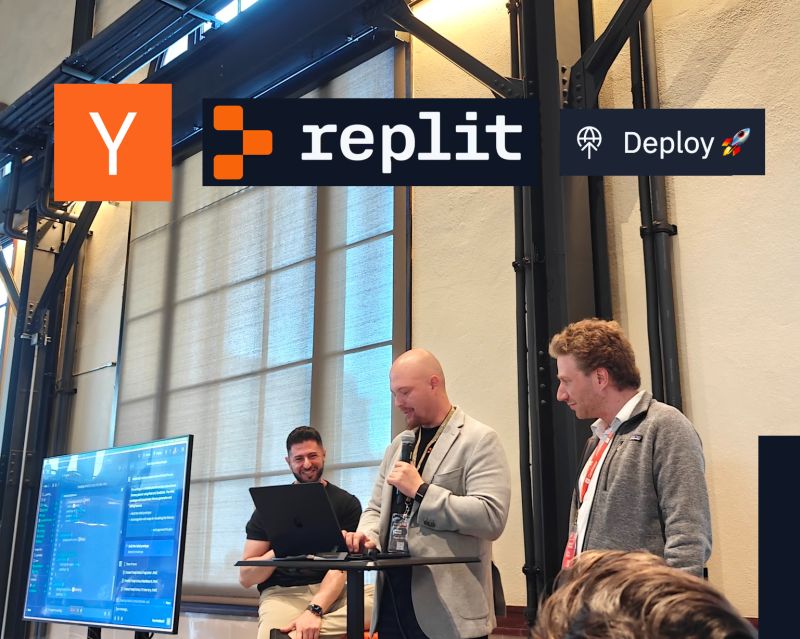
Speaking from experience building MVPs for clients, the bottleneck has never been writing code. It has been scoping, integrating APIs, and deploying without breaking things. If Agent 3 actually handles all three, that is a serious unlock.
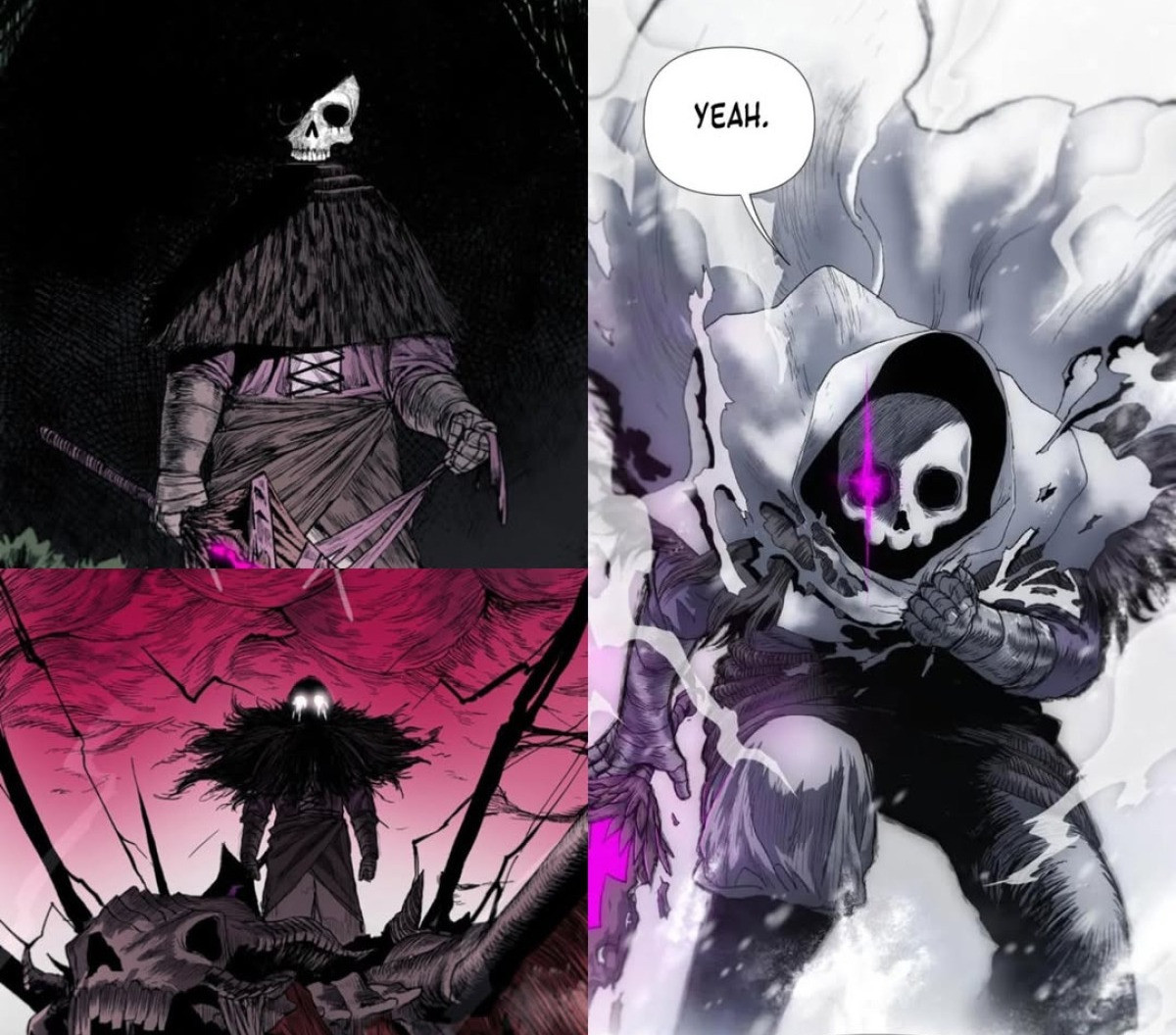
When a manhwa gets compared to Frieren: Beyond Journey's End but with a dark, bleak twist, expectations immediately rise. The Tale of the Skeleton Messenger, released on Webtoon in January 2026 by creators kain_y and SORAGAE, arrives with that exact premise and a tone that sets it apart from the increasingly crowded fantasy manhwa landscape. Most fantasy stories lean toward hopeful narratives where heroes overcome darkness through determination and friendship. Even dark fantasy typically offers glimmers of light and the possibility of triumph. The Tale of the Skeleton Messenger takes a different approach, embracing bleakness and melancholy in ways that feel refreshing rather than oppressive, thoughtful rather than nihilistic.
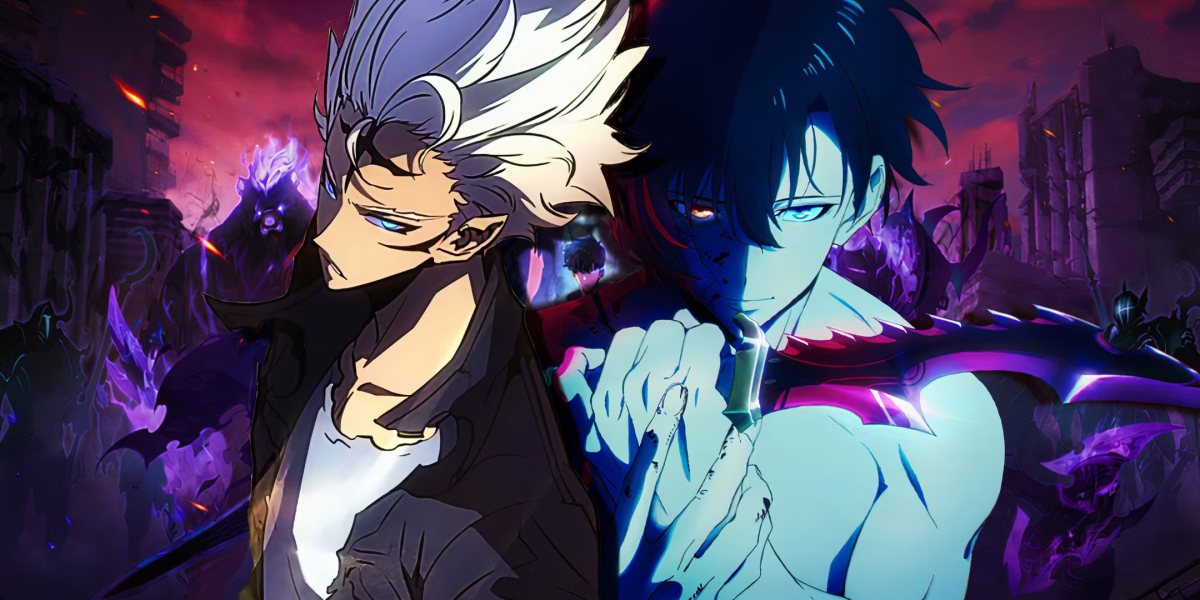
When Tomb Raider King first exploded onto the manhwa scene, it brought a fresh take on dungeon crawling stories by combining archaeological adventure with ruthless protagonist energy and a treasure-hunting premise that felt genuinely different from typical gate and dungeon narratives. The series built a dedicated fanbase through its satisfying blend of historical artifact powers, strategic relic acquisition, and a protagonist who wasn't afraid to be morally gray in pursuit of his goals. Now, with the anime adaptation confirmed for 2026 as one of the most anticipated manhwa-to-anime projects, Tomb Raider King is experiencing a resurgence. New readers are discovering the series while longtime fans eagerly await seeing Jooheon Suh's relic-hunting adventures brought to life with animation. The timing couldn't be better, as the series has built enough content to support a substantial adaptation while maintaining momentum in its ongoing storyline.

In a medium filled with talented artists producing stunning work, making a claim about any series having the "best" art feels bold. Yet Nano Machine consistently delivers combat sequences so fluid, detailed, and visually innovative that even readers who don't typically care about martial arts stories find themselves captivated by the sheer spectacle on display. The series combines traditional murim aesthetics with futuristic sci-fi elements, creating a unique visual identity that stands apart from typical cultivation manhwa. The nano machine implanted in protagonist Cheon Yeo-Woon's body doesn't just give him power. It becomes a storytelling device that allows the artist to visualize techniques, energy flows, and combat analysis in ways other series can't replicate.

When a company's revenue jumps from $10 million to $100 million in nine months, you pay attention. When that growth comes from an AI agent that builds entire applications autonomously, you realize something fundamental just changed in software development. Replit Agent represents that change, and the numbers prove developers are ready for it. Replit started as a browser-based coding environment for education. Students could write Python or JavaScript without installing anything locally. Teachers loved it because setup time vanished. But the company saw something bigger. If you could run code in the browser, why not let AI write that code? That question led to Agent 3, an AI that doesn't just suggest code completions. It builds entire applications from scratch.
Genuinely curious question: does the video extension feature maintain the same visual coherence as the original clip, or does quality drift noticeably when you start extending past 20 seconds?
The manhwa world exploded when Solo Leveling first introduced us to Sung Jinwoo's journey from the weakest hunter to humanity's strongest defender. Now, Solo Leveling Ragnarok brings a fresh perspective to this beloved universe, and fans everywhere are asking the same questions. Can the sequel live up to the original? Do you need to read Solo Leveling first? What makes this continuation worth your time? This guide covers everything you need to know about Solo Leveling Ragnarok, whether you're a longtime fan or someone curious about jumping into the series Solo Leveling Ragnarok is not a reboot or alternate timeline. This is a direct sequel that continues the story years after the original series concluded. The protagonist shifts from Sung Jinwoo to his son, Sung Suho, who must forge his own path in a world still recovering from the catastrophic events his father prevented.
What I find compelling is that the tool explicitly targets professional developers and does not try to be everything to everyone. That focus shows up in what features get prioritized and what gets left out.
Forty million dollars in annual recurring revenue. Six months. One browser-based platform. Those numbers would be impressive for any software company, but for Bolt.new, they represent something more significant: the moment when development environments moved permanently into the cloud and never looked back. Traditional software development has always required setup. Install Node.js, configure your environment, manage dependencies, set up local servers, troubleshoot version conflicts. Before writing a single line of code, developers spend hours or even days preparing their machines. Junior developers often spend their first week just getting their environment working. Bolt.new eliminated all of that with WebContainers technology.
That's the key tension right now. If the dollar index stays weak, Bitcoin benefits even in a rate-hold environment. The DXY has been declining and that's been quietly supporting risk assets more than people credit.
the glasswing butterfly metaphor is genuinely beautiful. Transparent wings as an analogy for invisible vulnerabilities. Whoever came up with that deserves a raise.
As someone in product management, the real tell will be the week two and week four retention numbers. App Store climbs driven by launch hype are common. Sustained daily active usage driven by genuine utility is rare. Meta needs the second thing, not the first.
Genuinely asking, does anyone here actually prefer Codex over Claude Code for large refactoring tasks? Curious to hear real experiences, not marketing.
As someone who follows semiconductor supply chains closely, the real bottleneck everyone is dancing around is TSMC. You can design the most brilliant chip in the world but if you cannot get a leading edge fabrication slot at TSMC or Samsung, it is just a document.
The proportions are perfect between the fitted top and skinny jeans. Makes legs look miles long
The button details on those pants are everything! Anyone know where to find something similar?