The question of whether a biopic sequel would cover the Michael Jackson abuse allegations is the most loaded question in Hollywood right now. There is no version of that film that does not create massive legal and cultural controversy.
12
Sign up to see more
SignupAlready a member?
LoginBy continuing, you agree to Sociomix's Terms of Service, Privacy Policy

The question of whether a biopic sequel would cover the Michael Jackson abuse allegations is the most loaded question in Hollywood right now. There is no version of that film that does not create massive legal and cultural controversy.
The article mentions reading Solo Leveling first and I cannot stress this enough. You will not feel the weight of what Beru and the shadow soldiers mean to Suho if you skip the original. Just read it.
The guide explains the Itarim as new cosmic threats but doesn't really get into how wild the lore expansion actually is. These aren't just stronger monsters, they reframe the entire premise of why the system exists.
The philosophical question the article raises about talent without struggle creating emptiness is something athletes in real life talk about too. A lot of prodigies describe the same hollow feeling Yu has.
The smart protagonist thing works better here than usual because his intelligence is domain specific. He's a genius at engineering and economics but the series doesn't pretend he's good at everything else.
The year 2026 marks a pivotal moment in the evolution of manhwa as a medium. What started as a trickle of Korean comics receiving anime adaptations has become a flood, with at least fifteen confirmed projects bringing beloved manhwa to animated life. This explosive growth wasn't accidental but the inevitable result of Solo Leveling's massive success proving that manhwa adaptations can compete with traditional manga anime in quality, popularity, and profitability. Studios across Japan and Korea are investing heavily in manhwa properties, recognizing that Korean storytelling brings fresh perspectives, innovative premises, and built-in fanbases eager to see their favorite series animated. The diversity of genres receiving adaptations demonstrates that manhwa appeal extends far beyond action and fantasy into romance, psychological thriller, sports, and slice-of-life territories.

The series being in its final arc right now actually makes the anime case stronger. You can announce an adaptation, build hype, and have a clear endpoint to market toward.
Honestly the relic rank system could have been generic stat padding but the series uses it to set up underdog moments constantly. Lower ranked relic used cleverly beats higher ranked one used carelessly. That is good writing.
The comparison to Hajime no Ippo is interesting but they are almost opposite stories. Ippo is about climbing toward the top through effort and heart. The Boxer is about what happens at the very top when effort is irrelevant.
The version history is solid. You can roll back to any previous state with one click, which matters enormously when the AI goes off in the wrong direction after a few prompts.
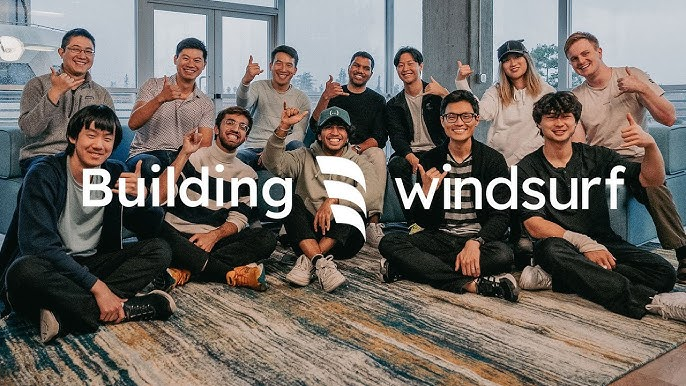
Developers have a new anxiety in 2026: token anxiety. You're in the middle of debugging a complex problem, the AI is helping you refactor three files simultaneously, and suddenly you wonder if this session is about to cost you $50. That mental tax slows you down and makes you second-guess using the tool you're paying for. Windsurf eliminated that anxiety with a simple decision: flat monthly pricing with no token limits. Fifteen dollars per month. Unlimited usage. No tracking credits or calculating costs per query. That pricing model sounds almost boring compared to the complex token systems other AI coding tools use, but boring is exactly what professional developers want when it comes to pricing. They want predictable costs and unlimited usage so they can focus on writing code instead of budgeting AI queries.
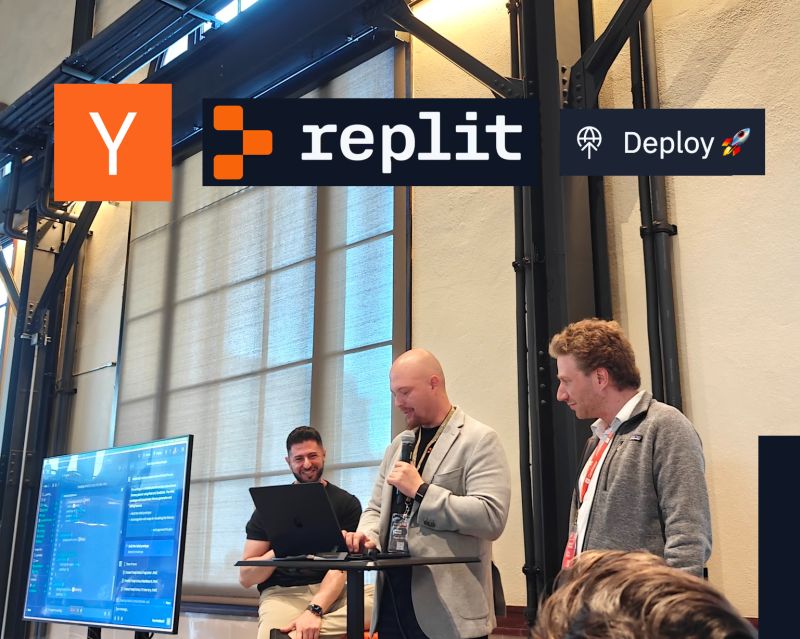
When a company's revenue jumps from $10 million to $100 million in nine months, you pay attention. When that growth comes from an AI agent that builds entire applications autonomously, you realize something fundamental just changed in software development. Replit Agent represents that change, and the numbers prove developers are ready for it. Replit started as a browser-based coding environment for education. Students could write Python or JavaScript without installing anything locally. Teachers loved it because setup time vanished. But the company saw something bigger. If you could run code in the browser, why not let AI write that code? That question led to Agent 3, an AI that doesn't just suggest code completions. It builds entire applications from scratch.
The teenager content rating update is genuinely important context. Teens under 18 now defaulting into 13 plus settings with parental override required to change it is a meaningful policy shift, not just optics.
the Pragmatic Engineer survey of 15,000 developers saying Claude Code is the most-used AI coding tool is a more meaningful data point than Sam Altman posting about 3 million weekly Codex users. Frequency of use versus actual preference are different things.
As someone who works in enterprise software, the multi-agent architecture is what I keep coming back to. Spinning up parallel subagents to handle different parts of a task simultaneously is not a gimmick. That is genuinely how complex workflows need to be handled, and very few consumer-facing products have shipped that cleanly.
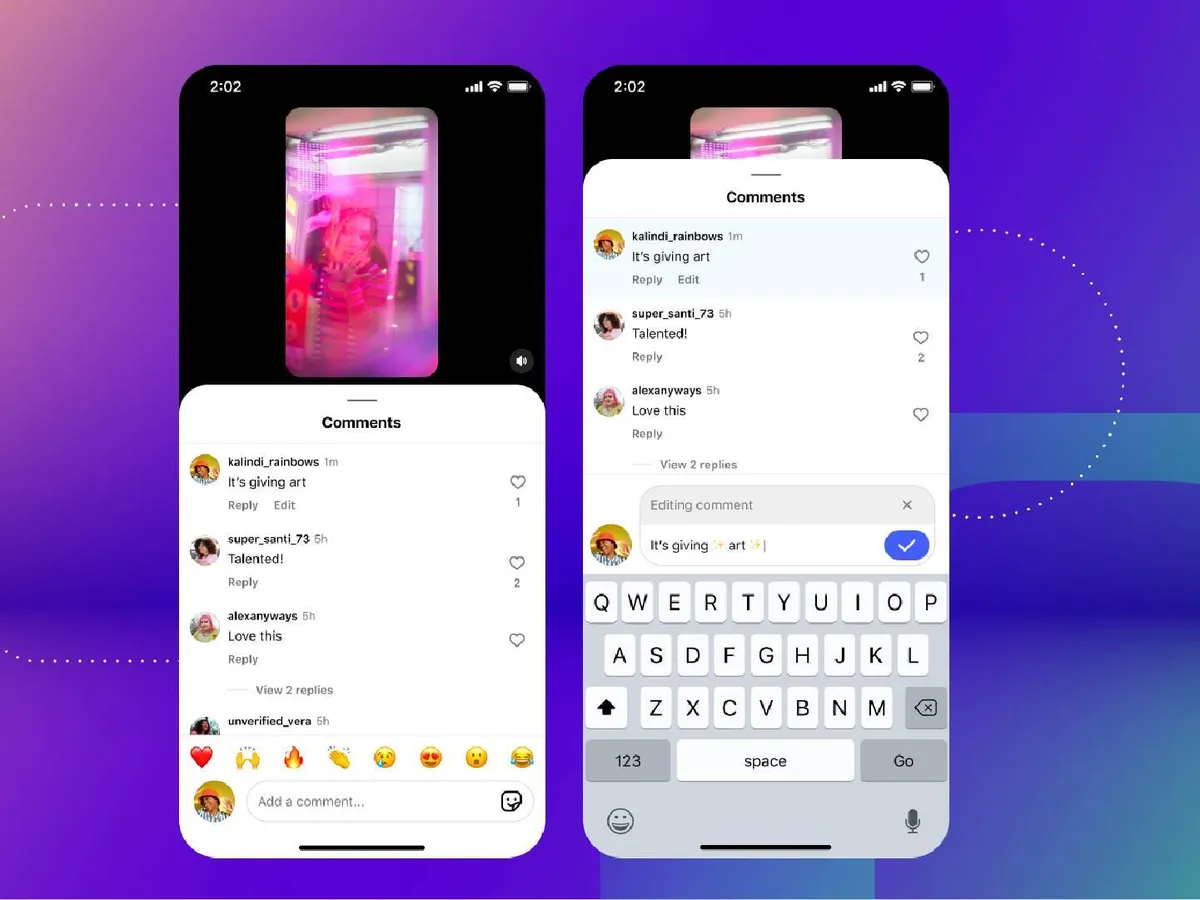
Instagram has rolled out a small but long overdue feature that users have been asking for years. You can now edit your comments after posting them. This simple change solves a very real frustration. Until now, fixing even the smallest typo meant deleting your comment and writing it all over again. That friction is finally gone. But there is a boundary. You get a 15 minute window after posting to make edits. Within that time, you can update your comment as many times as you want. There is also a layer of transparency built in. Once a comment is edited, others will be able to see that it has been modified. However, unlike platforms such as iMessage, Instagram does not show the edit history. What was originally written stays hidden.
In a rare divergence from industry norms, TikTok has confirmed it will not adopt end-to-end encryption (E2EE) for direct messages, breaking with nearly every major social media platform and reigniting one of the tech industry's most contentious debates. The Chinese-owned video platform told the BBC exclusively that it believes the privacy technology championed by Meta, Apple, and others as essential for user protection actually makes users less safe by creating "dark spaces" where harmful content can flourish beyond the reach of safety teams and law enforcement. The decision puts TikTok in direct opposition to its competitors while potentially exposing the company to fresh criticism over data protection, particularly given ongoing concerns about its ties to Beijing.