That is a fair and important distinction. The post is clearly written from a general wellness perspective, not a clinical management one. Those are different use cases.
15
Sign up to see more
SignupAlready a member?
LoginBy continuing, you agree to Sociomix's Terms of Service, Privacy Policy

That is a fair and important distinction. The post is clearly written from a general wellness perspective, not a clinical management one. Those are different use cases.
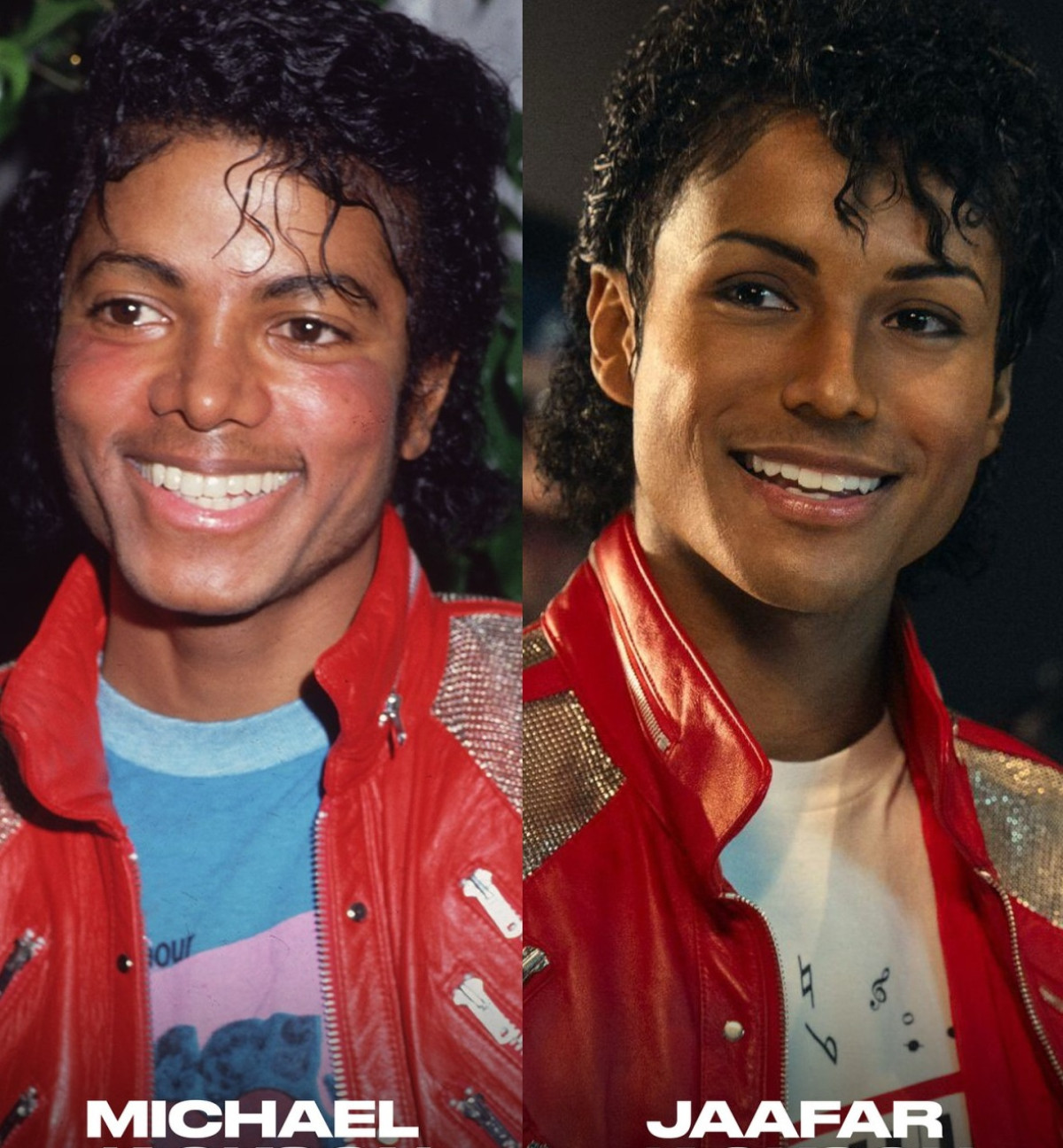
Jaafar Jackson plays Michael Jackson in the 2026 biopic Michael, and the story of how the 29-year-old newcomer landed the role is more interesting than the film itself. It started with a voice note. It involved a two-year global casting search with no formal auditions. It required Jaafar to keep the role secret from his own family for a full year. And it ended with his grandmother Katherine Jackson, the woman who knew Michael longest and loved him most, telling producers that her grandson didn't just resemble her son, he embodied him. After tracking every interview, behind-the-scenes video, and production report released since the film was announced, I can tell you that the choice of Jaafar was not nepotism, not a publicity play, and not the obvious pick everyone assumes it was. It was a hard-earned outcome of the most unusual casting process in recent biopic history, and here is how it actually happened.
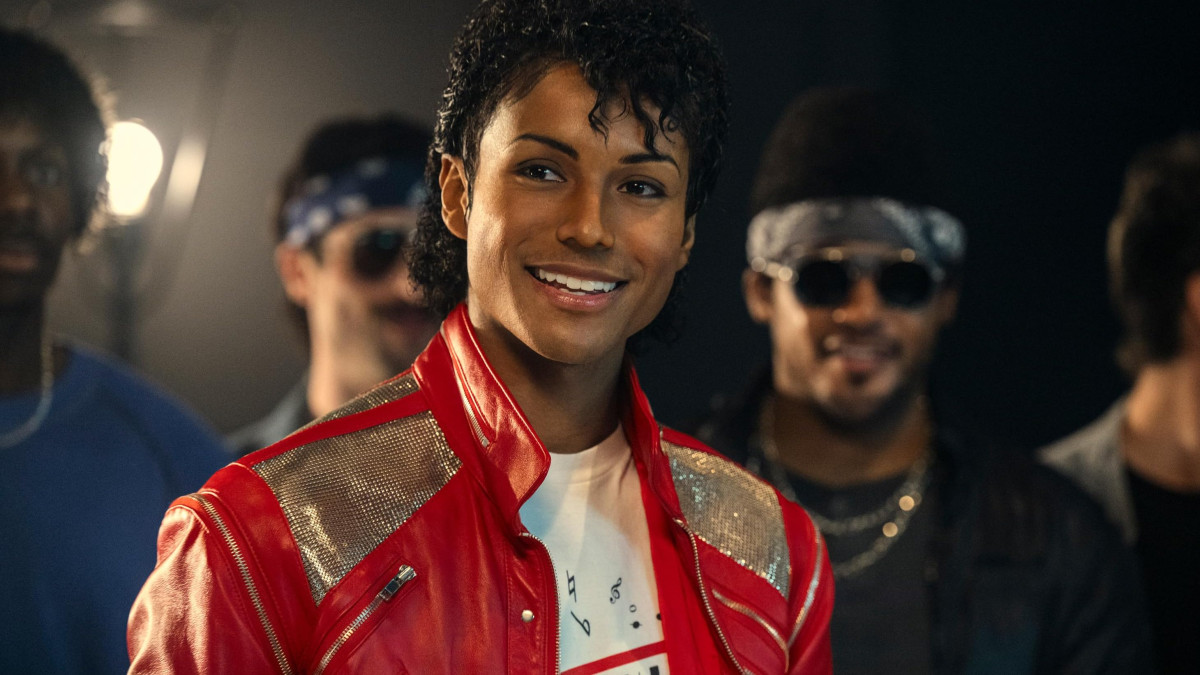
Saw an early screening last night and the Beat It sequence had the whole theater reacting out loud. Whatever you think about the rest of it, those musical set pieces are staged at a level I have genuinely not seen in a music biopic before.
The Michael movie review verdict is in, and it is more complicated than the 26% Rotten Tomatoes score suggests. Antoine Fuqua's long-delayed Michael Jackson biopic, simply titled Michael, hit theaters this weekend with Jaafar Jackson playing his late uncle, and the critical response has been brutal. The BBC gave it one star. Roger Ebert's site called it a filmed playlist in search of a story. Yet early audience reactions on social media have been warmer, ticket pre-sales suggest an $80 million opening, and Variety thought it worked as an engrossing middle-of-the-road biopic. After tracking coverage across more than a dozen outlets over the past 48 hours, I think the honest answer to "should you watch this?" depends almost entirely on what you want from a music biopic, and this guide breaks down exactly what the film delivers, what it skips, and who will actually enjoy sitting through its two-hour-and-nine-minute runtime.
The creators behind some of Webtoon's most successful psychological thrillers have returned with a series that's already generating intense discussion across manhwa communities. For fans who've been following the horror and thriller genre on digital platforms, Carnby Kim and Youngchan Hwang need no introduction. Their latest collaboration tackles themes of artistic plagiarism, obsession, and murder in ways that feel disturbingly relevant to current conversations about creative theft and AI-generated content. This guide covers everything you need to know about Copycat, from its premise and release schedule to how it compares with their previous masterpieces like Sweet Home and Bastard.

A proper anime adaptation needs to nail the background art showing the estate improving over time. That slow visual progression of the land transforming is a huge part of what makes completing each project feel satisfying.
The market is genuinely oversaturated right now. For every Second Coming of Gluttony there are fifteen series where the protagonist goes back in time and immediately becomes the strongest person alive with zero interesting obstacles.
Someone explain to me how a manhwa with a premise that sounds like a comedy bit about dying for skills became one of the most moving things in the genre. The tonal whiplash from premise to execution is extraordinary.
To the question above about production failures, this is actually why the human review layer matters so much. Developers who are succeeding with these tools are treating agent output as a draft, not a deployment. The oversight model changes everything.
While Synthesia leads in revenue, HeyGen leads in customer acquisition momentum with 152% year-over-year growth in mid-market adoption. That explosive growth rate allowed HeyGen to close much of the customer count gap by late 2025. The company is winning by making avatar video accessible to smaller teams and individual creators who cannot afford enterprise contracts but need professional video capabilities. HeyGen positioned itself for small and medium businesses, marketing teams, content creators, and solo entrepreneurs rather than enterprise learning and development departments. This market segment values affordability, ease of use, and creative flexibility over governance features and advanced integrations. Average contract values are roughly one-third of Synthesia's, reflecting this different customer profile.

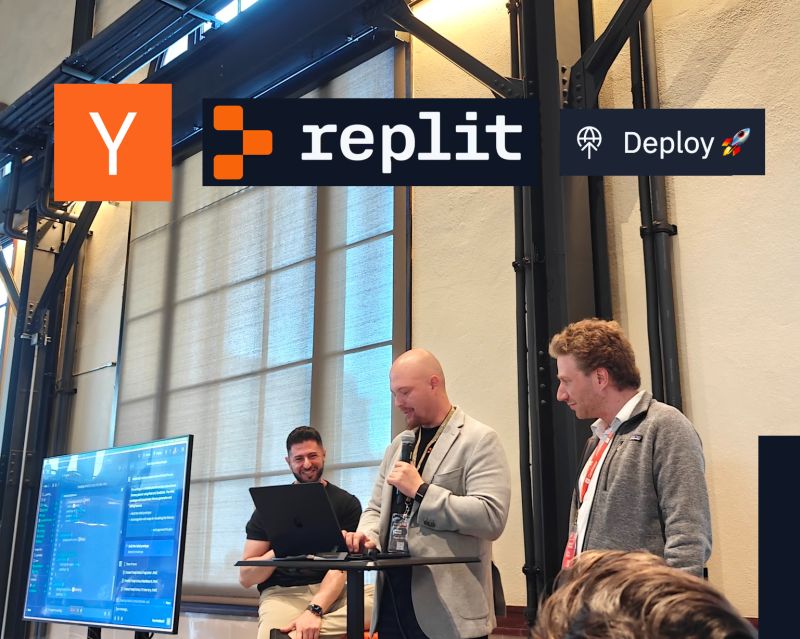
When a company's revenue jumps from $10 million to $100 million in nine months, you pay attention. When that growth comes from an AI agent that builds entire applications autonomously, you realize something fundamental just changed in software development. Replit Agent represents that change, and the numbers prove developers are ready for it. Replit started as a browser-based coding environment for education. Students could write Python or JavaScript without installing anything locally. Teachers loved it because setup time vanished. But the company saw something bigger. If you could run code in the browser, why not let AI write that code? That question led to Agent 3, an AI that doesn't just suggest code completions. It builds entire applications from scratch.
As someone skeptical of these benchmarks, the thing that matters to me is whether real clients can tell the difference between AI video and real footage. On hero shots, absolutely not. On secondary content and B-roll, Runway is getting close.
The article's point about semiconductor development operating on three to five year timelines is the key constraint that I do not think gets enough emphasis. This is not like shipping a software update. You commit resources today for outcomes that land in a completely different competitive environment.
My concern is the Fed. Every time markets price in cuts too early, Powell delivers a reality check. With inflation still sticky, the window for dovish pivot expectations is narrow.
The bit about evolving into visible revision logs like collaborative tools is the future I actually want. Comment threads on big posts become almost like documents. Seeing the history of how a conversation changed would be fascinating and would hold people accountable.
The global cryptocurrency market capitalization has climbed back above the $2.5 trillion threshold, fueled by a massive liquidation of short positions and renewed institutional interest. Geopolitical developments and shifting investor sentiment combined to create a powerful rally that caught bearish traders off guard, resulting in substantial losses for those betting against the market. According to data from CoinGecko, the total market capitalization of all cryptocurrencies combined increased 1.4% to reach $2.52 trillion on Friday, April 10. Bitcoin experienced a notable surge of over 3%, briefly touching the $73,000 mark before consolidating around $72,000 at the time of writing. Ethereum demonstrated equally impressive strength, pushing past the $2,200 level, while the majority of top 10 cryptocurrencies by market capitalization also posted significant gains.

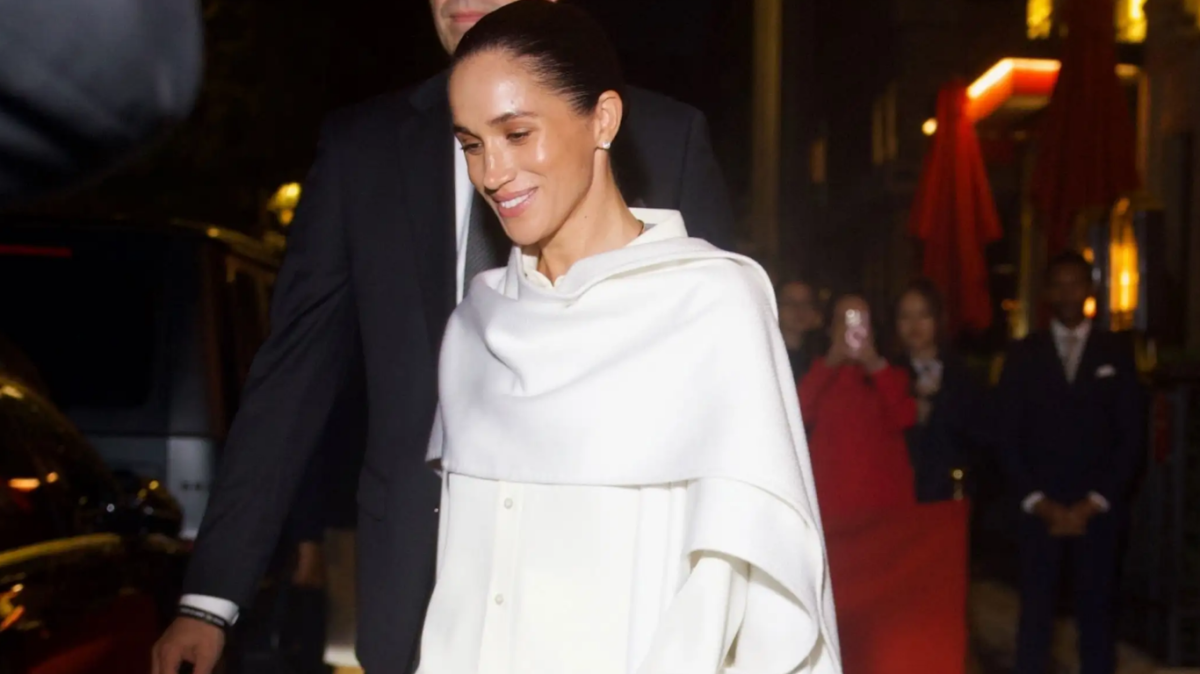
When you hear “Paris Fashion Week,” your mind races to haute couture, bold statements, and the world’s most glamorous attendees. But on October 4, 2025, the scene got a surprise guest—Meghan Markle, making what might be her most talked-about entrance yet. To call it a “debut” feels almost too neat, as if she’s stepping into a world she’s never touched. Yet, Meghan’s gradual evolution as a style influencer has been anything but accidental. Her Paris moment isn’t just celebrity spectacle; it’s a statement, a pivot, and a nuanced step into a new chapter. Here’s my take on why this matters.