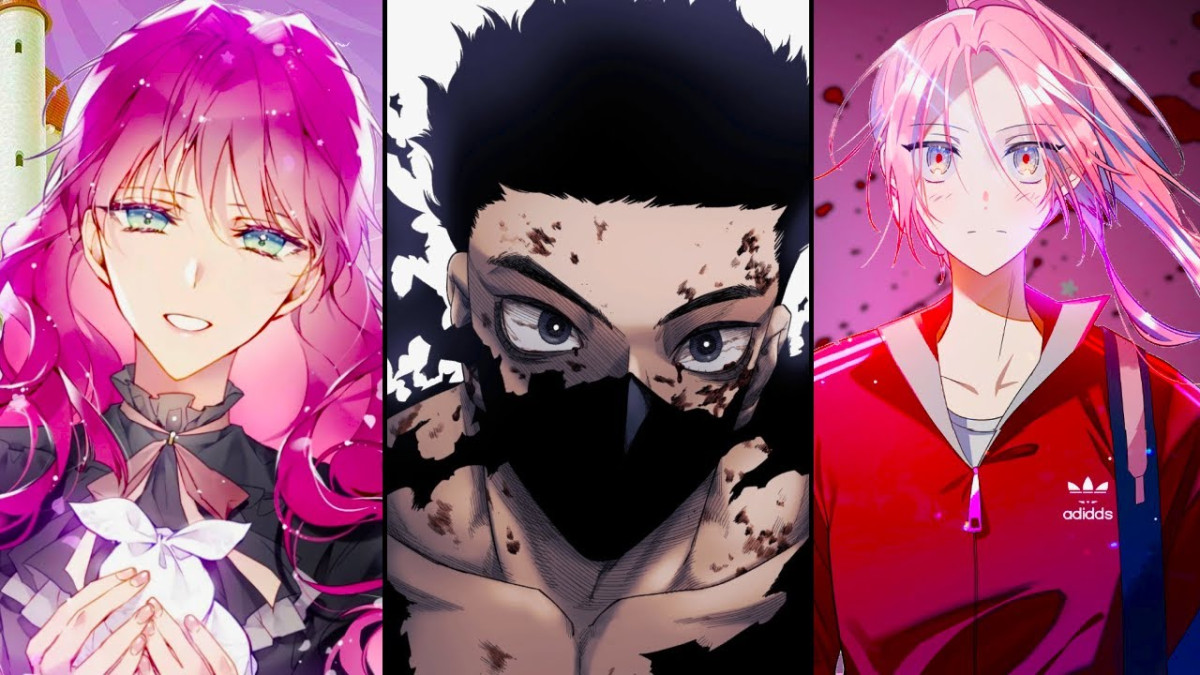
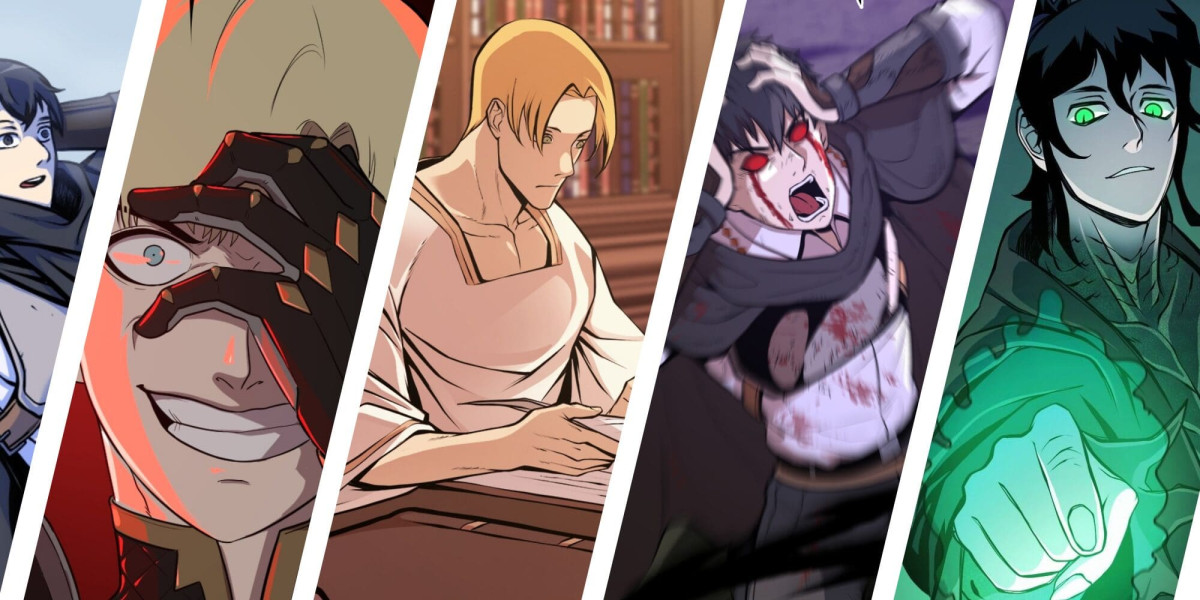
Tower climbing stories have become a dominant force in manhwa, but most follow predictable patterns. A protagonist enters a mysterious tower, gains powers, forms a party, and ascends floors while growing stronger. The formula works because progression feels satisfying and each floor presents new challenges. However, Doom Breaker takes this familiar framework and transforms it into something far more emotionally devastating and psychologically complex than typical tower stories.
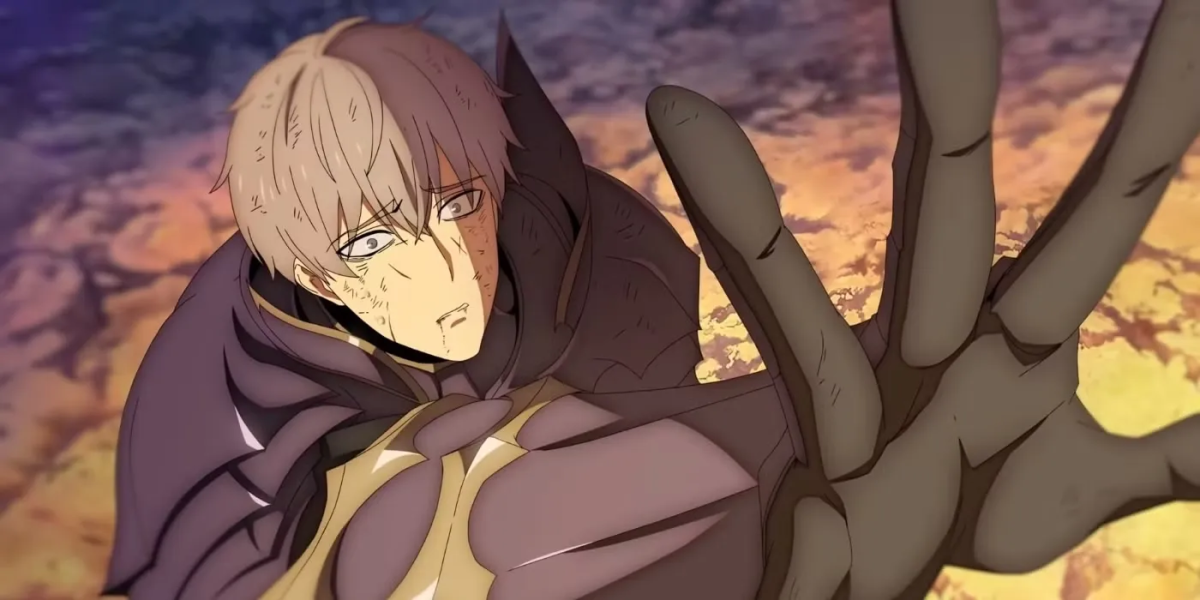
Also known as SSS-Class Suicide Hunter, Doom Breaker initially appears to be another power fantasy where the protagonist gains an overpowered ability. The premise sounds almost comedic. Kim Gongja can copy any skill by dying, then returns to life to use that ability. But beneath this seemingly absurd power lies a story about pain, sacrifice, redemption, and what it truly means to be a hero when heroism demands everything from you.
This guide explores why Doom Breaker stands apart from other tower climbing manhwa, what makes its emotional core so powerful, and why readers who thought they understood the genre find themselves completely unprepared for where this story goes.
The Premise That Subverts Your Expectations Immediately
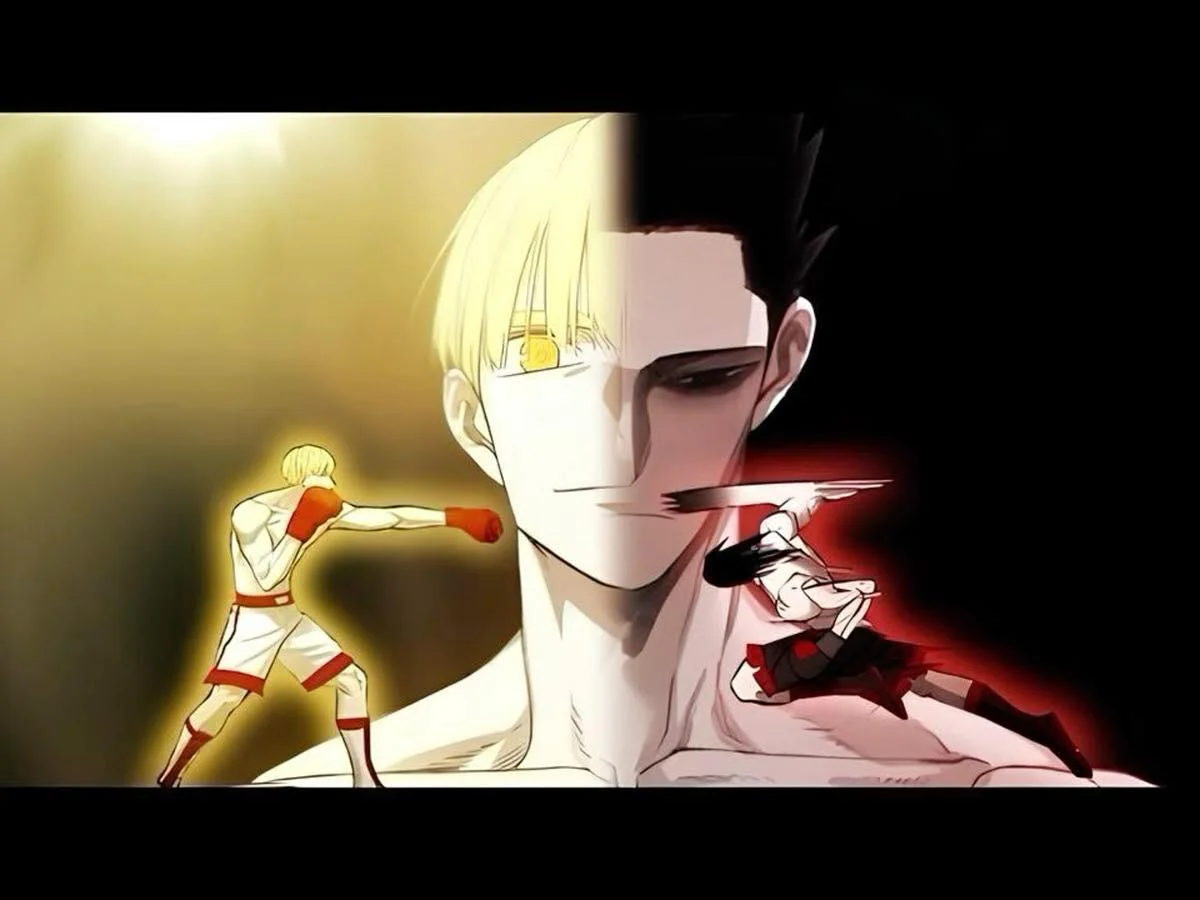
Kim Gongja starts as everything readers typically hate in a protagonist. He's envious, petty, and obsessed with a famous hunter named Flame Emperor who seems to have everything Gongja lacks. When Gongja gains a skill called "Ability Plunder" that requires him to die to copy someone's power, his first thought is using it for revenge against the person he envies most.
This setup deliberately positions Gongja as an anti-hero or even a villain protagonist. Most stories would either redeem him quickly through some noble action or lean into the dark protagonist angle fully. Doom Breaker does neither. Instead, it explores how someone consumed by negative emotions can transform through suffering and empathy into someone genuinely heroic.
The tower setting provides the framework, but the story cares far more about the people climbing it than the mechanics of ascension. Each floor presents scenarios that test character rather than just strength. Gongja's ability to copy skills by dying means he experiences death repeatedly, feeling the pain each time, understanding the final moments of those whose abilities he steals.
What makes this premise work is how the story treats death seriously despite Gongja's resurrection ability. Each death hurts. Each return to life carries trauma. The power that seems like an easy path to strength becomes a curse that forces Gongja to experience suffering most people endure only once, over and over again.
Understanding the True Cost of Gongja's Death and Rebirth Ability
On paper, dying to copy someone's skill sounds like a worthwhile trade. You die, you come back, you gain their power. Simple. But Doom Breaker forces readers to confront what dying actually means. Gongja feels the pain of whatever kills him. Stabbing, burning, crushing, drowning. Every sensation is real and agonizing.
Beyond physical pain, there's the psychological impact of experiencing death. The moment when life ends, when consciousness fades, when everything you are seems to disappear into nothing. Most people fear death because of this unknown. Gongja experiences it constantly and must continue functioning despite that repeated trauma.
The story also explores how dying affects relationships. People watch Gongja die. They grieve, they blame themselves, they carry guilt even though they know he'll return. His resurrections don't erase their pain or the memory of seeing someone they care about killed. The emotional toll extends beyond Gongja to everyone around him.
Additionally, there's the question of what dying repeatedly does to someone's humanity. Does experiencing death hundreds of times make it meaningless? Does Gongja start to value his own life less because he knows he'll return? The series examines whether someone can die so many times that they forget what it means to truly live.
The ability becomes less about gaining power and more about what Gongja is willing to sacrifice for others. He dies to understand people, to save them, to take their burdens upon himself. The copying skills aspect becomes secondary to the empathy forced upon him through shared death experiences.
The Relationship Between Kim Gongja and Flame Emperor
Flame Emperor is the legendary hunter Gongja envies at the story's beginning. He's powerful, respected, and seems to succeed effortlessly at everything. Gongja's obsession with him borders on hatred born from insecurity and inadequacy. This relationship could have remained simple antagonism, but Doom Breaker takes it in unexpected directions.
When Gongja finally confronts Flame Emperor and experiences his death to copy his abilities, he gains more than skills. He experiences Flame Emperor's memories, his struggles, the weight of responsibility he carries. Gongja realizes the person he envied suffered in ways he never imagined, that the strength he resented came from pain and sacrifice.
This revelation begins Gongja's transformation. Understanding someone completely through their death and memories creates a connection deeper than friendship or rivalry. Gongja can no longer hate someone whose pain he's felt firsthand. The envy transforms into respect, then something more complex that defies easy categorization.
As the story progresses, their relationship evolves from one-sided obsession to genuine partnership built on mutual understanding. Flame Emperor recognizes Gongja's growth and begins treating him as an equal rather than an annoyance. They learn to work together, complementing each other's strengths and compensating for weaknesses.
What makes this relationship compelling is how it mirrors the story's themes about understanding others through shared suffering. Gongja couldn't respect Flame Emperor until he walked in his shoes, felt his pain, understood his motivations from the inside. It's a meditation on empathy and how truly knowing someone changes how you see them.
Supporting Characters Who Break Your Heart
Doom Breaker excels at creating supporting characters who feel like complete people with their own stories, dreams, and tragedies. They're not simply tools for Gongja's development but individuals whose lives matter independently of the protagonist.
The Sword Empress represents strength hiding vulnerability. She's powerful and confident on the surface, but her backstory reveals deep wounds and fears. Her interactions with Gongja show how even the strongest people need support and how true strength sometimes means admitting weakness.
The Venomous Snake starts as an antagonist but becomes one of the most tragic characters in the series. His motivations make sense even when his actions are wrong. Watching him struggle between his goals and his growing connection to people who should be enemies creates genuine tension where you understand everyone's perspective.
The Regressor adds another layer of complexity to the story. This character has lived through the tower's scenarios before and carries knowledge of future events. Their relationship with Gongja explores what happens when two people with different types of future knowledge must work together while keeping secrets from each other.
Minor characters who appear for single arcs often receive more development than main characters in other series. The story takes time to show their backgrounds, their reasons for climbing the tower, their hopes and fears. When they die or succeed, it matters because you've grown to care about them as individuals.
What destroys readers emotionally is how the story treats character deaths. People don't die heroically with perfect final words and peaceful expressions. They die messily, unfairly, with regrets and things left unsaid. The permanence of these deaths contrasts sharply with Gongja's resurrections, making each loss hit harder.
How the Tower Floors Function as Character Studies
Most tower climbing stories focus on combat challenges or puzzles that test abilities. Doom Breaker uses floors to examine moral dilemmas, psychological trauma, and the darkest aspects of human nature. Each floor presents a scenario that reveals character through impossible choices.
Some floors force climbers to betray others to advance. The story doesn't shy away from showing how survival instincts override morality, how good people make terrible choices under pressure, and how living with those choices afterward can be worse than dying.
Other floors recreate traumatic memories or greatest fears made manifest. Climbers must confront their pasts, face regrets, and overcome psychological barriers more challenging than any physical opponent. These scenarios strip away pretense and show who people truly are when nothing can be hidden.
The tower itself seems designed to break people spiritually rather than just physically. It rewards ruthlessness while punishing compassion, creating an environment where maintaining your humanity becomes the real challenge. Characters must decide whether surviving is worth becoming someone they'd hate.
Gongja's ability to die and return gives him unique perspective on these scenarios. He can try different approaches, experience various outcomes, and learn from failures that would be permanent for others. But this advantage comes at the cost of experiencing the worst possible outcomes firsthand before finding the right path.
The Story's Exploration of Different Types of Heroism
Traditional heroes in tower stories overcome challenges through strength, intelligence, or unique abilities. They inspire others through their victories and become symbols of hope. Doom Breaker questions whether this type of heroism is the only valid form or even the most meaningful.
Gongja's heroism comes from willingness to suffer. He doesn't win through being the strongest or smartest. He wins by being willing to die as many times as necessary to find the solution that saves everyone. His victories are ugly, painful, and often go unrecognized by those he saves.
The story contrasts this with characters who embody traditional heroism. They're powerful, charismatic, and achieve impressive feats that earn admiration. But Doom Breaker shows how this type of heroism can be lonely, how the pressure of being a symbol can destroy the person underneath, and how adulation doesn't fill the void inside.
There's also exploration of failed heroism. Characters who tried to be heroes and failed, who made the wrong choice at the crucial moment, who couldn't save the people they loved. The story treats these failures with compassion, showing how the attempt matters even when the outcome is tragic.
Ultimately, Doom Breaker suggests that true heroism isn't about power or glory but about what you're willing to sacrifice for others. It's the unglamorous work of suffering so others don't have to, of bearing burdens without expectation of reward, of choosing the hard path because it's right even when no one will ever know.
Why the Art Style Perfectly Matches the Emotional Tone
The artwork in Doom Breaker deserves special recognition for how it conveys emotional depth and psychological states. Character expressions capture subtle feelings that dialogue alone couldn't communicate. You can see the weight of accumulated trauma in Gongja's eyes across different story arcs.
Action sequences are beautifully choreographed, but the art shines brightest in quiet moments. A character staring at their hands after making a terrible choice, the way someone's shoulders slump when they give up hope, the forced smile hiding despair. These small details make characters feel real and their emotions genuine.
The artist uses visual metaphors effectively to represent psychological states. When Gongja experiences someone's death memories, the art shifts to show their perspective, their final moments, their regrets. These sequences are often more impactful than the action-heavy panels because they create empathy through visual storytelling.
Panel composition guides readers through complex emotional beats without feeling manipulative. The pacing of quiet panels between action allows space for emotional processing. You're not rushed from one shocking moment to the next but given time to feel the weight of what just happened.
The color palette, particularly in digital versions, shifts to match tonal changes. Moments of despair feel visually darker and more oppressive. Moments of hope or connection brighten. This visual language reinforces the emotional journey without requiring explicit narration.
Comparing Doom Breaker to Other Tower Climbing Series
Tower of God is the most famous tower climbing manhwa and focuses heavily on worldbuilding, complex politics, and massive cast dynamics. Doom Breaker has a smaller core cast and cares more about deep character exploration than intricate world systems. Both are excellent but appeal to different preferences.
The tutorial is too hard takes the tower concept and adds comedy, treating it as a dark joke where the protagonist suffers comically through impossible challenges. Doom Breaker treats suffering seriously and examines its psychological impact rather than playing it for laughs, creating a very different emotional experience.
Omniscient Reader's Viewpoint shares themes about sacrifice and what it means to be a side character versus protagonist. Both series question traditional hero narratives. However, Omniscient Reader approaches this through meta-fiction and story awareness while Doom Breaker focuses on personal transformation through suffering.
Second Life Ranker features a protagonist climbing a tower to avenge his brother, gaining power through understanding how others died. The revenge focus differs from Doom Breaker's redemption arc, though both explore growing through experiencing others' deaths and memories.
The Most Devastating Story Arcs That Define the Series
Without spoiling specific plot points, certain arcs in Doom Breaker absolutely destroy readers emotionally. These arcs share common elements. They introduce sympathetic characters, make you care deeply about them, then force impossible choices where every option leads to pain.
One particularly brutal arc involves Gongja trying to save people who are already doomed. He dies repeatedly attempting different approaches, each time failing in new ways, experiencing their deaths alongside them. The futility and his refusal to give up despite knowing he might fail creates agonizing tension.
Another arc explores what happens when Gongja's deaths affect someone who loves him. Watching them break down each time he dies, knowing he'll return but unable to stop grieving, creates a unique form of suffering. The arc questions whether his resurrection ability is actually a blessing or curse for those around him.
There's an arc that deconstructs the concept of the perfect hero by showing what maintaining that image costs. The person bearing that burden slowly crumbles under the weight of expectations until something inside them breaks irreparably. It's a meditation on the impossibility of being what everyone needs you to be.
The most emotionally complex arcs involve moral ambiguity where there's no clear right answer. Characters make choices that are simultaneously understandable and terrible. You empathize with their reasoning while recognizing the harm their decisions cause. These grey areas make the story feel mature and realistic.
What Makes This Manhwa Hard to Recommend but Worth It
Doom Breaker is difficult to recommend casually because it demands emotional investment and delivers genuine pain. This isn't a comfortable read where you know the protagonist will find a clean solution that saves everyone. People die, stay dead, and their deaths have lasting consequences that echo through the story.
The series also requires patience with its protagonist. Gongja starts unlikeable and grows slowly through suffering and mistakes. Some readers bounce off early chapters because they can't connect with someone so consumed by envy and pettiness. The payoff for sticking with his journey is immense, but it requires faith.
Thematically, the manhwa explores heavy subjects like suicidal ideation, trauma, survivor's guilt, and existential despair. It treats these topics with respect rather than exploiting them for shock value, but they're present and might be difficult for some readers depending on their experiences and current mental state.
The pacing occasionally slows for character exploration when you're desperate for plot advancement. These quieter sections are crucial for the emotional impact of later events, but they can feel frustrating if you're expecting constant action and progression typical of tower climbing stories.
However, for readers willing to engage with challenging material, Doom Breaker offers something rare. It's a story that respects your intelligence, trusts you to handle complex emotions, and delivers genuine catharsis through earned character growth. The tears it draws aren't manipulation but natural response to beautiful, painful storytelling.
Understanding the Psychological Depth Behind Character Decisions
What separates Doom Breaker from shallower stories is how it explores the reasoning behind character choices. People don't act randomly or solely to advance plot. They make decisions based on their history, values, fears, and understanding of their situation. Even wrong choices make sense from their perspective.
The series shows how trauma shapes decision-making. Characters who've been betrayed struggle to trust. Those who've failed to protect others become overprotective or recklessly self-sacrificing. People carry wounds that inform their actions in ways they might not even consciously recognize.
There's also exploration of how knowledge affects choices. Gongja knows things through dying and experiencing memories. Other characters know things through regression or prophecy. The story examines how different types of knowledge create different burdens and how certainty can be as paralyzing as ignorance.
The manhwa doesn't shy away from showing how good people can do terrible things and bad people can have moments of genuine goodness. Morality exists in shades rather than absolutes. This complexity makes characters feel human rather than simply good or evil archetypes serving narrative functions.
Motivations evolve as characters grow and circumstances change. Someone driven by revenge might find new purpose. A selfish person might discover something worth sacrificing for. The story tracks these internal shifts carefully, showing the gradual process of change rather than sudden personality rewrites.
The Role of Death as a Teacher in Gongja's Journey
Death in Doom Breaker functions as Gongja's primary teacher. Each death teaches him something, whether it's understanding someone else's perspective through their memories or learning tactical lessons about what kills him and how to avoid it next time.
Through experiencing others' deaths, Gongja gains empathy impossible to achieve otherwise. You can't truly understand someone until you've walked in their shoes, and Gongja literally experiences their final moments, their regrets, their hopes. This forced empathy transforms him from self-centered to genuinely compassionate.
His own deaths teach him about fear and courage. Each time he dies knowing he'll return, he must overcome the primal terror of death to willingly die again when necessary. This requires courage of a different kind than facing an enemy in battle, the courage to embrace pain and oblivion repeatedly.
Death also teaches humility. No matter how powerful Gongja becomes, death remains his constant companion. He can't escape it, can't overcome it through strength or intelligence. This keeps him grounded and prevents the arrogance that corrupts many powerful characters in similar stories.
The series suggests that understanding death is necessary for understanding life. Gongja's repeated deaths give him perspective on what matters, what's worth fighting for, and what deserves to be protected. His unique relationship with death makes him value life more deeply than those who've only died once or not at all.
Why Readers Form Unusually Strong Attachments to This Story
Doom Breaker inspires passionate devotion from its fanbase in ways typical power fantasy manhwa don't. Readers form deep emotional connections to characters and story because the narrative earns that investment through genuine emotional stakes and character growth.
The story respects readers by not taking easy paths or offering false comfort. When something terrible happens, it has consequences. When characters grow, they do so through struggle and setback. This honesty creates trust between reader and story. You believe in the narrative's integrity.
Characters feel like people you know rather than fictional constructs. Their struggles mirror real human experiences even in fantastical settings. The specifics involve towers and supernatural powers, but the emotions of inadequacy, grief, hope, and connection are universally relatable.
The series also offers catharsis through showing that growth is possible even after terrible mistakes or profound suffering. Gongja starts in a dark place and slowly becomes someone worthy of admiration. Watching that transformation gives readers hope that change is possible in their own lives.
Additionally, the manhwa doesn't condescend or spell everything out. It trusts readers to understand complex emotions, pick up on subtle character moments, and draw their own conclusions. This respect for reader intelligence creates active engagement rather than passive consumption.
Final Thoughts on Why This Series Deserves Your Emotional Investment
Doom Breaker isn't the easiest tower climbing manhwa to read. It demands patience, emotional availability, and willingness to sit with uncomfortable feelings. But for readers seeking something deeper than typical power fantasies, it offers rewards few series can match.
The story proves that manhwa can handle complex psychological themes and emotional depth while still delivering satisfying progression and action. You don't have to sacrifice one for the other. The best stories integrate character growth with plot advancement seamlessly.
If you've ever felt inadequate, envious, or consumed by negative emotions, Gongja's journey offers hope without false promises. It shows that transformation requires work, suffering, and repeated failure. But it also shows that change is possible, that who you are now doesn't determine who you'll become.
For readers tired of protagonists who win through luck or inherent superiority, Gongja's victories through sacrifice and willingness to suffer provide refreshing alternative. His heroism comes from what he endures rather than what he achieves, making it accessible and inspiring in different ways.
Doom Breaker stands as proof that tower climbing stories can transcend their genre limitations to become profound explorations of what it means to be human, to suffer, to connect with others, and to find purpose in pain. It's not just the most emotionally complex tower climbing manhwa. It's one of the most emotionally complex manhwa period.
The novel goes significantly deeper, especially into Gongja's internal monologue during the death sequences. If the manhwa moved you, the novel will genuinely wreck you.
Genuinely curious, does anyone think the story loses emotional momentum in the later seasons or does it maintain that gut-punch quality all the way through? Asking before committing to a full reread.
Honestly the genre-hopping that some readers flag as a flaw is something I see as a feature. Each arc testing the story in a different genre mode keeps both the characters and the reader off balance in productive ways.
The Regressor arc is where the series gets genuinely philosophically dense. Two people who both know futures that conflict with each other trying to work together without revealing what they know is one of the most layered things the series does.
I have tried recommending this to friends who only watch anime and they consistently bounce off it after the first few chapters. The payoff requires investment that not everyone is willing to make. Not a flaw exactly, but worth flagging.
The article talks about how each floor presents moral dilemmas rather than combat tests. That design philosophy is doing something genuinely important for how the story builds character. Physical strength can be leveled up. Moral clarity is harder to scale.
The article nails it. Gongja starts as someone you almost root against, and that is exactly what makes his transformation hit so much harder than any traditional hero arc.
What the article describes as Gongja's heroism being ugly and painful and often unrecognized is the thing that separates it from basically every other manhwa I have ever read. Most stories want you to applaud the hero. This one makes you quietly ache for him.
The Regressor character is doing more interesting narrative work than most time-loop protagonists in the entire genre. The difference between reliving events and holding knowledge about events that have not happened yet is a distinction the series explores carefully.
Speaking from experience working with narrative design, the structure of using death as an empathy tool rather than just a power mechanic is genuinely clever writing. It forces both the protagonist and the reader to understand characters from the inside out.
The rough early chapters are kind of the point though. You are supposed to see Gongja at his most petty and unimpressive. If the beginning were polished and cool the transformation would mean nothing.
The supporting cast in this series is doing more emotional heavy lifting than most protagonists in competing titles. That detail about minor characters from single arcs getting real development is not an exaggeration.
For readers who come from literary fiction rather than manhwa, this is the series to start with. The emotional seriousness will feel familiar even if the format does not.
As someone who reads widely in this genre, the way this series handles what repeated sacrifice does to a person's sense of self-worth is unlike anything else out there. Gongja does not emerge triumphant and intact. He emerges marked.
What does everyone think about the Regressor character's role, because the article only touches on it but the dynamic between two people with different kinds of foreknowledge seems like it deserves its own analysis piece.
Hot take but Gongja's empathy forced through shared death experience is a more convincing character development mechanism than almost any training arc or battle result in any tower story. Pain as knowledge is a genuinely different idea.
The empathy-through-shared-death-experience concept is the series operating as something closer to a philosophical thought experiment than a power fantasy. That is both its greatest strength and the reason casual readers sometimes do not connect with it.
It maintains it. The later arcs are actually where the emotional payoff lands hardest because you have spent so long with these characters. Trust the process.
Respectfully pushing back on the claim that the art shines brightest in quiet moments. The action sequences are extraordinary and not giving them credit alongside the emotional beats feels like selling the complete package short.
The Venomous Snake arc made me root for someone doing objectively wrong things and then made me feel guilty for doing that. That is a level of moral complexity I was not expecting.
The story treating heroism as the unglamorous work of suffering so others never have to feels like a direct philosophical argument against the typical power fantasy setup. It is not subverting the genre so much as interrogating it.
Calling the early chapters rough is being generous. They are a genuine test. But the series earns your patience in ways almost nothing else in the genre does.
The point about Gongja's resurrections not erasing the grief of people who witnessed him die is something the article highlights well and something the story executes brilliantly. The trauma distributes outward, it does not just stay with him.
The post is a bit too generous. The early chapters are genuinely rough to sit through and asking readers to push past them is a hard sell when there are so many better-paced alternatives available right now.
Season 4 feels like the writer is working with all the narrative debt the previous seasons accumulated and finally cashing it in. The emotional stakes feel grounded in everything that came before.
The question the article raises about dying hundreds of times and losing what it means to truly live is answered so quietly and gradually in the narrative that you almost miss when the story makes its point. That subtlety is everything.
My one genuine critique is that the pacing occasionally stutters during transition arcs between major story beats. The emotional core is unimpeachable but the structural connective tissue is sometimes a little thin.
Omniscient Reader operates on a different emotional register entirely. Doom Breaker is more intimate and personal where Omniscient Reader is epic and mythological. Both are complex but in genuinely different ways.
It is wild that the premise is basically a joke setup and the story builds something genuinely profound from it. Whatever the creative team is doing it works.
Finished the novel source material and the manhwa adaptation captures the emotional tone better than expected. Some adaptations flatten the psychological depth but this one actually enhances it with the visual storytelling.
Does the novel go further into Gongja's psychological state after hundreds of deaths, or does the manhwa cover that sufficiently? Curious whether the source material is worth seeking out separately.
Reading this series as someone who lost someone important felt unexpectedly therapeutic in a strange way. The series takes grief seriously as something that changes you rather than something you overcome.
The comparison to other tower manhwa is fair but the article undersells how much the genre has actually evolved broadly. Several recent series are pushing emotional complexity. Doom Breaker is the best at it but it is not alone.
Someone explain to me how a manhwa with a premise that sounds like a comedy bit about dying for skills became one of the most moving things in the genre. The tonal whiplash from premise to execution is extraordinary.
Three separate times while reading this series a minor character I had just started caring about died unfairly with things unresolved and I had to put my phone down and take a walk. The series earns its reputation.
The part of the article about how supporting characters die messily and unfairly with regrets and things left unsaid rather than heroically is the most accurate description of what makes this emotionally different from standard fare.
Okay but can we talk about how the art during the death memory sequences is genuinely some of the most expressive work in the entire tower climbing genre? The way emotion is communicated without a single word is stunning.
The whole concept of copying skills by dying would be a punchline in a lesser series. The fact that this manages to turn that premise into something genuinely devastating is a writing achievement worth acknowledging.
The article never mentions the comedy elements and honestly that is a gap. The series uses humor more effectively than most readers expect and it makes the dark moments land harder by contrast.
The difference is how the connection is formed though. Most rivals-to-partners arcs use shared battles or mutual respect built over time. This one uses literally experiencing someone's death from the inside. That is not comparable.
Pushing back slightly on the most emotionally complex framing in the title. Complex is not always better and some readers want different things from their reading experience. The emotional intensity here is intentional but it is not for everyone and that is okay.
The floor design in this series is genuinely the most creative use of the tower setting anyone has attempted. Floors as moral dilemmas rather than combat tests is such an obvious idea in retrospect that it is surprising nobody did it this effectively before.
The article's point about the tower being designed to break people spiritually rather than physically is the most insightful framing I have seen applied to this series. The environment as antagonist is underutilized in analysis of this story.
Doom Breaker is proof that the tower climbing genre still has unexplored territory. People were calling it creatively exhausted two years ago and then this exists.
This is the series where I finally understood why people read manhwa over watching anime adaptations of similar stories. The visual pacing of a chapter being something you control changes how emotional moments land completely.
The genre-hopping can be jarring though. There are arcs that tonally feel like a completely different series and not everyone finds that productive. Legitimate criticism even if the overall product is strong.
Season 4 starting from where season 3 ended is doing things with the established emotional groundwork that feel genuinely earned rather than escalatory for its own sake. The series knows what it is building toward.
One-sided from Gongja's perspective. Flame Emperor does not directly experience the transfer. What changes him is seeing how Gongja acts differently toward him afterward and gradually understanding why.
As a reader who usually bounces off emotional manhwa because they manipulate rather than earn their moments, this series genuinely earned every single one of mine. The difference between manufactured sadness and real consequence is something this writer understands.
The novel having 400 completed chapters across 16 volumes while the manhwa is still adapting it means there is so much more story ahead for anime-only adjacent readers. The adaptation is paced well enough that this should run for a long time.
This series alongside a couple others publishing recently feels like a genuine creative moment for the manhwa medium. The ambition level is different from even five years ago.
Very good point. The earlier arcs especially have comedic timing that genuinely works and readers who hear it is emotionally devastating sometimes go in braced for unrelenting darkness and miss the full tonal range.
The art during the floor sequences where climbers confront their worst memories deserves a separate deep-dive post. The visual language shifts in those moments are deliberate and layered.
Walking in on a friend reading this series at the chapter where a certain minor character from the merchant arc dies and trying to explain manhwa to someone who has never read it before is an experience.
The found family dynamic that develops across arcs is something the article gestures at but does not fully explore. That element carries a lot of the emotional weight in the later half of the story.
The art comment in the article is not hyperbole. The forced smile hiding despair visual that gets referenced actually appears so subtly that you catch it and feel like you discovered something. That level of visual storytelling is rare.
The title of this article is a bold claim and I came in skeptical. Finished reading the article and still think the claim needs more qualification but the argument is better than expected.
Hard agree on the emotional earning point. The deaths in this series hit because you understand why the person mattered before they go. They are not props.
As someone who has read a lot of psychological fiction across different mediums, the way this series handles trauma accumulation is unusually sophisticated. Most stories treat repeated trauma as something you just power through. This one treats it as something that reshapes you whether you want it to or not.
Unpopular opinion but the Flame Emperor relationship is actually kind of overhyped within the fandom. The dynamic is well written but the article frames it as uniquely profound when similar rivals-to-partners arcs appear in plenty of other series.
The comparison between Gongja's heroism and the traditional heroism characters feels relevant to a broader shift happening in fiction right now. Readers are increasingly skeptical of the effortless charismatic hero type. This series gives you something more honest.
Wait does the article imply Flame Emperor experiences Gongja copying his death memories from his own perspective, or is that a one-sided thing? The phrasing was slightly ambiguous.
Hot take but the Sword Empress would carry a solo series without any supporting cast and Doom Breaker is almost too generous with her by keeping her in a supporting role.
The physical sensation of death being real and not abstracted away is such a specific creative choice. Most power fantasy stories give you the upgrade without the cost. Making the cost visceral and ongoing changes the entire emotional contract with the reader.
okay yeah the part about experiencing death hundreds of times and potentially losing what it means to truly live got me. that is not a question most fiction even thinks to ask.
Genuinely asked someone to recommend something as good as Doom Breaker and they said nothing comes close right now. That might be hyperbole but after reading it myself I understand the feeling.
I will play devil's advocate and say the article overclaims when calling this the most emotionally complex tower climbing manhwa. Omniscient Reader has a legitimate argument for that title and comparing the two is not straightforward.