The vertical scroll format is actually one of the things Kim and Hwang use brilliantly. Some of the reveals in Bastard only land the way they do because of the long scroll before them. Copycat is already doing this in chapter 3.
12
Sign up to see more
SignupAlready a member?
LoginBy continuing, you agree to Sociomix's Terms of Service, Privacy Policy

The vertical scroll format is actually one of the things Kim and Hwang use brilliantly. Some of the reveals in Bastard only land the way they do because of the long scroll before them. Copycat is already doing this in chapter 3.
The physical reality of datacenter work is something no amount of research can fully prepare you for. The scale, the noise, the heat, the stakes. You either find that environment motivating or you do not. Worth figuring that out before making a full career pivot.
The technology sector is experiencing a paradox. While headlines scream about mass layoffs at major tech companies, a critical shortage is quietly building in one of the most essential areas of digital infrastructure. Datacenters, the physical backbone of our digital world, are facing an unprecedented demand surge, and there simply are not enough skilled professionals to build and maintain them. Countries across the globe are rushing to establish their own datacenter infrastructure. From India's ambitious plans to become a datacenter hub to the European Union's push for data sovereignty, and emerging markets in Southeast Asia and Latin America building their first large scale facilities, the construction boom is just beginning.

Okay but can we talk about how Bigang being unable to use inner power is actually the key to everything? The thing that made him worthless is the exact reason he survived the demons' experiments. That kind of narrative symmetry is rare in manhwa.
For anyone who has been on the fence about starting manhwa, the current moment is genuinely the best possible time. More series are being adapted and localized than ever before and the quality ceiling keeps rising.
Still not fully convinced the BL isekai formula needed reinventing rather than simply a competent execution of its existing potential. Sometimes a genre does not need subversion. It just needs a story told well. Will wait to see if the series earns the reinvention label.
Counter argument to the article's position. Not every reader will find Yu's emptiness compelling. For some people, having a protagonist who genuinely does not care is a barrier that never dissolves no matter how good the surrounding story is.
The most emotionally devastating thing about this series is not anything dramatic that happens. It is the quiet accumulation of ordinary moments the messenger witnesses and cannot participate in.
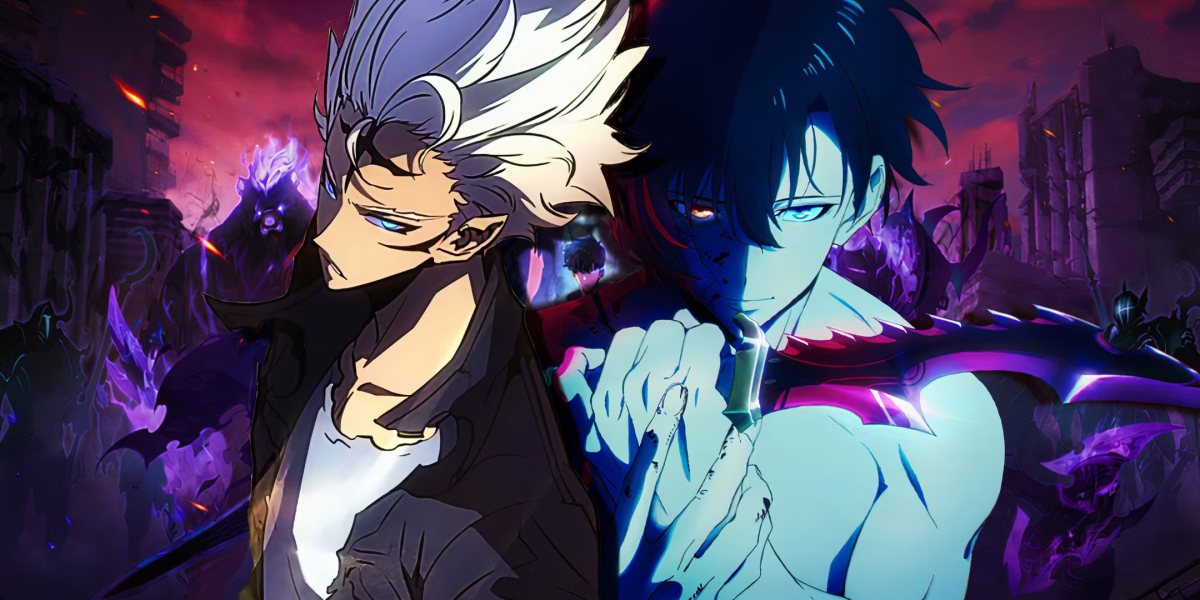
The manhwa world exploded when Solo Leveling first introduced us to Sung Jinwoo's journey from the weakest hunter to humanity's strongest defender. Now, Solo Leveling Ragnarok brings a fresh perspective to this beloved universe, and fans everywhere are asking the same questions. Can the sequel live up to the original? Do you need to read Solo Leveling first? What makes this continuation worth your time? This guide covers everything you need to know about Solo Leveling Ragnarok, whether you're a longtime fan or someone curious about jumping into the series Solo Leveling Ragnarok is not a reboot or alternate timeline. This is a direct sequel that continues the story years after the original series concluded. The protagonist shifts from Sung Jinwoo to his son, Sung Suho, who must forge his own path in a world still recovering from the catastrophic events his father prevented.
Thinking about how manhwa adaptations into anime are becoming increasingly common and wondering how a story like this would even translate. The pacing is so specific to the reading experience.
When Tomb Raider King first exploded onto the manhwa scene, it brought a fresh take on dungeon crawling stories by combining archaeological adventure with ruthless protagonist energy and a treasure-hunting premise that felt genuinely different from typical gate and dungeon narratives. The series built a dedicated fanbase through its satisfying blend of historical artifact powers, strategic relic acquisition, and a protagonist who wasn't afraid to be morally gray in pursuit of his goals. Now, with the anime adaptation confirmed for 2026 as one of the most anticipated manhwa-to-anime projects, Tomb Raider King is experiencing a resurgence. New readers are discovering the series while longtime fans eagerly await seeing Jooheon Suh's relic-hunting adventures brought to life with animation. The timing couldn't be better, as the series has built enough content to support a substantial adaptation while maintaining momentum in its ongoing storyline.

Replying to the Dungeon Reset question. It stays consistently enjoyable but the pacing does slow considerably once other characters arrive and the solo survival phase ends. Some people prefer the early solo chapters.
Unpopular opinion but Lee Gilyoung and Shin Yoosung are the emotional core of the entire series for me. Every choice Dokja makes feels more meaningful because protecting them is always somewhere in the calculation.
When you think of murim manhwa, your mind probably conjures images of ancient martial arts sects, internal energy cultivation, and warriors battling with swords and bare fists in historical settings. Science fiction elements like outer space invasions, advanced technology, and apocalyptic scenarios belong to completely different stories. Return of the Demonic Instructor takes these seemingly incompatible genres and weaves them into something genuinely innovative. Released on Webtoon in January 2026, this series arrived at the perfect moment when readers were hungry for fresh takes on established formulas. The premise alone sounds wild. A murim world gets invaded by demons from outer space, forcing martial artists to adapt centuries-old techniques to fight extraterrestrial threats. Then throw in regression, magic systems, and apocalyptic survival elements for good measure.
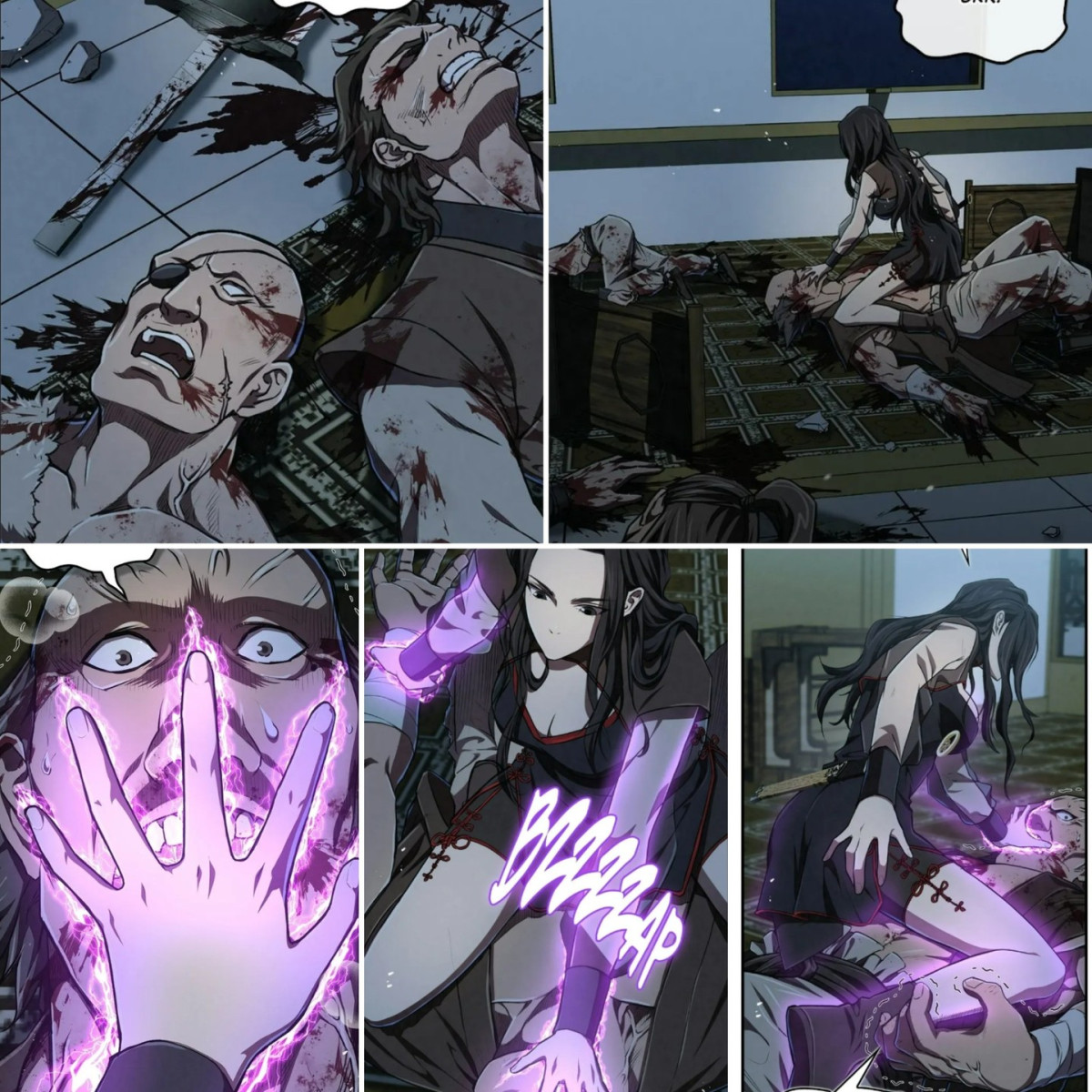
Sports anime and manga have delivered countless memorable series over the decades, from Slam Dunk's basketball brilliance to Haikyuu's volleyball excellence. These stories typically follow familiar patterns: talented but inexperienced protagonist joins a team, forms bonds with teammates, faces rivals, grows through competition, and ultimately pursues championship glory. The formula works because it taps into universal themes about effort, teamwork, and self-improvement. The Boxer, created by JH, takes everything you expect from sports stories and systematically deconstructs it. The protagonist doesn't love boxing. He doesn't form deep bonds with teammates. He doesn't overcome challenges through friendship and determination. Instead, the manhwa presents one of the darkest, most psychologically complex examinations of combat sports ever created, wrapped in stunningly minimalist artwork that elevates the narrative to something approaching high art.
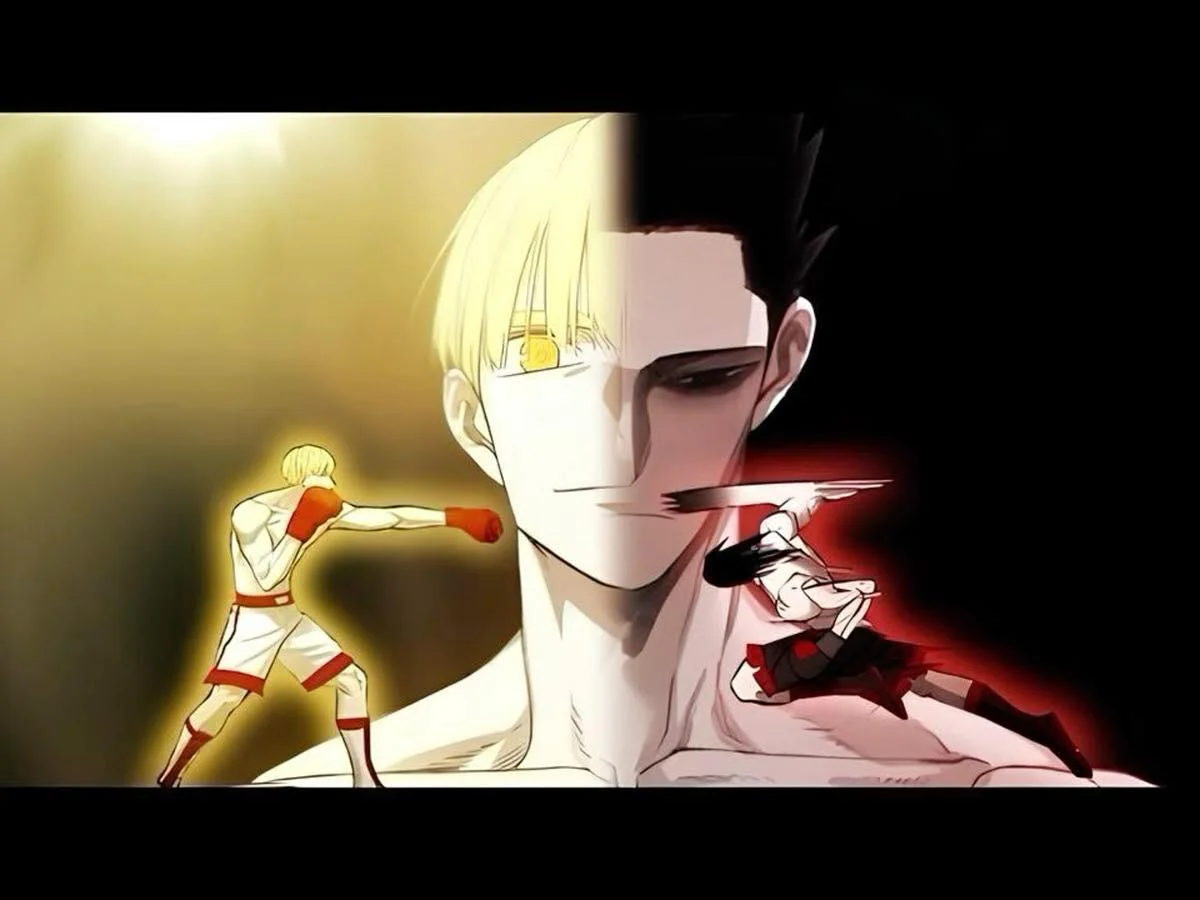
When a company's revenue jumps from $10 million to $100 million in nine months, you pay attention. When that growth comes from an AI agent that builds entire applications autonomously, you realize something fundamental just changed in software development. Replit Agent represents that change, and the numbers prove developers are ready for it. Replit started as a browser-based coding environment for education. Students could write Python or JavaScript without installing anything locally. Teachers loved it because setup time vanished. But the company saw something bigger. If you could run code in the browser, why not let AI write that code? That question led to Agent 3, an AI that doesn't just suggest code completions. It builds entire applications from scratch.
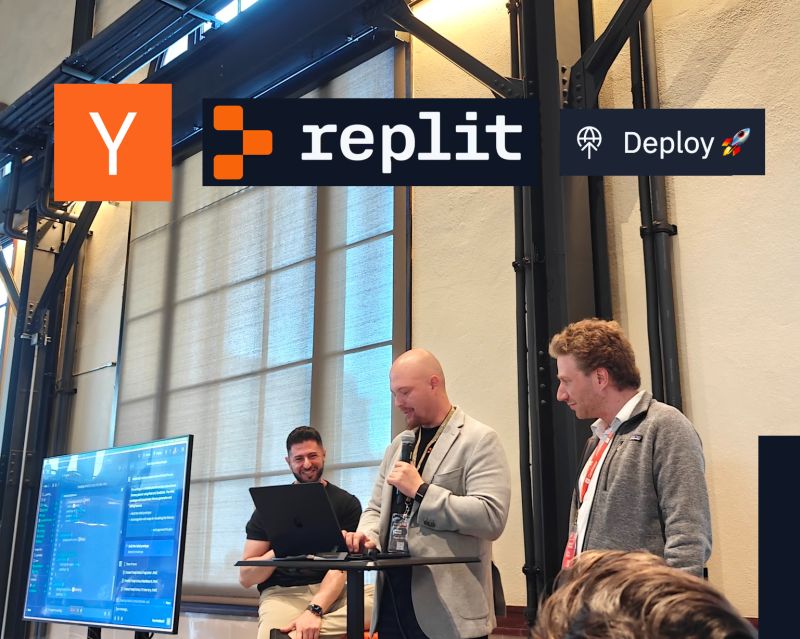
The article describes Bolt as having grown faster than almost any development tool in history and that claim holds up when you look at the numbers. Four million ARR in the first month of launch is not normal growth.
As someone who works in open source software maintenance, I want to be genuinely excited about this and I mostly am. The donation to open source foundations is a real thing, not just a press release line. But the day-to-day reality of a small team trying to respond to AI-discovered vulnerabilities at scale is daunting.
That framing is not just branding though. The partners are specifically tasked with patching what is found, and the 135-day disclosure requirement means findings cannot just be buried. The incentive structure is pointed in the right direction even if it is imperfect.
Respectfully, the article is underselling how competitive the field is at this exact moment. The same week Muse Spark launched, Google, OpenAI, and Anthropic all had major moves. Meta got a good headline but the frontier labs are not standing still.