
Immediately thought the same thing. The premise almost reads like it was conceived with a potential adaptation in mind. Contained location, procedural structure, morally ambiguous lead. That is a very produceable story.
12
Sign up to see more
SignupAlready a member?
LoginBy continuing, you agree to Sociomix's Terms of Service, Privacy Policy

Immediately thought the same thing. The premise almost reads like it was conceived with a potential adaptation in mind. Contained location, procedural structure, morally ambiguous lead. That is a very produceable story.
Suho's self-doubt arc in the early chapters hit harder than expected. The idea of growing up knowing your father is essentially a god and then having to prove yourself worthy of even a fraction of that is genuinely compelling.
Omniscient Reader is the correct answer for beginners who actually want a complete, satisfying story. Solo Leveling is better as spectacle but ORV is better as literature.
The software development world just witnessed something unprecedented. A European startup called Lovable reached $20 million in annual recurring revenue in just two months, making it potentially the fastest-growing startup in European history. But here's the twist that's making traditional software agencies nervous: they did it by giving non-technical founders the power to build full-stack applications without writing a single line of code. For years, the promise of no-code tools has been the same: anyone can build an app. But the reality has always been different. You'd create a beautiful frontend, get excited about your progress, and then hit the technical cliff. Suddenly you needed to configure databases, set up authentication, manage API keys, and deploy to servers. The "no-code" dream became a "hire-a-developer-anyway" nightmare.
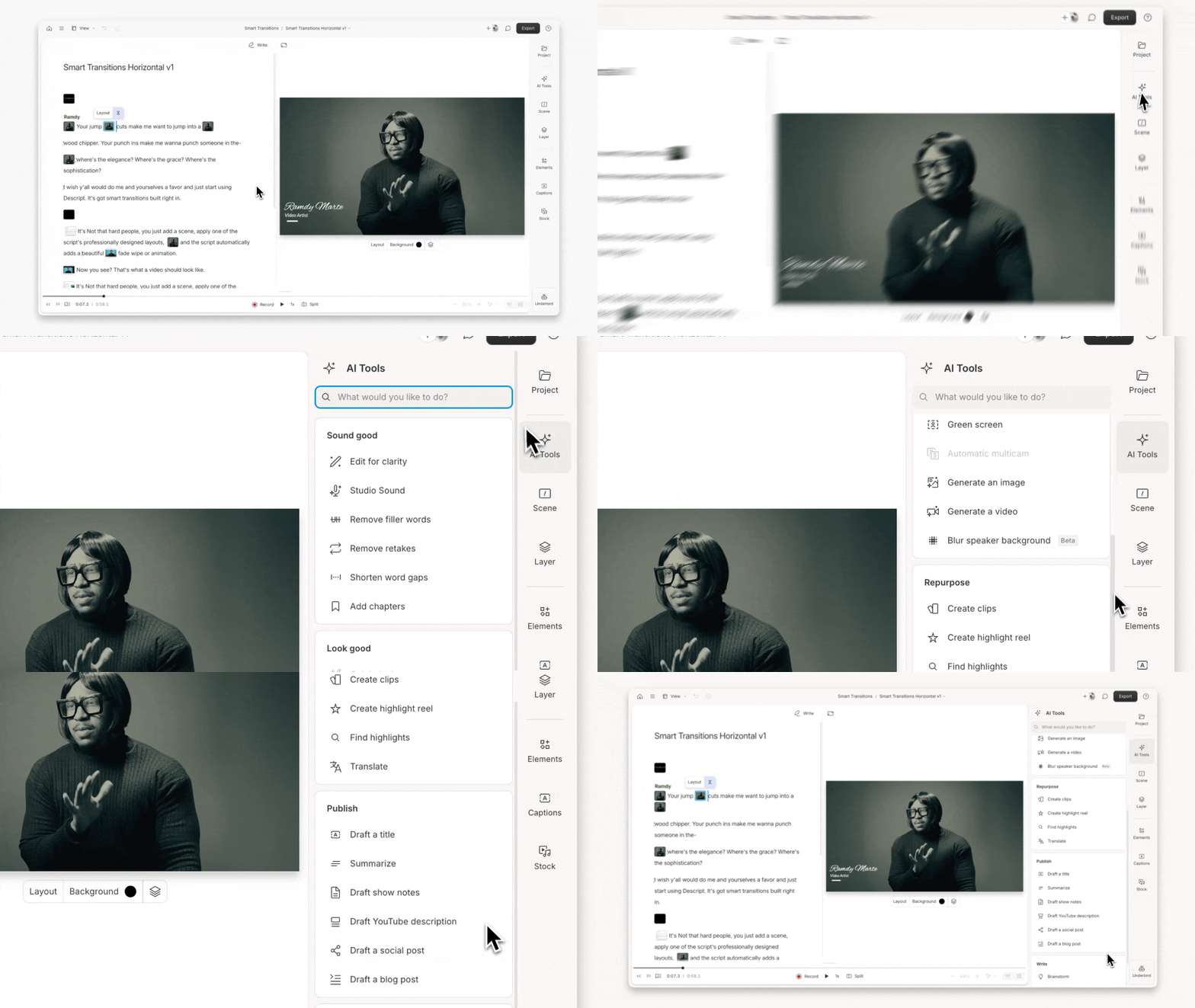
Most people can edit a Google Doc. Delete some words, rearrange sentences, fix typos, add paragraphs. It's intuitive and requires no special training. Now imagine editing video the same way. That's Descript's core innovation, and it transformed video editing from a specialized skill requiring expensive software into something anyone who can edit text can do effectively. Descript started as a transcription tool for podcasters. Record your podcast, upload it to Descript, and get an accurate transcript for show notes. But the founders realized something bigger. If you have a perfect transcript synchronized to audio, you can edit the audio by editing the text. Delete a word from the transcript and that word disappears from the audio. That insight became the foundation for a complete editing platform.
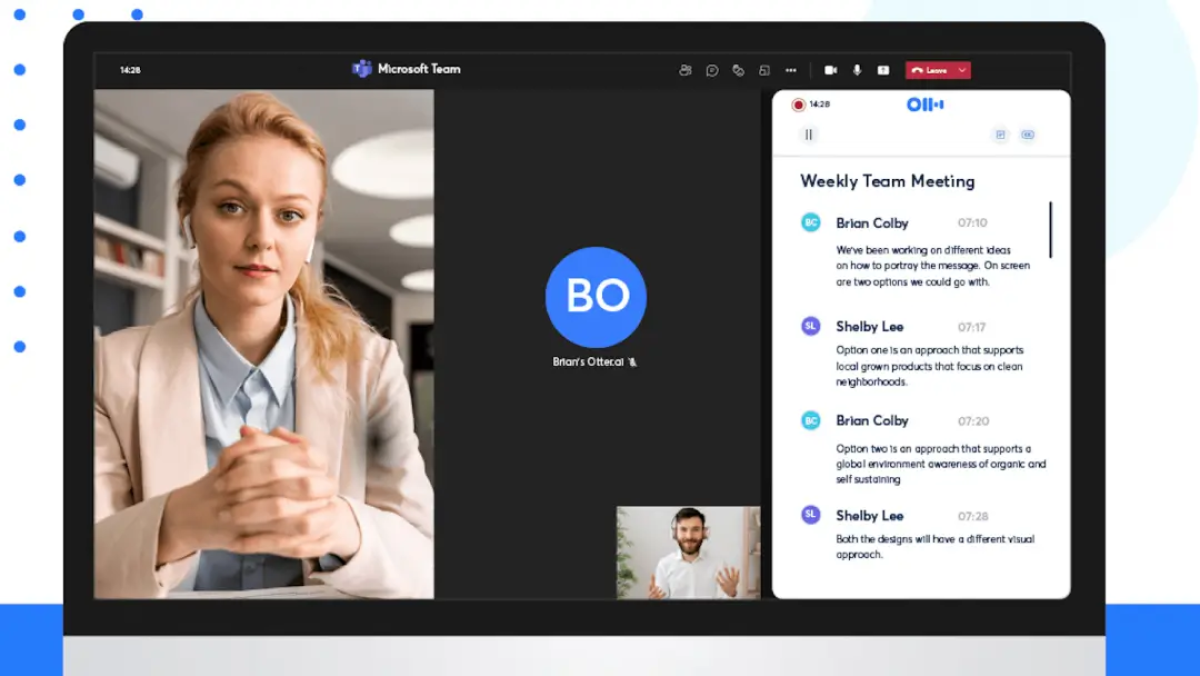
Knowledge workers spend an average of 18 hours per week in meetings. Much of that time involves routine status updates, recurring check-ins, and informational sessions where your physical presence adds minimal value. Otter.ai introduced a provocative concept called OtterPilot: an AI assistant that joins meetings autonomously when you can't attend, records everything, generates summaries, and answers questions about what happened. Connect Otter.ai to your calendar. The system monitors your scheduled meetings and automatically joins Zoom, Google Meet, or Microsoft Teams calls when they start. OtterPilot records audio, generates real-time transcripts, identifies speakers, and creates AI summaries with action items. You receive a meeting briefing without attending the meeting yourself.
From zero to 30 billion ARR in roughly two years. I've worked in enterprise software for over a decade and this genuinely does not have a historical comparison. Nothing in traditional SaaS scaled this way.
Developers have a new anxiety in 2026: token anxiety. You're in the middle of debugging a complex problem, the AI is helping you refactor three files simultaneously, and suddenly you wonder if this session is about to cost you $50. That mental tax slows you down and makes you second-guess using the tool you're paying for. Windsurf eliminated that anxiety with a simple decision: flat monthly pricing with no token limits. Fifteen dollars per month. Unlimited usage. No tracking credits or calculating costs per query. That pricing model sounds almost boring compared to the complex token systems other AI coding tools use, but boring is exactly what professional developers want when it comes to pricing. They want predictable costs and unlimited usage so they can focus on writing code instead of budgeting AI queries.

As someone who works in risk management, a 2.6x imbalance between short and long liquidations on a single day is genuinely extreme. That's not a normal market signal, that's capitulation by a specific cohort of traders.
Genuine question, how does encrypting DMs actually work differently from, say, Signal versus what TikTok is doing now with transit encryption? Like what is the actual practical difference for the average user?
The dislike button that Adam Mosseri confirmed was in testing earlier last year might actually be more consequential than editable comments. A private downvote mechanism would fundamentally change how people interact in comment sections.
The global cryptocurrency market capitalization has climbed back above the $2.5 trillion threshold, fueled by a massive liquidation of short positions and renewed institutional interest. Geopolitical developments and shifting investor sentiment combined to create a powerful rally that caught bearish traders off guard, resulting in substantial losses for those betting against the market. According to data from CoinGecko, the total market capitalization of all cryptocurrencies combined increased 1.4% to reach $2.52 trillion on Friday, April 10. Bitcoin experienced a notable surge of over 3%, briefly touching the $73,000 mark before consolidating around $72,000 at the time of writing. Ethereum demonstrated equally impressive strength, pushing past the $2,200 level, while the majority of top 10 cryptocurrencies by market capitalization also posted significant gains.

the Paris moment confirms what a lot of people in fashion have quietly said for a while, Meghan has genuinely good taste. It is not stylist dependent, it is her own sensibility.
Meghan at Paris Fashion Week while the world debates every micro expression she makes on camera. The scrutiny she operates under is genuinely unlike anything most celebrities face.
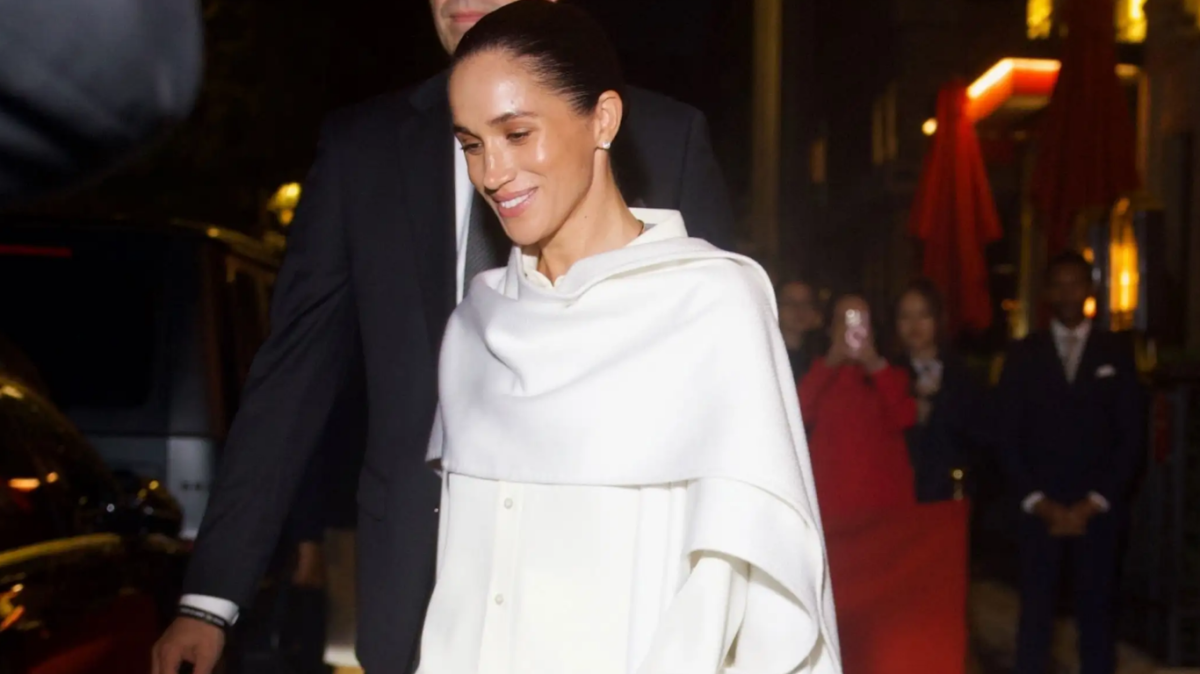
When you hear “Paris Fashion Week,” your mind races to haute couture, bold statements, and the world’s most glamorous attendees. But on October 4, 2025, the scene got a surprise guest—Meghan Markle, making what might be her most talked-about entrance yet. To call it a “debut” feels almost too neat, as if she’s stepping into a world she’s never touched. Yet, Meghan’s gradual evolution as a style influencer has been anything but accidental. Her Paris moment isn’t just celebrity spectacle; it’s a statement, a pivot, and a nuanced step into a new chapter. Here’s my take on why this matters.
What about swapping the metallic heels for metallic flats? My feet would die in those all day