
Genuinely blown away that his first acting credit is playing one of the most iconic performers who ever lived. No pressure or anything.
23
Sign up to see more
SignupAlready a member?
LoginBy continuing, you agree to Sociomix's Terms of Service, Privacy Policy

Genuinely blown away that his first acting credit is playing one of the most iconic performers who ever lived. No pressure or anything.
Calling this one of the most ambitious manhwa-to-anime projects ever when we have zero episode count confirmed is a stretch. The ambition is assumed, not proven yet.
Counter to the pacing concern above, I think the slow explanations are actually part of the charm. It trusts the reader to be interested in the details, which is rare.
Eleceed and Gosu both have release windows described as unconfirmed but the article treats them as if they are definitely 2026 entries. That is doing a lot of work for a list of fifteen supposedly confirmed adaptations.
The year 2026 marks a pivotal moment in the evolution of manhwa as a medium. What started as a trickle of Korean comics receiving anime adaptations has become a flood, with at least fifteen confirmed projects bringing beloved manhwa to animated life. This explosive growth wasn't accidental but the inevitable result of Solo Leveling's massive success proving that manhwa adaptations can compete with traditional manga anime in quality, popularity, and profitability. Studios across Japan and Korea are investing heavily in manhwa properties, recognizing that Korean storytelling brings fresh perspectives, innovative premises, and built-in fanbases eager to see their favorite series animated. The diversity of genres receiving adaptations demonstrates that manhwa appeal extends far beyond action and fantasy into romance, psychological thriller, sports, and slice-of-life territories.

Genuine question, for readers who finished the full web novel, how do you feel about the manhwa being the adaptation source? Are the differences significant enough to matter?
My team is fully remote across three time zones and the async collaboration in Descript has been one of the biggest workflow improvements we made. Timestamped comments and shared transcripts mean nobody needs to be on the same call to review an edit.
As a solo founder running a SaaS product, the ability to parallelize development is genuinely transformative. Three weeks ago I ran four different agent sessions simultaneously exploring different approaches to the same problem. Would have taken me months the old way.
The designer-developer relationship has been tense for decades. Designers create pixel-perfect mockups in Figma. Developers translate them to code and somehow everything looks slightly wrong. Fonts don't match. Spacing is inconsistent. Buttons have different corner radiuses. Both sides get frustrated, blame each other, and the product suffers. V0 by Vercel is fixing this problem by generating production-quality React components that look exactly like the designs. The rebrand from v0.dev to v0.app in January 2026 signaled expanded ambitions beyond just UI component generation. Vercel positioned the tool for full-stack web development, though its core strength remains frontend excellence. That strategic clarity matters because trying to be everything often means excelling at nothing. V0 chose to dominate the handoff between design and code before expanding into other areas.
Speaking from experience in L and D: the governance thing is not just corporate box-ticking. When you have 50 people creating training videos, brand consistency and content approval matter enormously. HeyGen was not really built for that workflow and it shows when teams scale past ten users.
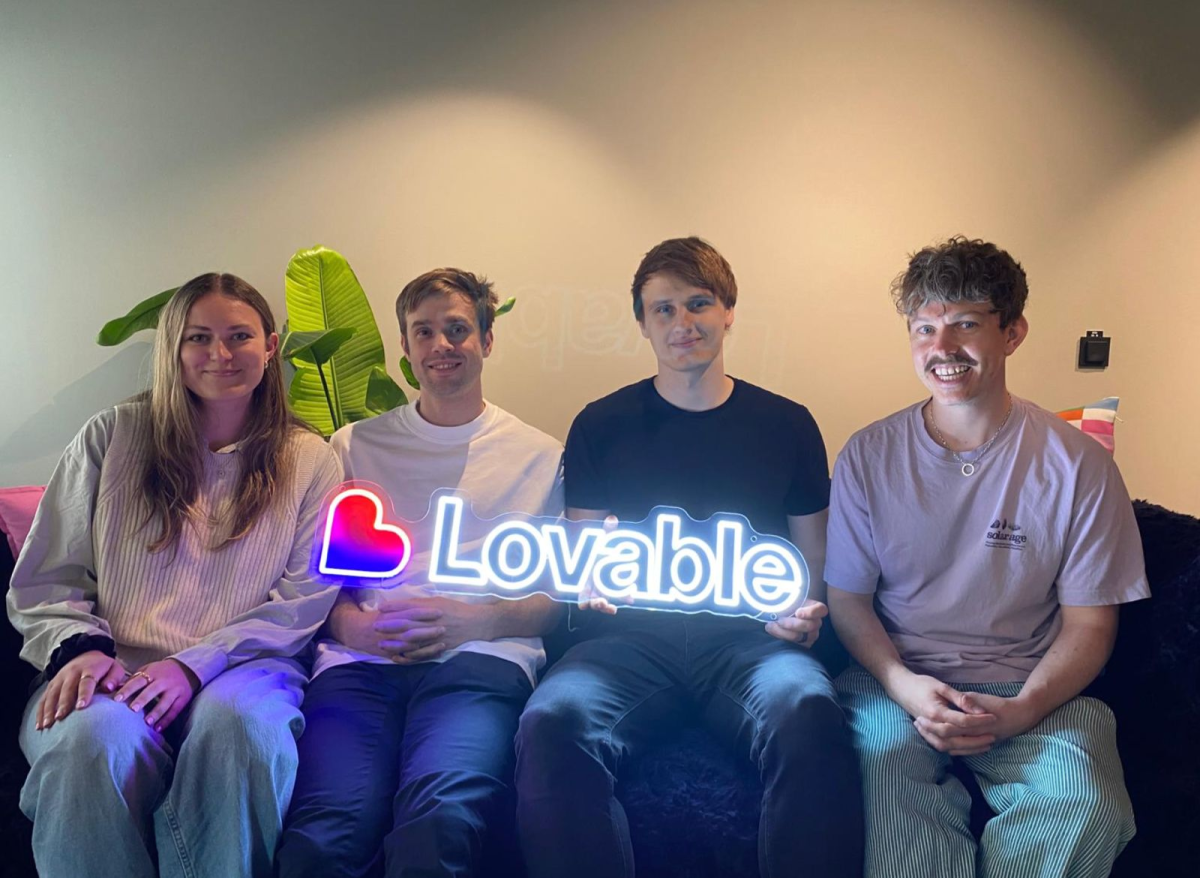
The software development world just witnessed something unprecedented. A European startup called Lovable reached $20 million in annual recurring revenue in just two months, making it potentially the fastest-growing startup in European history. But here's the twist that's making traditional software agencies nervous: they did it by giving non-technical founders the power to build full-stack applications without writing a single line of code. For years, the promise of no-code tools has been the same: anyone can build an app. But the reality has always been different. You'd create a beautiful frontend, get excited about your progress, and then hit the technical cliff. Suddenly you needed to configure databases, set up authentication, manage API keys, and deploy to servers. The "no-code" dream became a "hire-a-developer-anyway" nightmare.
Wait, so they still do not show edit history? That part bothers me more than people are letting on. Someone could post something supportive, collect likes, then quietly rewrite it to say the opposite and nobody would know.
Not gonna lie, the code-name being Avocado is doing a lot of work to make me like this company more than I probably should.
Can someone explain to me why the Iran Bitcoin payment news moved markets this much when there has been zero official confirmation from the Iranian government?
The visual code generation feature is the one that will get teens hooked. Building mini-games and custom websites from a simple prompt inside an app you already have on your phone is exactly the kind of low-friction magic that spreads virally in school networks.
Social media managers just added a new line item to their workflows forever. Post comment, immediately reread for 15 minutes, fix anything, then move on. That is actually a healthier habit anyway.