Genuinely blown away that his first acting credit is playing one of the most iconic performers who ever lived. No pressure or anything.
23
Sign up to see more
SignupAlready a member?
LoginBy continuing, you agree to Sociomix's Terms of Service, Privacy Policy

Genuinely blown away that his first acting credit is playing one of the most iconic performers who ever lived. No pressure or anything.
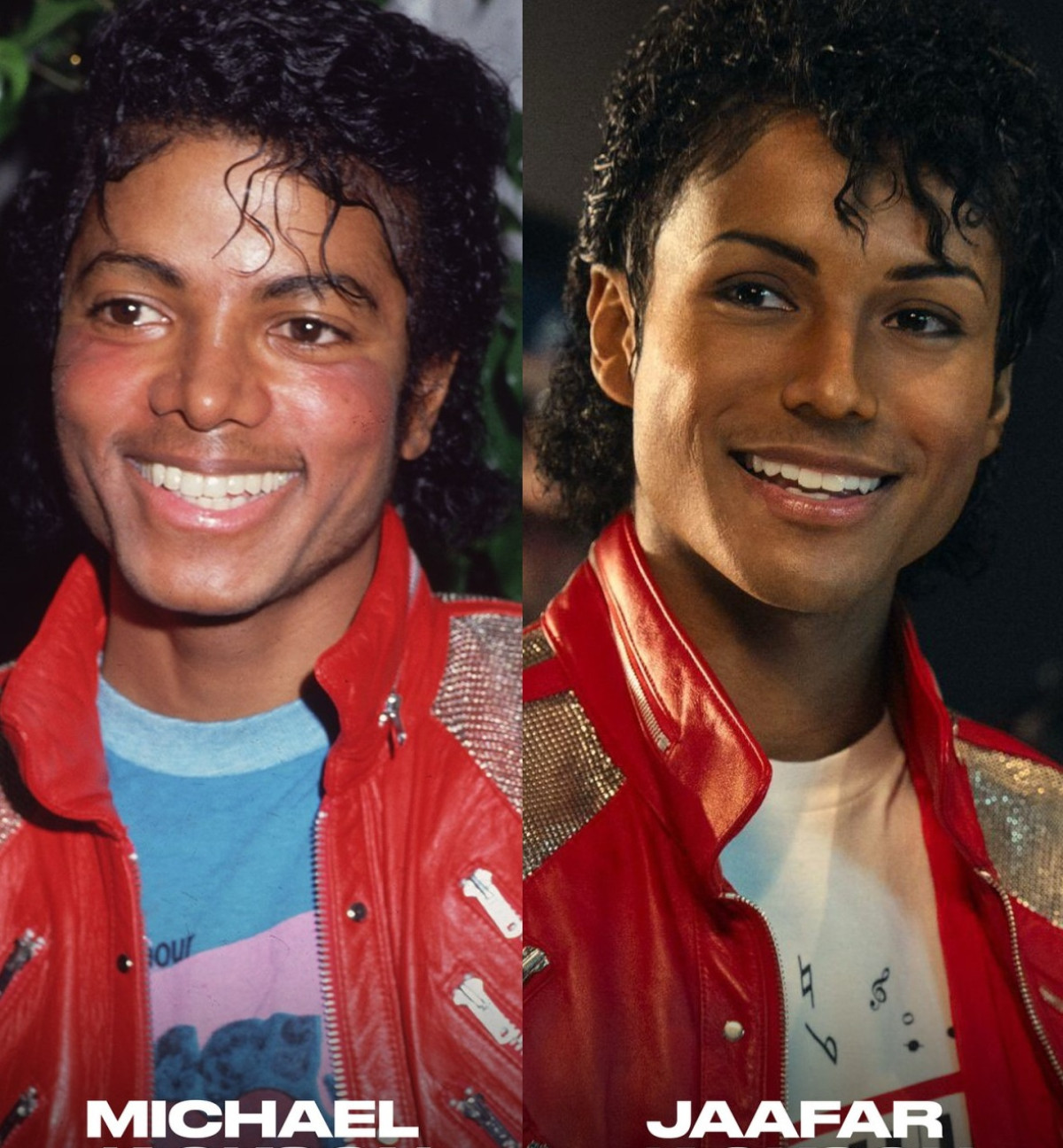
Jaafar Jackson plays Michael Jackson in the 2026 biopic Michael, and the story of how the 29-year-old newcomer landed the role is more interesting than the film itself. It started with a voice note. It involved a two-year global casting search with no formal auditions. It required Jaafar to keep the role secret from his own family for a full year. And it ended with his grandmother Katherine Jackson, the woman who knew Michael longest and loved him most, telling producers that her grandson didn't just resemble her son, he embodied him. After tracking every interview, behind-the-scenes video, and production report released since the film was announced, I can tell you that the choice of Jaafar was not nepotism, not a publicity play, and not the obvious pick everyone assumes it was. It was a hard-earned outcome of the most unusual casting process in recent biopic history, and here is how it actually happened.
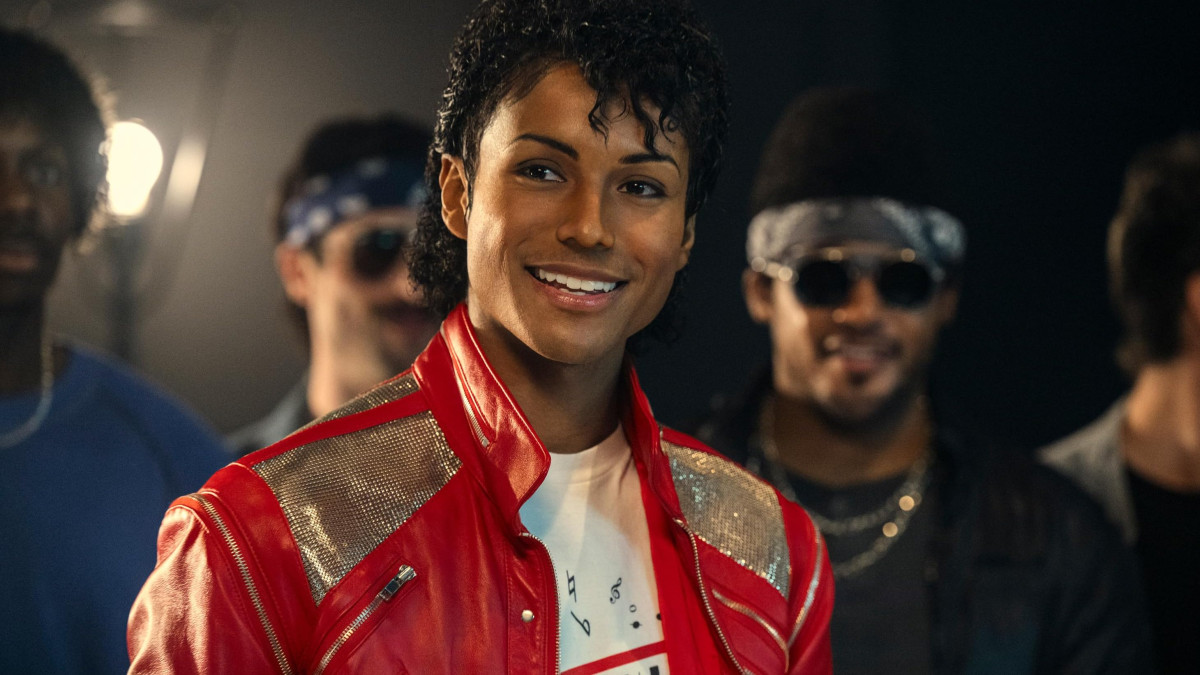
The Michael movie review verdict is in, and it is more complicated than the 26% Rotten Tomatoes score suggests. Antoine Fuqua's long-delayed Michael Jackson biopic, simply titled Michael, hit theaters this weekend with Jaafar Jackson playing his late uncle, and the critical response has been brutal. The BBC gave it one star. Roger Ebert's site called it a filmed playlist in search of a story. Yet early audience reactions on social media have been warmer, ticket pre-sales suggest an $80 million opening, and Variety thought it worked as an engrossing middle-of-the-road biopic. After tracking coverage across more than a dozen outlets over the past 48 hours, I think the honest answer to "should you watch this?" depends almost entirely on what you want from a music biopic, and this guide breaks down exactly what the film delivers, what it skips, and who will actually enjoy sitting through its two-hour-and-nine-minute runtime.
Minimal score would be the right call. If they put dramatic swelling music over every exchange it will undercut exactly what makes the fights hit so differently from other sports anime.
It clicks around chapters 15 to 20 when the relic personalities start becoming a real storytelling element rather than just flavor text. First ten chapters are setup and worth pushing through.
The Regressor character is doing more interesting narrative work than most time-loop protagonists in the entire genre. The difference between reliving events and holding knowledge about events that have not happened yet is a distinction the series explores carefully.
The Primal Hunter going darker with its post-apocalyptic morality is the thing that will either make it special or make it uncomfortable for audiences used to the genre playing it safe.
Suho's self-doubt arc in the early chapters hit harder than expected. The idea of growing up knowing your father is essentially a god and then having to prove yourself worthy of even a fraction of that is genuinely compelling.
Speaking from experience reading manhwa before adaptations, the series that adapts worst are always the ones with the strongest visual identity in the webtoon. Gosu's line work is so distinctive it will be hard to translate.
The meta-commentary about readers and protagonists becomes so much more layered once you understand the full context of who tls123 is. Cannot wait to see new fans experience that reveal.
Not to be contrarian but the article basically makes the case that the series is interesting because of what it sets up and then stops short of evaluating how well those setups actually pay off. Setup praise is not the same as story praise and I would like more honesty about execution.
Two weekends to ship a product you had sitting in your head for three years. That sentence right there is the whole value proposition distilled.
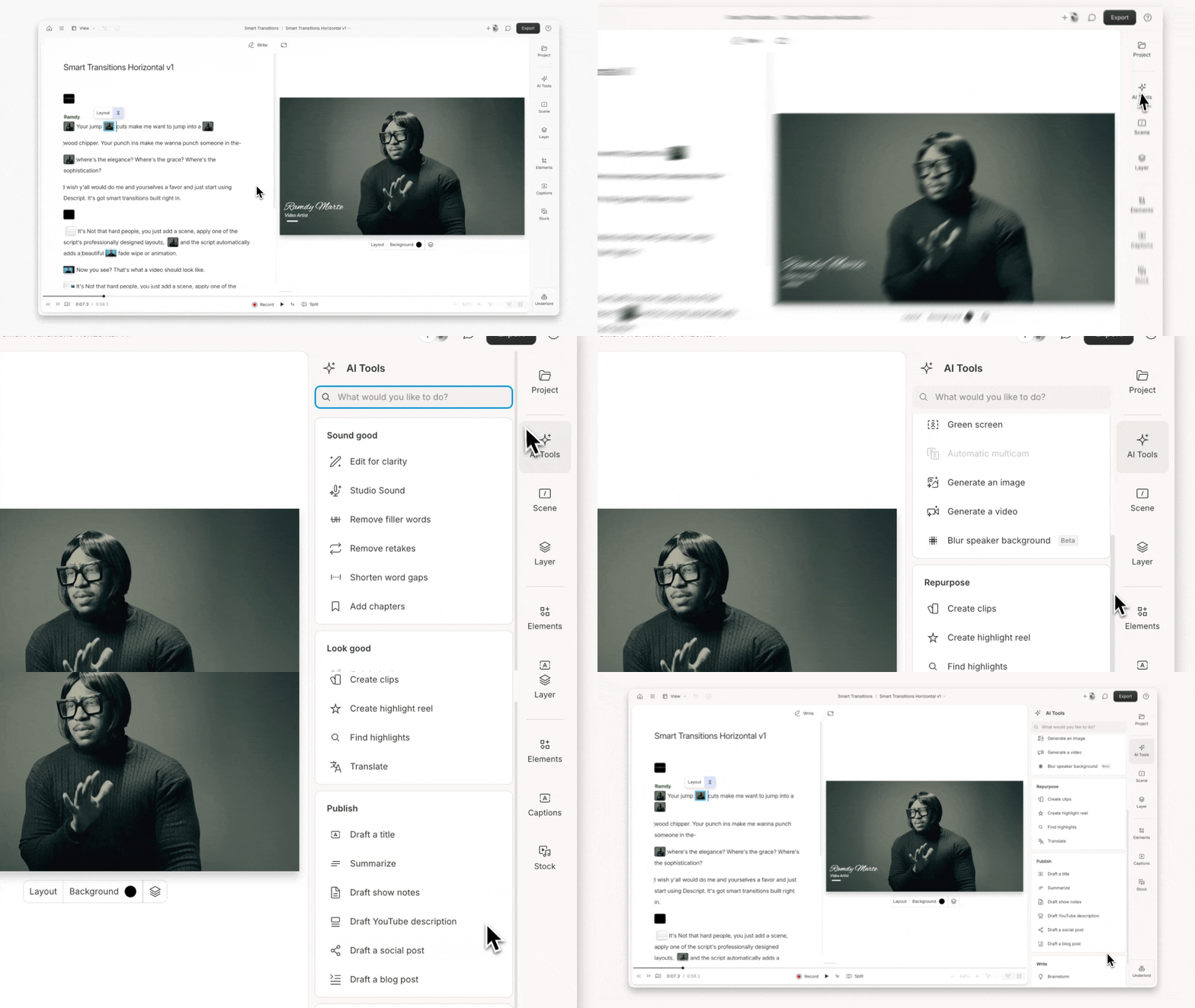
Most people can edit a Google Doc. Delete some words, rearrange sentences, fix typos, add paragraphs. It's intuitive and requires no special training. Now imagine editing video the same way. That's Descript's core innovation, and it transformed video editing from a specialized skill requiring expensive software into something anyone who can edit text can do effectively. Descript started as a transcription tool for podcasters. Record your podcast, upload it to Descript, and get an accurate transcript for show notes. But the founders realized something bigger. If you have a perfect transcript synchronized to audio, you can edit the audio by editing the text. Delete a word from the transcript and that word disappears from the audio. That insight became the foundation for a complete editing platform.
The fact that only 17% of developers say agents improved team collaboration according to recent surveys is a real signal. These tools are great for individual productivity but they are not yet solving the coordination problems that large engineering teams actually face.
Someone needs to talk about what it means when the AI powering your search for a restaurant is also the AI trained on data from every social media interaction you have had for the last fifteen years. That is a different kind of personalization than we have ever seen.
The talent competition point is genuinely serious. Senior chip architects with relevant AI accelerator experience are among the most sought-after engineers in the world right now. Anthropic would be competing with Apple, Google, AMD, Nvidia, and every hyperscaler for the same small pool of people.
Anthropic's enterprise market share going from 18 percent in 2024 to 29 percent in 2025 is the stat that explains why OpenAI is so rattled right now.
Anthropic on Tuesday unveiled an advanced artificial intelligence model designed specifically to identify software vulnerabilities, marking a significant development in the intersection of AI and cybersecurity. The model, named Claude Mythos Preview, will be available exclusively to a carefully selected group of companies as part of Project Glasswing, a new security initiative that aims to strengthen digital defenses while preventing malicious exploitation. The San Francisco based AI company has chosen to severely restrict access to Claude Mythos Preview due to its powerful capability to detect security weaknesses and software flaws. This decision reflects growing concerns about dual use AI technologies that could be weaponized by adversaries if they fell into the wrong hands.