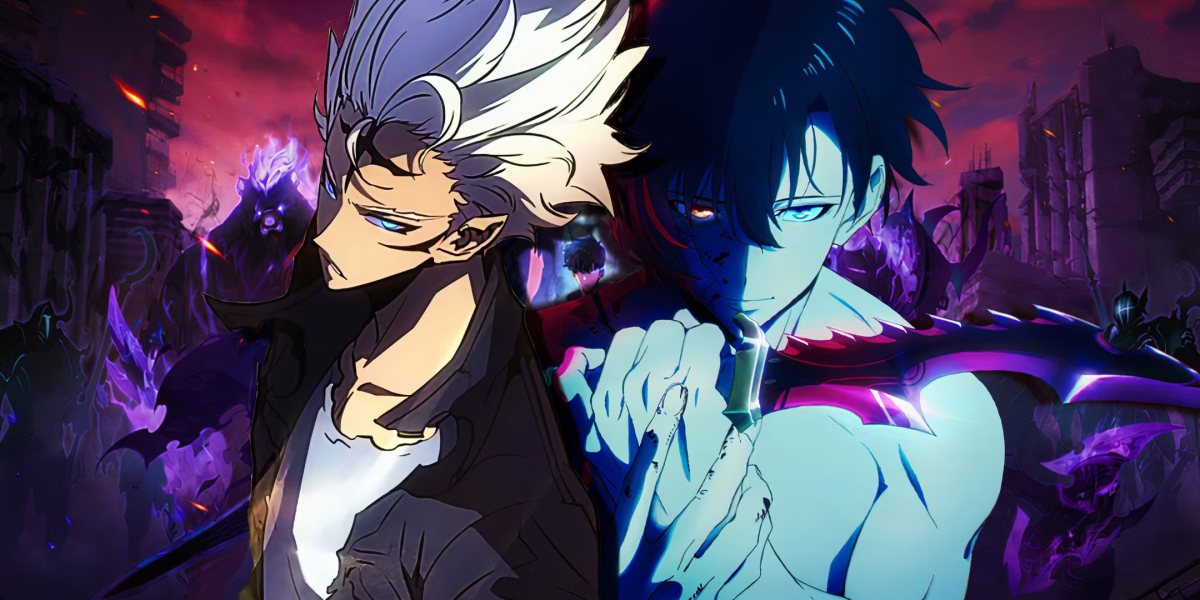
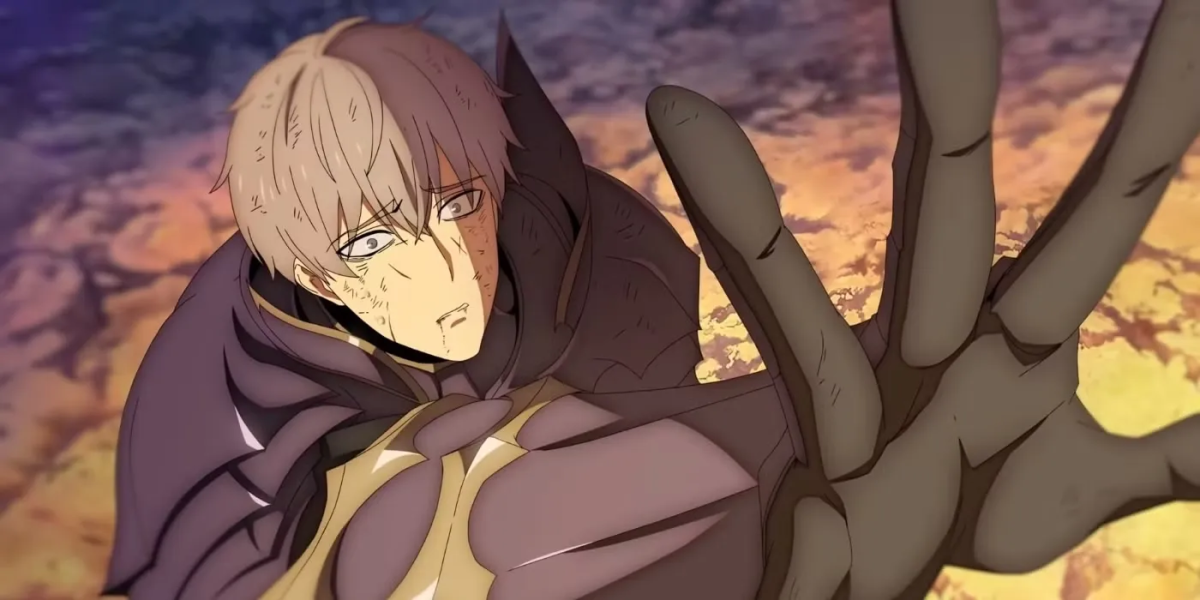
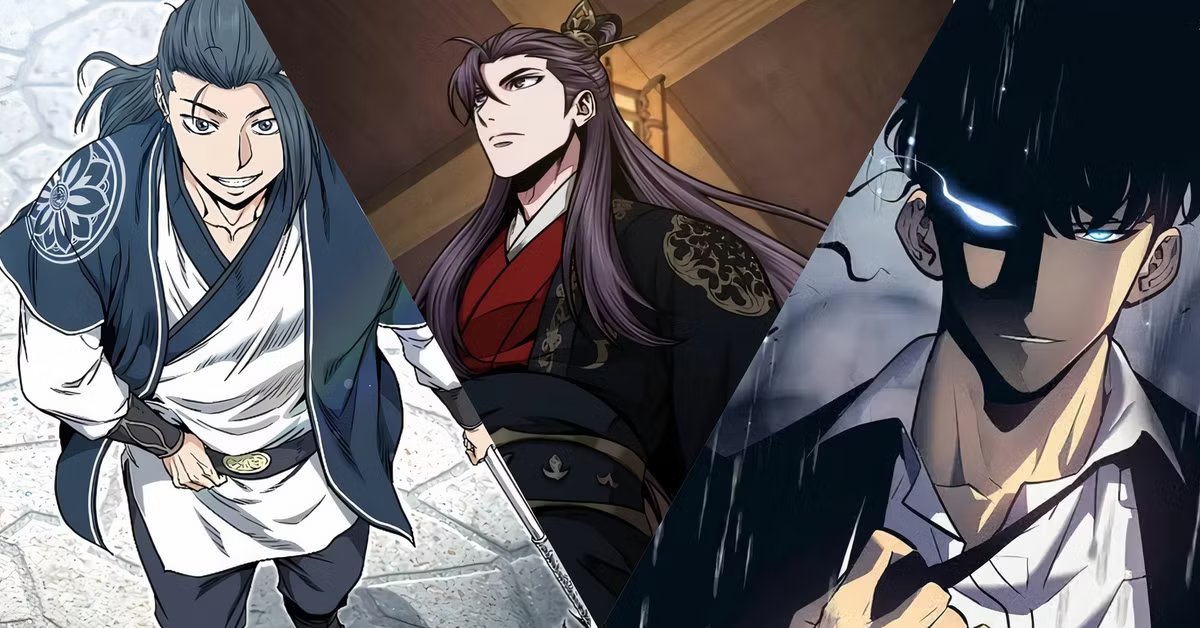
The year 2026 marks a pivotal moment in the evolution of manhwa as a medium. What started as a trickle of Korean comics receiving anime adaptations has become a flood, with at least fifteen confirmed projects bringing beloved manhwa to animated life. This explosive growth wasn't accidental but the inevitable result of Solo Leveling's massive success proving that manhwa adaptations can compete with traditional manga anime in quality, popularity, and profitability.
Studios across Japan and Korea are investing heavily in manhwa properties, recognizing that Korean storytelling brings fresh perspectives, innovative premises, and built-in fanbases eager to see their favorite series animated. The diversity of genres receiving adaptations demonstrates that manhwa appeal extends far beyond action and fantasy into romance, psychological thriller, sports, and slice-of-life territories.
This comprehensive ranking evaluates all fifteen confirmed manhwa anime adaptations for 2026 based on source material quality, adaptation potential, studio capability, anticipated audience reception, and overall excitement factor. Whether you're a longtime manhwa reader or anime-only viewer curious about what's coming, this guide provides everything you need to know about 2026's most anticipated releases.
Understanding the Manhwa to Anime Adaptation Boom
Before diving into specific rankings, understanding why 2026 represents such a significant year for manhwa adaptations provides important context for evaluating these projects and their potential impact on both industries.
Solo Leveling's anime adaptation in late 2024 and early 2025 shattered expectations for manhwa anime quality and reception. The stunning animation from A-1 Pictures, the faithful adaptation of source material, and the massive international viewership proved that investing in quality manhwa adaptations pays off financially and critically.
Korean webtoon platforms and publishers actively pursued anime partnerships after seeing Solo Leveling's success. They recognized that anime adaptations drive manga sales, increase platform subscriptions, and expand international audiences. The business case for adaptation became undeniable.
Japanese animation studios, always seeking fresh source material, discovered manhwa offers storytelling diversity beyond what Japanese manga provides. Korean creators approach genre conventions differently, creating premises and narrative structures that feel novel to anime audiences familiar with manga adaptations.
The vertical scrolling webtoon format, while different from traditional manga panels, proved adaptable to anime through creative direction. Directors learned to translate the unique pacing and visual storytelling of webtoons into animated sequences that maintain the source material's strengths.
Streaming platforms competing for exclusive content recognized manhwa adaptations as differentiators. Netflix, Crunchyroll, and other services invested in securing distribution rights and sometimes production funding for manhwa anime, accelerating the number of projects greenlit.
Number Fifteen: A Returner's Magic Should Be Special Season 2
A Returner's Magic Should Be Special returns for its second season after a successful first season established the world and characters. Desir Arman regressed from humanity's fall to demon invasion back to his academy days, using future knowledge to prepare for the coming apocalypse while strengthening his party members.
The series ranks fifteenth not due to lack of quality but because it's a continuation rather than a fresh premiere. The first season already established the adaptation's strengths and weaknesses. Season two will deliver more of what worked in season one without the novelty factor of a new adaptation.
The academy setting with magical education and party dynamics appeals to audiences who enjoyed similar series like The Irregular at Magic High School. The regression element adds strategic satisfaction as Desir uses foreknowledge to optimize his party's growth and prepare for threats.
The animation studio demonstrated competent but not exceptional work in season one. The magical combat looks good without being spectacular. Character designs are pleasant without being particularly memorable. It's solid craftsmanship that serves the story without elevating it through visual excellence.
For fans of the manhwa, season two delivers continuation of Desir's journey and the developing relationships within his party. The source material has enough content for multiple seasons, suggesting this could become a long-running franchise if reception remains positive.
Number Fourteen: Season of Blossom
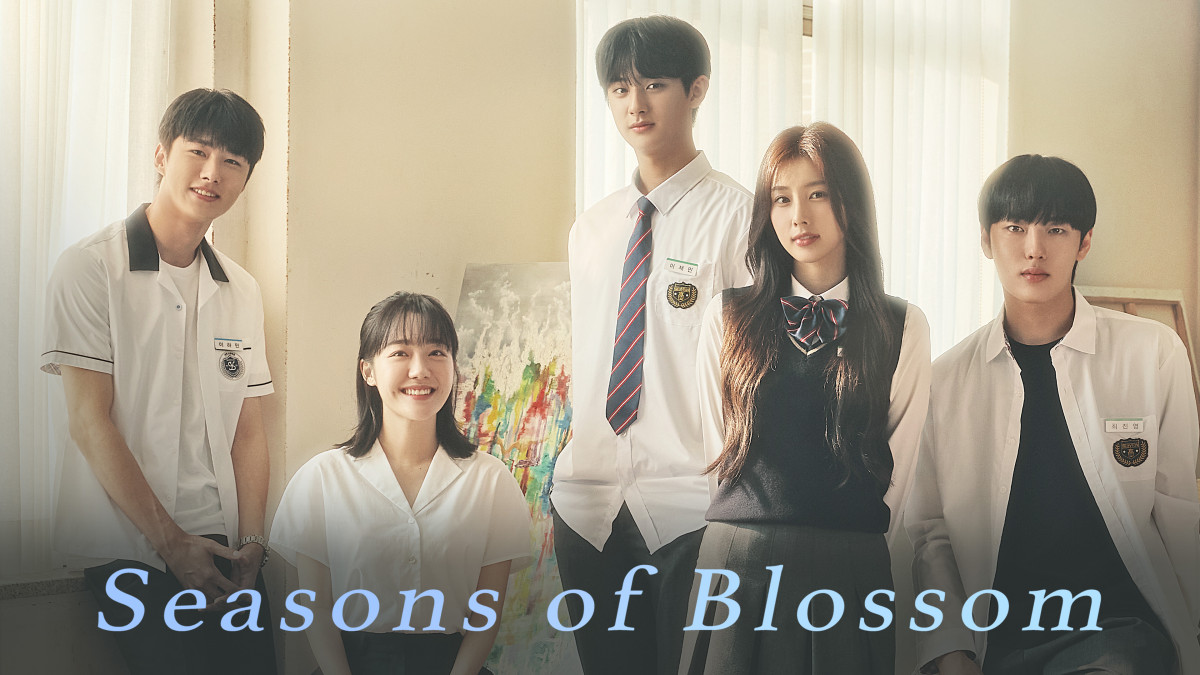
Season of Blossom brings romance and slice-of-life manhwa to anime format, demonstrating that not every adaptation needs fantasy battles or supernatural elements. This anthology series tells interconnected romance stories set in a high school, exploring first love, healing from trauma, and the bittersweet nature of youth.
The series ranks here because romance anime from manhwa source material remains relatively untested compared to action adaptations. The reception will indicate whether audiences embrace Korean approaches to romance storytelling or prefer traditional Japanese shoujo and romance anime.
The anthology structure with multiple couples and stories provides variety while maintaining thematic cohesion. Each arc can stand alone while contributing to larger narrative about youth, growth, and connection. This structure works well for episodic anime consumption.
The emotional depth and realistic portrayal of teenage relationships sets Season of Blossom apart from more fantastical or comedic romance anime. It treats first love seriously, acknowledges the pain alongside the joy, and doesn't shy away from difficult topics like bullying and trauma.
The adaptation's success depends heavily on capturing the delicate emotional tone of the source material. Overplaying the drama becomes melodramatic while underplaying it loses impact. The director and voice actors must find the precise emotional register that makes the series resonate.
Number Thirteen: Gosu
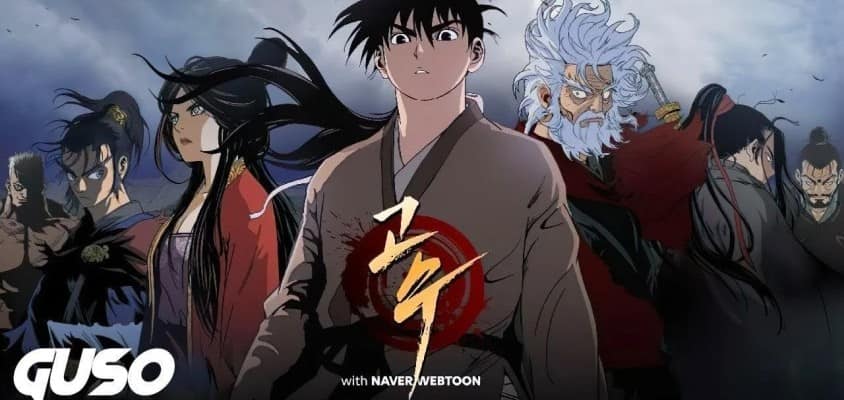
Gosu brings pure murim martial arts action to anime after accumulating over 1.4 billion views on webtoon platforms. The story follows Gang Ryong, whose master was killed by martial artists from the murim world. Years later, Gang Ryong enters that world seeking revenge while hiding his true identity and overwhelming power.
The classic revenge narrative with hidden power protagonist appeals to audiences who enjoyed similar premises in various action anime. The murim setting provides cultural flavor and martial arts choreography distinct from Japanese martial arts anime.
The source material's long run means abundant content for adaptation. The series could run for multiple seasons if successful, providing long-term franchise potential. The established fanbase from webtoon readers creates built-in audience for the anime.
The challenge facing this adaptation is distinguishing itself in a crowded martial arts anime landscape. What makes Gosu special beyond competent execution of familiar revenge-seeking protagonist premise? The anime must emphasize unique elements to stand out.
The art style in the webtoon is distinctive with strong line work and dynamic action composition. Translating this to animation while maintaining the source material's visual identity requires skilled direction and animation. Generic action anime aesthetic would disappoint fans expecting faithful adaptation.
Number Twelve: The Primal Hunter
The Primal Hunter explores survival and evolution in a world transformed by system integration. When Earth merges with a multiverse system, protagonist Jake becomes a hunter who thrives in the chaos, pursuing power through combat and alchemy rather than clinging to his former peaceful life.
The system mechanics and progression provide familiar framework that manhwa and light novel readers recognize. However, The Primal Hunter emphasizes the psychological transformation required to survive in fundamentally changed world rather than just power accumulation.
The alchemy subplot adds unique flavor beyond pure combat progression. Jake's interest in crafting and understanding system mechanics through experimentation creates problem-solving satisfaction alongside action sequences. This appeals to audiences who enjoy strategic thinking.
The darker exploration of how apocalyptic scenario changes people distinguishes this from more optimistic system stories. Characters make morally questionable choices to survive. The series examines whether maintaining pre-apocalypse morality is viable or even desirable when the world operates on different rules.
The adaptation's success depends on balancing action with character psychology and system mechanics explanation. Too much focus on any single element at the expense of others would weaken the adaptation's appeal.
Number Eleven: Eleceed
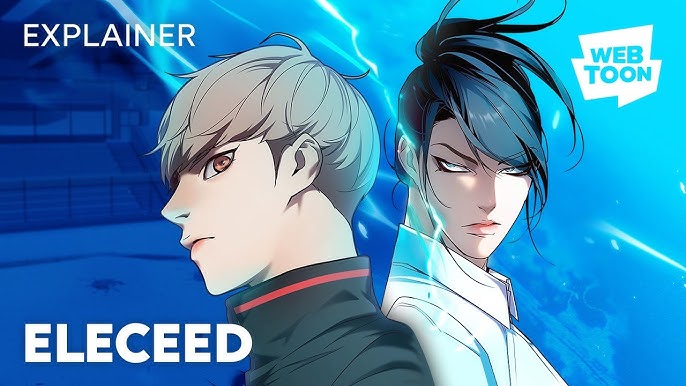
Eleceed combines superpower action with heartwarming slice-of-life and comedy elements. Jiwoo Seo has super speed abilities and a kind heart that leads him to rescue an injured cat, who turns out to be Kayden, a powerful awakened being stuck in feline form. Together they navigate the world of awakened beings while Jiwoo learns to control his powers.
The series' greatest strength is the relationship between Jiwoo and Kayden. Their mentor-student dynamic mixed with the absurdity of Kayden's cat form creates consistent comedy and touching moments. The found family aspects appeal broadly beyond just action fans.
The power system with awakened abilities provides clear progression without being overly complex. Jiwoo's growth as he trains and faces stronger opponents follows satisfying trajectory. The fights are well-choreographed with creative ability uses.
The supporting cast receives substantial development with distinct personalities and their own character arcs. The series doesn't fall into the trap of making everyone exist solely to showcase the protagonist but develops genuine ensemble dynamics.
The challenge for anime adaptation is capturing the specific comedic timing and the contrast between serious action and goofy comedy. The tonal shifts that work in webtoon format need careful handling in animation to avoid whiplash.
Number Ten: The Greatest Estate Developer
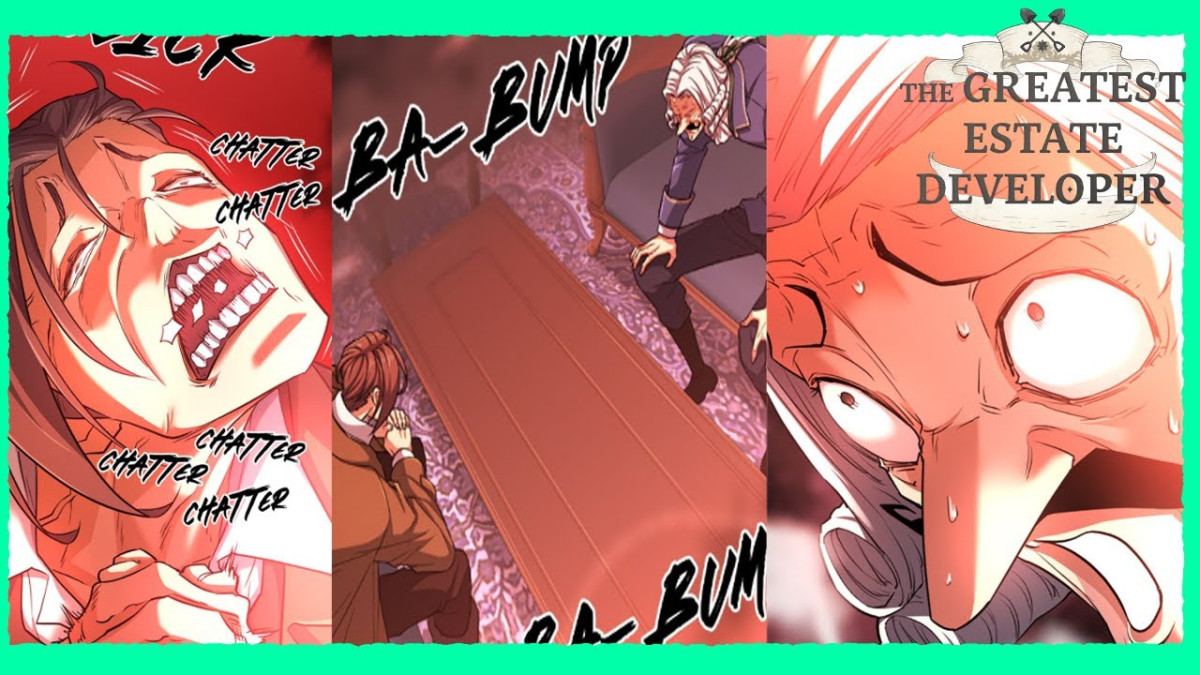
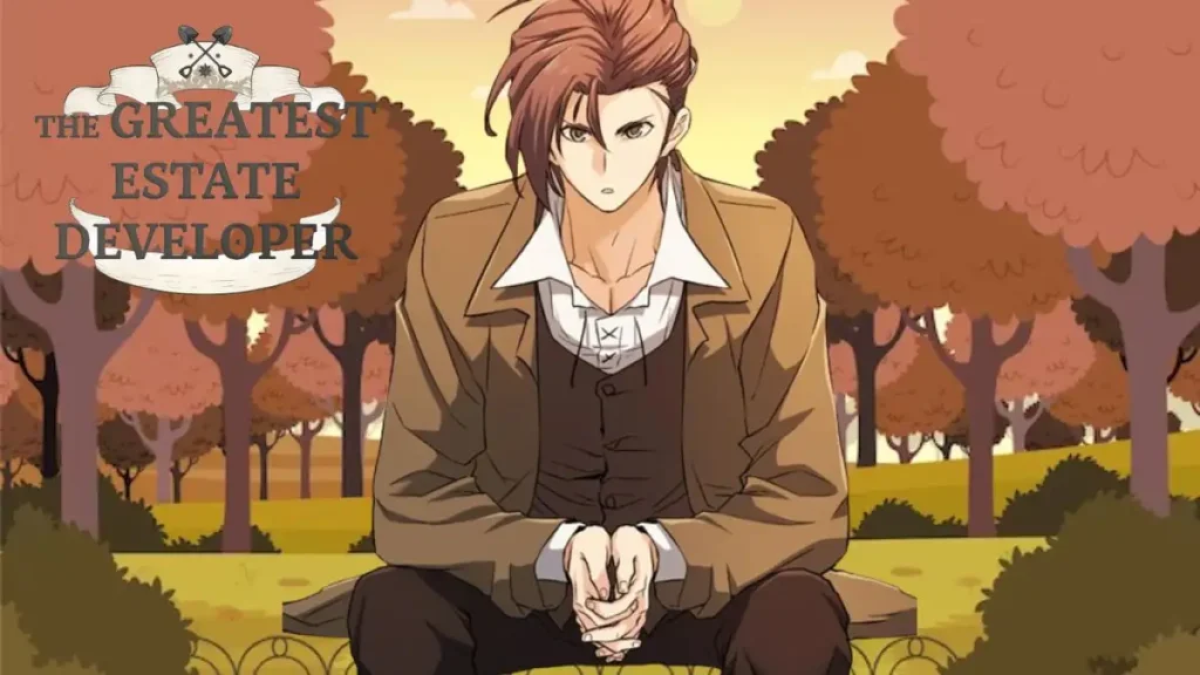
The Greatest Estate Developer brings civil engineering to fantasy isekai anime. Kim Suho, a civil engineering student, wakes up in the body of Lloyd Frontera in a fantasy world. Using construction and infrastructure knowledge, he saves the failing estate from debt while revolutionizing development in the fantasy world.
The unique premise immediately distinguishes this from typical isekai anime. Instead of adventuring or combat, the protagonist solves problems through construction projects, economic planning, and infrastructure development. The educational content about engineering makes it stand out.
The comedy is consistently excellent with Kim Suho's shameless pursuit of profit and his passionate enthusiasm for construction creating hilarious situations. His modern sensibilities clashing with fantasy world expectations generates ongoing humor.
The challenge facing this adaptation is making construction and development visually engaging. Directors must find creative ways to make building projects feel as exciting as the series treats them. Poor execution could make the series feel boring despite the source material's entertainment value.
The potential crossover appeal to audiences who enjoyed Dr. Stone's focus on science and building civilization makes this adaptation commercially promising. The series could attract viewers outside typical isekai demographics through its unique focus.
Number Nine: The Hero Returns
The Hero Returns subverts typical hero narratives through Kim Min-soo, who was summoned to save another world but upon returning to Earth decides he's done being a hero. However, circumstances force him back into conflict as threats emerge and his past catches up to him.
The deconstruction of hero tropes and exploration of what happens after the hero's journey creates different appeal than straightforward hero stories. The series examines the psychological cost of heroism and questions whether people who sacrificed everything for others deserve peace or will be forced to continue fighting.
The dark tone and morally complex protagonist who's exhausted by heroism resonates with audiences tired of optimistic chosen-one narratives. Kim Min-soo's reluctance and occasional ruthlessness make him compelling in ways pure heroes aren't.
The action combines abilities from another world with Earth's awakened system, creating interesting power dynamics and combat variety. The contrast between different power systems provides tactical depth to fights.
The adaptation must capture the psychological weight and exhaustion that defines the protagonist. If the anime plays it as standard action without emphasizing the emotional toll and moral complexity, it loses what makes the source material special.
Number Eight: True Beauty
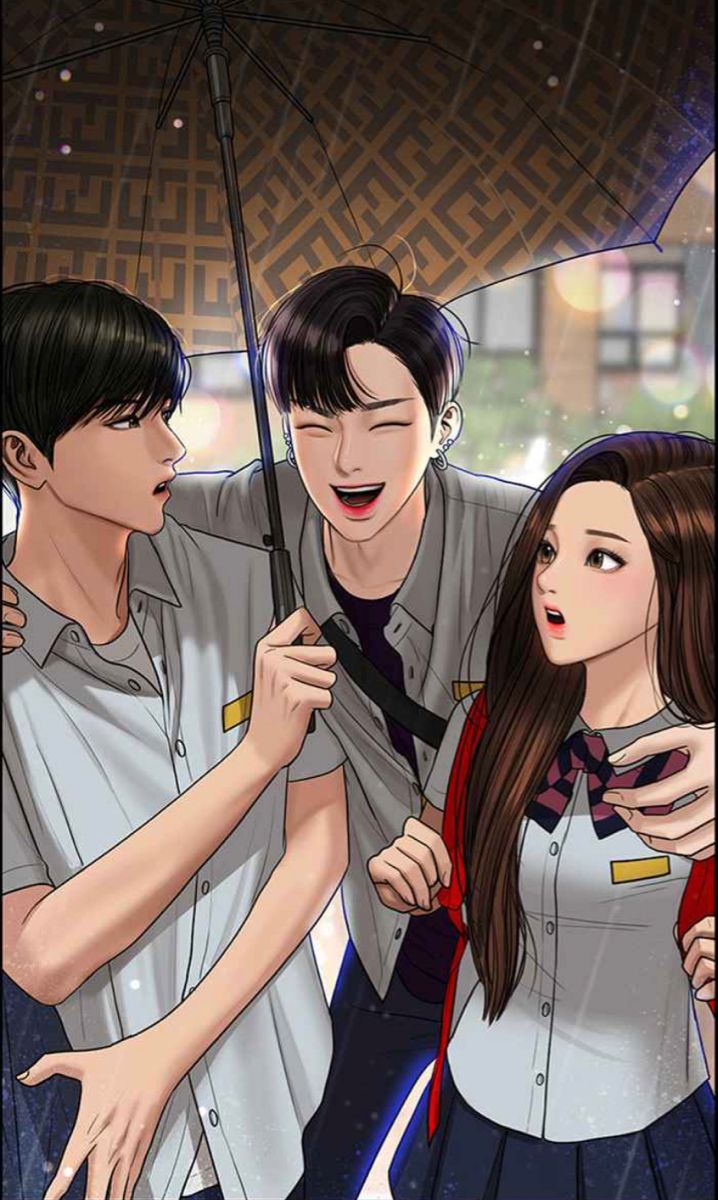
True Beauty brings wildly popular romance webtoon to anime, testing whether Korean beauty and makeup-focused romance translates to Japanese anime format. Jugyeong Lim transforms her appearance through makeup skills, navigating high school romance and friendship while hiding her bare face from classmates.
The series' massive popularity on webtoon platforms and successful Korean drama adaptation demonstrate proven appeal. The anime targets demographics beyond typical manhwa anime audiences, potentially bringing romance and beauty content fans to the medium.
The themes about beauty standards, self-esteem, and the pressure to maintain appearances resonate universally, especially with younger audiences. The series handles these topics with both humor and genuine emotional depth.
The love triangle between Jugyeong, Suho, and Seojun has passionate fan following with strong opinions about who she should end up with. This built-in investment and discourse could drive viewership and social media engagement.
The challenge is whether anime visual style can capture the manhwa's distinctive art and the makeup transformation central to the plot. The series lives or dies on the visual presentation of Jugyeong's makeup skills and appearance changes.
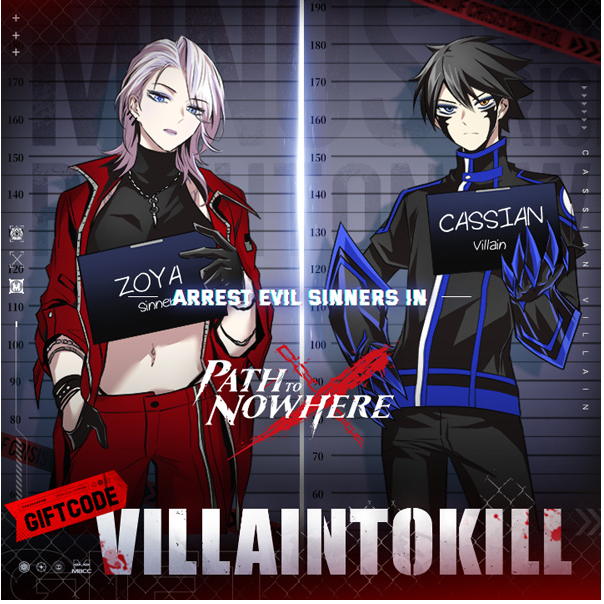
Number Seven: Villain to Kill
Villain to Kill follows Cassian Lee, a top-ranked villain who gets betrayed and nearly killed by other villains. He's saved and given second chance in the body of a young hero, leading him to pursue revenge against his former allies while navigating the hero world he once opposed.
The premise of a villain becoming a hero not through redemption but through revenge creates fascinating narrative space. Cassian hasn't reformed morally but circumstances force him into hero role. His villainous mentality applied to hero work creates unique approach and moral ambiguity.
The superhero setting with clear villain and hero factions provides structure while allowing for moral complexity. Not all heroes are good, not all villains are evil, and Cassian's position between worlds lets him see the hypocrisy and corruption on both sides.
The conspiracy elements and mystery about who betrayed Cassian and why add intrigue beyond simple revenge plot. Uncovering the truth while maintaining his cover as a hero creates ongoing tension.
The action is brutal and visceral with Cassian using his villain training and willingness to kill against enemies expecting typical hero behavior. The contrast between hero appearance and villain methods makes fights interesting beyond pure spectacle.
Number Six: Noblesse
Wait, Noblesse already received anime adaptation. Let me replace this with another confirmed 2026 adaptation.
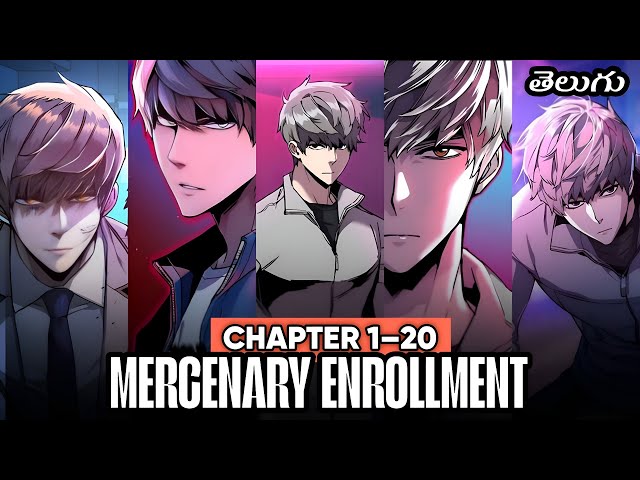
Number Six: Mercenary Enrollment
Mercenary Enrollment follows Yu Ijin, who spent years as child soldier and mercenary before being rescued and returned to civilian life in Korea. He must balance protecting his younger sister and adjusting to normal high school life while dealing with threats from his mercenary past.
The contrast between deadly mercenary and caring older brother creates compelling character dynamics. Ijin's protective instincts and combat skills clash with his desire to give his sister normal life. Watching him navigate mundane teenage problems with mercenary mindset generates both tension and comedy.
The action sequences showcase tactical military combat rather than supernatural abilities. Ijin wins through training, experience, and strategic thinking. The grounded combat appeals to audiences who prefer realistic action over flashy super powers.
The gradual revelation of Ijin's past and the threats still pursuing him creates mystery and escalating stakes. Each arc reveals more about what happened to him and introduces new dangers from his former life.
The supporting cast of classmates, sister, and former military contacts provides variety in relationships and tones. School life comedy balances against serious action and the dark elements of Ijin's past.
Number Five: Tomb Raider King
Tomb Raider King combines regression, treasure hunting, and historical relics in unique package. Jooheon Suh was betrayed and killed, but regresses to before mysterious tombs appeared worldwide. Using foreknowledge, he pursues revenge while claiming powerful relics for himself through archaeological adventure and ruthless tactics.
The treasure hunting premise differentiates this from typical dungeon crawling. Each tomb presents puzzles and challenges tied to historical or mythological relics with specific powers. The variety of cultural references and artifact abilities keeps progression fresh.
Jooheon's morally gray protagonist energy and strategic manipulation creates compelling character. He's not heroic but undeniably competent and entertaining. His schemes and preparation make victories feel earned despite his knowledge advantage.
The relic system with artifacts tied to historical figures provides educational flavor alongside entertainment. Learning about history through powerful relics creates value beyond simple action.
The adaptation benefits from strong source material and premise with broad appeal. The treasure hunting angle could attract Indiana Jones fans while the regression and system elements appeal to manhwa readers.
Number Four: The Boxer
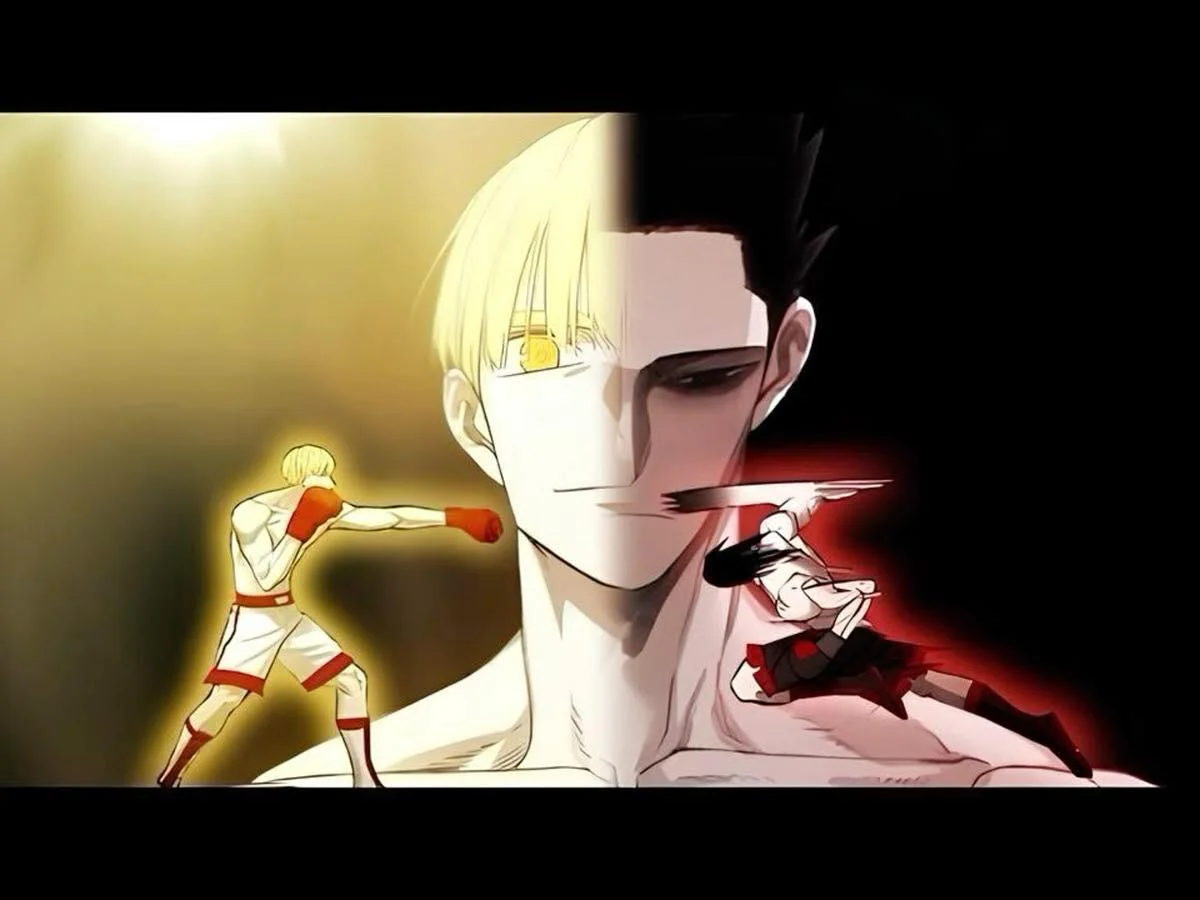
The Boxer delivers psychological depth and artistic excellence rare in sports anime. Yu is a boxing prodigy with abilities bordering on superhuman, but he feels nothing about the sport. The series explores talent without passion, isolation from normal human experience, and the search for meaning when everything comes too easily.
The minimalist art style creates distinctive visual identity that the anime must capture. The stark backgrounds and clinical fight depiction make violence feel real and impactful. Translating this aesthetic to animation while maintaining its power presents significant challenge.
The psychological exploration of opponents, each with their own relationship to boxing and reasons for fighting, provides emotional depth. Fights matter because of what they mean to the characters rather than just spectacle.
The dark, contemplative tone differentiates this from typical sports anime optimism. This isn't about friendship and effort overcoming obstacles but about the emptiness of talent without purpose and the isolation of being fundamentally different.
The adaptation could introduce general anime audiences to psychological sports storytelling they haven't experienced before. If executed well, it has potential to be critically acclaimed and influence future sports anime.
Number Three: Omniscient Reader's Viewpoint
Omniscient Reader's Viewpoint lands at number three as one of 2026's most anticipated adaptations. Kim Dokja is the sole reader who finished a web novel about apocalyptic scenarios. When those scenarios become reality, his complete knowledge of the story gives him unique advantages for survival.
MAPPA Studio's involvement signals serious production ambition. Their work on Jujutsu Kaisen and Chainsaw Man demonstrated they can handle complex narratives with spectacular animation. The 24-episode first season shows commitment to proper pacing.
The source material's over three billion views and passionate fanbase guarantee strong initial viewership. The series has everything needed for mainstream success: action, strategy, compelling characters, and emotional depth.
The meta-narrative elements about stories, readers, and protagonists add intellectual complexity alongside entertainment. The series questions narrative roles and examines relationships between fiction and reality in thoughtful ways.
The challenge is translating extensive internal monologue and strategic thinking to screen without excessive narration. The adaptation must find visual ways to convey Kim Dokja's knowledge and decision-making process.
Number Two: Solo Leveling: Ragnarok
Solo Leveling: Ragnarok takes second place as the sequel to the series that started the manhwa anime boom. Sung Suho, son of Sung Jinwoo, must forge his own path while inheriting his father's legacy. New threats emerge that even Jinwoo's power couldn't completely eliminate.
The built-in audience from Solo Leveling's massive success guarantees attention. Fans desperate for more content in this universe will flock to Ragnarok. The question is whether it can stand on its own merits rather than just being "more Solo Leveling."
Suho as protagonist provides fresh perspective while maintaining connections to the original. He faces different challenges and develops unique identity separate from his father's shadow. This balance between familiar and new is crucial for the sequel's success.
The expanded mythology and new threat types create room for innovation beyond retreading the original's path. The series can explore territory Solo Leveling didn't cover while maintaining the core appeal of shadow monarch powers and satisfying progression.
If the animation quality matches or exceeds the original Solo Leveling anime, Ragnarok could achieve similar success. Any significant drop in production values would disappoint fans expecting the same spectacular combat and visual effects.
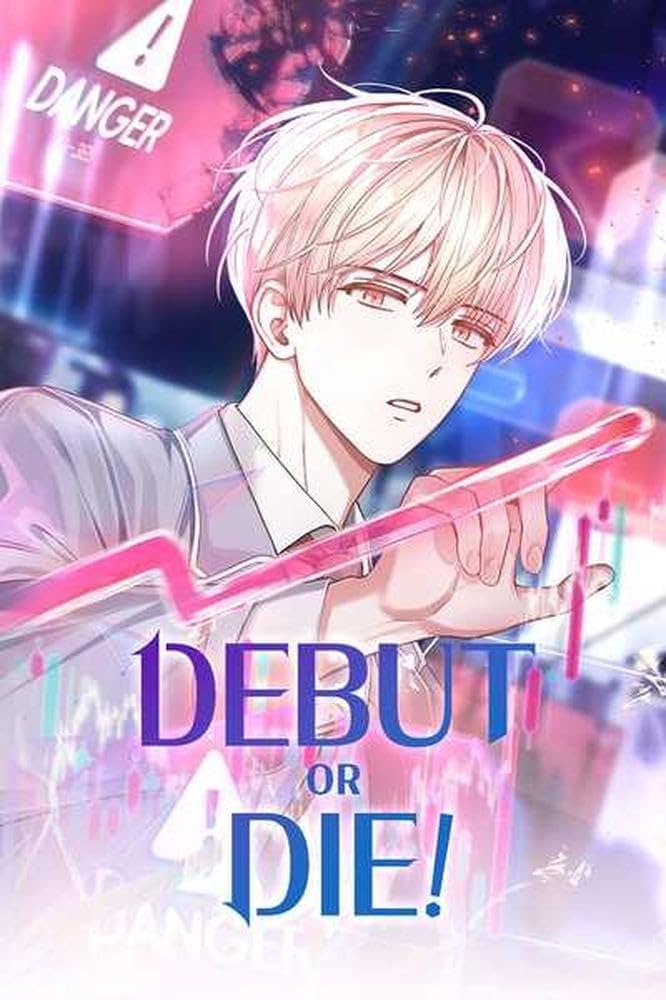
Number One: Debut or Die
Taking the top spot is Debut or Die, bringing K-pop idol industry manhwa to anime for the first time. Protagonist Park Moondae finds himself in the body of a trainee in an idol survival show. A mysterious system gives him quests related to debuting as an idol, with the threat of death if he fails.
The series ranks first for its potential to attract completely different demographics to manhwa anime. K-pop's massive global popularity means built-in international audience interested in idol content. This could bring K-pop fans to anime and manhwa.
The behind-the-scenes look at idol training, survival shows, and the entertainment industry provides insider perspective that K-pop fans crave. The series respects the idol industry while acknowledging its difficulties and pressures.
The system mechanics applied to idol activities creates unique progression framework. Quests involve singing, dancing, variety show appearances, and fan interaction rather than combat. This demonstrates system mechanics work in any context.
The character development focuses on teamwork, friendship, and personal growth through artistic performance. The found family dynamics between group members and the journey from trainees to debuted idols provides emotional investment.
The adaptation could achieve crossover success beyond typical anime viewership if marketed effectively to K-pop fans. The potential cultural impact and commercial success make this the most important manhwa anime adaptation of 2026.
What These Adaptations Mean for Manhwa's Future
The fifteen confirmed anime adaptations for 2026 represent more than just individual projects. They signal manhwa's arrival as major source material for anime production alongside traditional manga.
The genre diversity proves manhwa offers stories beyond action and fantasy. Romance, sports, psychological thriller, slice-of-life, and idol content all receiving adaptations demonstrates the medium's range and versatility.
The involvement of prestigious studios like MAPPA signals that manhwa adaptations are no longer considered risky experiments but viable commercial and artistic projects worth significant investment.
Success of these adaptations could lead to exponential growth in future manhwa anime projects. Studios and platforms will be watching 2026 results closely to determine investment in future seasons and new properties.
For manhwa creators, anime adaptation potential now factors into creation and pitching. The possibility of adaptation creates incentives for manhwa that work well in both formats.
Final Thoughts on 2026's Manhwa Anime Lineup
The year 2026 represents the manhwa anime adaptation boom reaching full force. What Solo Leveling started has grown into movement bringing Korean storytelling to animated life across multiple genres and demographics.
For manhwa readers, this is validation and excitement as favorite series receive animation treatment. For anime-only viewers, this is opportunity to discover manhwa through medium they already love. For the industries, this is evolution toward greater international collaboration and exchange.
Not every adaptation will succeed. Some will disappoint through poor execution or unfaithful adaptation. Others will exceed expectations and become new classics. The variety ensures something for everyone while the volume guarantees some significant successes.
Mark your calendars, prepare your watchlists, and get ready for a year of manhwa anime unlike anything we've seen before. The fifteen adaptations ranked here represent just the beginning of what promises to be manhwa's biggest year in anime yet.
Studio EEK doing both Tomb Raider King and having produced content for Netflix is a studio to watch. They are clearly in a growth phase and have the right connections to handle big IP.
A Returner's Magic being confirmed at New York Comic Con with a 2026 premiere window is more concrete than several other titles on this list. At least the premiere window exists.
Saying Gosu needs to distinguish itself in a crowded martial arts anime landscape is true but also dismisses how much the murim setting distinguishes itself by default from Japanese martial arts frameworks.
The comparison to Dr. Stone for Greatest Estate Developer is actually perfect. Same energy of a protagonist who solves problems through knowledge rather than fighting. That demographic crossover is real.
Wait, is Omniscient Reader even on this list? Because that is the adaptation I thought was supposed to arrive this year and the article does not seem to mention it directly.
Hot take, mixing K-pop IP with anime storytelling the way Dark Moon does is actually smart business even if purists hate it. ENHYPEN performing all three theme songs is a commercial strategy that makes the project self-funding almost immediately.
Eleceed. The CGI concern for Eleceed is real. If Kayden's expressions do not land the whole mentor comedy dynamic falls apart and the show becomes just another awakened powers action series.
The Dark Moon anime already aired on Crunchyroll through late March 2026. The reviews from people who watched it were mixed but the production quality from Studio TROYCA was consistently praised.
The article does not mention which streaming platforms are confirmed for each title and that is actually the most practical information most readers want. Who cares about ranking if you cannot watch it.
Season of Blossom at fourteen actually makes me happy. Romance manhwa getting adapted proves this is not just an action pipeline. Korean romance storytelling hits differently from shoujo conventions.
As someone who got into manhwa specifically because of Solo Leveling's anime, this list is both exciting and overwhelming. Where do you even start when fifteen series are launching in one year.
The Greatest Estate Developer getting compared to Dr. Stone is the smartest marketing framing for this series. Dr. Stone's audience loved the science focus and the civilization building. That is exactly the same demographic energy.
The article's framing of streaming platforms as accelerators for manhwa anime is correct but undersells how much the Korean government's cultural export strategy has contributed. KOCCA funding and support is behind several of these projects.
Can someone confirm whether The Hero Returns has a confirmed studio attached? The article just describes the premise without mentioning production details, which makes it hard to gauge actual anticipation.
The article is well researched but it slightly overcredits Solo Leveling for the manhwa adaptation boom. Tower of God and Noblesse got anime years earlier. Solo Leveling accelerated the momentum but did not create it alone.
Gosu at thirteen feels criminally low. The webtoon has over 1.4 billion views and won the Presidential Award in Korea. This should be a top five conversation minimum.
The article spends so much time explaining why manhwa adaptations are booming but then ranks everything without actually confirming what studios are behind several of these projects. That feels like a gap.
Tomb Raider King had its opening theme SHOW DOWN performed by QWER and honestly that collaboration alone is going to introduce the anime to an audience that was not going to find it otherwise.
True Beauty is more comedy and makeover drama though. Season of Blossom is emotionally heavier and more realistic. They are targeting different parts of the romance audience even if the demographic overlaps.
The fact that manhwa anime are now showing up on traditional Japanese broadcast channels like Fuji TV alongside streaming is a bigger deal than anyone is talking about. That is genuine mainstream legitimacy.
The Greatest Estate Developer is genuinely the first isekai premise in years that made me laugh out loud. A civil engineering student revolutionizing a fantasy economy is the kind of specific comedy that either works perfectly or dies silently.
Start with whichever premise sounds most different from what you normally watch. Greatest Estate Developer if you want something funny, Terror Man if you want moral complexity, Season of Blossom if you want to cry.
Hot take but The Greatest Estate Developer deserves a top five spot purely on originality. Civil engineering in a fantasy setting is the freshest isekai premise I have seen in years.
The fact that we went from one or two manhwa adaptations per year to fifteen confirmed for 2026 is genuinely staggering. Solo Leveling really did break a dam open.
Tomb Raider King has Fuji TV and Kansai TV carrying the Japanese broadcast in July 2026. That level of traditional TV distribution alongside streaming is a signal that the project has serious commercial backing.
The Primal Hunter's moral complexity angle is what separates it from generic system manhwa and I hope the anime does not sand that down into just another power fantasy.
Gosu getting Toei Animation involved alongside Studio Mir and Studio N is either a dream team or a too-many-cooks situation. Joint productions across multiple studios often produce inconsistent results.
If The Hero Returns actually gets the tone right, showing a hero who is genuinely done with saving people, not as edgy posturing but as legitimate emotional burnout, it could be one of the more interesting character studies on this entire list.
The Primal Hunter's alchemy angle is so underrated in discussions about the series. Most system apocalypse stories reduce everything to combat progression. The crafting and experimentation subplot gives it genuine texture.
The article keeps saying Solo Leveling proved manhwa can compete with manga anime but honestly the more relevant point is that streaming platforms desperately needed differentiated content and Korean IP filled that gap perfectly.
Crunchyroll, TVLing, and Aniplus all seem to be splitting rights across regions depending on the title. The fragmentation is a genuine problem for international audiences.
Omniscient Reader keeps getting pushed back. Last confirmed window I saw was late 2026 and even that seems optimistic given how ambitious the source material is.
Tomb Raider King is NOT just a Solo Leveling clone and the comparison needs to stop. Seo Joo-Heon is morally compromised in ways Sung Jin-woo never was. Completely different energy.
The article ranking A Returner's Magic Season 2 at fifteen is fair but undersells how much the series improved by the end of season one. The character dynamics got genuinely compelling.
As someone who reads a lot of murim manhwa, the challenge facing Gosu is real. The cultural context around sect hierarchies and cultivation systems is something anime-only viewers are going to need help with.
Terror Man being set in an interconnected universe called the Super String Universe, essentially a Korean MCU, is the kind of long game storytelling that could make or break the anime. Too much setup kills casual viewer retention.
Gosu winning the Presidential Award in Korea is the detail people sleep on. This is not just a popular webtoon. It has institutional recognition as a work of cultural significance.
Can someone explain why a second season continuation is even on a ranking list of new adaptations? Returner's Magic Season 2 being here instead of a genuinely fresh premiere feels like padding.
Hot take. Tomb Raider King is more entertaining than Solo Leveling was at the same story point. Seo Joo-Heon being a gleeful scammer who cons gods is infinitely more fun than a brooding power fantasy.
Eleceed at eleven feels right given the CGI question mark hanging over it. DandeLion is talented but The First Slam Dunk worked because the sport itself has natural 3D movement. Superpowers and cat comedy are different challenges.
The franchise potential angle for several of these titles is real but also dangerous. Studios sometimes greenlight sequels before confirming whether season one actually delivered quality. Returner's Magic season one was fine, not exceptional.
Fifteen adaptations and the one I am most excited about, Omniscient Reader, might not even make it to 2026 on schedule. Production delays pushed it from winter 2025 already. I am cautiously optimistic but not holding my breath.
Eleceed and Gosu both have release windows described as unconfirmed but the article treats them as if they are definitely 2026 entries. That is doing a lot of work for a list of fifteen supposedly confirmed adaptations.
The Hero Returns premise is basically what would happen if the world kept calling a tired veteran back into service. That emotional core is more interesting than most hero origin stories.
The Hero Returns concept of a returned hero who just wants to be left alone is not new but the manhwa executes it with such exhaustion and bitterness that it feels fresh. Hope the anime captures that tone.
LINE Webtoon's CEO pledged something like twenty anime series from webtoons back in 2025. The fact that we are actually approaching that number is wild to see in real time.
Fifteen manhwa anime in one year still feels unreal to me. Three years ago people were debating whether Solo Leveling would even get a decent adaptation. Now it has restructured an entire industry pipeline.
The regression premise is so common in manhwa now that Returner's Magic and Tomb Raider King being on the same list is almost funny. How many protagonists got sent back in time with future knowledge this year.
The murim genre getting mainstream anime exposure through Gosu is genuinely exciting for readers of that subgenre. Cultivation and sect culture is so interesting and so rarely adapted for non-Korean audiences.
Anyone else notice the article never actually says who ranks first on the list? We got fifteen through nine and then it cuts off. Now I am genuinely curious about the top eight.
Dark Moon being ENHYPEN's vampire anime on Crunchyroll is such a specific Venn diagram of target audiences. K-pop stans, webtoon readers, and vampire romance fans all overlap just enough for this to work.
2026 is the year that determines whether the manhwa adaptation boom is sustainable or whether half of these projects quietly disappear after disappointing viewership. Not everything that gets greenlit survives to season two.
Honestly a romance anthology like Season of Blossom making this list is proof the market has matured. Early manhwa adaptation discourse was entirely about action series.
Every time a new wave of manhwa adaptations gets announced, someone asks if this is the bubble bursting. But as long as the platform subscriber numbers hold and streaming rights are competitive, the economics support expansion.
Someone needs to make a proper murim glossary for anime-only viewers before Gosu drops. The sect politics and cultivation terminology will confuse people who came in from Solo Leveling.
What I want to know is whether any of these fifteen have the original creator directly involved in the anime production. Solo Leveling's faithfulness was apparently tied to strict rules from Redice Studio.
The Primal Hunter going darker with its post-apocalyptic morality is the thing that will either make it special or make it uncomfortable for audiences used to the genre playing it safe.
Fourteen adaptations could easily be seven really great ones. The industry learned the wrong lesson from Solo Leveling. Quality drove that success, not volume.
Returner's Magic Season 2 being called a continuation rather than a fresh premiere is exactly why it belongs at fifteen. Rankings like this should reward novelty and ambition, not just continued existence.
Recap of what we actually know for confirmed 2026 releases. Dark Moon already aired. Terror Man is out in Korea. Tomb Raider King hits Fuji TV in July. Returner's Magic Season 2 has a 2026 window. Everything else is varying degrees of confirmed.
Tomb Raider King's artifact lore being described as dense is an understatement. The relic system in that manhwa is as intricate as a JRPG's lore bible. Studio EEK has a serious challenge ahead with pacing.
Fair point but the budget and global viewership Solo Leveling attracted was categorically different from Tower of God's adaptation. The financial proof it provided was new even if the precedent was not.
Eleceed's charm is almost entirely carried by the found family dynamic between Jiwoo and Kayden. If the adaptation does not sell that relationship in the first two episodes the casual audience will not stick around.
Watching the anime industry catch up to what manhwa readers have known for years is a specific kind of satisfaction. These stories have always been this good. The infrastructure to reach global audiences just finally caught up.
Genuinely asking, which of these fifteen does everyone think has the highest chance of flopping? Not because the source is bad but because the production might not serve it well.
Eleceed being animated by DandeLion Animation Studio is both exciting and terrifying. They did incredible work on The First Slam Dunk but that was sports. Kayden's fat cat face in 3D is either going to be adorable or deeply unsettling.
Fifteen is probably an undercount at this point. There are confirmed projects that still do not have precise 2026 windows and the article is treating all of them as definitely 2026 releases.
True Beauty Season 2 coming to Crunchyroll is the sleeper hit on this entire list for people who dismiss romance anime. Season 1 had genuine emotional moments between the comedy.
What nobody talks about with Eleceed is that the found family element might actually be what saves it from the CGI concerns. If the emotional relationship between Jiwoo and Kayden lands, audiences will forgive visual imperfections.
The anthology structure of Season of Blossom working for episodic anime consumption is exactly right. Seasonal romance anime that resets the emotional stakes each arc is perfectly suited to weekly episode releases.
Bold opinion here. The Primal Hunter being in the top twelve is too generous. The system apocalypse premise is completely saturated right now and it needs more than competent execution to stand out.
The manhwa community calling Omniscient Reader the True King of Manhwa is not hyperbole. The source material has over 3 billion views and the foreshadowing and world building are on a completely different level from most of the titles on this list.
The article's point about vertical scrolling webtoons being adaptable to anime is one that does not get enough credit. The pacing of webtoon chapters actually translates very naturally to episode structure.
Gosu's Toei involvement alongside Korean studios is actually a signal of how seriously the project is being taken. Toei does not associate with projects they do not think have mainstream franchise potential.
The article describing Season of Blossom as relatively untested territory for romance manhwa anime is interesting because True Beauty Season 2 is also coming this year and it seems like the obvious precedent.
The article talks about Korean storytelling bringing fresh perspectives but does not engage with the fact that a lot of these premises, regression, system integration, hidden power, are just as formulaic as the manga genres they are supposedly refreshing.
Fifteen manhwa getting anime adaptations in a single year and people are still sleeping on how significant this moment is for the medium. Five years ago one confirmed adaptation was news.
If Terror Man is actually the Iron Man of a larger Korean superhero universe like some readers are saying, and they cut those connections in the anime to keep things simple, that is going to frustrate manhwa readers badly.
Terror Man being released exclusively on TVLing in Korea with no confirmed international date yet is genuinely frustrating. It is being called a new flagship of Korean animation and most people cannot watch it.
Terror Man is the one on this list I keep telling people to pay attention to. The concept of a guy who becomes a terrorist to save lives is so much more morally complex than the standard hero setup.
What worries me about The Greatest Estate Developer adaptation is exactly what the article says. Making construction visually exciting requires creative direction and if the studio plays it safe it becomes a slideshow of blueprint scenes.
Fifteen is a lot of adaptations but the real question is how many of them will get second seasons. Solo Leveling's success created the greenlight wave. Audience retention will determine if any of these become lasting franchises.
Speaking from experience reading manhwa before adaptations, the series that adapts worst are always the ones with the strongest visual identity in the webtoon. Gosu's line work is so distinctive it will be hard to translate.
The Greatest Estate Developer anime needs to nail the comedic timing or the whole thing collapses. The construction enthusiasm is funny on paper but if the voice direction is flat it becomes a chore to watch.
I read Season of Blossom expecting typical high school romance and the bullying arc genuinely surprised me with how unflinching it was. If the anime preserves that, it could be the emotional gut punch of the year.
Season of Blossom handling bullying, trauma, and first love seriously in the same series is either going to be masterfully layered or emotionally exhausting. Korean webtoon romances can be very heavy.
Omniscient Reader at number one is the answer to what the top of this list looks like. It is the most anticipated manhwa adaptation in the community right now and it is being backed by Aniplex with Crunchyroll streaming.