I'm skeptical of any wellness trend that becomes an identity before the evidence base is solid. The article even flags this risk. That sentence lands.
11
Sign up to see more
SignupAlready a member?
LoginBy continuing, you agree to Sociomix's Terms of Service, Privacy Policy

I'm skeptical of any wellness trend that becomes an identity before the evidence base is solid. The article even flags this risk. That sentence lands.
There is actually research comparing early versus midday windows with the same fasting duration and early windows consistently produce better outcomes for blood sugar and lipids. It is not just branding.
The Colman Domingo scenes with young Michael in Gary, Indiana are reportedly the dramatic high point of the entire movie. Which means the film peaks in the first forty minutes and then slowly coasts. That is a structural problem no amount of good dancing fixes.
The Cha Hae-in reveal in chapter 65 broke me. Been waiting since the start of Ragnarok for answers about where she went and the payoff was worth every single week of waiting.
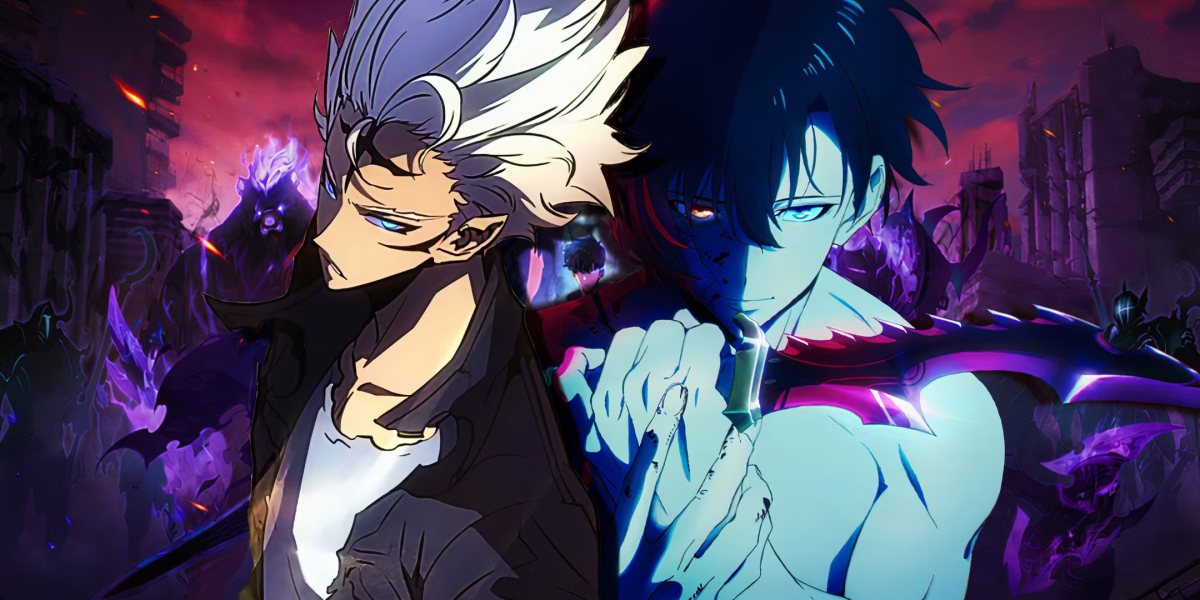
The manhwa world exploded when Solo Leveling first introduced us to Sung Jinwoo's journey from the weakest hunter to humanity's strongest defender. Now, Solo Leveling Ragnarok brings a fresh perspective to this beloved universe, and fans everywhere are asking the same questions. Can the sequel live up to the original? Do you need to read Solo Leveling first? What makes this continuation worth your time? This guide covers everything you need to know about Solo Leveling Ragnarok, whether you're a longtime fan or someone curious about jumping into the series Solo Leveling Ragnarok is not a reboot or alternate timeline. This is a direct sequel that continues the story years after the original series concluded. The protagonist shifts from Sung Jinwoo to his son, Sung Suho, who must forge his own path in a world still recovering from the catastrophic events his father prevented.
Genuinely, where is SSS-Class Revival Hunter on this list. That series took the regression formula and added something genuinely novel with the copy ability mechanic and the character arc is extraordinary.
The article mentions the series explores different types of heroism and that really is the thesis. What Dokja does is harder in some ways than what Joonghyuk does, and the story actually grapples with that instead of just picking a winner.
Second Life Ranker gets unfairly dismissed by readers who gave up in the middle chapters. The series goes through some pacing issues around the midpoint but the later arcs are some of the most ambitious storytelling in the entire genre.
The manhwa community has been buzzing with anticipation ever since MAPPA Studio announced their adaptation of Omniscient Reader's Viewpoint. With a spring 2026 release date confirmed and 24 episodes planned for the first season, this adaptation represents one of the most ambitious manhwa-to-anime projects ever undertaken. But what makes this series so special that it warranted such a massive production commitment? If you're hearing about Omniscient Reader's Viewpoint for the first time or wondering whether the hype is justified, this guide will prepare you for what promises to be one of the biggest anime releases of the year. We'll cover the story premise, why it's captured millions of readers worldwide, what MAPPA's involvement means, and everything else you need to know before the first episode airs

Being used by 70% of FTSE 100 companies and 90% of Fortune 100 is a moat in the form of institutional inertia as much as anything technical. Switching costs compound with every integrated workflow and every content library built on the platform.
To the question above about production failures, this is actually why the human review layer matters so much. Developers who are succeeding with these tools are treating agent output as a draft, not a deployment. The oversight model changes everything.
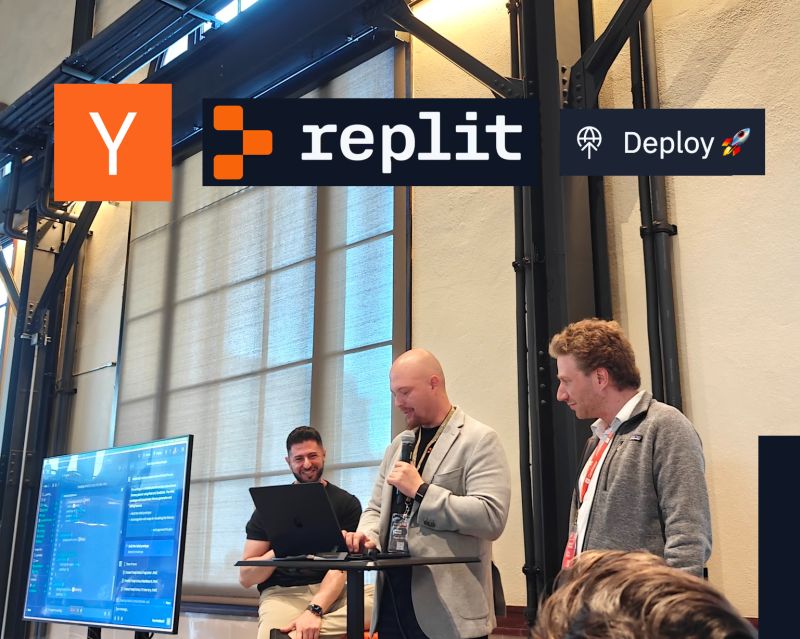
When a company's revenue jumps from $10 million to $100 million in nine months, you pay attention. When that growth comes from an AI agent that builds entire applications autonomously, you realize something fundamental just changed in software development. Replit Agent represents that change, and the numbers prove developers are ready for it. Replit started as a browser-based coding environment for education. Students could write Python or JavaScript without installing anything locally. Teachers loved it because setup time vanished. But the company saw something bigger. If you could run code in the browser, why not let AI write that code? That question led to Agent 3, an AI that doesn't just suggest code completions. It builds entire applications from scratch.
Valuation nearly doubled in one year from Series D to Series E. Either the business grew that fast, or late stage AI multiples are doing a lot of heavy lifting in that number. Probably both.
While Synthesia leads in revenue, HeyGen leads in customer acquisition momentum with 152% year-over-year growth in mid-market adoption. That explosive growth rate allowed HeyGen to close much of the customer count gap by late 2025. The company is winning by making avatar video accessible to smaller teams and individual creators who cannot afford enterprise contracts but need professional video capabilities. HeyGen positioned itself for small and medium businesses, marketing teams, content creators, and solo entrepreneurs rather than enterprise learning and development departments. This market segment values affordability, ease of use, and creative flexibility over governance features and advanced integrations. Average contract values are roughly one-third of Synthesia's, reflecting this different customer profile.
The $8 Go tier is interesting too and barely gets mentioned. There are a lot of developers who want occasional agentic help but do not need daily limits. That tier is smart market segmentation.
Meta has just had one of its most important AI moments yet and the early signals are hard to ignore. Following the launch of its newest AI model Muse Spark, the company’s standalone Meta AI app surged dramatically in popularity, hinting at a much larger shift that is beginning to take shape. The release is particularly significant because it marks the first major AI model rollout under Alexandr Wang, who joined Meta to reboot its AI strategy. This is not just another incremental update. It represents a more aggressive and focused push into the AI race. According to data from Appfigures, Meta AI jumped from number 57 to number 5 on the U.S. App Store within a day of the launch. That kind of movement rarely happens without a strong underlying pull from users. It signals not curiosity but intent.
Not gonna lie, the subscription tier sprawl from OpenAI is getting exhausting. Free, Go, Plus, $100 Pro, $200 Pro. Just tell me what I get and what it costs without needing a comparison spreadsheet.
In terms of fashion specifically though, yeah this is probably her biggest fashion world moment. The others were royal or personal. This is purely style and industry.