
Genuinely blown away that his first acting credit is playing one of the most iconic performers who ever lived. No pressure or anything.
23
Sign up to see more
SignupAlready a member?
LoginBy continuing, you agree to Sociomix's Terms of Service, Privacy Policy

Genuinely blown away that his first acting credit is playing one of the most iconic performers who ever lived. No pressure or anything.
Unpopular opinion but I find the meta-narrative isekai frame more tiresome than clever at this point. So many series use it as an excuse to have a protagonist who never has to be genuinely surprised by anything. The subversion of expectation only works if the protagonist can also be wrong.
The regression subgenre has exploded in popularity over the past few years, becoming one of the most beloved narrative frameworks in Korean manhwa. The core premise is deceptively simple: a protagonist dies or fails catastrophically, then returns to an earlier point in time with their memories intact. Armed with future knowledge, they get a second chance to change their fate, save loved ones, gain power, or pursue revenge against those who wronged them. What makes regression stories so compelling is the combination of dramatic irony, strategic satisfaction, and emotional depth they provide. Readers know what the protagonist knows, creating tension when other characters make mistakes we can see coming. We feel smart alongside protagonists who use foreknowledge to outmaneuver enemies. And we experience the emotional weight of carrying memories of futures that haven't happened yet, of people who died who are currently alive, of betrayals that haven't occurred.

Okay but can we talk about how the lack of any official studio announcement two years after the reveal is genuinely unusual even for long production pipelines? Something is either going really right or really wrong behind the scenes.
While Synthesia leads in revenue, HeyGen leads in customer acquisition momentum with 152% year-over-year growth in mid-market adoption. That explosive growth rate allowed HeyGen to close much of the customer count gap by late 2025. The company is winning by making avatar video accessible to smaller teams and individual creators who cannot afford enterprise contracts but need professional video capabilities. HeyGen positioned itself for small and medium businesses, marketing teams, content creators, and solo entrepreneurs rather than enterprise learning and development departments. This market segment values affordability, ease of use, and creative flexibility over governance features and advanced integrations. Average contract values are roughly one-third of Synthesia's, reflecting this different customer profile.

The social media clip automation described here is accurate but the article makes it sound more automatic than it is. The AI surfaces candidates well but you still spend meaningful time selecting and trimming. Calling it fully automated is generous.
Something nobody is mentioning: the copyright lawsuits hanging over the entire AI video industry could reshape which tools are viable for commercial use. A benchmark lead means nothing if legal exposure makes clients unwilling to use AI-generated footage.
The fact that a healthcare platform built by a non-technical founder hit a million euros in recurring revenue in five months is either the most inspiring thing I have read this month or a sign that we should all be slightly worried about healthcare software quality.
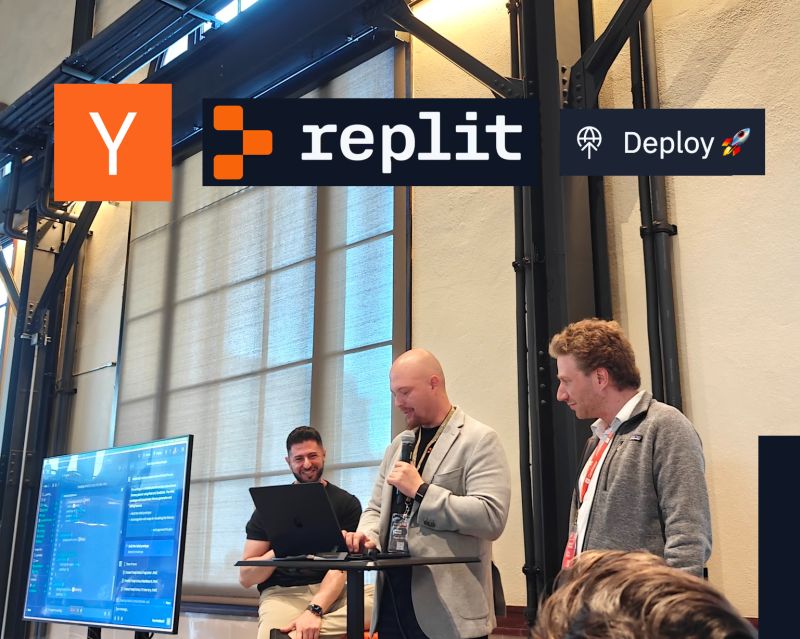
When a company's revenue jumps from $10 million to $100 million in nine months, you pay attention. When that growth comes from an AI agent that builds entire applications autonomously, you realize something fundamental just changed in software development. Replit Agent represents that change, and the numbers prove developers are ready for it. Replit started as a browser-based coding environment for education. Students could write Python or JavaScript without installing anything locally. Teachers loved it because setup time vanished. But the company saw something bigger. If you could run code in the browser, why not let AI write that code? That question led to Agent 3, an AI that doesn't just suggest code completions. It builds entire applications from scratch.
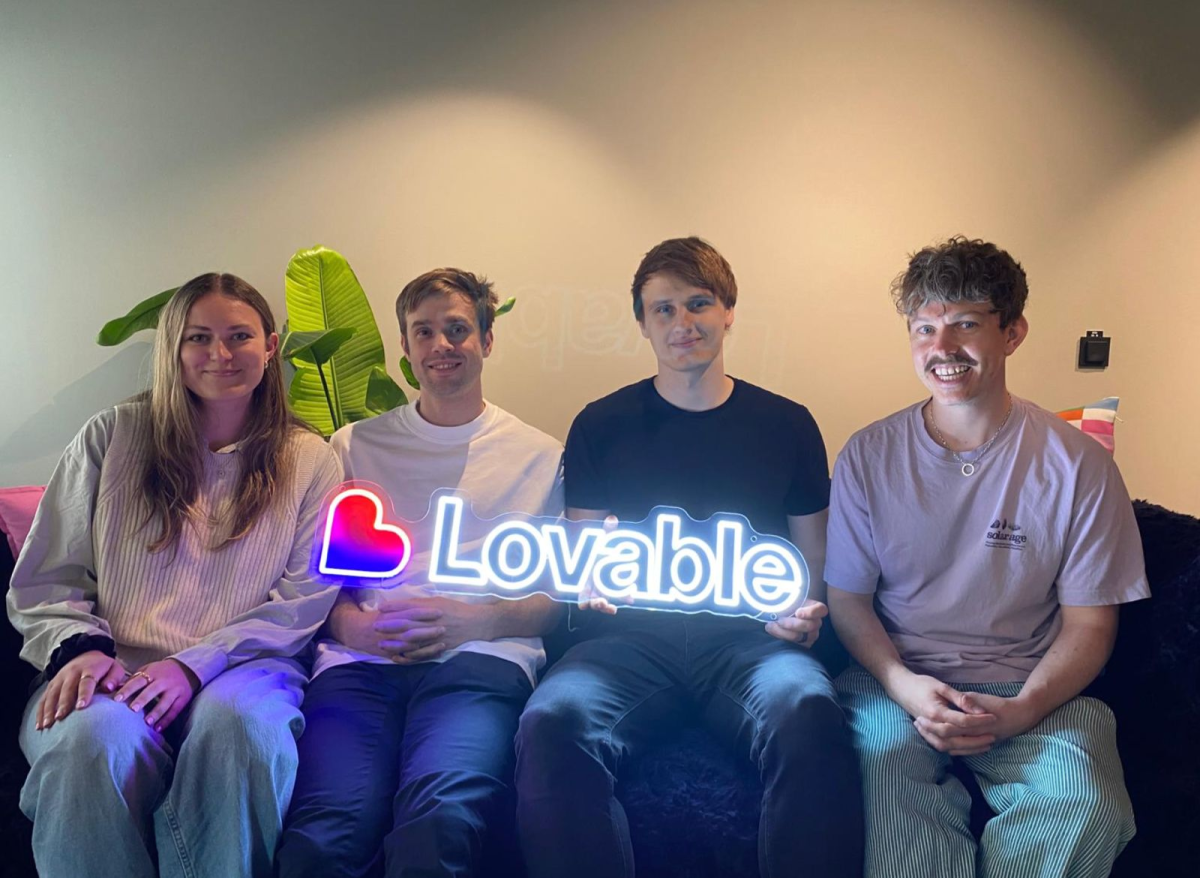
The software development world just witnessed something unprecedented. A European startup called Lovable reached $20 million in annual recurring revenue in just two months, making it potentially the fastest-growing startup in European history. But here's the twist that's making traditional software agencies nervous: they did it by giving non-technical founders the power to build full-stack applications without writing a single line of code. For years, the promise of no-code tools has been the same: anyone can build an app. But the reality has always been different. You'd create a beautiful frontend, get excited about your progress, and then hit the technical cliff. Suddenly you needed to configure databases, set up authentication, manage API keys, and deploy to servers. The "no-code" dream became a "hire-a-developer-anyway" nightmare.
The comparison to WeChat as a super app is interesting but incomplete. WeChat's dominance came from geography and regulatory protection in a single market. Meta is trying to pull off a similar integration across dozens of markets with radically different regulatory environments. That is a fundamentally harder problem.
This whole debate misses the forest for the trees. The real issue is that social media companies should not be the ones making these decisions unilaterally. There should be regulatory frameworks that specify what access is acceptable under what circumstances, not company-by-company policies.
Deleted the app when the new privacy policy dropped in January. The combination of new location tracking language and now confirmed no E2EE is just too much of a pattern for me to ignore.
The part of the article comparing Codex for rapid exploration and Claude Code for polishing production code maps exactly to how my team ended up using both. We did not plan it that way, it just emerged from the tools' natural strengths.
The global cryptocurrency market capitalization has climbed back above the $2.5 trillion threshold, fueled by a massive liquidation of short positions and renewed institutional interest. Geopolitical developments and shifting investor sentiment combined to create a powerful rally that caught bearish traders off guard, resulting in substantial losses for those betting against the market. According to data from CoinGecko, the total market capitalization of all cryptocurrencies combined increased 1.4% to reach $2.52 trillion on Friday, April 10. Bitcoin experienced a notable surge of over 3%, briefly touching the $73,000 mark before consolidating around $72,000 at the time of writing. Ethereum demonstrated equally impressive strength, pushing past the $2,200 level, while the majority of top 10 cryptocurrencies by market capitalization also posted significant gains.

Could totally dress this up with some leather pants instead of the jeans for a night out
Just noticed the elbow patches on the cardigan what a cute detail! Makes it feel even more classic.