Been a fan of Michael Jackson since childhood and I will say this carefully: I can love the music and the artistry and still think a complete biographical film owes the audience the full story. Those two things are not in conflict.
20
Sign up to see more
SignupAlready a member?
LoginBy continuing, you agree to Sociomix's Terms of Service, Privacy Policy

Been a fan of Michael Jackson since childhood and I will say this carefully: I can love the music and the artistry and still think a complete biographical film owes the audience the full story. Those two things are not in conflict.
The scene I keep seeing clips of where Jaafar teaches the gang members the Beat It choreography looks genuinely electric. That specific moment is apparently one of the most praised sequences in the whole film.
That is a fair point but also worth noting that Fuqua clearly got an exceptional performance out of a first-time screen actor, which is itself a significant directorial achievement regardless of script issues.
The cosmetic neurology framing in the broader conversation around this topic makes me deeply uncomfortable. The idea that healthy adults should be using TMS or focused ultrasound for performance optimization before we have long term safety data is a category of risk that deserves serious public conversation.
What studio would even be the right fit for this? Something comedy focused with strong character animation. The faces have to be right or the whole thing falls apart.
Thinking about how manhwa adaptations into anime are becoming increasingly common and wondering how a story like this would even translate. The pacing is so specific to the reading experience.
Can someone explain the magic system a bit more? The article says it's separate from qi cultivation and demon tech but I'm still fuzzy on how it actually works in practice.
Second Life Ranker deserves to be on this list. The revenge setup, the leveling system, the twin brother mystery, it hooks you from chapter one and never really lets go.
The regression genre being so dominant right now reflects something real about reader psychology. The idea that knowledge and preparation could override disadvantage is deeply appealing in a world where people feel like systemic forces are beyond their control.
As a reader who usually bounces off emotional manhwa because they manipulate rather than earn their moments, this series genuinely earned every single one of mine. The difference between manufactured sadness and real consequence is something this writer understands.
The villain defeat expressions mentioned in the article are so underrated. The moment a major antagonist realizes they have lost and you see that specific kind of disbelief on their face, that is storytelling happening purely through the art.
Every team I know running serious AI coding workflows has at least one person whose whole job is basically prompt engineering and output review. That is not the efficiency gain these tools promised.
The article says the question is not whether companies will adopt this technology but how quickly. That framing assumes the technology keeps improving and the ethics concerns do not catch up. I would not assume either of those things.
Pricing clarity is genuinely undervalued as a product feature. When your costs are predictable you can budget for AI as infrastructure instead of treating every project as a cost gamble.
The article mentions teams use v0 output for dashboards and data tables. In my experience those are the hardest things to get right manually. If v0 can reliably produce a good data table with sorting and pagination I would use it for that alone.
Speaking from experience building internal tools at a mid-size company, the moment you try to do anything with complex business logic or multi-tenant data structures, you start hitting walls pretty fast. Great for prototypes, genuinely limited for production.
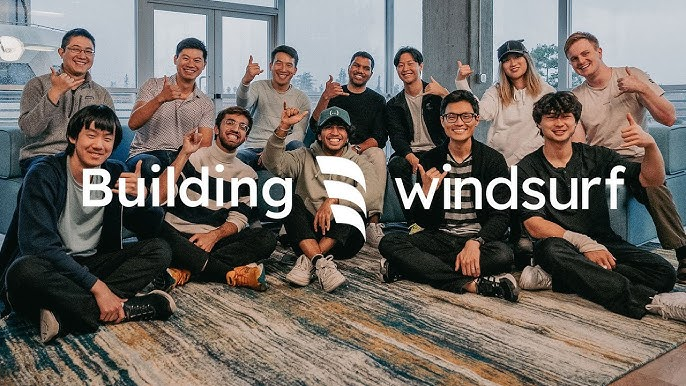
Developers have a new anxiety in 2026: token anxiety. You're in the middle of debugging a complex problem, the AI is helping you refactor three files simultaneously, and suddenly you wonder if this session is about to cost you $50. That mental tax slows you down and makes you second-guess using the tool you're paying for. Windsurf eliminated that anxiety with a simple decision: flat monthly pricing with no token limits. Fifteen dollars per month. Unlimited usage. No tracking credits or calculating costs per query. That pricing model sounds almost boring compared to the complex token systems other AI coding tools use, but boring is exactly what professional developers want when it comes to pricing. They want predictable costs and unlimited usage so they can focus on writing code instead of budgeting AI queries.
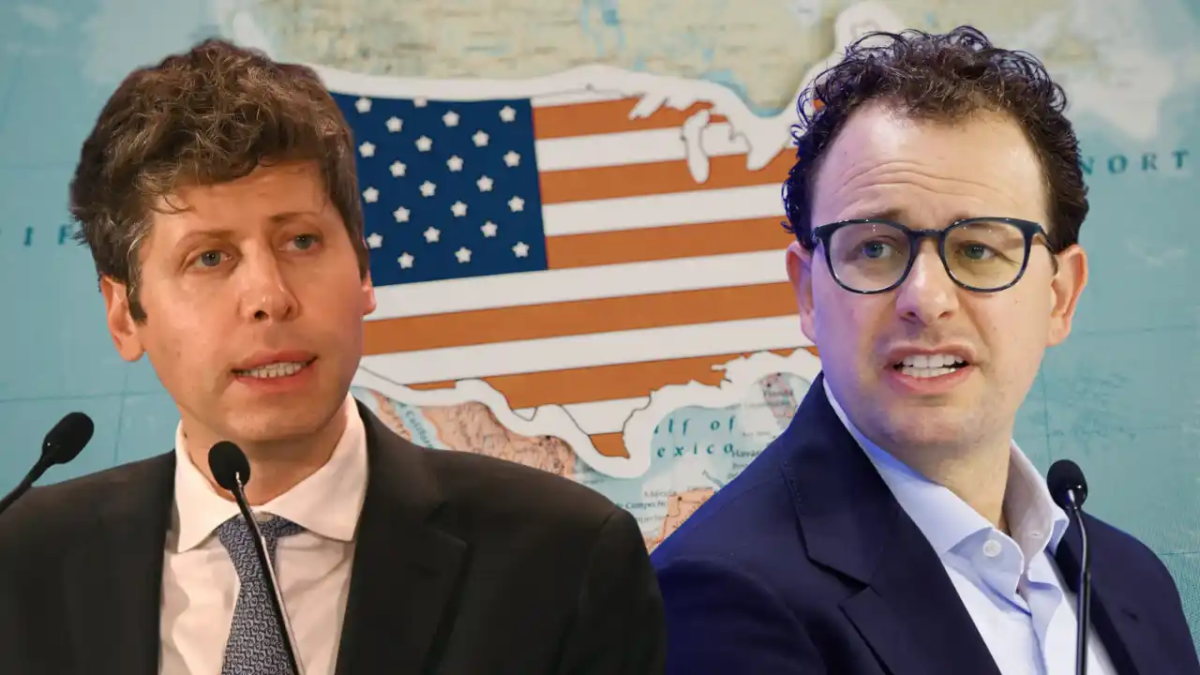
There's a photograph from February 2026 that pretty much sums up the state of AI right now. At the India AI Impact Summit in New Delhi, Indian Prime Minister Narendra Modi invited the world's tech leaders onstage for a group photo. Everyone held hands. Well, almost everyone. Sam Altman of OpenAI and Dario Amodei of Anthropic, standing right next to each other, refused to clasp hands and instead raised their fists separately. The internet, predictably, lost its mind. An awkward moment between OpenAI CEO Sam Altman and Anthropic CEO Dario Amodei at an AI Summit captured the increasingly icy relations between two rival tech leaders who started off as colleagues. That's not just petty drama. It's a window into what may be the most consequential corporate rivalry in the technology world right now, one that's playing out in boardrooms, courtrooms, Super Bowl ads, and billion-dollar compute deals all at once.
The cybersecurity program finding thousands of zero days in weeks makes me simultaneously grateful Anthropic exists and terrified about what happens when a less careful organization builds something similar.
Careful with the enthusiasm. Short squeeze-driven rallies tend to run fast and reverse just as fast once the liquidation pressure clears. This is not the same as a fundamental demand-driven bull run.