
The part about evening chronotypes needing more deliberate intervention is the part I wish the article had expanded on. That 30-minute-at-a-time adjustment tip is buried near the bottom and it should be front and center.
9
Sign up to see more
SignupAlready a member?
LoginBy continuing, you agree to Sociomix's Terms of Service, Privacy Policy

The part about evening chronotypes needing more deliberate intervention is the part I wish the article had expanded on. That 30-minute-at-a-time adjustment tip is buried near the bottom and it should be front and center.
A part two that addresses the allegations head on would be commercially radioactive and the estate would never approve it. The His Story Continues tagline is either wishful thinking or the most optimistic end card in cinema history.
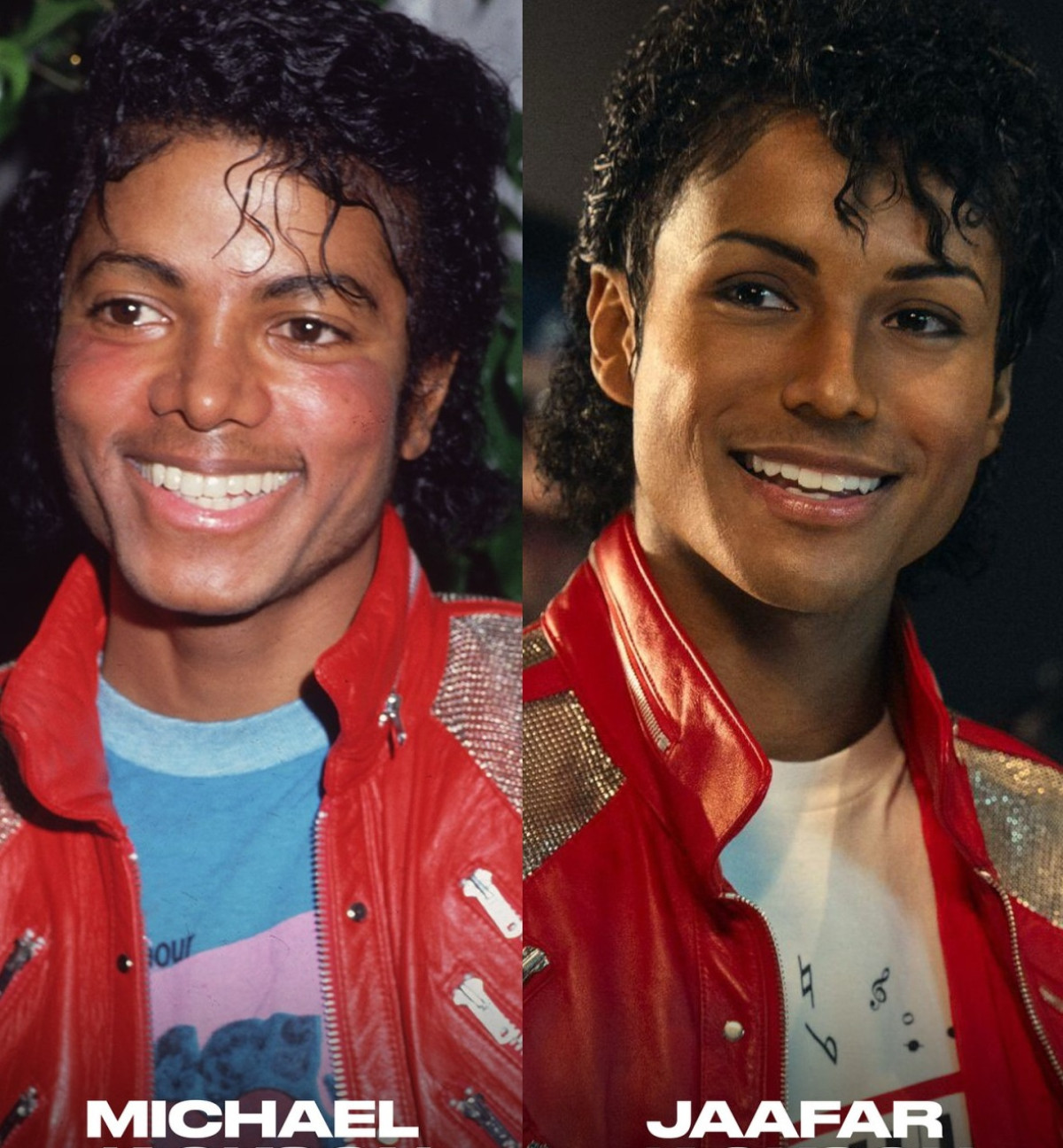
Jaafar Jackson plays Michael Jackson in the 2026 biopic Michael, and the story of how the 29-year-old newcomer landed the role is more interesting than the film itself. It started with a voice note. It involved a two-year global casting search with no formal auditions. It required Jaafar to keep the role secret from his own family for a full year. And it ended with his grandmother Katherine Jackson, the woman who knew Michael longest and loved him most, telling producers that her grandson didn't just resemble her son, he embodied him. After tracking every interview, behind-the-scenes video, and production report released since the film was announced, I can tell you that the choice of Jaafar was not nepotism, not a publicity play, and not the obvious pick everyone assumes it was. It was a hard-earned outcome of the most unusual casting process in recent biopic history, and here is how it actually happened.
Does Copycat require you to have read Sweet Home or Bastard first, or is it a standalone entry point for new readers?
Speaking from experience in facilities management, the people who burn out fastest are the ones who came from software and expected the same flexibility. Datacenter ops is much closer to working at a hospital than working at a startup.
Eleceed. The CGI concern for Eleceed is real. If Kayden's expressions do not land the whole mentor comedy dynamic falls apart and the show becomes just another awakened powers action series.
The historical relic angle is genuinely underrated. Getting a Napoleon relic or a Cleopatra relic and seeing how the show interprets those powers is the kind of variety that keeps things fresh chapter after chapter.
Weekly updates on Webtoon hurt for a series this bingeable. Got into it way too late and now the wait is real.
The magic system feels like it's still being established in the earlier chapters. From what I can tell it operates through external formulas rather than internal energy refinement, which is a meaningful distinction that becomes important later.
The free tier having a Made in Bolt badge is a completely reasonable business decision and people complaining about it need to relax. You want free hosting and free AI generation and no attribution? That math doesn't work.
Still waiting for someone to explain how the AI eye contact feature actually works without looking deeply unsettling. Every demo I have seen looks a little off.
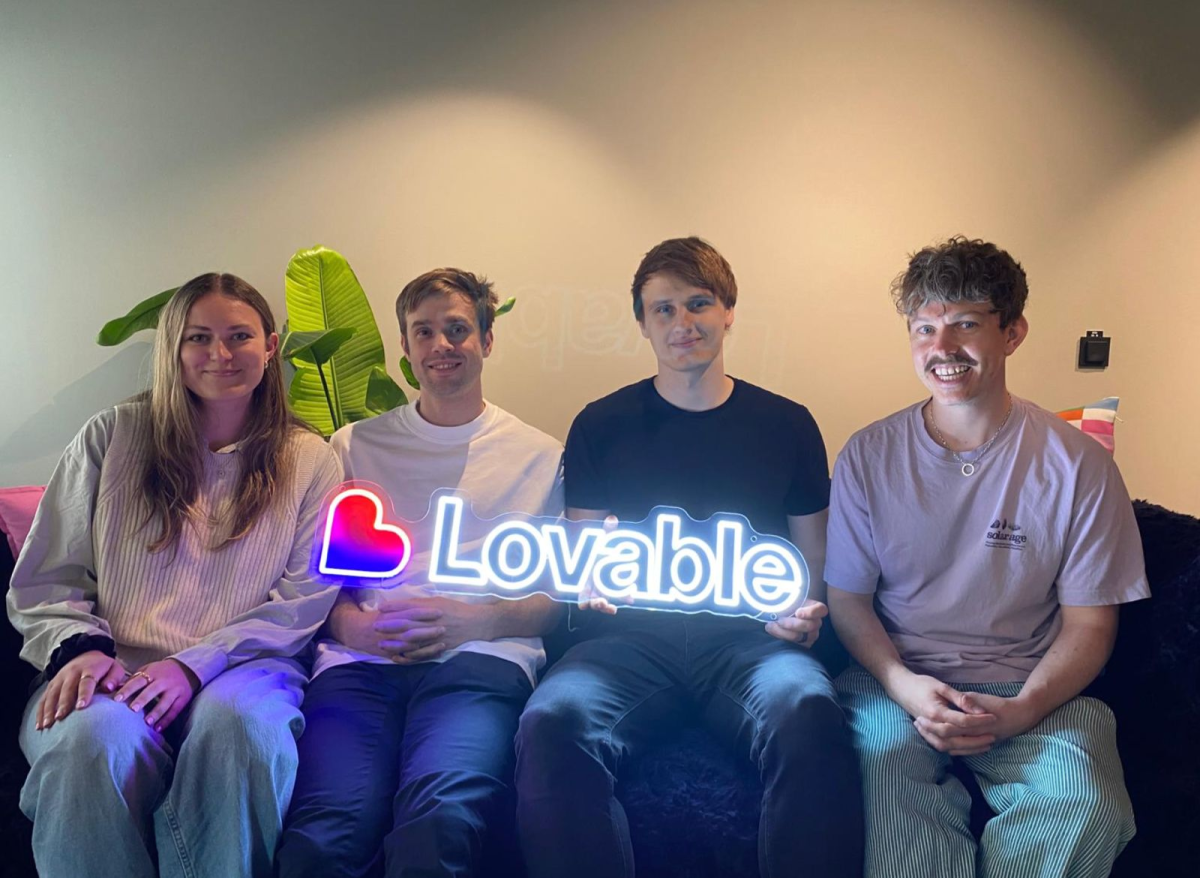
The software development world just witnessed something unprecedented. A European startup called Lovable reached $20 million in annual recurring revenue in just two months, making it potentially the fastest-growing startup in European history. But here's the twist that's making traditional software agencies nervous: they did it by giving non-technical founders the power to build full-stack applications without writing a single line of code. For years, the promise of no-code tools has been the same: anyone can build an app. But the reality has always been different. You'd create a beautiful frontend, get excited about your progress, and then hit the technical cliff. Suddenly you needed to configure databases, set up authentication, manage API keys, and deploy to servers. The "no-code" dream became a "hire-a-developer-anyway" nightmare.
This whole debate misses the forest for the trees. The real issue is that social media companies should not be the ones making these decisions unilaterally. There should be regulatory frameworks that specify what access is acceptable under what circumstances, not company-by-company policies.
The whole situation highlights something underappreciated: we are in the middle of a massive reordering of who controls the foundational infrastructure of AI. The companies that control compute at scale will have structural advantages that compound over time.
Would this cardigan work for someone who's petite? I feel like it might overwhelm my frame
Anyone else obsessed with how the fringe moves when you walk? I have a similar vest and it makes me feel so glamorous
The d'Orsay pumps are such a clever choice they elongate the legs so beautifully with this length.
I'm thinking about getting these pants but worried about the length. Anyone know if they're easy to hem?