
The Colman Domingo casting as Joe Jackson is inspired. Watching him described as a chilling presence playing the domestic Svengali monster is exactly what that role demands.
13
Sign up to see more
SignupAlready a member?
LoginBy continuing, you agree to Sociomix's Terms of Service, Privacy Policy

The Colman Domingo casting as Joe Jackson is inspired. Watching him described as a chilling presence playing the domestic Svengali monster is exactly what that role demands.
The predictive modeling panels are the ones I reread most. Seeing multiple ghost futures superimposed over the present and then watching which one actually happens is genuinely addictive as a reading experience.
Hard disagree. Sometimes you just want to watch an absurdly powerful protagonist obliterate everything in their path. Not every manhwa needs to be a strategic underdog story.
When you think of murim manhwa, your mind probably conjures images of ancient martial arts sects, internal energy cultivation, and warriors battling with swords and bare fists in historical settings. Science fiction elements like outer space invasions, advanced technology, and apocalyptic scenarios belong to completely different stories. Return of the Demonic Instructor takes these seemingly incompatible genres and weaves them into something genuinely innovative. Released on Webtoon in January 2026, this series arrived at the perfect moment when readers were hungry for fresh takes on established formulas. The premise alone sounds wild. A murim world gets invaded by demons from outer space, forcing martial artists to adapt centuries-old techniques to fight extraterrestrial threats. Then throw in regression, magic systems, and apocalyptic survival elements for good measure.

Real talk: the trust issue with AI coding tools is not improving. Developers I know are using these tools more while trusting them less, which means they are generating faster and reviewing harder.
In a medium filled with talented artists producing stunning work, making a claim about any series having the "best" art feels bold. Yet Nano Machine consistently delivers combat sequences so fluid, detailed, and visually innovative that even readers who don't typically care about martial arts stories find themselves captivated by the sheer spectacle on display. The series combines traditional murim aesthetics with futuristic sci-fi elements, creating a unique visual identity that stands apart from typical cultivation manhwa. The nano machine implanted in protagonist Cheon Yeo-Woon's body doesn't just give him power. It becomes a storytelling device that allows the artist to visualize techniques, energy flows, and combat analysis in ways other series can't replicate.

Anyone else think the pricing model with credits and tiers is still the biggest barrier to mainstream adoption? Non-technical users do not want to think about generation queues and credit limits.
The part about course creators translating content into languages they do not speak is the use case that stops me cold every time I think about it. That would have been science fiction five years ago.
As someone who manages a design team, the biggest win here is not the code quality. It is the shared artifact. When designers and developers are both looking at the same generated component and iterating on it together, the conversation changes completely.
Both companies are burning through cash at a pace that would bankrupt most Fortune 500 firms and we're all just nodding along like this is fine.
The Super Bowl ads with the words betrayal and deception flashing across the screen were genuinely shocking. Anthropic is not playing nice anymore and honestly good for them.
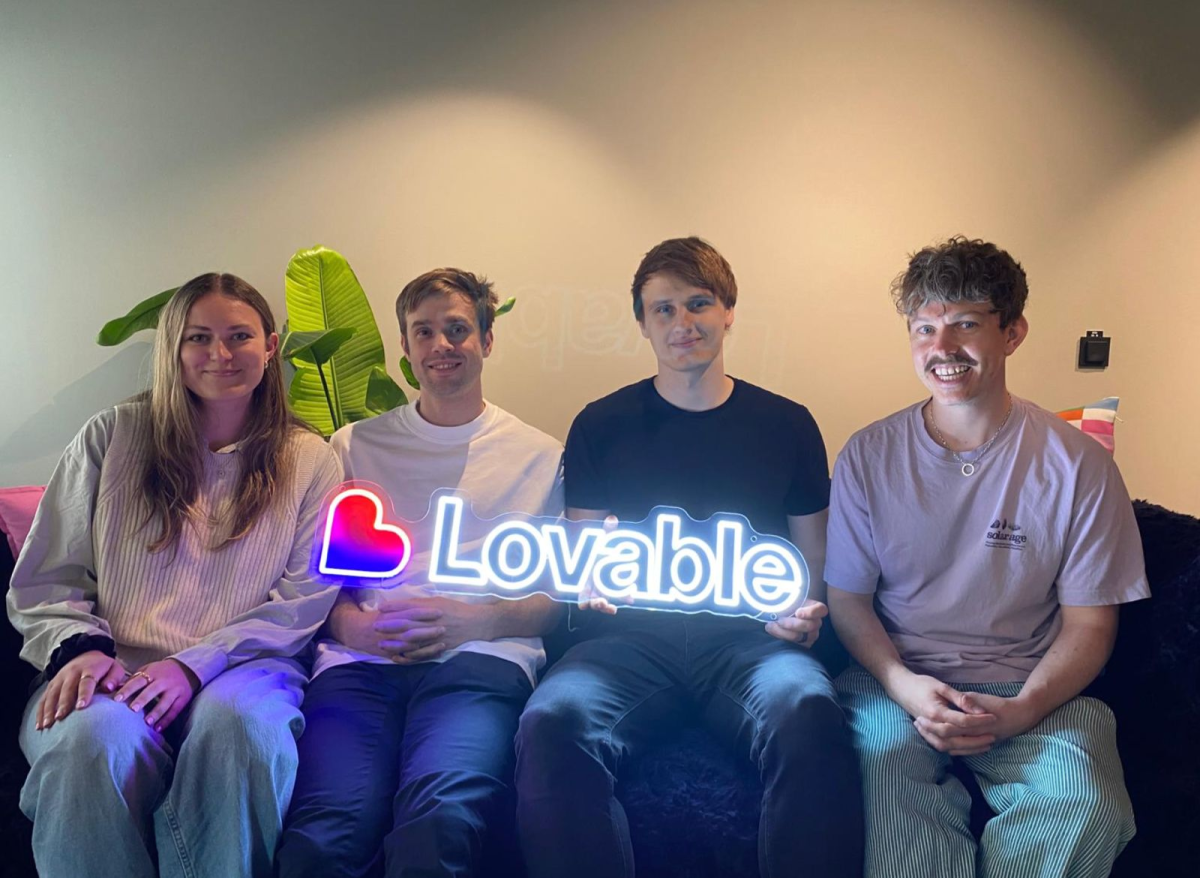
The software development world just witnessed something unprecedented. A European startup called Lovable reached $20 million in annual recurring revenue in just two months, making it potentially the fastest-growing startup in European history. But here's the twist that's making traditional software agencies nervous: they did it by giving non-technical founders the power to build full-stack applications without writing a single line of code. For years, the promise of no-code tools has been the same: anyone can build an app. But the reality has always been different. You'd create a beautiful frontend, get excited about your progress, and then hit the technical cliff. Suddenly you needed to configure databases, set up authentication, manage API keys, and deploy to servers. The "no-code" dream became a "hire-a-developer-anyway" nightmare.
The $8 Go tier is interesting too and barely gets mentioned. There are a lot of developers who want occasional agentic help but do not need daily limits. That tier is smart market segmentation.
The article keeps calling this unprecedented but Anthropic finding zero-days in every major OS and every major browser is not a small caveat. That is civilization-level infrastructure.
Meta committed hundreds of billions to build AI computing infrastructure and their first deliverable is a model that is competitive but not dominant. I respect the honesty in admitting that publicly. Most companies would have just called it the best.
Oberyn's death was the most shocking moment in GOT for me. Pascal's portrayal was legendary.
I would absolutely wear this to a nice dinner date. Elegant but not trying too hard
I actually own these jeans and can confirm they run true to size. Just make sure you have the right shoe height before hemming them!