Tatum_Sunset

There were reports that a storyline involving one of Michael's accusers had to be removed for legal reasons after a settlement. Whether that is fully accurate or not, the finished film noticeably avoids the allegations entirely.
21

Copycat Manhwa Review Complete Guide To Carnby Kim New 2026 Webtoon Thriller
The creators behind some of Webtoon's most successful psychological thrillers have returned with a series that's already generating intense discussion across manhwa communities. For fans who've been following the horror and thriller genre on digital platforms, Carnby Kim and Youngchan Hwang need no introduction. Their latest collaboration tackles themes of artistic plagiarism, obsession, and murder in ways that feel disturbingly relevant to current conversations about creative theft and AI-generated content. This guide covers everything you need to know about Copycat, from its premise and release schedule to how it compares with their previous masterpieces like Sweet Home and Bastard.

251
Save

For complete beginners who are more into story than action, skip to Omniscient Reader's Viewpoint immediately. Solo Leveling is great but ORV will make you feel things Solo Leveling never attempted.
20

Solo Leveling Ragnarok Complete Guide For New And Returning Fans
The manhwa world exploded when Solo Leveling first introduced us to Sung Jinwoo's journey from the weakest hunter to humanity's strongest defender. Now, Solo Leveling Ragnarok brings a fresh perspective to this beloved universe, and fans everywhere are asking the same questions. Can the sequel live up to the original? Do you need to read Solo Leveling first? What makes this continuation worth your time? This guide covers everything you need to know about Solo Leveling Ragnarok, whether you're a longtime fan or someone curious about jumping into the series Solo Leveling Ragnarok is not a reboot or alternate timeline. This is a direct sequel that continues the story years after the original series concluded. The protagonist shifts from Sung Jinwoo to his son, Sung Suho, who must forge his own path in a world still recovering from the catastrophic events his father prevented.

477
Save

The Boxer Anime Adaptation Will Change How You See Sports Manhwa
Sports anime and manga have delivered countless memorable series over the decades, from Slam Dunk's basketball brilliance to Haikyuu's volleyball excellence. These stories typically follow familiar patterns: talented but inexperienced protagonist joins a team, forms bonds with teammates, faces rivals, grows through competition, and ultimately pursues championship glory. The formula works because it taps into universal themes about effort, teamwork, and self-improvement. The Boxer, created by JH, takes everything you expect from sports stories and systematically deconstructs it. The protagonist doesn't love boxing. He doesn't form deep bonds with teammates. He doesn't overcome challenges through friendship and determination. Instead, the manhwa presents one of the darkest, most psychologically complex examinations of combat sports ever created, wrapped in stunningly minimalist artwork that elevates the narrative to something approaching high art.

220
Save

What worries me about The Greatest Estate Developer adaptation is exactly what the article says. Making construction visually exciting requires creative direction and if the studio plays it safe it becomes a slideshow of blueprint scenes.
24
The comparison to having a 1-person team ship what a 4-person team did two years ago is starting to feel conservative honestly.
11

$90M Revenue Growth In 9 Months By Building Apps That Code Themselves
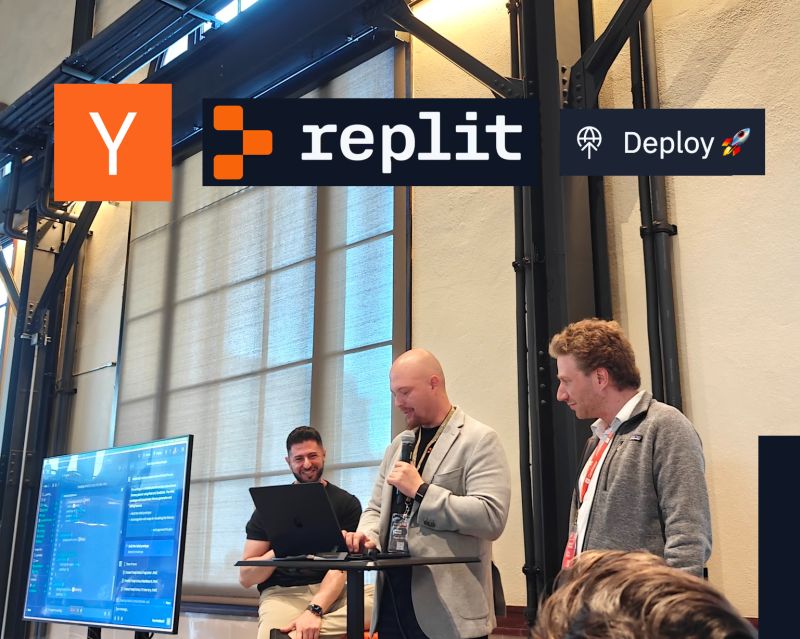
When a company's revenue jumps from $10 million to $100 million in nine months, you pay attention. When that growth comes from an AI agent that builds entire applications autonomously, you realize something fundamental just changed in software development. Replit Agent represents that change, and the numbers prove developers are ready for it. Replit started as a browser-based coding environment for education. Students could write Python or JavaScript without installing anything locally. Teachers loved it because setup time vanished. But the company saw something bigger. If you could run code in the browser, why not let AI write that code? That question led to Agent 3, an AI that doesn't just suggest code completions. It builds entire applications from scratch.
441
Save

$15 Flat Monthly Fee Just Killed Token Anxiety For Developers Forever
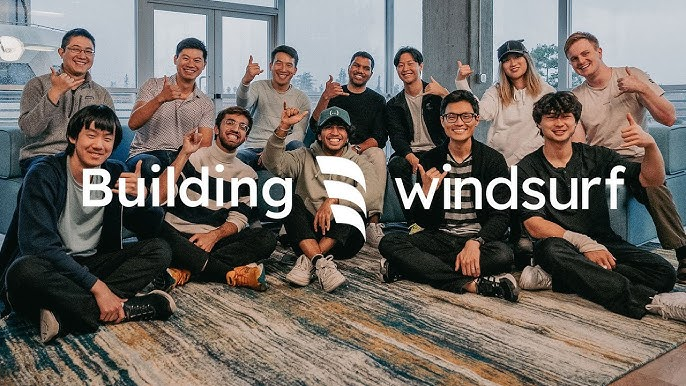
Developers have a new anxiety in 2026: token anxiety. You're in the middle of debugging a complex problem, the AI is helping you refactor three files simultaneously, and suddenly you wonder if this session is about to cost you $50. That mental tax slows you down and makes you second-guess using the tool you're paying for. Windsurf eliminated that anxiety with a simple decision: flat monthly pricing with no token limits. Fifteen dollars per month. Unlimited usage. No tracking credits or calculating costs per query. That pricing model sounds almost boring compared to the complex token systems other AI coding tools use, but boring is exactly what professional developers want when it comes to pricing. They want predictable costs and unlimited usage so they can focus on writing code instead of budgeting AI queries.
247
Save
The Browser Tab That Replaced Your Entire Development Team
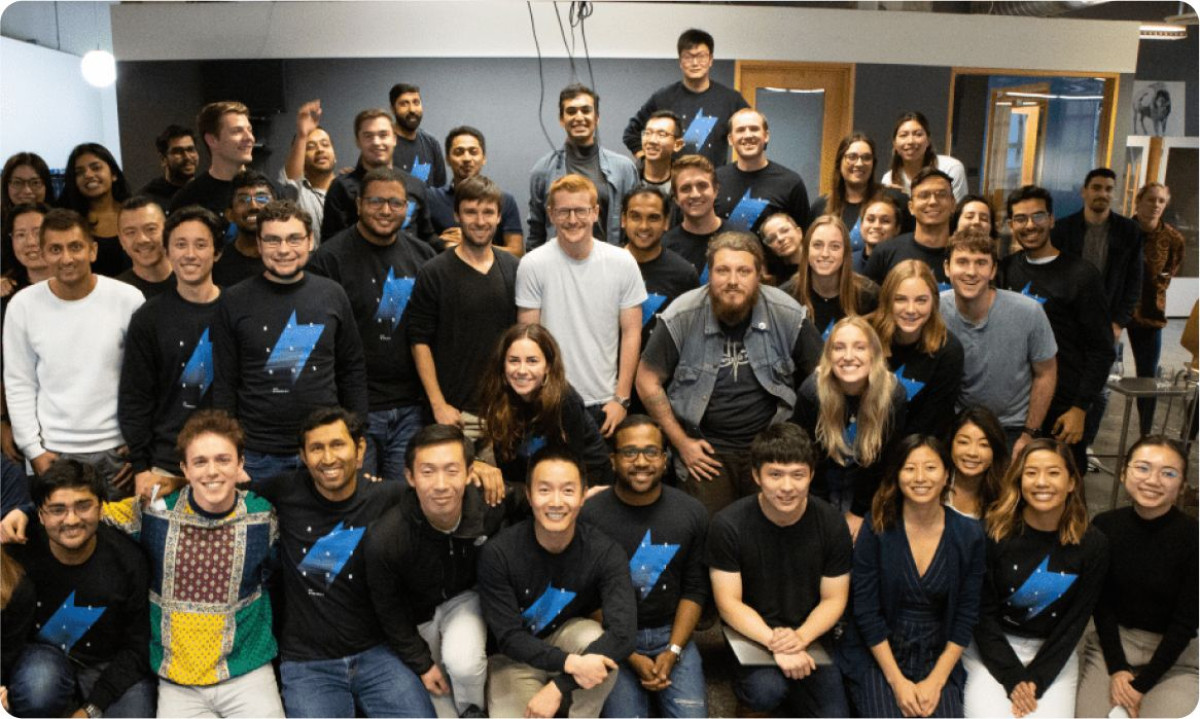
Forty million dollars in annual recurring revenue. Six months. One browser-based platform. Those numbers would be impressive for any software company, but for Bolt.new, they represent something more significant: the moment when development environments moved permanently into the cloud and never looked back. Traditional software development has always required setup. Install Node.js, configure your environment, manage dependencies, set up local servers, troubleshoot version conflicts. Before writing a single line of code, developers spend hours or even days preparing their machines. Junior developers often spend their first week just getting their environment working. Bolt.new eliminated all of that with WebContainers technology.
306
Save

The Irish data protection authority just fined TikTok 530 million euros and found that EU user data was being accessed remotely by China-based engineers. And now TikTok wants us to be comfortable with them having full read access to private messages. No thank you.
21

Niche take but this feature matters most for non-English speakers commenting in a second language. The pressure of posting something grammatically off and not being able to fix it is way higher when you are already self-conscious about how you write.
22

As someone who builds on AI APIs professionally, the move to proprietary is frustrating but understandable. Meta needed to monetize something. Giving away open weights for years built goodwill but not revenue. The real question is whether their API pricing will be competitive with OpenAI and Anthropic.
23

Anthropic's Strategic Shift: The Race To Control AI Computing Infrastructure
The artificial intelligence industry is entering a new phase of competition, one that extends far beyond the development of advanced language models and neural networks. Companies are now engaged in an intense struggle to secure the computational infrastructure necessary to train and deploy their AI systems. In this context, Anthropic has reportedly begun exploring the possibility of designing and manufacturing its own specialized processors to power Claude, its flagship conversational AI platform, along with its broader suite of artificial intelligence technologies. This strategic consideration emerges at a critical moment in the global AI sector. The exponential growth in model complexity and capability has created unprecedented demand for high-performance computing resources. Sources familiar with the matter indicate that Anthropic is conducting feasibility studies to determine whether developing proprietary semiconductor technology could reduce its dependence on external hardware vendors while ensuring reliable access to the computing power required for its operations.

447
Save


My daughter would go crazy for this outfit. Anyone know if the cat tees come in kids sizes?
3

I actually own those sunglasses and they go with literally everything in my wardrobe! Best purchase ever
8