Can someone explain what chronotype means in this context? The article uses it but I was not sure what my chronotype actually is.
11
Sign up to see more
SignupAlready a member?
LoginBy continuing, you agree to Sociomix's Terms of Service, Privacy Policy

Can someone explain what chronotype means in this context? The article uses it but I was not sure what my chronotype actually is.
This is honestly the first nutrition framework that has felt sustainable to me after years of trying everything. Calorie counting made me anxious at restaurants and this just does not do that.
The technology sector is experiencing a paradox. While headlines scream about mass layoffs at major tech companies, a critical shortage is quietly building in one of the most essential areas of digital infrastructure. Datacenters, the physical backbone of our digital world, are facing an unprecedented demand surge, and there simply are not enough skilled professionals to build and maintain them. Countries across the globe are rushing to establish their own datacenter infrastructure. From India's ambitious plans to become a datacenter hub to the European Union's push for data sovereignty, and emerging markets in Southeast Asia and Latin America building their first large scale facilities, the construction boom is just beginning.

The main difference is some dialogue tweaks and the Peace Land arc has reworked character motivations in the published novel version. For most readers the manhwa is fine as an anime source. The bones are the same.
The bleakness does not feel exploitative is the thing. It feels like someone who actually understands melancholy trying to render it honestly rather than dramatically.
At this point the manhwa to anime wave is big enough that it is changing what casual anime viewers consider normal story structure. Regression plots and overpowered protagonists are basically mainstream now.
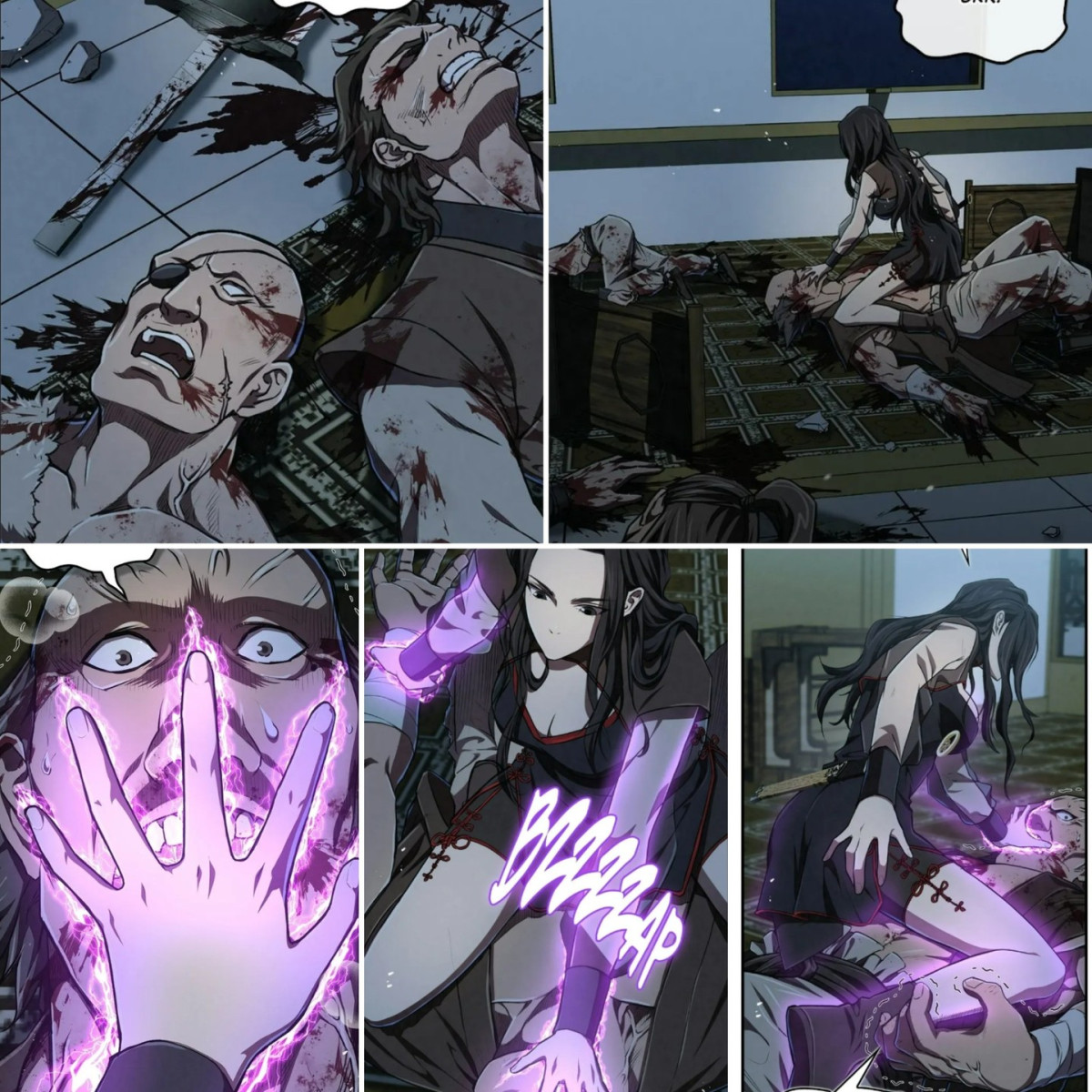
When you think of murim manhwa, your mind probably conjures images of ancient martial arts sects, internal energy cultivation, and warriors battling with swords and bare fists in historical settings. Science fiction elements like outer space invasions, advanced technology, and apocalyptic scenarios belong to completely different stories. Return of the Demonic Instructor takes these seemingly incompatible genres and weaves them into something genuinely innovative. Released on Webtoon in January 2026, this series arrived at the perfect moment when readers were hungry for fresh takes on established formulas. The premise alone sounds wild. A murim world gets invaded by demons from outer space, forcing martial artists to adapt centuries-old techniques to fight extraterrestrial threats. Then throw in regression, magic systems, and apocalyptic survival elements for good measure.
Hot take and unpopular probably but I think this is actually a better treatment of post-adventure ennui than Frieren. Frieren has more warmth but Skeleton Messenger has more honesty.
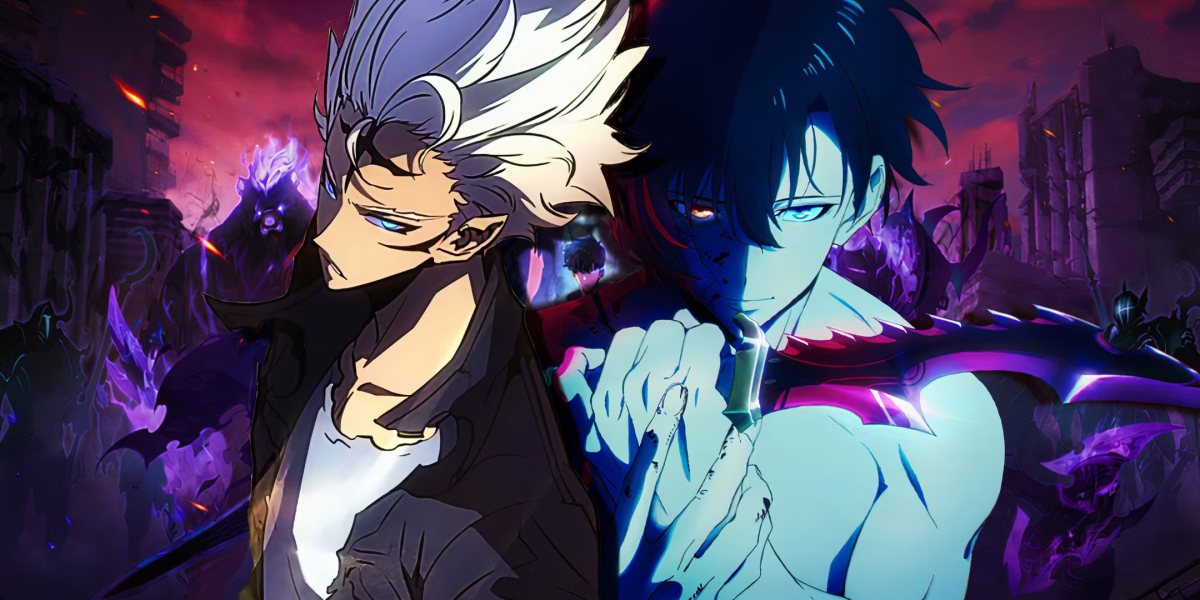
The manhwa world exploded when Solo Leveling first introduced us to Sung Jinwoo's journey from the weakest hunter to humanity's strongest defender. Now, Solo Leveling Ragnarok brings a fresh perspective to this beloved universe, and fans everywhere are asking the same questions. Can the sequel live up to the original? Do you need to read Solo Leveling first? What makes this continuation worth your time? This guide covers everything you need to know about Solo Leveling Ragnarok, whether you're a longtime fan or someone curious about jumping into the series Solo Leveling Ragnarok is not a reboot or alternate timeline. This is a direct sequel that continues the story years after the original series concluded. The protagonist shifts from Sung Jinwoo to his son, Sung Suho, who must forge his own path in a world still recovering from the catastrophic events his father prevented.
The designer-developer relationship has been tense for decades. Designers create pixel-perfect mockups in Figma. Developers translate them to code and somehow everything looks slightly wrong. Fonts don't match. Spacing is inconsistent. Buttons have different corner radiuses. Both sides get frustrated, blame each other, and the product suffers. V0 by Vercel is fixing this problem by generating production-quality React components that look exactly like the designs. The rebrand from v0.dev to v0.app in January 2026 signaled expanded ambitions beyond just UI component generation. Vercel positioned the tool for full-stack web development, though its core strength remains frontend excellence. That strategic clarity matters because trying to be everything often means excelling at nothing. V0 chose to dominate the handoff between design and code before expanding into other areas.
Hot take: the designer-developer relationship was never really about aesthetics. It was about power and ownership over the product. Better tooling helps but it does not address the underlying org structure question.
Genuinely curious, does restricting Mythos to a vetted partner list actually hold up once competing models reach similar capability? Seems like a finite window of control at best.
Niche take but this feature matters most for non-English speakers commenting in a second language. The pressure of posting something grammatically off and not being able to fix it is way higher when you are already self-conscious about how you write.
Has anyone tried styling the graphic tee with a leather skirt instead? I feel like it could work for a night out look
The crystal drop earrings are lovely, but I could also see this working beautifully with vintage clip on pearls for a more traditional look. What do you think?