
Does creatine monohydrate actually help with brain function or is that just gym culture bleeding into nootropics discourse?
18
Sign up to see more
SignupAlready a member?
LoginBy continuing, you agree to Sociomix's Terms of Service, Privacy Policy

Does creatine monohydrate actually help with brain function or is that just gym culture bleeding into nootropics discourse?
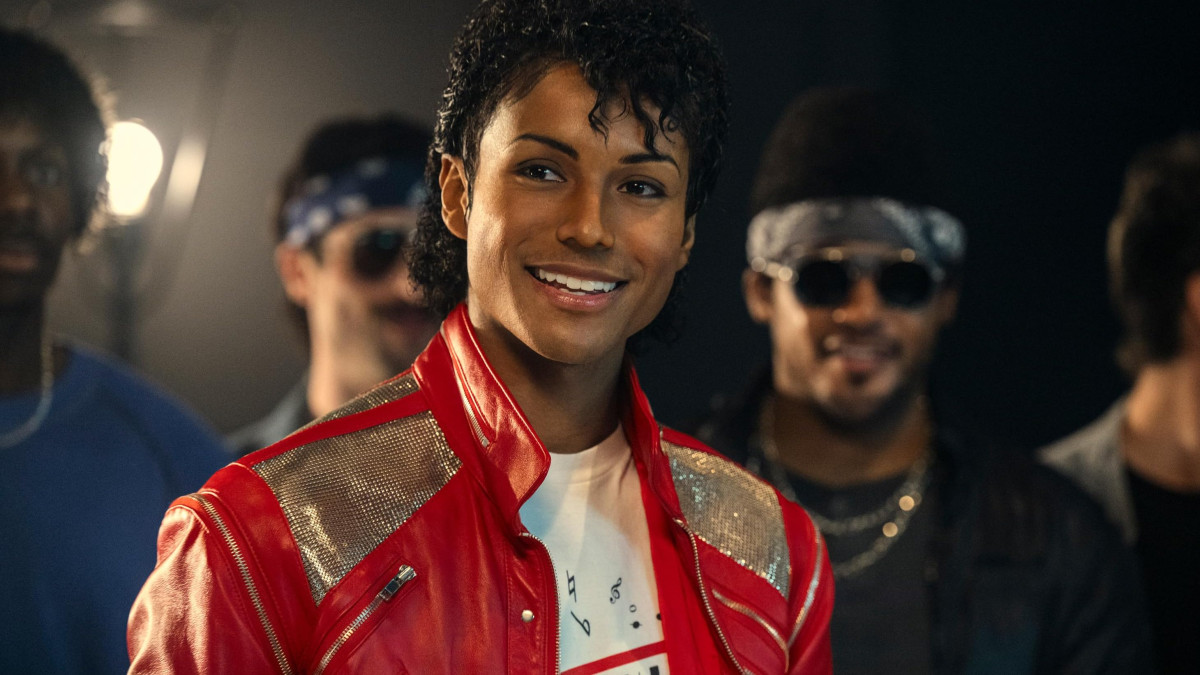
Just noticed the article mentions the film covers through the 1988 Bad World Tour. Does that mean the Victory Tour and the Pepsi era are included or does it jump over parts of the early 80s?
Having spent a lot of time studying how live performance translates to film, I can say that the Talauega brothers choreographing those sequences with someone who actually understands the movement vocabulary made a genuine difference. Those scenes will hold up.
The Michael movie review verdict is in, and it is more complicated than the 26% Rotten Tomatoes score suggests. Antoine Fuqua's long-delayed Michael Jackson biopic, simply titled Michael, hit theaters this weekend with Jaafar Jackson playing his late uncle, and the critical response has been brutal. The BBC gave it one star. Roger Ebert's site called it a filmed playlist in search of a story. Yet early audience reactions on social media have been warmer, ticket pre-sales suggest an $80 million opening, and Variety thought it worked as an engrossing middle-of-the-road biopic. After tracking coverage across more than a dozen outlets over the past 48 hours, I think the honest answer to "should you watch this?" depends almost entirely on what you want from a music biopic, and this guide breaks down exactly what the film delivers, what it skips, and who will actually enjoy sitting through its two-hour-and-nine-minute runtime.
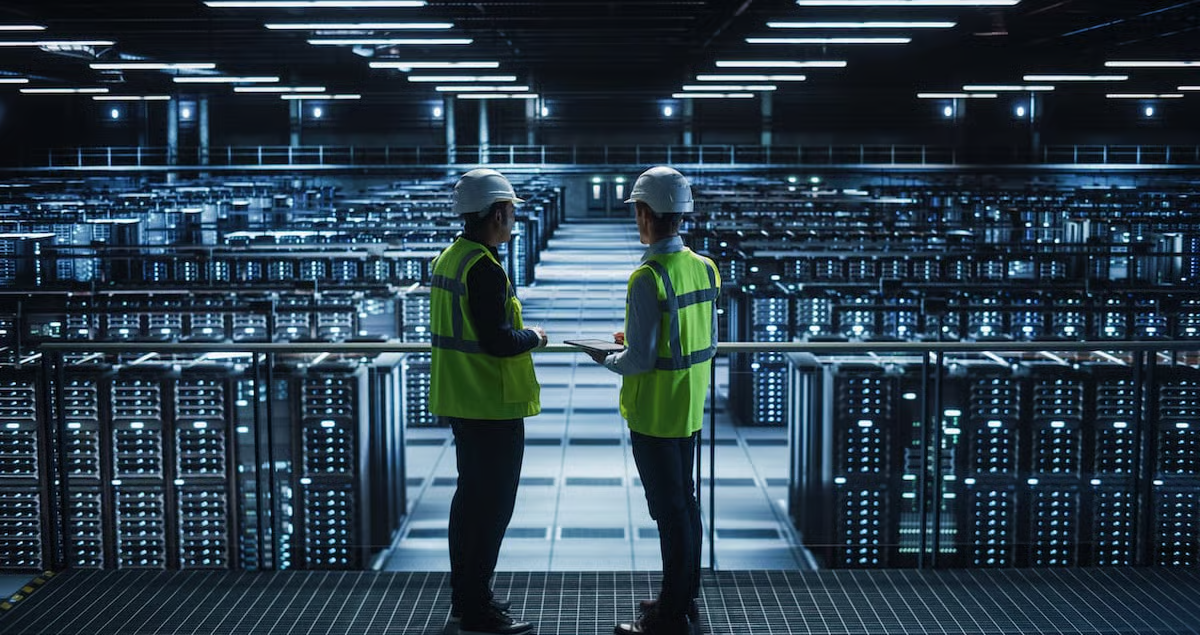
1.9 million manufacturing worker shortfall projected by 2033. Combine that with the datacenter build-out and you start to understand why every hiring manager in this space sounds like they are in a permanent panic.
The technology sector is experiencing a paradox. While headlines scream about mass layoffs at major tech companies, a critical shortage is quietly building in one of the most essential areas of digital infrastructure. Datacenters, the physical backbone of our digital world, are facing an unprecedented demand surge, and there simply are not enough skilled professionals to build and maintain them. Countries across the globe are rushing to establish their own datacenter infrastructure. From India's ambitious plans to become a datacenter hub to the European Union's push for data sovereignty, and emerging markets in Southeast Asia and Latin America building their first large scale facilities, the construction boom is just beginning.
My one complaint is that some of the smaller filler fight chapters have noticeably lower art quality. The peak chapters are extraordinary but the consistency across two hundred plus chapters is not quite as airtight as the article suggests.
In a manhwa landscape dominated by dungeon crawling, regression narratives, and power fantasies, The Greatest Estate Developer stands out by asking a simple question: what if the protagonist's greatest weapon wasn't a sword or magic system, but civil engineering knowledge? This bizarre premise transforms into one of the most entertaining, genuinely funny, and surprisingly heartfelt series currently running, proving that innovation in storytelling comes from unexpected places. The series takes the familiar isekai setup where a modern person finds themselves in a fantasy world and completely subverts expectations. Instead of becoming an adventurer or hero, protagonist Kim Suho uses his engineering knowledge to revolutionize construction, infrastructure, and economic development. What sounds like it should be boring becomes absolutely captivating through sharp writing, excellent comedic timing, and genuine passion for showing how infrastructure improves lives.

ufotable being rumored as the animation studio is the detail that would send me completely over the edge. Their particle effects and fluid motion for something like the constellation scenarios would be unreal.
The Primal Hunter's alchemy angle is so underrated in discussions about the series. Most system apocalypse stories reduce everything to combat progression. The crafting and experimentation subplot gives it genuine texture.
The webtoon having a satisfying ending confirmed is a huge deal for anyone nervous about committing to a long series. Go in knowing it sticks the landing.
Runway winning this benchmark matters but the bigger signal is the enterprise spend data. When actual money is flowing into a platform at scale, that is harder to argue with than any leaderboard score.
Tried building a complex form with conditional logic and multi-step validation. v0 got 80 percent of the way there on the first prompt and the remaining 20 percent took maybe 30 minutes of manual work. That is still a massive win over starting cold.
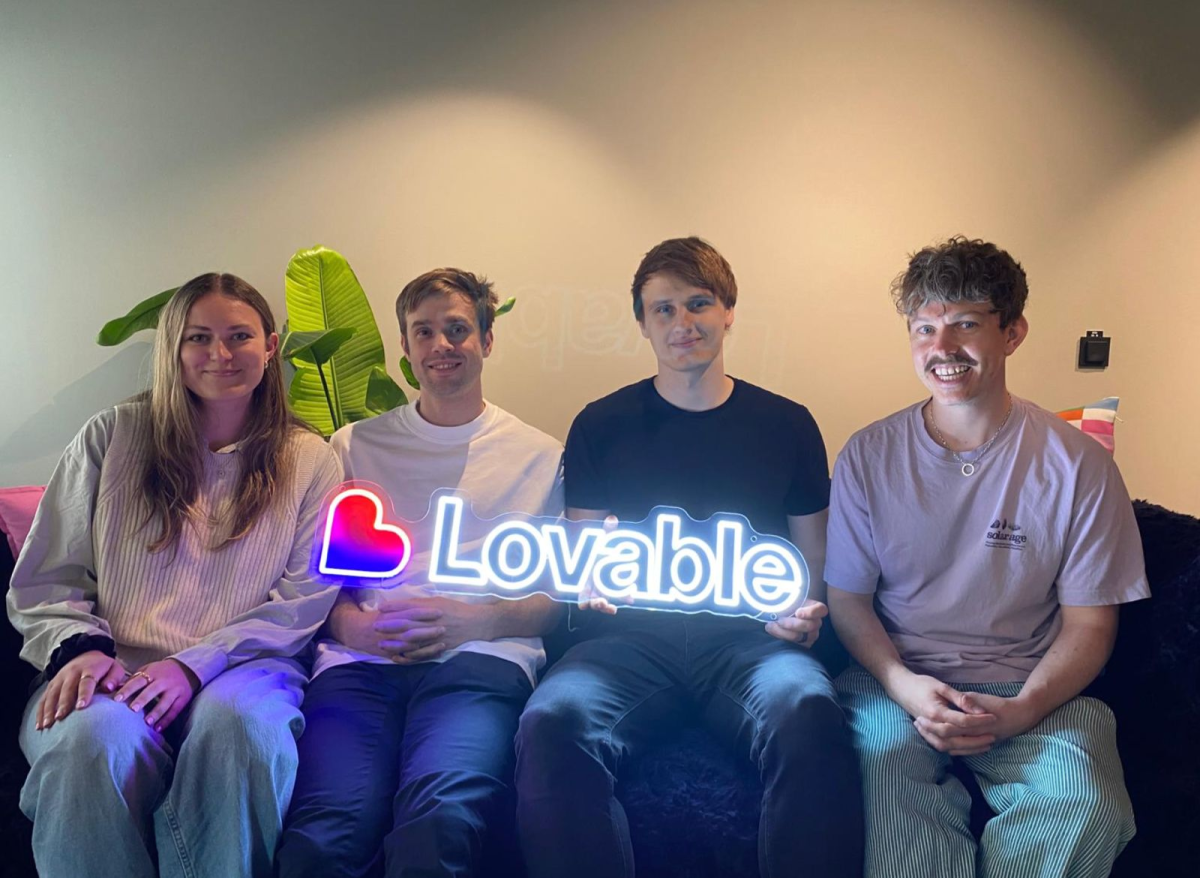
The software development world just witnessed something unprecedented. A European startup called Lovable reached $20 million in annual recurring revenue in just two months, making it potentially the fastest-growing startup in European history. But here's the twist that's making traditional software agencies nervous: they did it by giving non-technical founders the power to build full-stack applications without writing a single line of code. For years, the promise of no-code tools has been the same: anyone can build an app. But the reality has always been different. You'd create a beautiful frontend, get excited about your progress, and then hit the technical cliff. Suddenly you needed to configure databases, set up authentication, manage API keys, and deploy to servers. The "no-code" dream became a "hire-a-developer-anyway" nightmare.
The BL (Boys' Love) genre has exploded in popularity over recent years, and isekai stories have dominated manhwa and manga for nearly a decade. Combining these elements seems like an obvious move, yet surprisingly few series have attempted it seriously. Shall I Write You A Love Letter, created by Nickup and Yutae and released on Lehzin in December 2025, takes the familiar otome isekai formula and transforms it into a compelling BL narrative that subverts expectations at every turn. Otome isekai typically features female protagonists transported into romance game worlds where they must navigate relationships with attractive male love interests. The formula has been refined through countless iterations to the point where readers can predict story beats from the first chapter. What makes Shall I Write You A Love Letter noteworthy is how it takes that established framework and examines it through a completely different lens, creating something that feels both familiar and refreshingly new.

Having Otter auto-join every calendar event including informal chats with my skip-level manager felt like overkill fast. Learned to be selective about which meetings get the bot.
Can someone explain whether the custom avatar you build from your own footage is actually secure? Like who owns that data and what stops HeyGen from using your likeness in other ways? Genuine question not trying to be paranoid.
Honestly the story I keep waiting for is what the actual model quality difference looks like at the frontier right now. Revenue and drama are interesting but which model is actually smarter for complex reasoning tasks in April 2026 and by how much?
Whatever you think about the personal drama, the actual strategic question being answered in real time is whether safety as a brand attribute translates into durable commercial advantage. Anthropic is providing strong evidence that it does.
The artificial intelligence industry is entering a new phase of competition, one that extends far beyond the development of advanced language models and neural networks. Companies are now engaged in an intense struggle to secure the computational infrastructure necessary to train and deploy their AI systems. In this context, Anthropic has reportedly begun exploring the possibility of designing and manufacturing its own specialized processors to power Claude, its flagship conversational AI platform, along with its broader suite of artificial intelligence technologies. This strategic consideration emerges at a critical moment in the global AI sector. The exponential growth in model complexity and capability has created unprecedented demand for high-performance computing resources. Sources familiar with the matter indicate that Anthropic is conducting feasibility studies to determine whether developing proprietary semiconductor technology could reduce its dependence on external hardware vendors while ensuring reliable access to the computing power required for its operations.