Honest question, is this Michael Jackson biopic appropriate for kids or does the Joseph Jackson abuse stuff make it too intense?
0
Sign up to see more
SignupAlready a member?
LoginBy continuing, you agree to Sociomix's Terms of Service, Privacy Policy

Honest question, is this Michael Jackson biopic appropriate for kids or does the Joseph Jackson abuse stuff make it too intense?
The whole debate about whether you can separate the art from the artist gets weirdly sidestepped by a film that just pretends the difficult part of the question never arose. That is not a resolution, it is an avoidance.
The regression subgenre has exploded in popularity over the past few years, becoming one of the most beloved narrative frameworks in Korean manhwa. The core premise is deceptively simple: a protagonist dies or fails catastrophically, then returns to an earlier point in time with their memories intact. Armed with future knowledge, they get a second chance to change their fate, save loved ones, gain power, or pursue revenge against those who wronged them. What makes regression stories so compelling is the combination of dramatic irony, strategic satisfaction, and emotional depth they provide. Readers know what the protagonist knows, creating tension when other characters make mistakes we can see coming. We feel smart alongside protagonists who use foreknowledge to outmaneuver enemies. And we experience the emotional weight of carrying memories of futures that haven't happened yet, of people who died who are currently alive, of betrayals that haven't occurred.

As a newer reader who started with the anime, this guide is exactly what I needed. Reading the original manhwa now before touching Ragnarok.
The article is overselling it a bit. The middle chapters do drag in places and some of the construction arc explanations go on longer than they need to.
Tower climbing stories have become a dominant force in manhwa, but most follow predictable patterns. A protagonist enters a mysterious tower, gains powers, forms a party, and ascends floors while growing stronger. The formula works because progression feels satisfying and each floor presents new challenges. However, Doom Breaker takes this familiar framework and transforms it into something far more emotionally devastating and psychologically complex than typical tower stories. Also known as SSS-Class Suicide Hunter, Doom Breaker initially appears to be another power fantasy where the protagonist gains an overpowered ability. The premise sounds almost comedic. Kim Gongja can copy any skill by dying, then returns to life to use that ability. But beneath this seemingly absurd power lies a story about pain, sacrifice, redemption, and what it truly means to be a hero when heroism demands everything from you.

Started manhwa because the Solo Leveling anime made me impatient waiting for season 3 and now I have twelve series on my reading list. This genre is a trap in the best possible way.
That distinction between social position and narrative position is the kind of thing this series seems built to explore. Elliot can move differently than a female protagonist but the story is still organized around his death. Freedom of movement within a predetermined ending.
When Tomb Raider King first exploded onto the manhwa scene, it brought a fresh take on dungeon crawling stories by combining archaeological adventure with ruthless protagonist energy and a treasure-hunting premise that felt genuinely different from typical gate and dungeon narratives. The series built a dedicated fanbase through its satisfying blend of historical artifact powers, strategic relic acquisition, and a protagonist who wasn't afraid to be morally gray in pursuit of his goals. Now, with the anime adaptation confirmed for 2026 as one of the most anticipated manhwa-to-anime projects, Tomb Raider King is experiencing a resurgence. New readers are discovering the series while longtime fans eagerly await seeing Jooheon Suh's relic-hunting adventures brought to life with animation. The timing couldn't be better, as the series has built enough content to support a substantial adaptation while maintaining momentum in its ongoing storyline.

What is the realistic ceiling here? HeyGen had roughly 85,000 customers as of mid-2025. The total addressable market for affordable video creation is probably in the tens of millions. The ceiling is very far away.
True Beauty Season 2 coming to Crunchyroll is the sleeper hit on this entire list for people who dismiss romance anime. Season 1 had genuine emotional moments between the comedy.
The convergence of all these capabilities into one platform is what the article is really describing. Video generation, camera control, voice, lip sync, and collaboration in one subscription is a fundamentally different value proposition than standalone clip generators.
Genuinely question whether non-technical users should be the audience for any of these tools right now. The article mentions Windsurf being for professionals and I think that is honestly the right call at this stage.
As someone who works in venture-backed startups, the product validation workflow described here is exactly what we do now. Founders are expected to show traction before raising, and Bolt compresses the time to traction dramatically.
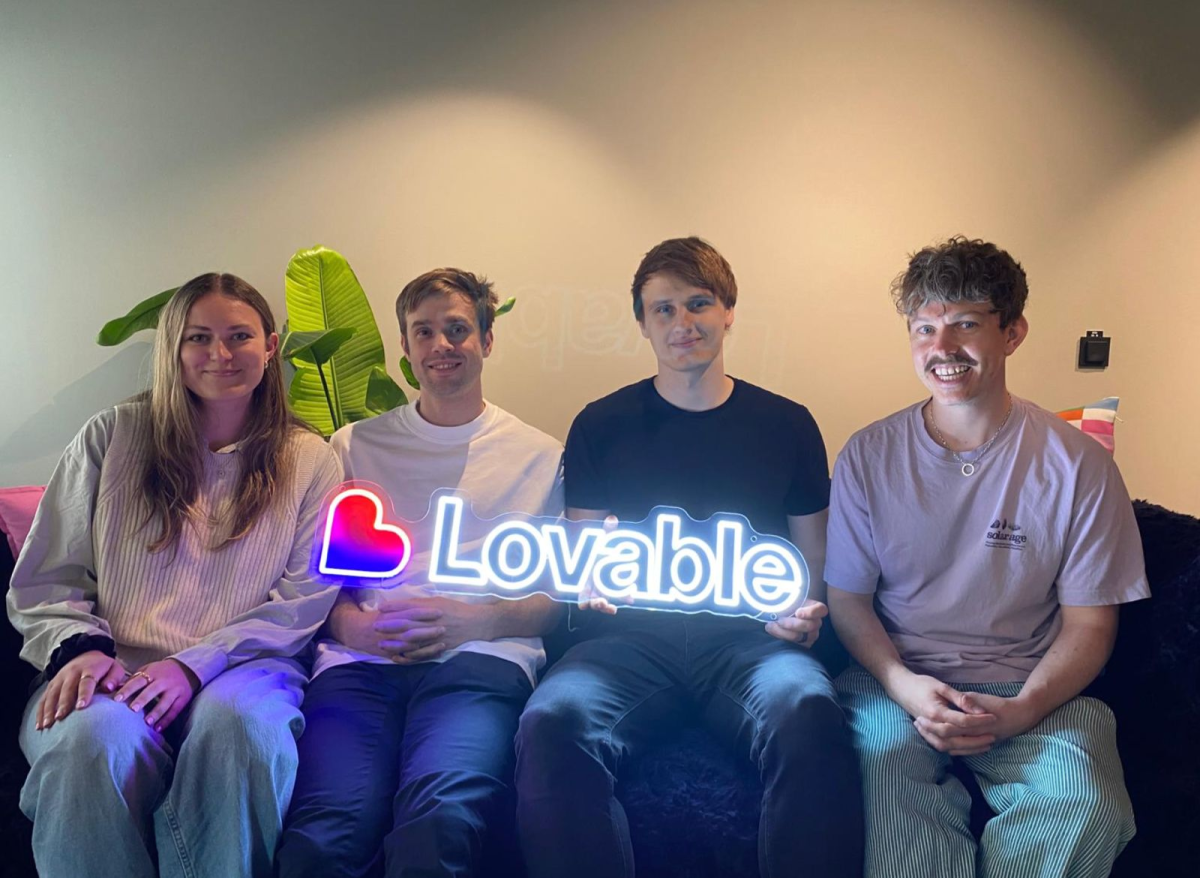
The software development world just witnessed something unprecedented. A European startup called Lovable reached $20 million in annual recurring revenue in just two months, making it potentially the fastest-growing startup in European history. But here's the twist that's making traditional software agencies nervous: they did it by giving non-technical founders the power to build full-stack applications without writing a single line of code. For years, the promise of no-code tools has been the same: anyone can build an app. But the reality has always been different. You'd create a beautiful frontend, get excited about your progress, and then hit the technical cliff. Suddenly you needed to configure databases, set up authentication, manage API keys, and deploy to servers. The "no-code" dream became a "hire-a-developer-anyway" nightmare.
Fourteen words in one sentence, no encryption plus China ties plus data breach risk plus government access risk equals use Signal.
My neighbor who works at a pension fund told me last month they were finally allowed to have a small allocation to Bitcoin ETFs. That kind of quiet institutional creep is happening everywhere and most retail traders are not pricing it in.
The detail about the model not being made generally available for the first time ever is the real headline. Anthropic has always leaned toward openness. Pulling back signals that even they were scared of what they built.