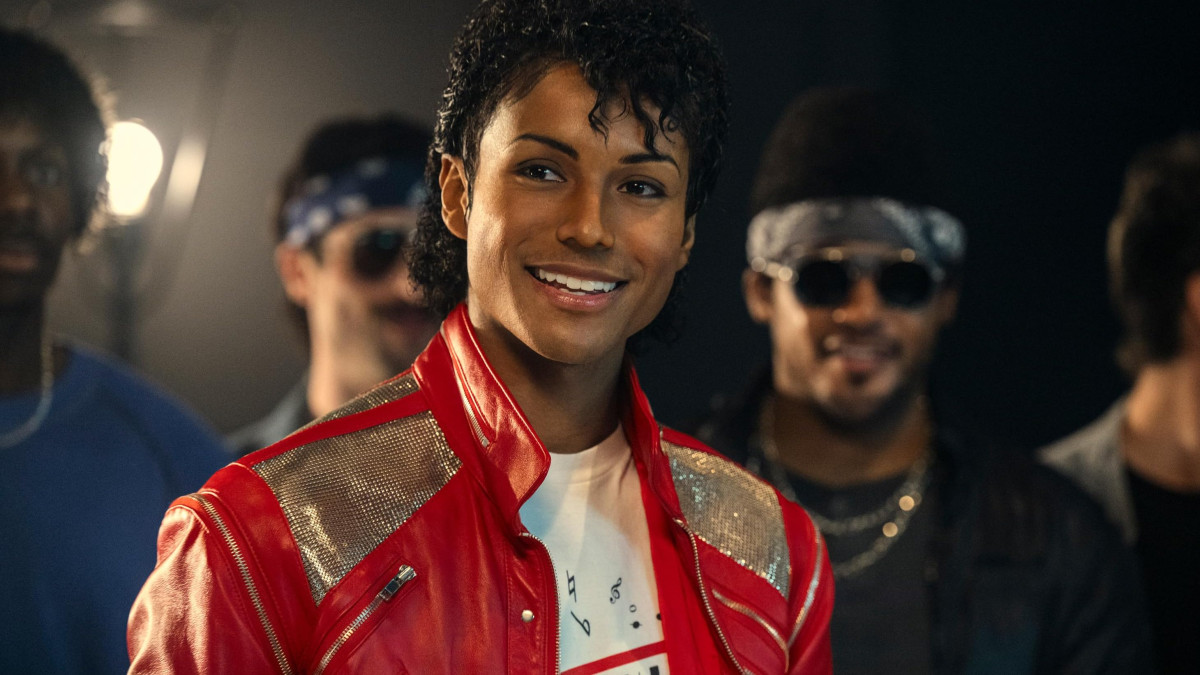
I keep coming back to the Motown 25 moonwalk scene. If they get that single sequence right, and by all accounts they do, that is a moment that can carry an entire theater for days. Some film moments are bigger than the movie they live in.
Sign up to see more
SignupAlready a member?
LoginBy continuing, you agree to Sociomix's Terms of Service, Privacy Policy
Sign up to see more
SignupAlready a member?
LoginBy continuing, you agree to Sociomix's Terms of Service, Privacy Policy

I keep coming back to the Motown 25 moonwalk scene. If they get that single sequence right, and by all accounts they do, that is a moment that can carry an entire theater for days. Some film moments are bigger than the movie they live in.
The Michael movie review verdict is in, and it is more complicated than the 26% Rotten Tomatoes score suggests. Antoine Fuqua's long-delayed Michael Jackson biopic, simply titled Michael, hit theaters this weekend with Jaafar Jackson playing his late uncle, and the critical response has been brutal. The BBC gave it one star. Roger Ebert's site called it a filmed playlist in search of a story. Yet early audience reactions on social media have been warmer, ticket pre-sales suggest an $80 million opening, and Variety thought it worked as an engrossing middle-of-the-road biopic. After tracking coverage across more than a dozen outlets over the past 48 hours, I think the honest answer to "should you watch this?" depends almost entirely on what you want from a music biopic, and this guide breaks down exactly what the film delivers, what it skips, and who will actually enjoy sitting through its two-hour-and-nine-minute runtime.
The fact that supporting characters know the messenger will outlive them and choose connection anyway is the emotional core of this series and everything else radiates out from that.
Reading the guide made me realize I've been sleeping on Esil as a character. She gets introduced early and her dynamic with Suho adds a lot to the team element the article mentions.
In a medium filled with talented artists producing stunning work, making a claim about any series having the "best" art feels bold. Yet Nano Machine consistently delivers combat sequences so fluid, detailed, and visually innovative that even readers who don't typically care about martial arts stories find themselves captivated by the sheer spectacle on display. The series combines traditional murim aesthetics with futuristic sci-fi elements, creating a unique visual identity that stands apart from typical cultivation manhwa. The nano machine implanted in protagonist Cheon Yeo-Woon's body doesn't just give him power. It becomes a storytelling device that allows the artist to visualize techniques, energy flows, and combat analysis in ways other series can't replicate.
Civil engineering student here. The series is not perfectly accurate on technical details but it gets the mindset right. The satisfaction of solving a structural problem is captured really well.
While Synthesia leads in revenue, HeyGen leads in customer acquisition momentum with 152% year-over-year growth in mid-market adoption. That explosive growth rate allowed HeyGen to close much of the customer count gap by late 2025. The company is winning by making avatar video accessible to smaller teams and individual creators who cannot afford enterprise contracts but need professional video capabilities. HeyGen positioned itself for small and medium businesses, marketing teams, content creators, and solo entrepreneurs rather than enterprise learning and development departments. This market segment values affordability, ease of use, and creative flexibility over governance features and advanced integrations. Average contract values are roughly one-third of Synthesia's, reflecting this different customer profile.
People keep framing this as no-code vs developers as if those are the only two options. The real story is that the feedback loop between idea and working product just compressed from months to hours.
Text-based video editing is now mainstream enough that Premiere Pro added its own version of it. That is the market signal that this approach won the argument about whether it belongs in serious production workflows.
OpenAI's enterprise revenue is now 40% of total and growing toward parity with consumer by end of 2026, while Anthropic is already at 80% enterprise. OpenAI is essentially trying to become more like Anthropic in revenue mix while Anthropic tries to become more like OpenAI in scale. They're converging.
Anyone else find it kind of wild that a PM can now create a branch, open a PR against main, and ship production code without writing a single line themselves? That would have sounded like science fiction to me three years ago.
Genuinely curious, does anyone know if Anthropic's safety focus actually influences which enterprise customers choose them, or is it mostly just Claude Code being better at coding tasks? Because those are very different stories about why they're winning.
Honestly the article's best point is the correlation with Asian equity markets. That structural link is underappreciated and it means global risk appetite is the real driver, not just crypto-specific narratives.
The Strait of Hormuz handles a fifth of global oil supply and if that chokepoint starts moving toward Bitcoin settlement, every nation that imports oil has a new reason to hold BTC. That's not a small observation.
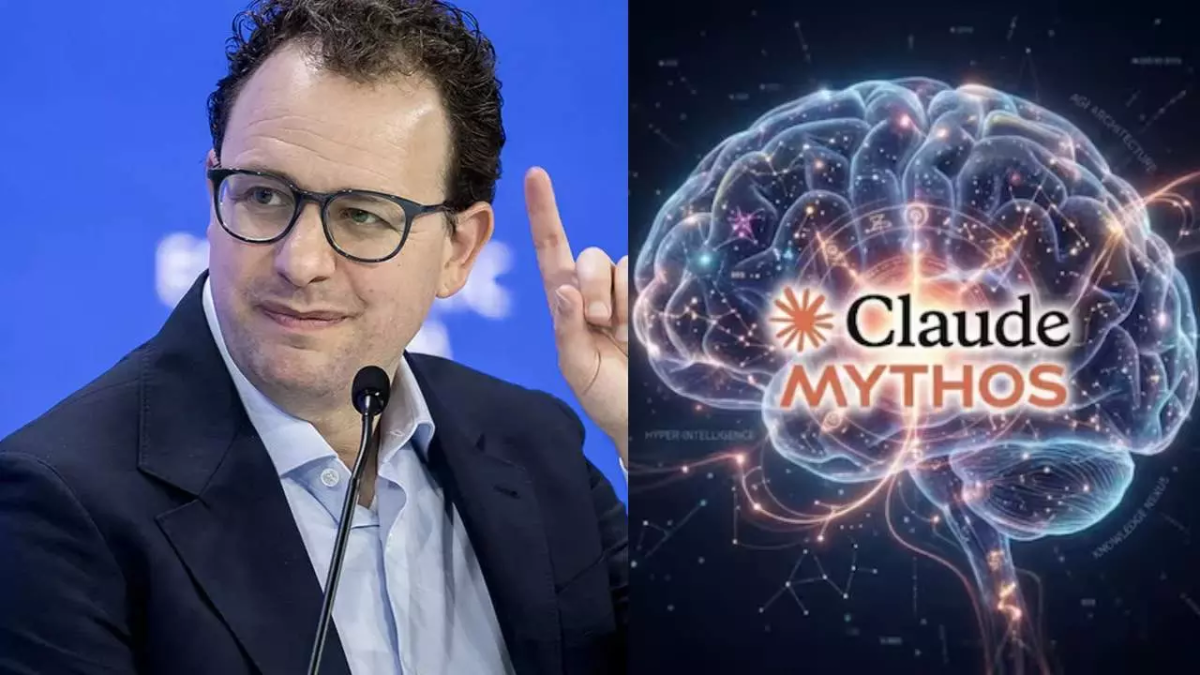
Anthropic on Tuesday unveiled an advanced artificial intelligence model designed specifically to identify software vulnerabilities, marking a significant development in the intersection of AI and cybersecurity. The model, named Claude Mythos Preview, will be available exclusively to a carefully selected group of companies as part of Project Glasswing, a new security initiative that aims to strengthen digital defenses while preventing malicious exploitation. The San Francisco based AI company has chosen to severely restrict access to Claude Mythos Preview due to its powerful capability to detect security weaknesses and software flaws. This decision reflects growing concerns about dual use AI technologies that could be weaponized by adversaries if they fell into the wrong hands.
One underappreciated angle: the fact that Codex CLI is open source with 67,000 GitHub stars gives it a community momentum that the subscription tier numbers do not capture. Developers contribute to it, customize it, and build on top of it. That matters.
Social media managers just added a new line item to their workflows forever. Post comment, immediately reread for 15 minutes, fix anything, then move on. That is actually a healthier habit anyway.
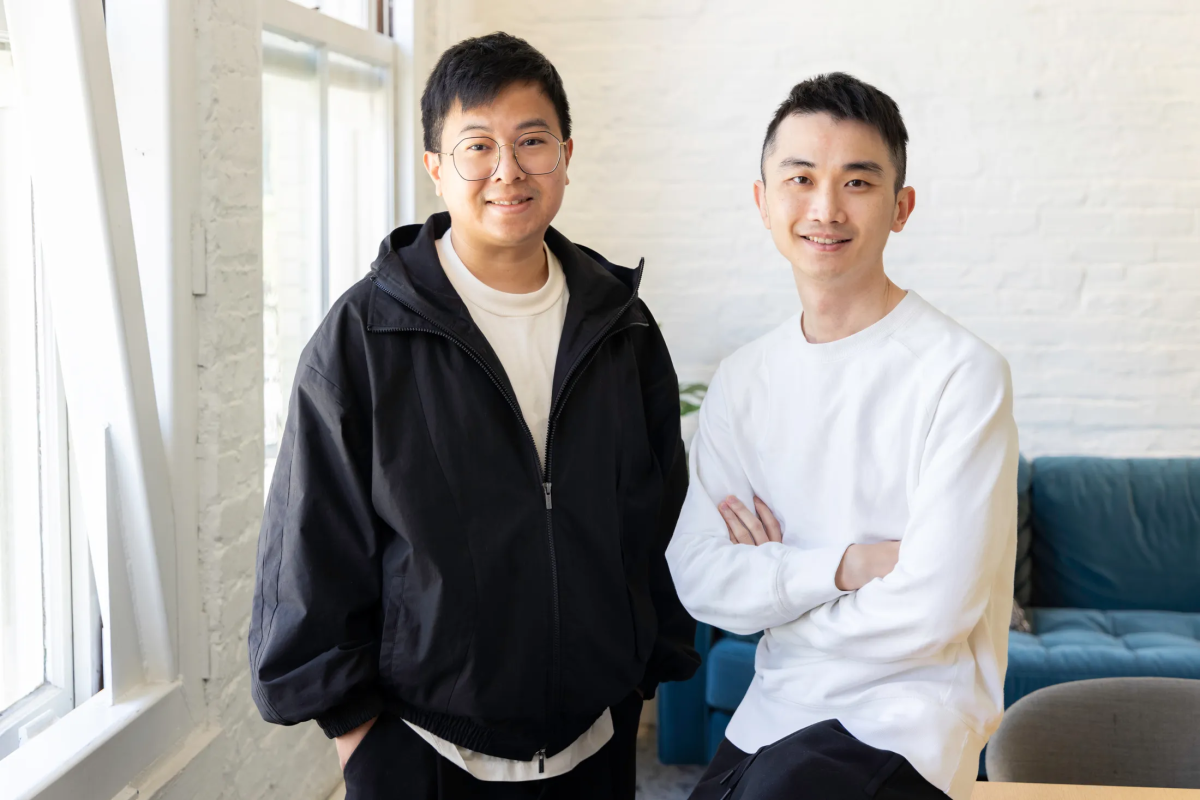
Meta has just had one of its most important AI moments yet and the early signals are hard to ignore. Following the launch of its newest AI model Muse Spark, the company’s standalone Meta AI app surged dramatically in popularity, hinting at a much larger shift that is beginning to take shape. The release is particularly significant because it marks the first major AI model rollout under Alexandr Wang, who joined Meta to reboot its AI strategy. This is not just another incremental update. It represents a more aggressive and focused push into the AI race. According to data from Appfigures, Meta AI jumped from number 57 to number 5 on the U.S. App Store within a day of the launch. That kind of movement rarely happens without a strong underlying pull from users. It signals not curiosity but intent.
Those ballet flats are giving me life but I might swap them for white sneakers for a more casual look
Join independent creators, thought leaders, and storytellers to share your unique perspectives, and spark meaningful conversations.