Last year I went to the Michael Jackson ONE show in Vegas and left thinking nothing could ever replicate what he actually was as a performer. Based on what people are saying about Jaafar, I may have spoken too soon.
0
Sign up to see more
SignupAlready a member?
LoginBy continuing, you agree to Sociomix's Terms of Service, Privacy Policy

Last year I went to the Michael Jackson ONE show in Vegas and left thinking nothing could ever replicate what he actually was as a performer. Based on what people are saying about Jaafar, I may have spoken too soon.
There is always a bonus layer when you come in with context. But Kim is careful never to make that context required.
Cooling engineers getting 67 percent demand growth since 2022. Let that number sink in.
ORV being compared to Solo Leveling undersells it. It's more accurate to say ORV does what Solo Leveling does and then asks harder questions about why we wanted to watch someone do it.
Everything the article says about the demons being a civilization with strategic logic is accurate and it makes the series more unsettling than most action manhwa. A thinking enemy that adapts is infinitely scarier than monsters.
Jung Heewon does not get nearly enough attention in most discussions of this series. Her arc from terrified office worker to someone who actively challenges Dokja when she thinks he is wrong is one of the most satisfying in the whole story.
The Regressor character is doing more interesting narrative work than most time-loop protagonists in the entire genre. The difference between reliving events and holding knowledge about events that have not happened yet is a distinction the series explores carefully.
What the article describes as Gongja's heroism being ugly and painful and often unrecognized is the thing that separates it from basically every other manhwa I have ever read. Most stories want you to applaud the hero. This one makes you quietly ache for him.
Does the novel go further into Gongja's psychological state after hundreds of deaths, or does the manhwa cover that sufficiently? Curious whether the source material is worth seeking out separately.
Is SSS-Class Revival Hunter ever going to get an anime adaptation or are we just going to keep getting mediocre isekai trash instead? Asking for everyone.
The physical sensation of death being real and not abstracted away is such a specific creative choice. Most power fantasy stories give you the upgrade without the cost. Making the cost visceral and ongoing changes the entire emotional contract with the reader.
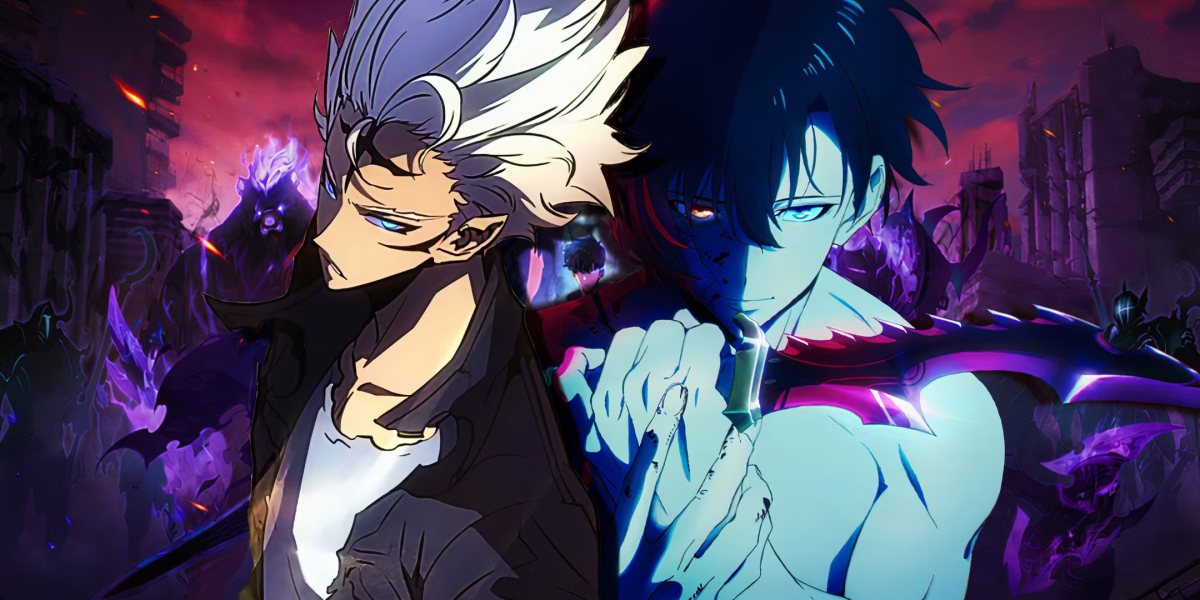
The manhwa world exploded when Solo Leveling first introduced us to Sung Jinwoo's journey from the weakest hunter to humanity's strongest defender. Now, Solo Leveling Ragnarok brings a fresh perspective to this beloved universe, and fans everywhere are asking the same questions. Can the sequel live up to the original? Do you need to read Solo Leveling first? What makes this continuation worth your time? This guide covers everything you need to know about Solo Leveling Ragnarok, whether you're a longtime fan or someone curious about jumping into the series Solo Leveling Ragnarok is not a reboot or alternate timeline. This is a direct sequel that continues the story years after the original series concluded. The protagonist shifts from Sung Jinwoo to his son, Sung Suho, who must forge his own path in a world still recovering from the catastrophic events his father prevented.
The security question for enterprise users is not being asked loudly enough. What data is leaving your machine during a session? Where is code stored? Who can access your project? These are not trivial questions for anyone building anything sensitive.
While Synthesia leads in revenue, HeyGen leads in customer acquisition momentum with 152% year-over-year growth in mid-market adoption. That explosive growth rate allowed HeyGen to close much of the customer count gap by late 2025. The company is winning by making avatar video accessible to smaller teams and individual creators who cannot afford enterprise contracts but need professional video capabilities. HeyGen positioned itself for small and medium businesses, marketing teams, content creators, and solo entrepreneurs rather than enterprise learning and development departments. This market segment values affordability, ease of use, and creative flexibility over governance features and advanced integrations. Average contract values are roughly one-third of Synthesia's, reflecting this different customer profile.
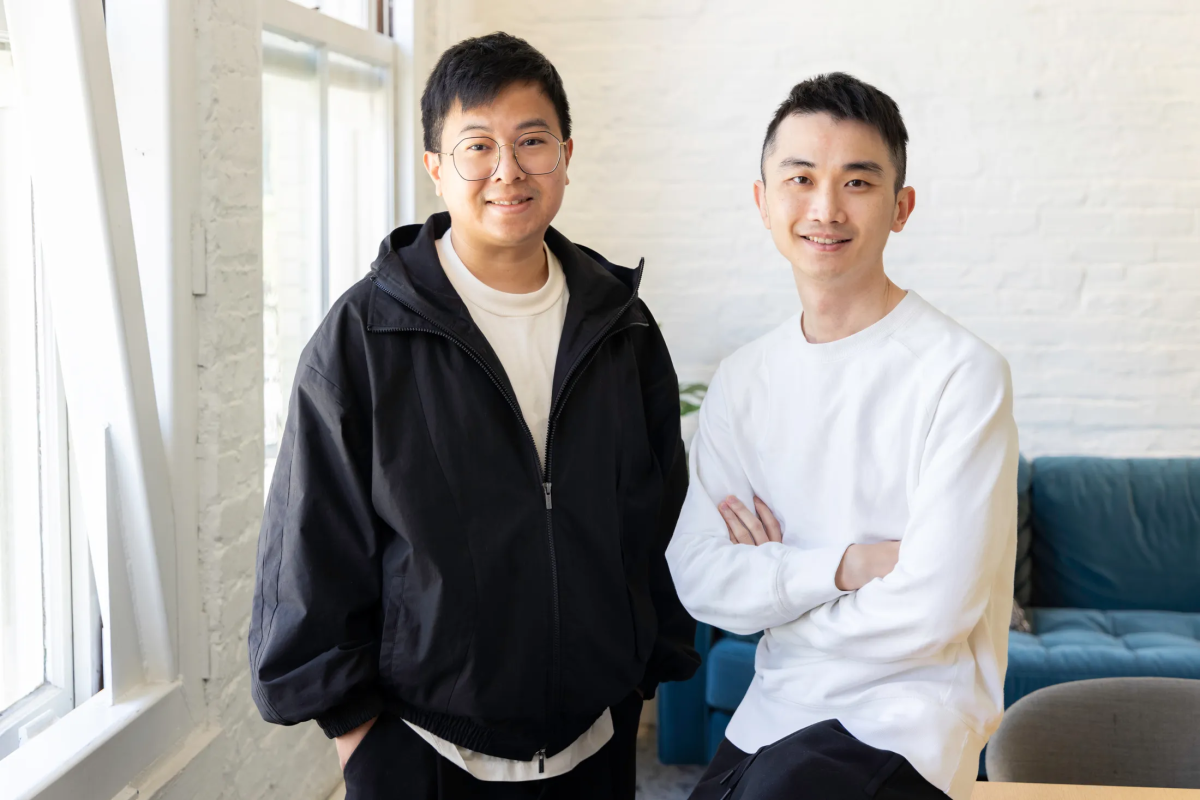
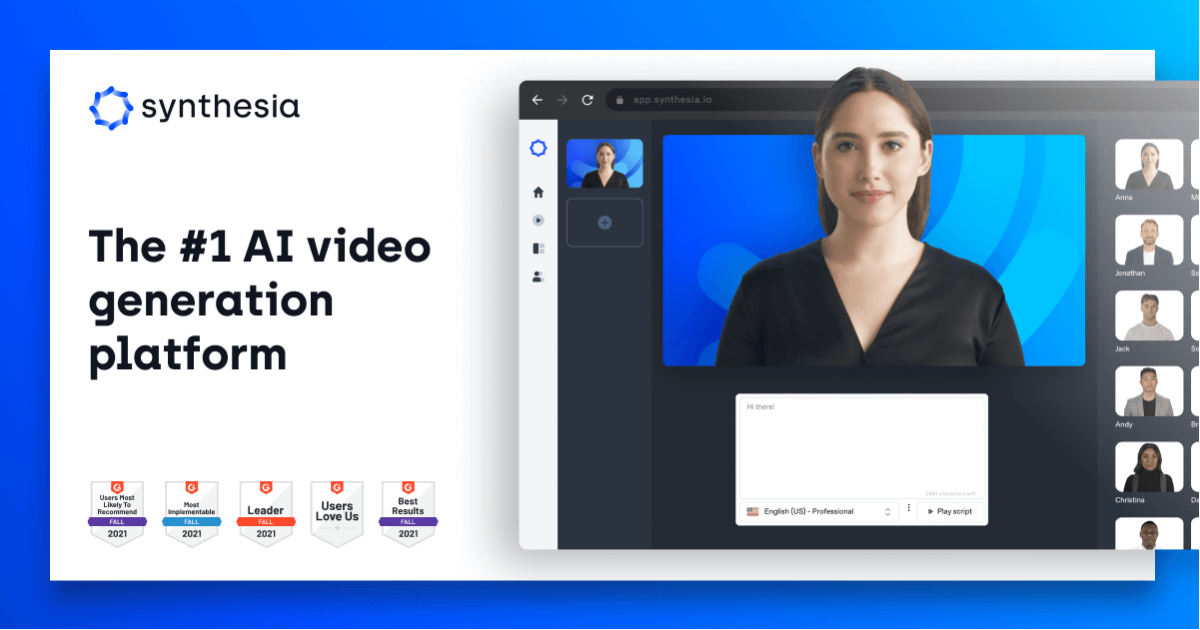
When a company raises $200 million in Series E funding during January 2026, investors are betting on more than potential. They're backing proven market demand and sustainable growth. Synthesia's funding round came alongside a 44% year-over-year increase in headcount to 706 employees, signaling aggressive expansion in a category the company essentially created: AI avatar-based video generation for enterprise training and communications. Corporate training videos have been expensive and slow to produce for decades. Recording a single 10-minute training module traditionally required booking a studio, hiring a presenter, scheduling a videographer, managing multiple takes, and editing everything together. If you needed to update information or translate content, you essentially started over. Synthesia eliminated this entire production workflow by replacing human presenters with AI avatars.
That is such a good point. The delete and repost option also messes up thread position and any replies attached to your comment. Edit in place is so much cleaner for everyone involved.
Does anyone know if Anthropic has actually started hiring chip architects yet? Because there is a massive gap between exploring feasibility and actually assembling a competitive semiconductor team.
Anthropic's revenue going from $9 billion to $30 billion run rate in just a few months is a staggering number. That kind of growth trajectory is exactly what makes the economics of custom silicon start to pencil out.
The artificial intelligence industry is entering a new phase of competition, one that extends far beyond the development of advanced language models and neural networks. Companies are now engaged in an intense struggle to secure the computational infrastructure necessary to train and deploy their AI systems. In this context, Anthropic has reportedly begun exploring the possibility of designing and manufacturing its own specialized processors to power Claude, its flagship conversational AI platform, along with its broader suite of artificial intelligence technologies. This strategic consideration emerges at a critical moment in the global AI sector. The exponential growth in model complexity and capability has created unprecedented demand for high-performance computing resources. Sources familiar with the matter indicate that Anthropic is conducting feasibility studies to determine whether developing proprietary semiconductor technology could reduce its dependence on external hardware vendors while ensuring reliable access to the computing power required for its operations.

Meta has just had one of its most important AI moments yet and the early signals are hard to ignore. Following the launch of its newest AI model Muse Spark, the company’s standalone Meta AI app surged dramatically in popularity, hinting at a much larger shift that is beginning to take shape. The release is particularly significant because it marks the first major AI model rollout under Alexandr Wang, who joined Meta to reboot its AI strategy. This is not just another incremental update. It represents a more aggressive and focused push into the AI race. According to data from Appfigures, Meta AI jumped from number 57 to number 5 on the U.S. App Store within a day of the launch. That kind of movement rarely happens without a strong underlying pull from users. It signals not curiosity but intent.