
The irony of the AI hype cycle is that building the infrastructure to run AI is creating a massive demand for very human, very physical, very analog skills. Electricians and pipefitters are direct beneficiaries of the AI boom.
Sign up to see more
SignupAlready a member?
LoginBy continuing, you agree to Sociomix's Terms of Service, Privacy Policy

The irony of the AI hype cycle is that building the infrastructure to run AI is creating a massive demand for very human, very physical, very analog skills. Electricians and pipefitters are direct beneficiaries of the AI boom.
As a newer reader who started with the anime, this guide is exactly what I needed. Reading the original manhwa now before touching Ragnarok.
Unpopular opinion but the story itself is pretty formulaic and the art is doing heavy lifting that the writing sometimes does not deserve.
Journalists and researchers using this for interviews should really think hard about where that audio goes and whether it gets used to train models. Source confidentiality is not abstract, it is a professional obligation.
The ROI measurement problem the article mentions at the end is genuinely the Achilles heel of enterprise training investment broadly, not just for AI video. Proving learning transfer is hard. Most L&D teams live and die by completion rate data instead.
The real story here is not that Bolt replaced development teams. It is that it created a new class of builders who were never going to hire development teams in the first place. The total addressable market for software creation just expanded dramatically.
In a medium filled with talented artists producing stunning work, making a claim about any series having the "best" art feels bold. Yet Nano Machine consistently delivers combat sequences so fluid, detailed, and visually innovative that even readers who don't typically care about martial arts stories find themselves captivated by the sheer spectacle on display. The series combines traditional murim aesthetics with futuristic sci-fi elements, creating a unique visual identity that stands apart from typical cultivation manhwa. The nano machine implanted in protagonist Cheon Yeo-Woon's body doesn't just give him power. It becomes a storytelling device that allows the artist to visualize techniques, energy flows, and combat analysis in ways other series can't replicate.
There's a photograph from February 2026 that pretty much sums up the state of AI right now. At the India AI Impact Summit in New Delhi, Indian Prime Minister Narendra Modi invited the world's tech leaders onstage for a group photo. Everyone held hands. Well, almost everyone. Sam Altman of OpenAI and Dario Amodei of Anthropic, standing right next to each other, refused to clasp hands and instead raised their fists separately. The internet, predictably, lost its mind. An awkward moment between OpenAI CEO Sam Altman and Anthropic CEO Dario Amodei at an AI Summit captured the increasingly icy relations between two rival tech leaders who started off as colleagues. That's not just petty drama. It's a window into what may be the most consequential corporate rivalry in the technology world right now, one that's playing out in boardrooms, courtrooms, Super Bowl ads, and billion-dollar compute deals all at once.
OpenAI's enterprise revenue is now 40% of total and growing toward parity with consumer by end of 2026, while Anthropic is already at 80% enterprise. OpenAI is essentially trying to become more like Anthropic in revenue mix while Anthropic tries to become more like OpenAI in scale. They're converging.
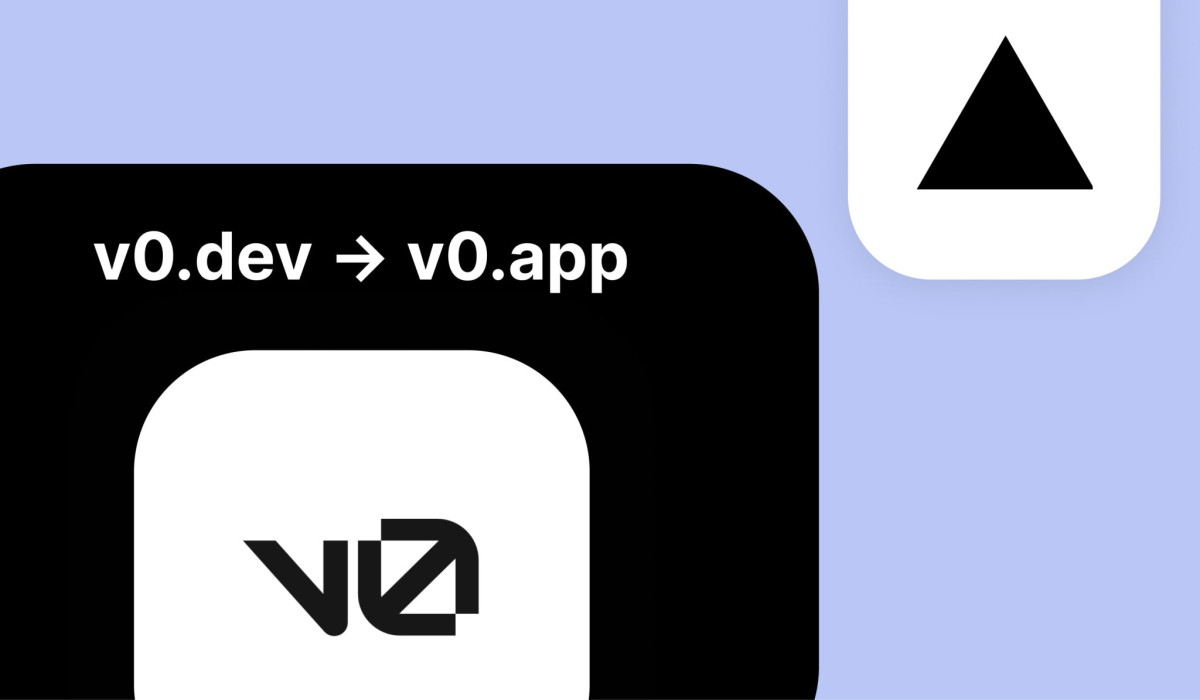
The designer-developer relationship has been tense for decades. Designers create pixel-perfect mockups in Figma. Developers translate them to code and somehow everything looks slightly wrong. Fonts don't match. Spacing is inconsistent. Buttons have different corner radiuses. Both sides get frustrated, blame each other, and the product suffers. V0 by Vercel is fixing this problem by generating production-quality React components that look exactly like the designs. The rebrand from v0.dev to v0.app in January 2026 signaled expanded ambitions beyond just UI component generation. Vercel positioned the tool for full-stack web development, though its core strength remains frontend excellence. That strategic clarity matters because trying to be everything often means excelling at nothing. V0 chose to dominate the handoff between design and code before expanding into other areas.
Been using Claude Code for about five months now and honestly the context awareness across multi-file projects is in a different league. The fact that OpenAI felt pressure to release this tells you everything about where developer sentiment has shifted.
The article buries the real story. Anthropic went from basically nothing to $14 billion annualized revenue in under three years. That is not normal growth. That is a category-defining run.
This framing of OpenAI versus Anthropic misses that a huge chunk of serious developers use both. The 79 percent overlap in paying customers across platforms is not a secret. This is an and market, not an or market.
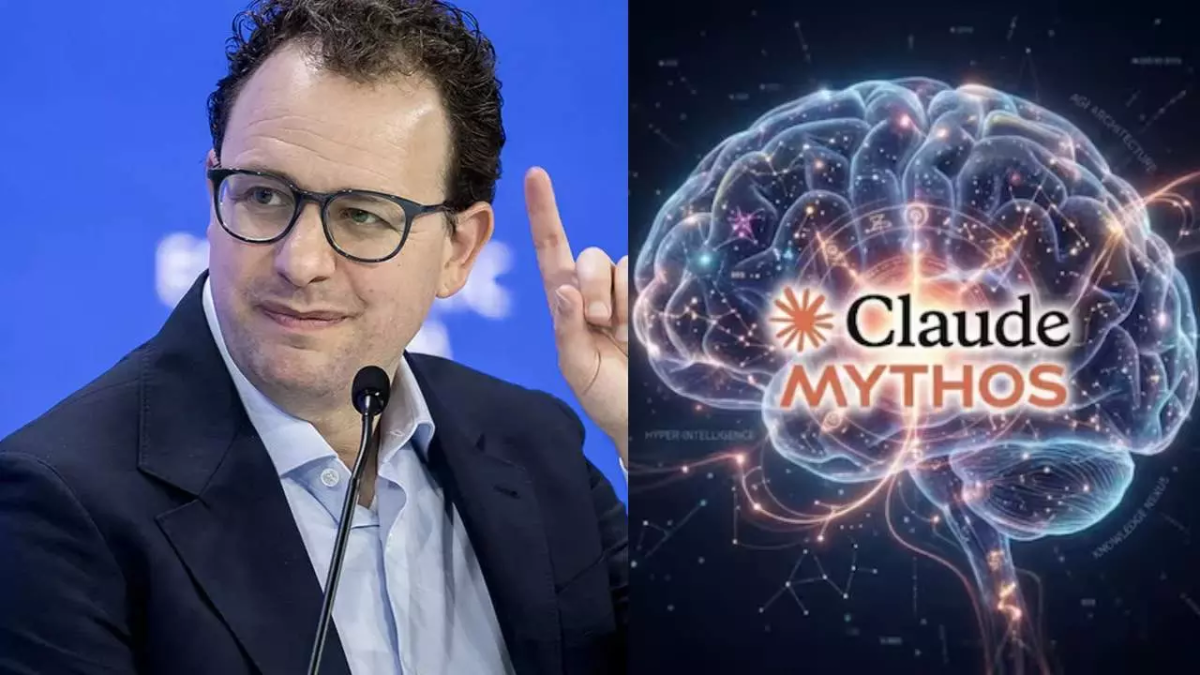
Anthropic on Tuesday unveiled an advanced artificial intelligence model designed specifically to identify software vulnerabilities, marking a significant development in the intersection of AI and cybersecurity. The model, named Claude Mythos Preview, will be available exclusively to a carefully selected group of companies as part of Project Glasswing, a new security initiative that aims to strengthen digital defenses while preventing malicious exploitation. The San Francisco based AI company has chosen to severely restrict access to Claude Mythos Preview due to its powerful capability to detect security weaknesses and software flaws. This decision reflects growing concerns about dual use AI technologies that could be weaponized by adversaries if they fell into the wrong hands.
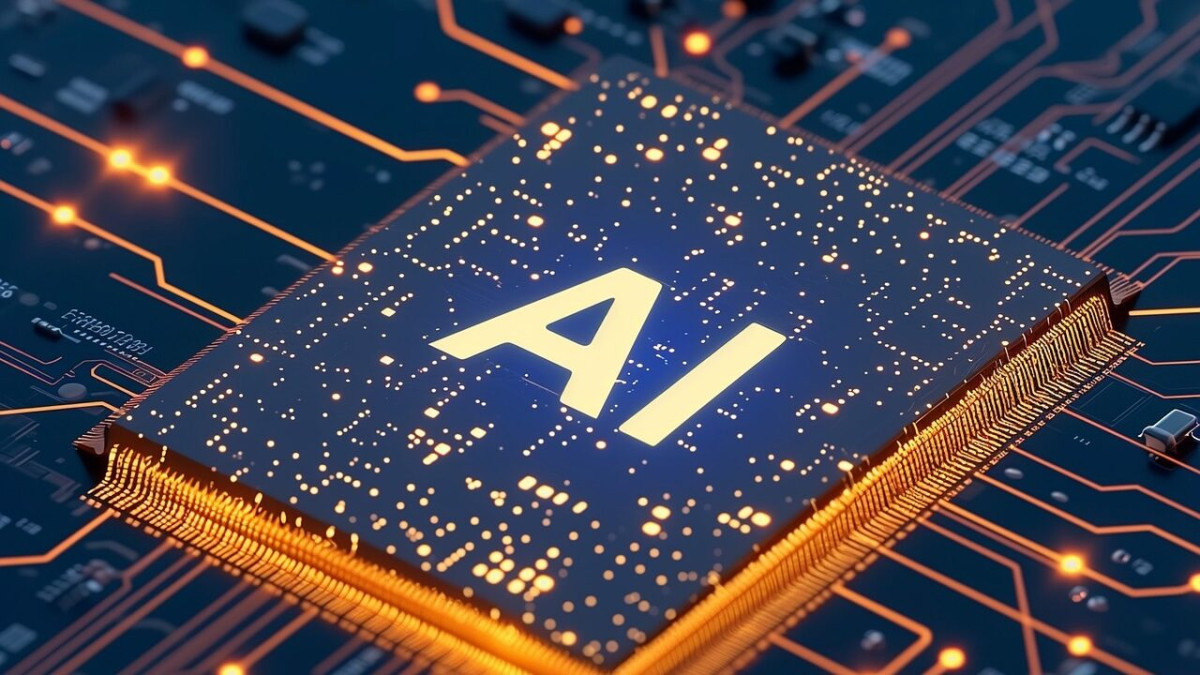
The artificial intelligence industry is entering a new phase of competition, one that extends far beyond the development of advanced language models and neural networks. Companies are now engaged in an intense struggle to secure the computational infrastructure necessary to train and deploy their AI systems. In this context, Anthropic has reportedly begun exploring the possibility of designing and manufacturing its own specialized processors to power Claude, its flagship conversational AI platform, along with its broader suite of artificial intelligence technologies. This strategic consideration emerges at a critical moment in the global AI sector. The exponential growth in model complexity and capability has created unprecedented demand for high-performance computing resources. Sources familiar with the matter indicate that Anthropic is conducting feasibility studies to determine whether developing proprietary semiconductor technology could reduce its dependence on external hardware vendors while ensuring reliable access to the computing power required for its operations.
For anyone considering this style, I got a similar dress and sized up for more length since these can run a bit short
My favorite part is how the burgundy shoes match the tank without being too matchy matchy. Such a sophisticated touch
I've got a similar skirt but never thought to style it this way! Definitely trying this with my black halter top this weekend