Underrated comment. There's a meaningful difference between cognitive optimization for output and cognitive health for a full life. They can overlap but they're not the same goal and conflating them produces weird incentive structures.
0
Sign up to see more
SignupAlready a member?
LoginBy continuing, you agree to Sociomix's Terms of Service, Privacy Policy

Underrated comment. There's a meaningful difference between cognitive optimization for output and cognitive health for a full life. They can overlap but they're not the same goal and conflating them produces weird incentive structures.
The term brain wealth feels a little too market friendly for my taste but I can't argue with the underlying framework. Proactive, compounding investment in cognitive health is just good strategy regardless of what you call it.
The irony of the AI hype cycle is that building the infrastructure to run AI is creating a massive demand for very human, very physical, very analog skills. Electricians and pipefitters are direct beneficiaries of the AI boom.
As someone who came to Solo Leveling through the anime and then caught up on everything else, Ragnarok feels like reading a bonus arc that you almost feel guilty for enjoying because you miss Jinwoo so much.
The holographic interface the nano machine uses during fights is genuinely one of the most clever visual storytelling devices in any action comic right now, not just manhwa.
The series also quietly does something fascinating with Coach K by showing how a person can simultaneously care about someone and still be using them. Those two things coexisting without resolution is more honest than most fiction allows.
If you're new to manhwa or looking to understand what all the hype is about regarding system and leveling stories, you've arrived at exactly the right place. The system genre has become one of the most popular and accessible entry points into Korean comics, offering clear progression mechanics, satisfying power growth, and narratives that feel like playing your favorite RPG or video game brought to life on the page. System manhwa feature protagonists who gain access to game-like interfaces that display stats, skills, quests, and levels. These systems provide clear frameworks for character growth and power progression. You can literally see the protagonist getting stronger through numbers increasing, new abilities unlocking, and challenges being overcome. This visual and concrete progression creates deeply satisfying reading experiences that hook readers from the first chapter.
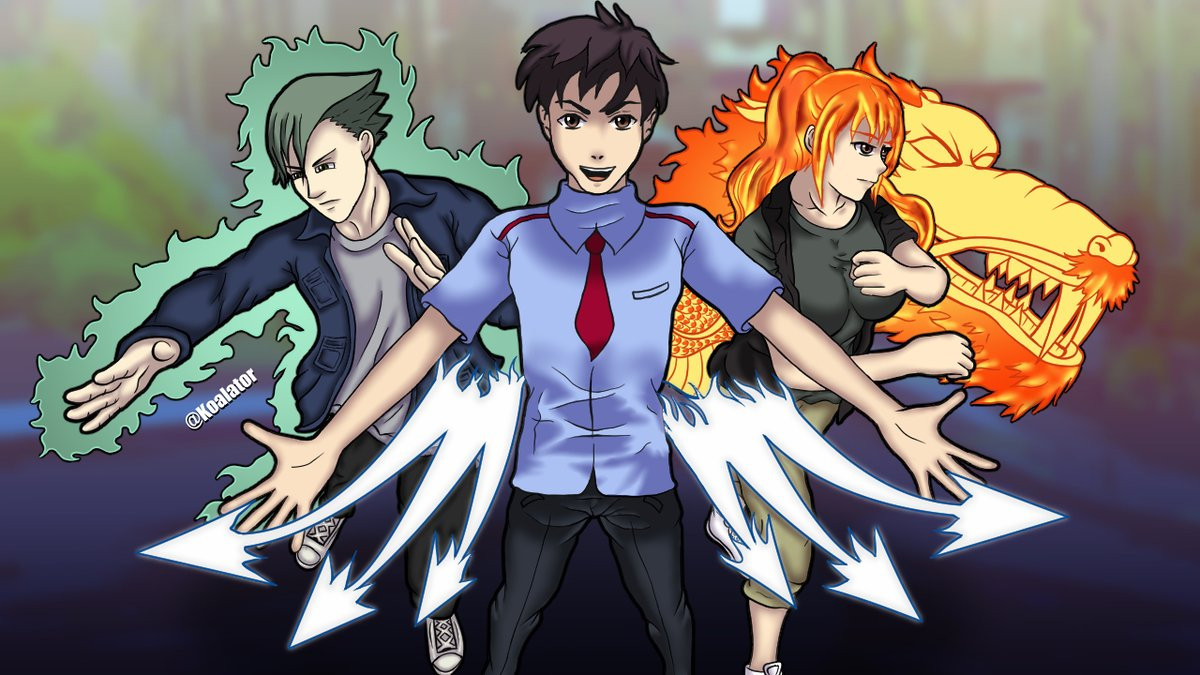
Unpopular opinion but Lee Gilyoung and Shin Yoosung are the emotional core of the entire series for me. Every choice Dokja makes feels more meaningful because protecting them is always somewhere in the calculation.
The meta-agent capability is interesting but also the part that concerns me most from a security standpoint. An agent that can spin up other agents with varying levels of access to your production systems needs very careful guardrails.
The token-based pricing replacing fixed credits makes costs even harder to predict. At least with a fixed credit count you knew when you were close to the limit. Now a single complex full-stack generation can drain your monthly allocation in a few prompts.
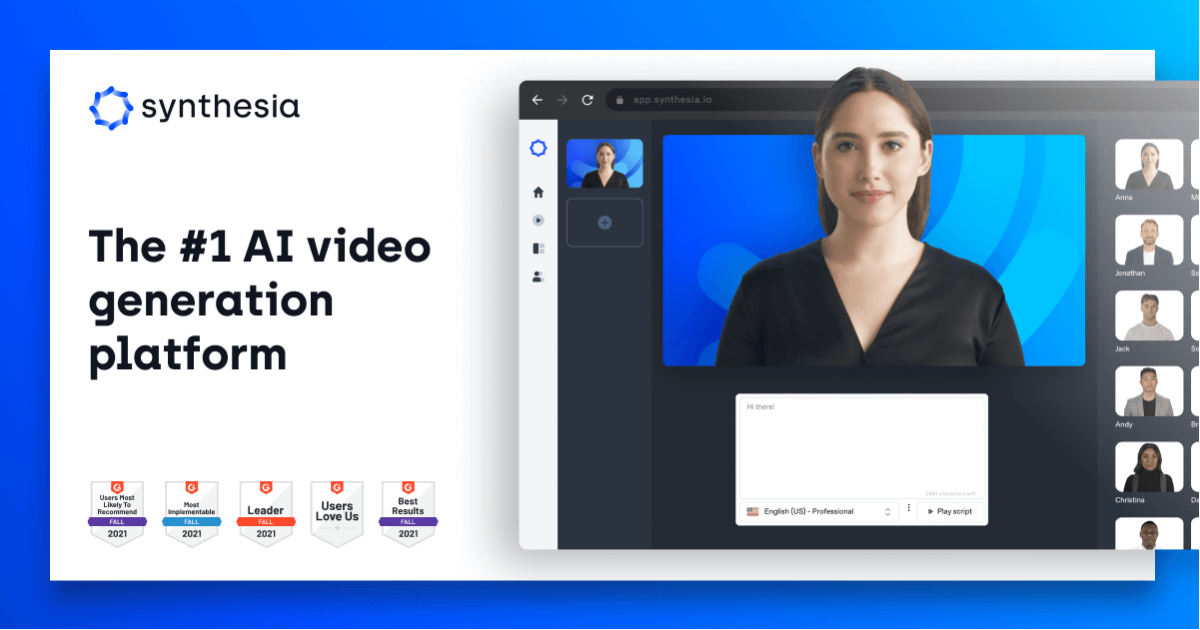
When a company raises $200 million in Series E funding during January 2026, investors are betting on more than potential. They're backing proven market demand and sustainable growth. Synthesia's funding round came alongside a 44% year-over-year increase in headcount to 706 employees, signaling aggressive expansion in a category the company essentially created: AI avatar-based video generation for enterprise training and communications. Corporate training videos have been expensive and slow to produce for decades. Recording a single 10-minute training module traditionally required booking a studio, hiring a presenter, scheduling a videographer, managing multiple takes, and editing everything together. If you needed to update information or translate content, you essentially started over. Synthesia eliminated this entire production workflow by replacing human presenters with AI avatars.
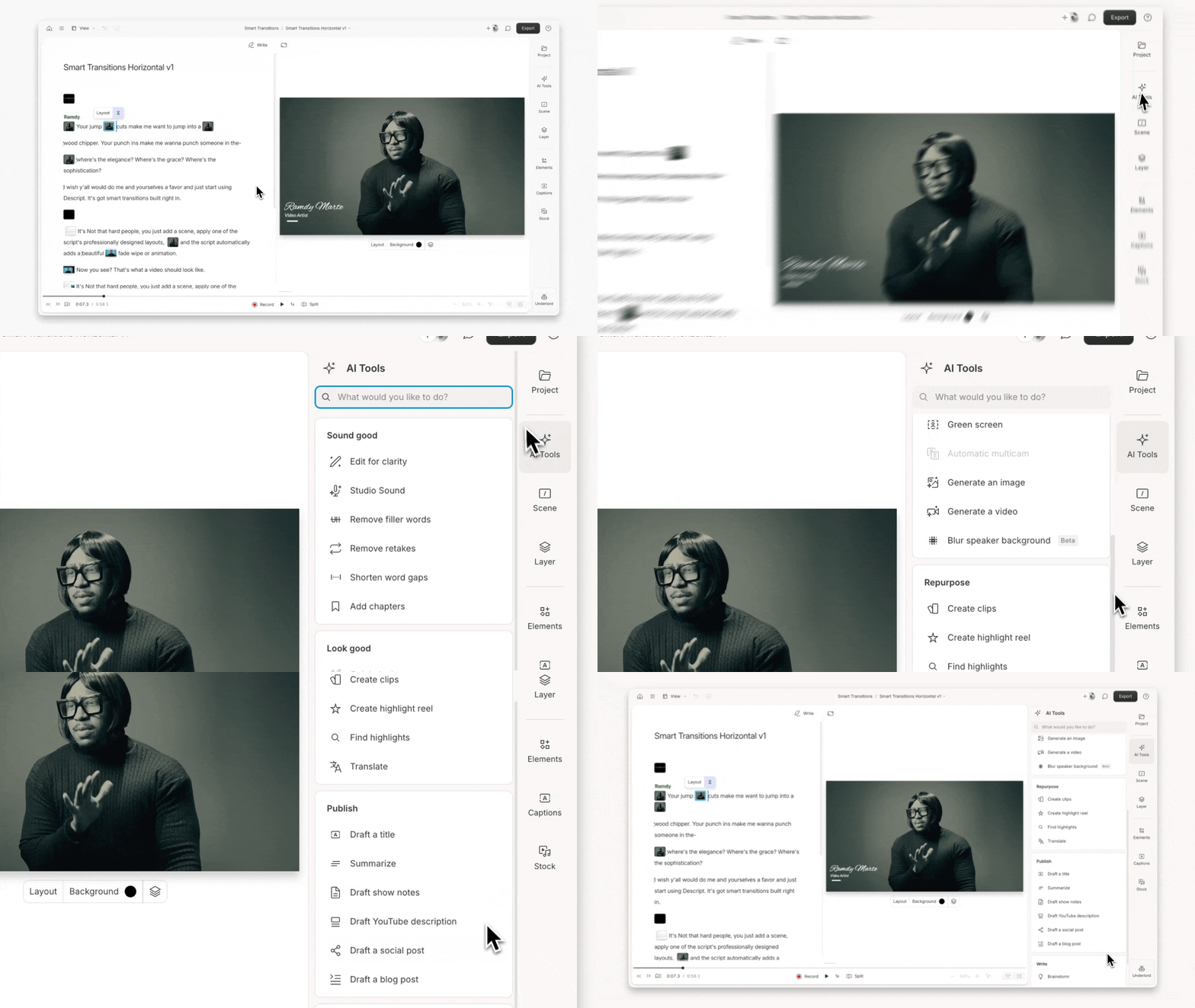
Most people can edit a Google Doc. Delete some words, rearrange sentences, fix typos, add paragraphs. It's intuitive and requires no special training. Now imagine editing video the same way. That's Descript's core innovation, and it transformed video editing from a specialized skill requiring expensive software into something anyone who can edit text can do effectively. Descript started as a transcription tool for podcasters. Record your podcast, upload it to Descript, and get an accurate transcript for show notes. But the founders realized something bigger. If you have a perfect transcript synchronized to audio, you can edit the audio by editing the text. Delete a word from the transcript and that word disappears from the audio. That insight became the foundation for a complete editing platform.
My honest read on this is that Anthropic is doing exactly what a well-run company should do at this stage. They are studying their options while they still have financial breathing room rather than waiting until they are desperate. That is just good strategic planning.
As someone who works in enterprise software, the multi-agent architecture is what I keep coming back to. Spinning up parallel subagents to handle different parts of a task simultaneously is not a gimmick. That is genuinely how complex workflows need to be handled, and very few consumer-facing products have shipped that cleanly.
Not gonna lie, the idea of AI being the default interface for everything is either the most exciting or most dystopian sentence in this piece depending on what kind of week you are having.
The point about AI becoming the default interface for everything is where I push back slightly. People have wildly different comfort levels with AI mediation. A significant portion of the population is going to resist having their social feed, their shopping, their health questions all routed through the same AI layer owned by a single company.
Meta has just had one of its most important AI moments yet and the early signals are hard to ignore. Following the launch of its newest AI model Muse Spark, the company’s standalone Meta AI app surged dramatically in popularity, hinting at a much larger shift that is beginning to take shape. The release is particularly significant because it marks the first major AI model rollout under Alexandr Wang, who joined Meta to reboot its AI strategy. This is not just another incremental update. It represents a more aggressive and focused push into the AI race. According to data from Appfigures, Meta AI jumped from number 57 to number 5 on the U.S. App Store within a day of the launch. That kind of movement rarely happens without a strong underlying pull from users. It signals not curiosity but intent.
That is a really important point. Apple already does on-device scanning before encryption, so the binary choice TikTok is presenting between safety and E2EE is actually a false dilemma.
OpenAI's latest subscription offering represents its most aggressive move yet to reclaim market share in the rapidly expanding AI-powered coding assistant sector
My daughter is 14 and on TikTok constantly. My honest take is that I would rather have the hard conversation with her about what not to share in DMs than have a company with this ownership structure have access to everything she writes.