
As someone who works in clinical nutrition, I want to add that the research base for chrononutrition is real but the hype around it often outpaces what the studies actually show. The effect sizes in most human trials are meaningful but modest.
Sign up to see more
SignupAlready a member?
LoginBy continuing, you agree to Sociomix's Terms of Service, Privacy Policy
Sign up to see more
SignupAlready a member?
LoginBy continuing, you agree to Sociomix's Terms of Service, Privacy Policy

As someone who works in clinical nutrition, I want to add that the research base for chrononutrition is real but the hype around it often outpaces what the studies actually show. The effect sizes in most human trials are meaningful but modest.
The article doesn't mention SSS-Class Revival Hunter and that is a genuine omission. A protagonist who has to die to gain powers creates tension that most overpowered protagonist stories completely lack.
Cautiously optimistic about this adaptation because the source material is so strong that even a decent execution should result in something worthwhile. My floor for this is still higher than most sports anime.
If you're new to manhwa or looking to understand what all the hype is about regarding system and leveling stories, you've arrived at exactly the right place. The system genre has become one of the most popular and accessible entry points into Korean comics, offering clear progression mechanics, satisfying power growth, and narratives that feel like playing your favorite RPG or video game brought to life on the page. System manhwa feature protagonists who gain access to game-like interfaces that display stats, skills, quests, and levels. These systems provide clear frameworks for character growth and power progression. You can literally see the protagonist getting stronger through numbers increasing, new abilities unlocking, and challenges being overcome. This visual and concrete progression creates deeply satisfying reading experiences that hook readers from the first chapter.
The year 2026 marks a pivotal moment in the evolution of manhwa as a medium. What started as a trickle of Korean comics receiving anime adaptations has become a flood, with at least fifteen confirmed projects bringing beloved manhwa to animated life. This explosive growth wasn't accidental but the inevitable result of Solo Leveling's massive success proving that manhwa adaptations can compete with traditional manga anime in quality, popularity, and profitability. Studios across Japan and Korea are investing heavily in manhwa properties, recognizing that Korean storytelling brings fresh perspectives, innovative premises, and built-in fanbases eager to see their favorite series animated. The diversity of genres receiving adaptations demonstrates that manhwa appeal extends far beyond action and fantasy into romance, psychological thriller, sports, and slice-of-life territories.
Unpopular opinion but the story itself is pretty formulaic and the art is doing heavy lifting that the writing sometimes does not deserve.
The Explore Mode unlimited generations thing is the feature I keep telling other creators about. It flips the mental model from conserving credits to actually exploring ideas freely.
Revenue going from $2.8M to $150M annualized in about a year is actually more impressive than the $10M to $100M framing in the post. Those earlier numbers paint an even more dramatic picture of the transformation.
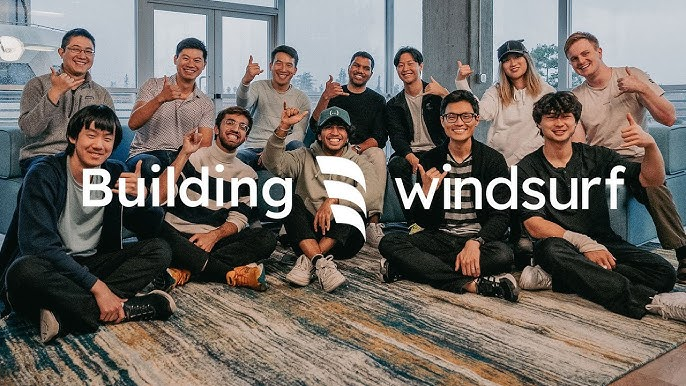
Developers have a new anxiety in 2026: token anxiety. You're in the middle of debugging a complex problem, the AI is helping you refactor three files simultaneously, and suddenly you wonder if this session is about to cost you $50. That mental tax slows you down and makes you second-guess using the tool you're paying for. Windsurf eliminated that anxiety with a simple decision: flat monthly pricing with no token limits. Fifteen dollars per month. Unlimited usage. No tracking credits or calculating costs per query. That pricing model sounds almost boring compared to the complex token systems other AI coding tools use, but boring is exactly what professional developers want when it comes to pricing. They want predictable costs and unlimited usage so they can focus on writing code instead of budgeting AI queries.
Genuinely, does anyone know if Muse Spark actually works better than Llama 4 in practice or only on Meta's own benchmarks? Real world testing versus lab conditions has been a consistent gap with Meta's previous models.
Has anyone tried the hybrid approach for a sustained period? Using Claude Code to write and Codex to review before committing? Curious if the overhead of context switching between tools is worth it.
My tip? Get the skirt in navy too. These pencil skirts are workhorses in a professional wardrobe
I would swap the grey sneakers for white ones to make it pop more. What do you all think?
Finally a jumpsuit that doesn't need sky-high heels to look elegant! The flat shoes make it so wearable
Just got my jumpsuit altered to hit right at the ankle with heels. Makes such a difference in the overall look
I tried a similar look but with a cream jacket and it wasn't nearly as striking as this pink shade.
Join independent creators, thought leaders, and storytellers to share your unique perspectives, and spark meaningful conversations.