What are the best nootropics for focus and memory that actually have clinical evidence? Not looking for a stack, just the ones with real data.
23
Sign up to see more
SignupAlready a member?
LoginBy continuing, you agree to Sociomix's Terms of Service, Privacy Policy

What are the best nootropics for focus and memory that actually have clinical evidence? Not looking for a stack, just the ones with real data.
Can neurofeedback wearables like the Muse headband actually improve focus long term or is the effect only while you're wearing it?
Oracle cutting 30,000 jobs while simultaneously investing massively in datacenter infrastructure is the perfect case study for what this article is describing. The industry is not shrinking. It is redistributing.
The year 2026 marks a pivotal moment in the evolution of manhwa as a medium. What started as a trickle of Korean comics receiving anime adaptations has become a flood, with at least fifteen confirmed projects bringing beloved manhwa to animated life. This explosive growth wasn't accidental but the inevitable result of Solo Leveling's massive success proving that manhwa adaptations can compete with traditional manga anime in quality, popularity, and profitability. Studios across Japan and Korea are investing heavily in manhwa properties, recognizing that Korean storytelling brings fresh perspectives, innovative premises, and built-in fanbases eager to see their favorite series animated. The diversity of genres receiving adaptations demonstrates that manhwa appeal extends far beyond action and fantasy into romance, psychological thriller, sports, and slice-of-life territories.
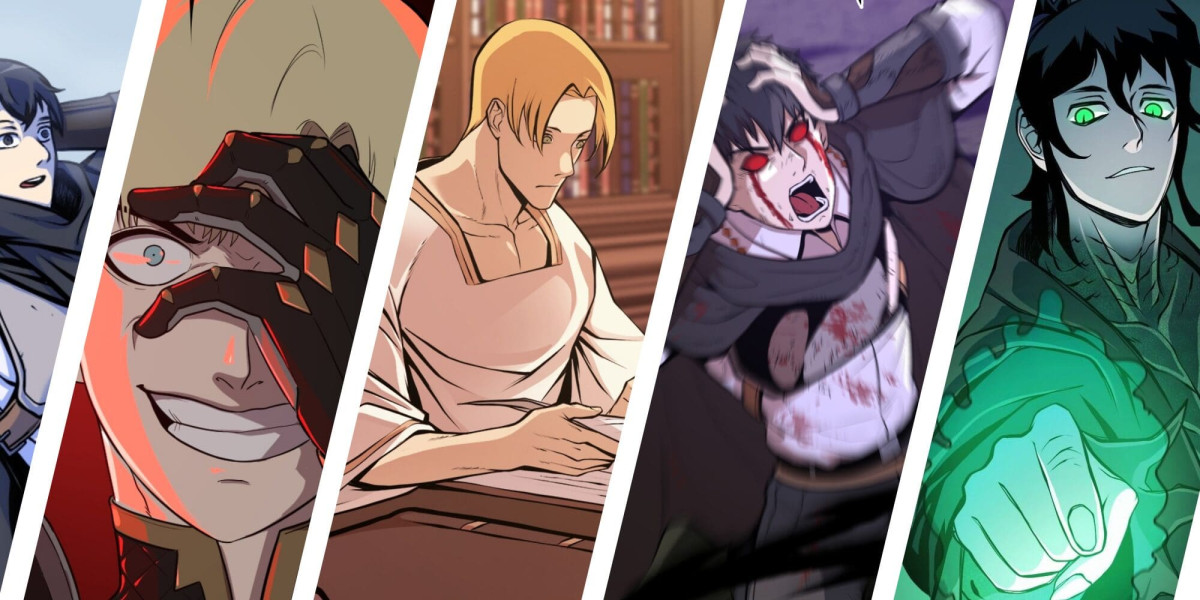
The post is clearly written by someone who loves the source material and that enthusiasm is infectious even where the facts drift from what is actually confirmed.
The manhwa community has been buzzing with anticipation ever since MAPPA Studio announced their adaptation of Omniscient Reader's Viewpoint. With a spring 2026 release date confirmed and 24 episodes planned for the first season, this adaptation represents one of the most ambitious manhwa-to-anime projects ever undertaken. But what makes this series so special that it warranted such a massive production commitment? If you're hearing about Omniscient Reader's Viewpoint for the first time or wondering whether the hype is justified, this guide will prepare you for what promises to be one of the biggest anime releases of the year. We'll cover the story premise, why it's captured millions of readers worldwide, what MAPPA's involvement means, and everything else you need to know before the first episode airs

Underlord is impressive but it still requires you to review its decisions. It occasionally removes context that matters or keeps something you would have cut. The time savings are real but it is not a one click finished product.
The glass box code visibility is great for learning but it also means you are responsible for what gets shipped. You cannot blame the AI when something breaks in production and you reviewed and deployed it. That accountability shift matters.
One thing the article misses entirely, what happens to your workflow when Windsurf is down or having model issues. Dependence on a single AI tool creates a fragile development environment.
As a former studio video producer who retrained into L&D, watching this play out has been surreal. The workflow I spent years mastering is now software. The scripting and instructional design skills I always treated as secondary turned out to be the durable ones.
The credit system burning through your budget on complex generations is a real problem. Saw community threads describing it as getting expensive fast once you move beyond simple component generation. The $20 plan sounds cheap until you're iterating on a full dashboard three times in one session.
For teams outside English speaking markets this technology is not incremental, it is transformative. Our regional offices in Southeast Asia had basically zero localized training content before this because the cost was prohibitive. That has completely changed.
Developers have a new anxiety in 2026: token anxiety. You're in the middle of debugging a complex problem, the AI is helping you refactor three files simultaneously, and suddenly you wonder if this session is about to cost you $50. That mental tax slows you down and makes you second-guess using the tool you're paying for. Windsurf eliminated that anxiety with a simple decision: flat monthly pricing with no token limits. Fifteen dollars per month. Unlimited usage. No tracking credits or calculating costs per query. That pricing model sounds almost boring compared to the complex token systems other AI coding tools use, but boring is exactly what professional developers want when it comes to pricing. They want predictable costs and unlimited usage so they can focus on writing code instead of budgeting AI queries.
Vibe coding is the term people are using now and honestly it kind of perfectly describes the experience. You just describe the vibe and something appears.
Honestly the parallel task execution thing in Codex is underrated. Running five feature tasks simultaneously in isolated containers is something Claude Code just does not do natively. That matters for certain workflows.
Has anyone tried the hybrid approach for a sustained period? Using Claude Code to write and Codex to review before committing? Curious if the overhead of context switching between tools is worth it.
No formal team has been announced yet. Reports say no dedicated engineering group has been committed and no final design has been selected. Right now it sounds like strategy consultants and internal discussions, not actual chip design.
I've been scared to try platform oxfords but these are making me reconsider! They look so wearable