If Terror Man is actually the Iron Man of a larger Korean superhero universe like some readers are saying, and they cut those connections in the anime to keep things simple, that is going to frustrate manhwa readers badly.
13
Sign up to see more
SignupAlready a member?
LoginBy continuing, you agree to Sociomix's Terms of Service, Privacy Policy
If Terror Man is actually the Iron Man of a larger Korean superhero universe like some readers are saying, and they cut those connections in the anime to keep things simple, that is going to frustrate manhwa readers badly.
The article doesn't mention SSS-Class Revival Hunter and that is a genuine omission. A protagonist who has to die to gain powers creates tension that most overpowered protagonist stories completely lack.
Voice acting question is a great one. The best comparison I can think of is something like a voice that projects stillness rather than emptiness. There is a difference. You feel presence without emotion.
Park Dojin as an antagonist is doing a lot of heavy lifting for the threat level of this arc. Every time he shows up something gets worse for Suho.
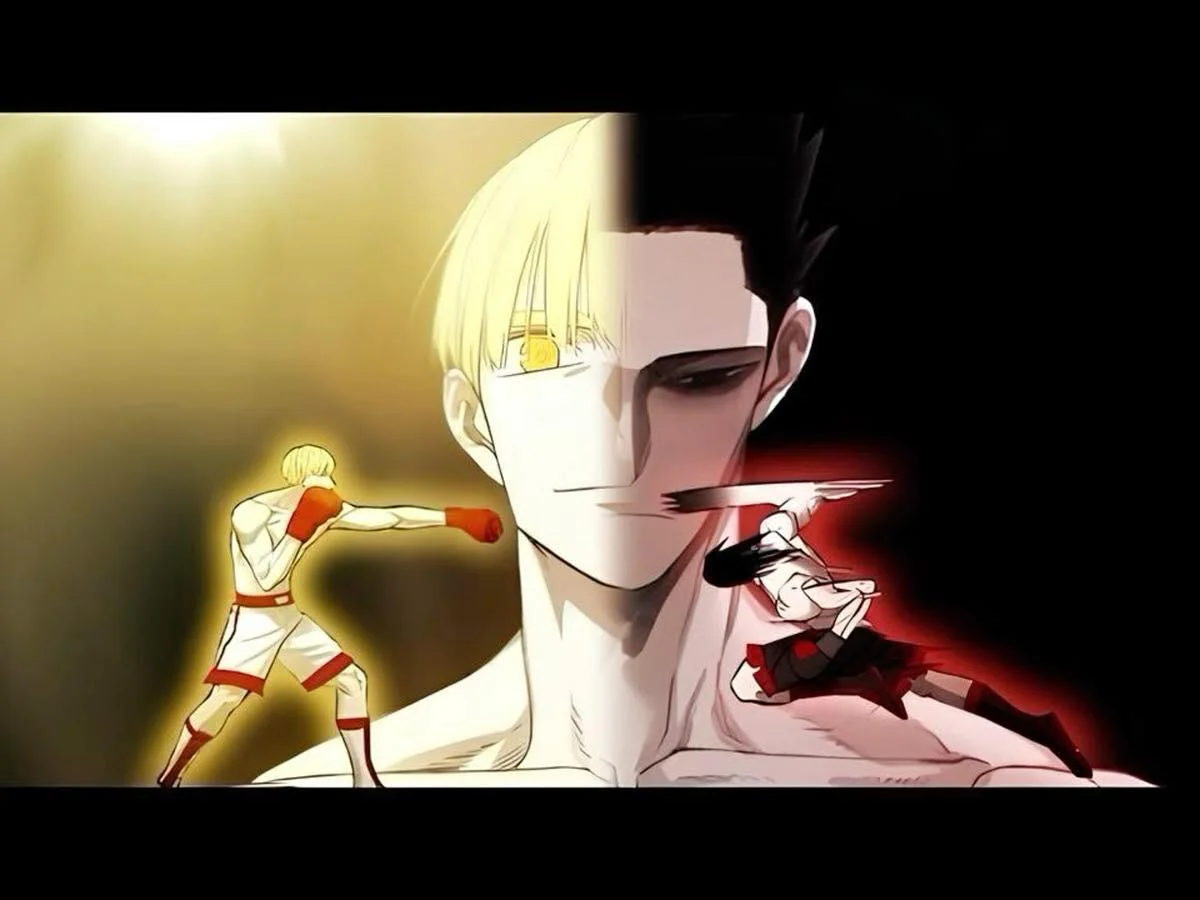
Sports anime and manga have delivered countless memorable series over the decades, from Slam Dunk's basketball brilliance to Haikyuu's volleyball excellence. These stories typically follow familiar patterns: talented but inexperienced protagonist joins a team, forms bonds with teammates, faces rivals, grows through competition, and ultimately pursues championship glory. The formula works because it taps into universal themes about effort, teamwork, and self-improvement. The Boxer, created by JH, takes everything you expect from sports stories and systematically deconstructs it. The protagonist doesn't love boxing. He doesn't form deep bonds with teammates. He doesn't overcome challenges through friendship and determination. Instead, the manhwa presents one of the darkest, most psychologically complex examinations of combat sports ever created, wrapped in stunningly minimalist artwork that elevates the narrative to something approaching high art.
The Warrior Returns made me genuinely emotional in a way I did not expect from what initially looked like a fish-out-of-water comedy setup. When he sees his family again the series drops its humorous tone completely and the shift is earned.
Murim manhwa is genuinely the most underappreciated genre in comics right now. People who only know Solo Leveling are missing an entire universe of brilliant work.
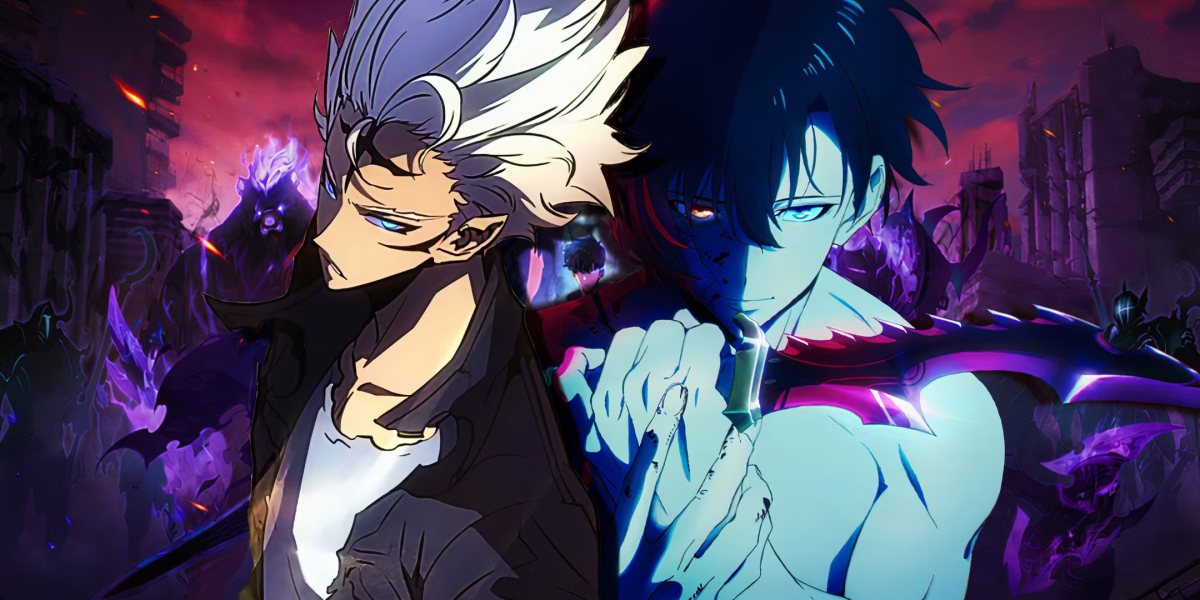
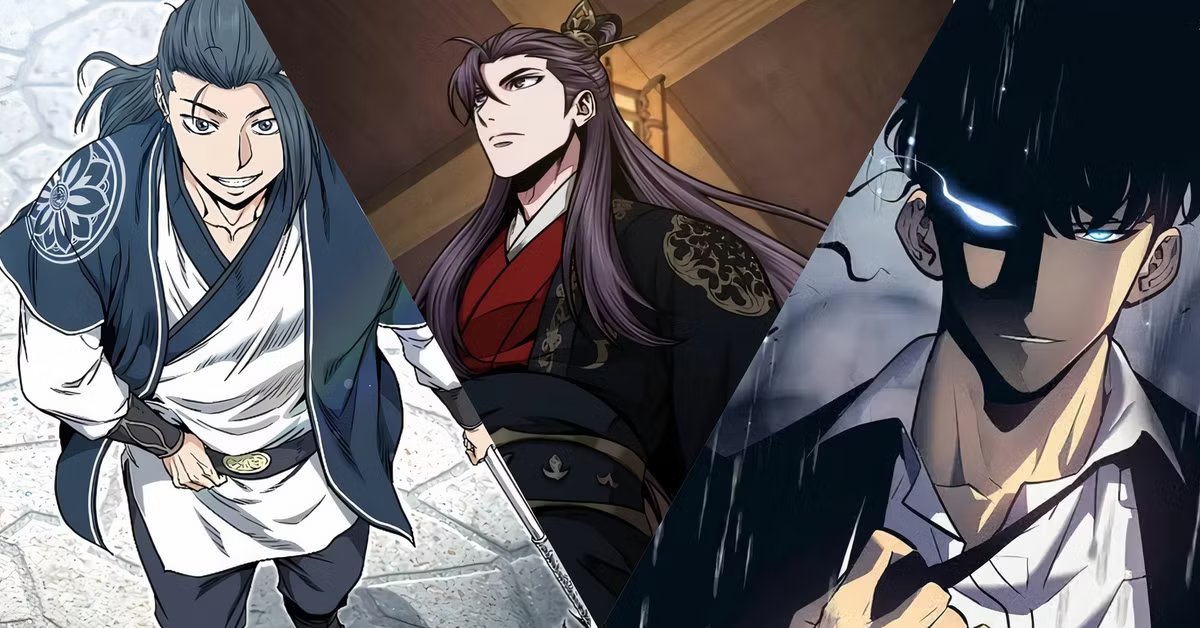
The manhwa world exploded when Solo Leveling first introduced us to Sung Jinwoo's journey from the weakest hunter to humanity's strongest defender. Now, Solo Leveling Ragnarok brings a fresh perspective to this beloved universe, and fans everywhere are asking the same questions. Can the sequel live up to the original? Do you need to read Solo Leveling first? What makes this continuation worth your time? This guide covers everything you need to know about Solo Leveling Ragnarok, whether you're a longtime fan or someone curious about jumping into the series Solo Leveling Ragnarok is not a reboot or alternate timeline. This is a direct sequel that continues the story years after the original series concluded. The protagonist shifts from Sung Jinwoo to his son, Sung Suho, who must forge his own path in a world still recovering from the catastrophic events his father prevented.
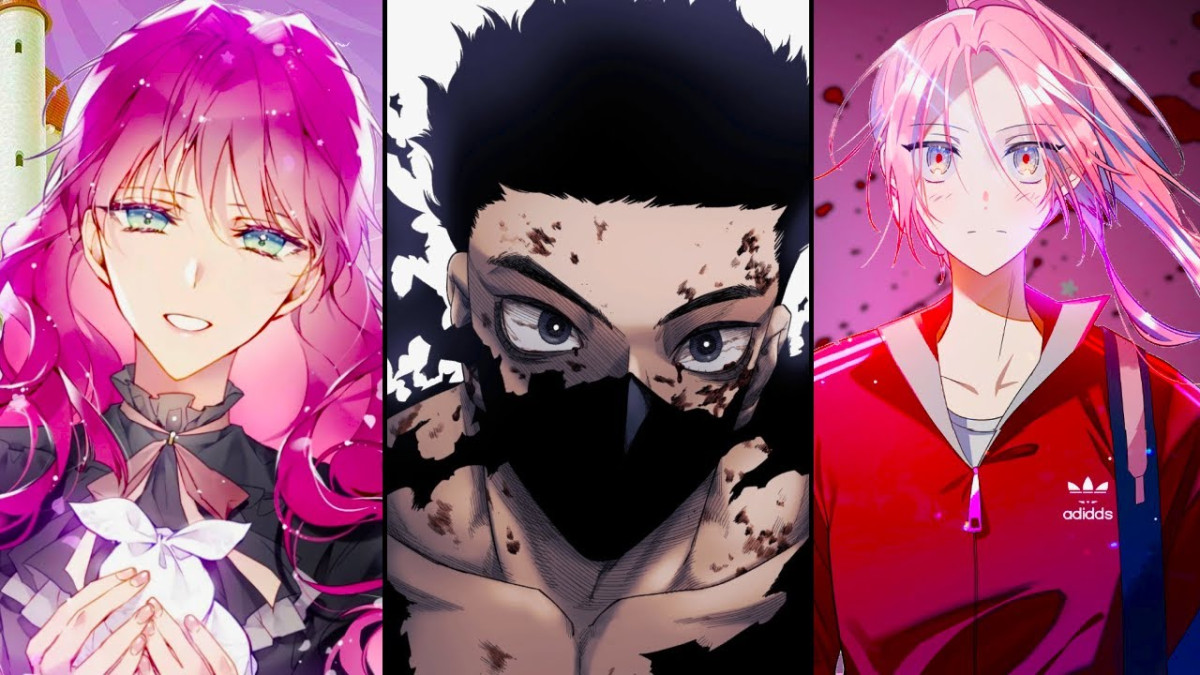
The year 2026 marks a pivotal moment in the evolution of manhwa as a medium. What started as a trickle of Korean comics receiving anime adaptations has become a flood, with at least fifteen confirmed projects bringing beloved manhwa to animated life. This explosive growth wasn't accidental but the inevitable result of Solo Leveling's massive success proving that manhwa adaptations can compete with traditional manga anime in quality, popularity, and profitability. Studios across Japan and Korea are investing heavily in manhwa properties, recognizing that Korean storytelling brings fresh perspectives, innovative premises, and built-in fanbases eager to see their favorite series animated. The diversity of genres receiving adaptations demonstrates that manhwa appeal extends far beyond action and fantasy into romance, psychological thriller, sports, and slice-of-life territories.
The Blade God arc had some of the most insane double page spreads I have ever seen in any comic. Full stop.
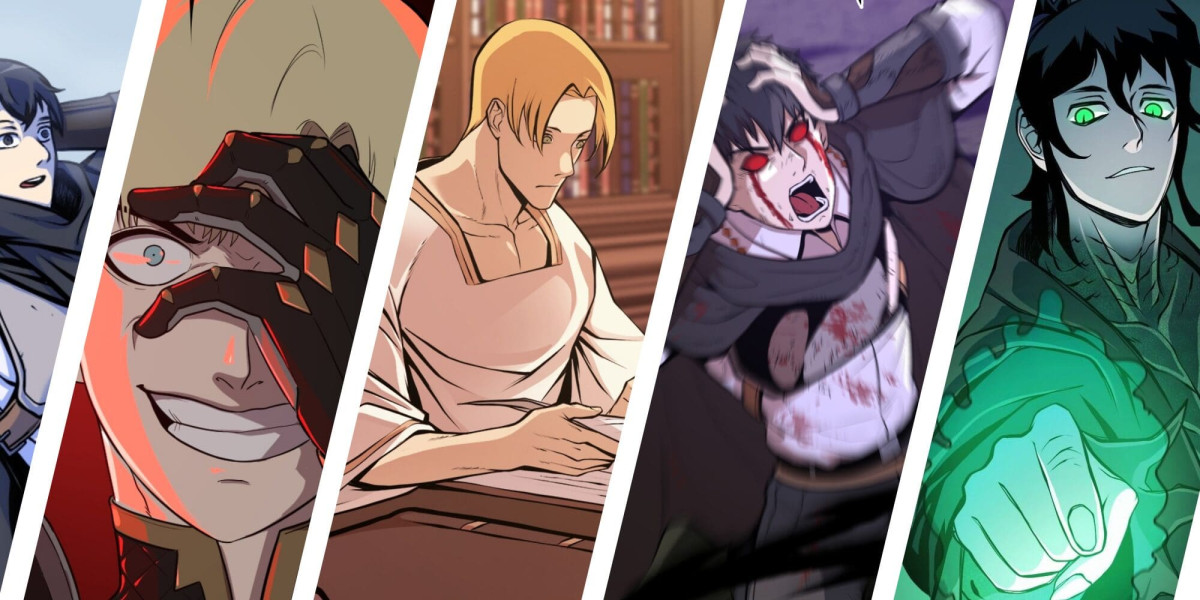
The regression subgenre has exploded in popularity over the past few years, becoming one of the most beloved narrative frameworks in Korean manhwa. The core premise is deceptively simple: a protagonist dies or fails catastrophically, then returns to an earlier point in time with their memories intact. Armed with future knowledge, they get a second chance to change their fate, save loved ones, gain power, or pursue revenge against those who wronged them. What makes regression stories so compelling is the combination of dramatic irony, strategic satisfaction, and emotional depth they provide. Readers know what the protagonist knows, creating tension when other characters make mistakes we can see coming. We feel smart alongside protagonists who use foreknowledge to outmaneuver enemies. And we experience the emotional weight of carrying memories of futures that haven't happened yet, of people who died who are currently alive, of betrayals that haven't occurred.
Civil engineering student here. The series is not perfectly accurate on technical details but it gets the mindset right. The satisfaction of solving a structural problem is captured really well.
Honestly the shadcn community was already one of the best things happening in frontend tooling before v0. Combining those components with AI generation feels like a natural evolution that someone was always going to build.
Cautiously optimistic but also keeping one eye on where the leaderboard actually sits today. Things have moved fast since December and Runway is not necessarily sitting at 1247 Elo anymore if you look at the current rankings.
Premiere's text editing is honestly a pale imitation though. It transcribes but the sync and the editing feel nowhere near as fluid as Descript. Same idea but very different execution.
What I find most interesting is that Uber apparently used it to cut design concept testing from six weeks to five days. Enterprise adoption for internal tooling is probably the bigger long-term market than founder MVPs.
In a medium filled with talented artists producing stunning work, making a claim about any series having the "best" art feels bold. Yet Nano Machine consistently delivers combat sequences so fluid, detailed, and visually innovative that even readers who don't typically care about martial arts stories find themselves captivated by the sheer spectacle on display. The series combines traditional murim aesthetics with futuristic sci-fi elements, creating a unique visual identity that stands apart from typical cultivation manhwa. The nano machine implanted in protagonist Cheon Yeo-Woon's body doesn't just give him power. It becomes a storytelling device that allows the artist to visualize techniques, energy flows, and combat analysis in ways other series can't replicate.
Meta tried to acquire Runway in 2025 and got turned down. That is a pretty strong signal that Runway leadership believes their independent trajectory is worth more than a big tech buyout premium.
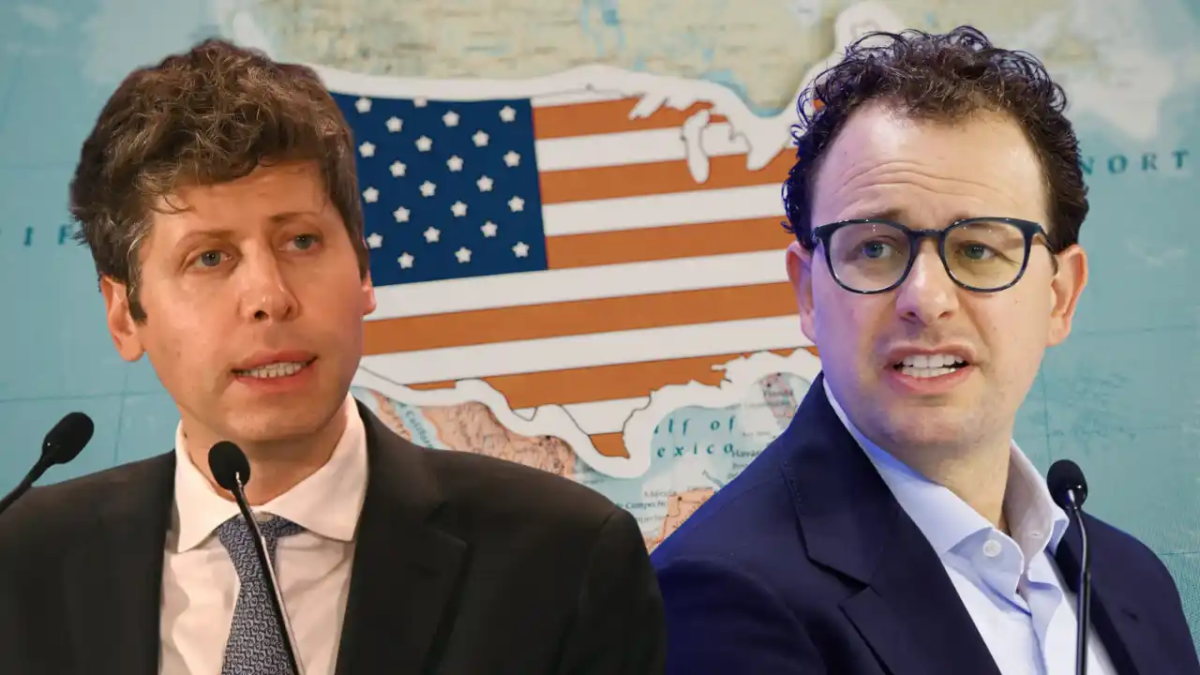
There's a photograph from February 2026 that pretty much sums up the state of AI right now. At the India AI Impact Summit in New Delhi, Indian Prime Minister Narendra Modi invited the world's tech leaders onstage for a group photo. Everyone held hands. Well, almost everyone. Sam Altman of OpenAI and Dario Amodei of Anthropic, standing right next to each other, refused to clasp hands and instead raised their fists separately. The internet, predictably, lost its mind. An awkward moment between OpenAI CEO Sam Altman and Anthropic CEO Dario Amodei at an AI Summit captured the increasingly icy relations between two rival tech leaders who started off as colleagues. That's not just petty drama. It's a window into what may be the most consequential corporate rivalry in the technology world right now, one that's playing out in boardrooms, courtrooms, Super Bowl ads, and billion-dollar compute deals all at once.
When a company's revenue jumps from $10 million to $100 million in nine months, you pay attention. When that growth comes from an AI agent that builds entire applications autonomously, you realize something fundamental just changed in software development. Replit Agent represents that change, and the numbers prove developers are ready for it. Replit started as a browser-based coding environment for education. Students could write Python or JavaScript without installing anything locally. Teachers loved it because setup time vanished. But the company saw something bigger. If you could run code in the browser, why not let AI write that code? That question led to Agent 3, an AI that doesn't just suggest code completions. It builds entire applications from scratch.