That is a fair point but also worth noting that Fuqua clearly got an exceptional performance out of a first-time screen actor, which is itself a significant directorial achievement regardless of script issues.
18
Sign up to see more
SignupAlready a member?
LoginBy continuing, you agree to Sociomix's Terms of Service, Privacy Policy

That is a fair point but also worth noting that Fuqua clearly got an exceptional performance out of a first-time screen actor, which is itself a significant directorial achievement regardless of script issues.
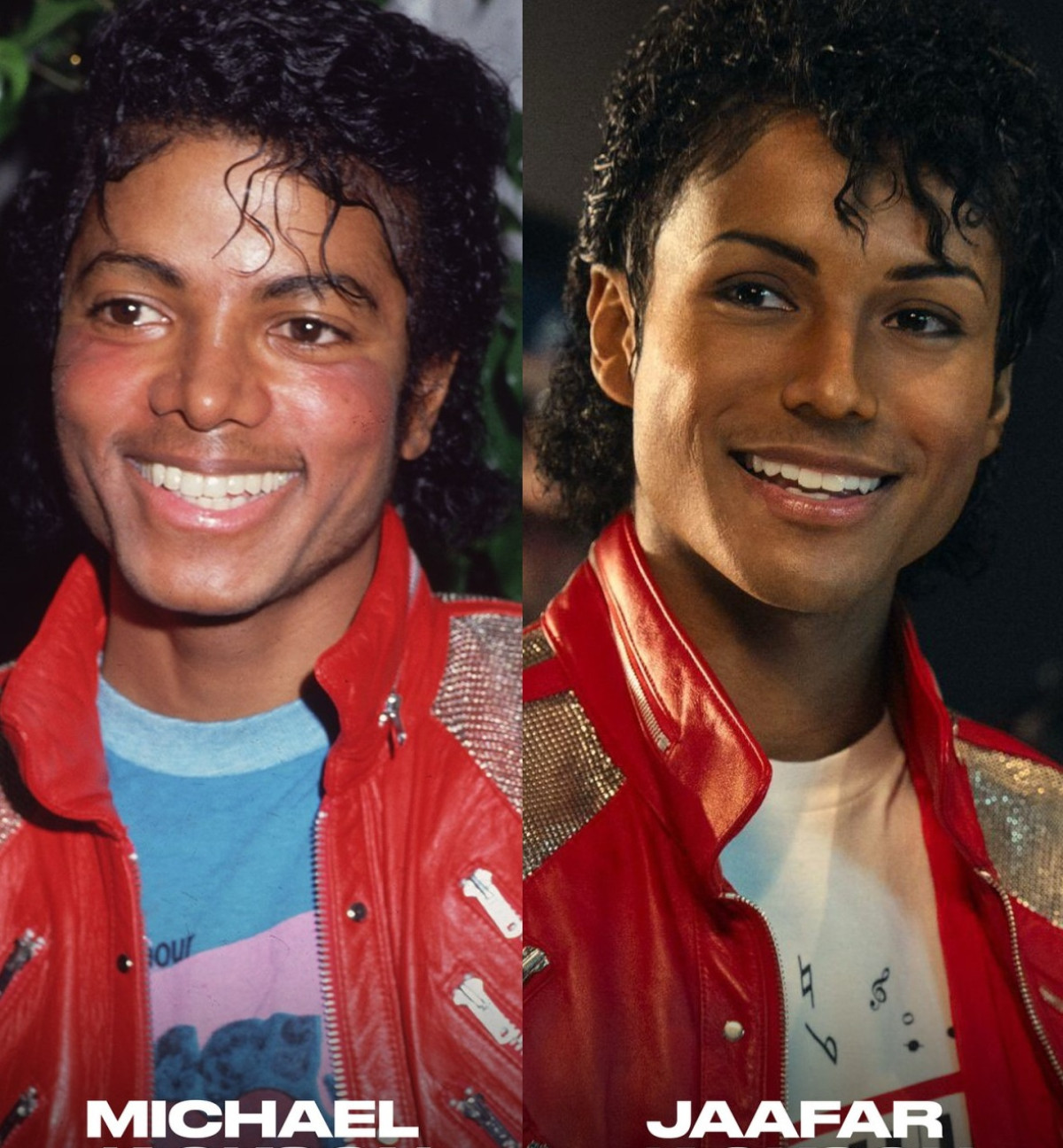
Jaafar Jackson plays Michael Jackson in the 2026 biopic Michael, and the story of how the 29-year-old newcomer landed the role is more interesting than the film itself. It started with a voice note. It involved a two-year global casting search with no formal auditions. It required Jaafar to keep the role secret from his own family for a full year. And it ended with his grandmother Katherine Jackson, the woman who knew Michael longest and loved him most, telling producers that her grandson didn't just resemble her son, he embodied him. After tracking every interview, behind-the-scenes video, and production report released since the film was announced, I can tell you that the choice of Jaafar was not nepotism, not a publicity play, and not the obvious pick everyone assumes it was. It was a hard-earned outcome of the most unusual casting process in recent biopic history, and here is how it actually happened.
The Colman Domingo scenes with young Michael in Gary, Indiana are reportedly the dramatic high point of the entire movie. Which means the film peaks in the first forty minutes and then slowly coasts. That is a structural problem no amount of good dancing fixes.
Moved from a software ops role to a datacenter facilities coordinator position last year because my company was restructuring. The learning curve was steep but the job security feels completely different. Much less anxiety.
Fair pushback above, but the counterpoint is that even with aggressive automation, demand is growing so fast that total headcount is still projected to increase. A shrinking ratio applied to a doubling base still means more jobs.
Took a 12 week datacenter technician program at a community college last year after getting laid off from a software QA role. Had a job offer before the program even ended. The demand is not theoretical.
Is SSS-Class Revival Hunter ever going to get an anime adaptation or are we just going to keep getting mediocre isekai trash instead? Asking for everyone.
This is one of those series where knowing it exists and is being adapted is already changing how I spend my weekends. Started the manhwa three days ago and I have responsibilities that are not getting done.
Do you think the anime needs a heavy orchestral score or something more minimal? Because I keep imagining something almost silent with just ambient sound during the fights.
The question the article raises about dying hundreds of times and losing what it means to truly live is answered so quietly and gradually in the narrative that you almost miss when the story makes its point. That subtlety is everything.
In a manhwa landscape dominated by dungeon crawling, regression narratives, and power fantasies, The Greatest Estate Developer stands out by asking a simple question: what if the protagonist's greatest weapon wasn't a sword or magic system, but civil engineering knowledge? This bizarre premise transforms into one of the most entertaining, genuinely funny, and surprisingly heartfelt series currently running, proving that innovation in storytelling comes from unexpected places. The series takes the familiar isekai setup where a modern person finds themselves in a fantasy world and completely subverts expectations. Instead of becoming an adventurer or hero, protagonist Kim Suho uses his engineering knowledge to revolutionize construction, infrastructure, and economic development. What sounds like it should be boring becomes absolutely captivating through sharp writing, excellent comedic timing, and genuine passion for showing how infrastructure improves lives.

The article mentions the fantasy engineering challenges like building on magical land and accounting for monster attacks in structural design. This part of the series is so underrated. It actually engages with world building in a way most isekai just skip.
In a medium filled with talented artists producing stunning work, making a claim about any series having the "best" art feels bold. Yet Nano Machine consistently delivers combat sequences so fluid, detailed, and visually innovative that even readers who don't typically care about martial arts stories find themselves captivated by the sheer spectacle on display. The series combines traditional murim aesthetics with futuristic sci-fi elements, creating a unique visual identity that stands apart from typical cultivation manhwa. The nano machine implanted in protagonist Cheon Yeo-Woon's body doesn't just give him power. It becomes a storytelling device that allows the artist to visualize techniques, energy flows, and combat analysis in ways other series can't replicate.

The 128k token context window is what actually makes this useful for real projects. Every other AI tool I have used spits out components that look like they were built in isolation on a different planet from the rest of my codebase.
As someone who works in enterprise software sales, the shift I've seen in 2026 toward Claude is real and it happened faster than anything I've experienced in 15 years. Procurement teams that wouldn't even take an Anthropic meeting in 2024 are now signing multi-year contracts without much negotiation. The brand trust flipped almost overnight.
As someone who works in post-production, the real test is not benchmark scores. It is whether the output integrates cleanly into a DaVinci Resolve or Premiere timeline without requiring two hours of cleanup. On that front, Runway still has an edge.
The article positions Meta's ecosystem as a distribution moat and it is correct. But moats get crossed. Google had a moat in search. Microsoft had a moat in productivity software. These things are not permanent and the AI space is moving too fast to assume any current position is durable.
TikTok using PhotoDNA for known CSAM is fine and good and every platform should do it. But that is not the same thing as not using E2EE. Perceptual hashing for known illegal images can be done client-side before encryption. These are separate technical decisions.
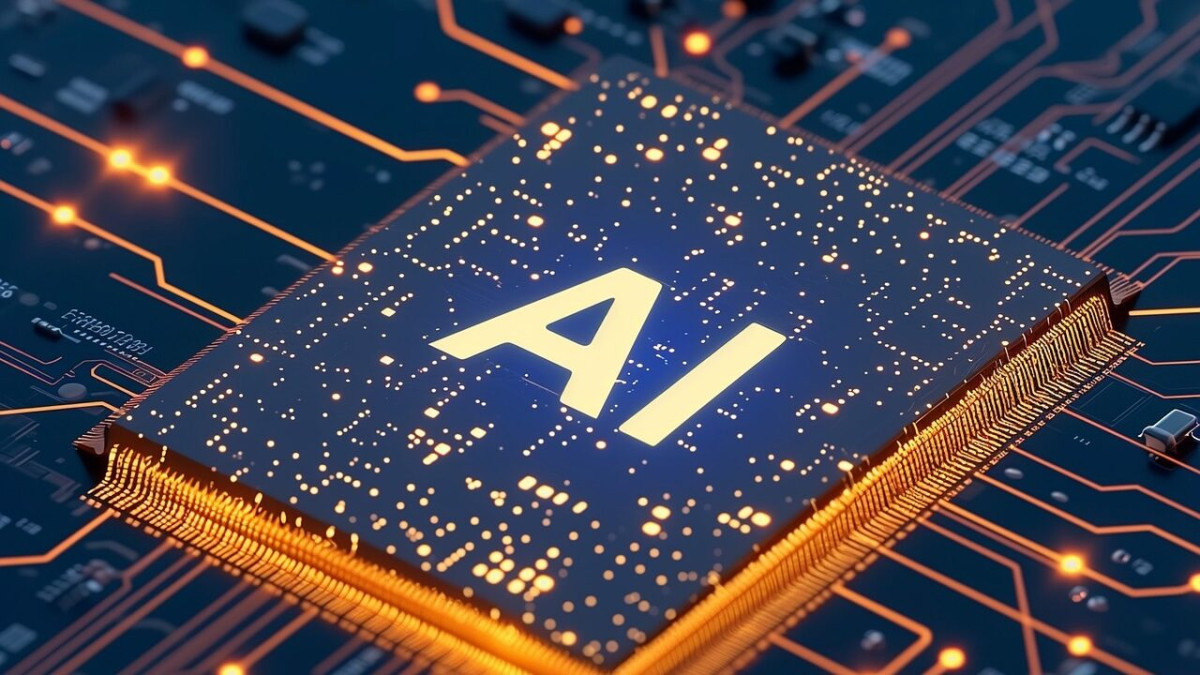
The artificial intelligence industry is entering a new phase of competition, one that extends far beyond the development of advanced language models and neural networks. Companies are now engaged in an intense struggle to secure the computational infrastructure necessary to train and deploy their AI systems. In this context, Anthropic has reportedly begun exploring the possibility of designing and manufacturing its own specialized processors to power Claude, its flagship conversational AI platform, along with its broader suite of artificial intelligence technologies. This strategic consideration emerges at a critical moment in the global AI sector. The exponential growth in model complexity and capability has created unprecedented demand for high-performance computing resources. Sources familiar with the matter indicate that Anthropic is conducting feasibility studies to determine whether developing proprietary semiconductor technology could reduce its dependence on external hardware vendors while ensuring reliable access to the computing power required for its operations.
Genuinely, the Anthropic Cowork announcement was more significant than anything in this article. Expanding Claude Code beyond the 28 million professional developer addressable market into general computing is a completely different strategic move.