
Muted color palette mention in the article is underselling it. The way the colors shift subtly depending on the emotional content of a scene is the kind of detail you only notice on a reread.
Sign up to see more
SignupAlready a member?
LoginBy continuing, you agree to Sociomix's Terms of Service, Privacy Policy
Sign up to see more
SignupAlready a member?
LoginBy continuing, you agree to Sociomix's Terms of Service, Privacy Policy

Muted color palette mention in the article is underselling it. The way the colors shift subtly depending on the emotional content of a scene is the kind of detail you only notice on a reread.
Does anyone actually know who the artist is? The writer gets mentioned constantly but I feel like the artist deserves way more credit for what makes this series special.
Worried this democratization narrative overlooks what it does to professionals. When the tool removes the skill barrier, it also removes the justification for rates that used to compensate for years of learned expertise.
Text-based video editing is now mainstream enough that Premiere Pro added its own version of it. That is the market signal that this approach won the argument about whether it belongs in serious production workflows.
The AI video generation race just got a clear winner. Runway Gen-4.5 topped the Video Arena leaderboard with a 1,247 Elo score, surpassing both Google Veo 3 and OpenAI Sora 2. For those unfamiliar with Elo ratings, this is the same system used to rank chess players and competitive games. A higher score means more wins in head-to-head comparisons. When real users compare videos side by side without knowing which AI generated them, they consistently choose Runway's output. Runway didn't start as an enterprise video tool. It began as a playground for artists and filmmakers who wanted to experiment with AI-generated visuals. The early versions produced fascinating but inconsistent results. Sometimes you'd get stunning cinematic footage. Other times you'd get distorted motion and unrealistic physics. Gen-4.5 changed that equation by achieving breakthrough consistency in motion quality and physical accuracy.
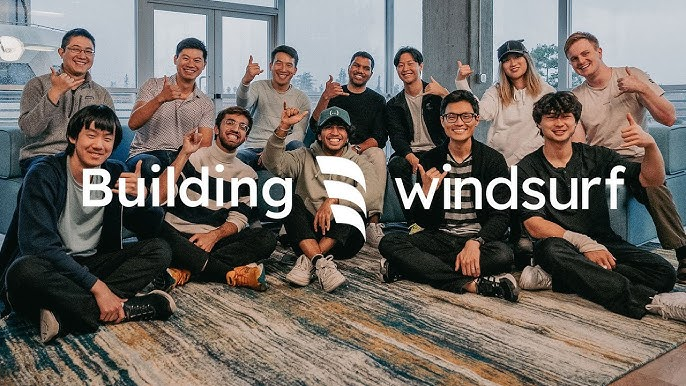
Developers have a new anxiety in 2026: token anxiety. You're in the middle of debugging a complex problem, the AI is helping you refactor three files simultaneously, and suddenly you wonder if this session is about to cost you $50. That mental tax slows you down and makes you second-guess using the tool you're paying for. Windsurf eliminated that anxiety with a simple decision: flat monthly pricing with no token limits. Fifteen dollars per month. Unlimited usage. No tracking credits or calculating costs per query. That pricing model sounds almost boring compared to the complex token systems other AI coding tools use, but boring is exactly what professional developers want when it comes to pricing. They want predictable costs and unlimited usage so they can focus on writing code instead of budgeting AI queries.
There is something a little uncomfortable about tools that promise anyone can build anything. Software built without understanding often produces software that fails in ways the builder cannot diagnose or fix.
The manhwa community has been buzzing with anticipation ever since MAPPA Studio announced their adaptation of Omniscient Reader's Viewpoint. With a spring 2026 release date confirmed and 24 episodes planned for the first season, this adaptation represents one of the most ambitious manhwa-to-anime projects ever undertaken. But what makes this series so special that it warranted such a massive production commitment? If you're hearing about Omniscient Reader's Viewpoint for the first time or wondering whether the hype is justified, this guide will prepare you for what promises to be one of the biggest anime releases of the year. We'll cover the story premise, why it's captured millions of readers worldwide, what MAPPA's involvement means, and everything else you need to know before the first episode airs
Three months in on the free tier and only hit the 25 credit limit twice. Using it mostly for autocomplete and small refactors. For light usage the free plan is genuinely viable.
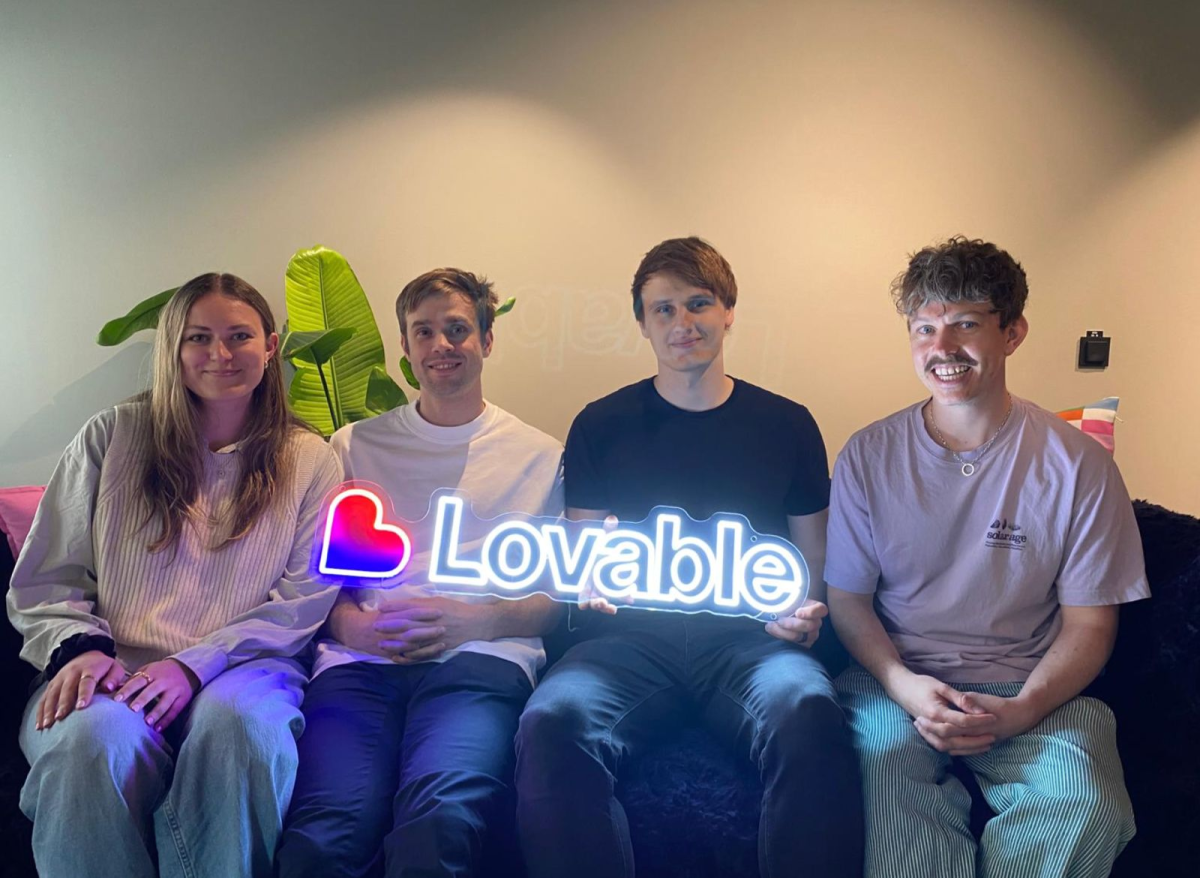
The software development world just witnessed something unprecedented. A European startup called Lovable reached $20 million in annual recurring revenue in just two months, making it potentially the fastest-growing startup in European history. But here's the twist that's making traditional software agencies nervous: they did it by giving non-technical founders the power to build full-stack applications without writing a single line of code. For years, the promise of no-code tools has been the same: anyone can build an app. But the reality has always been different. You'd create a beautiful frontend, get excited about your progress, and then hit the technical cliff. Suddenly you needed to configure databases, set up authentication, manage API keys, and deploy to servers. The "no-code" dream became a "hire-a-developer-anyway" nightmare.
Features that reduce friction for users usually take a back seat to features that increase time on app. Comment editing probably did not meaningfully move engagement metrics in testing which is why it got deprioritized for years.
Meta committed hundreds of billions to build AI computing infrastructure and their first deliverable is a model that is competitive but not dominant. I respect the honesty in admitting that publicly. Most companies would have just called it the best.
every time these kinds of emergency high-level meetings happen, the actual policy output takes eighteen months and arrives after the threat has evolved past what was discussed. The pace of governance versus the pace of capability is the fundamental problem.
You could totally dress this up with some strappy sandals and a clutch for evening! The versatility is amazing
That bralette is giving me life! But does anyone know if it provides enough support for larger chests?
Join independent creators, thought leaders, and storytellers to share your unique perspectives, and spark meaningful conversations.