Honestly the part about the suprachiasmatic nucleus and the peripheral clocks in the liver and gut is the piece that finally made sense to me. It is not woo, there is a whole system at work.
23
Sign up to see more
SignupAlready a member?
LoginBy continuing, you agree to Sociomix's Terms of Service, Privacy Policy

Honestly the part about the suprachiasmatic nucleus and the peripheral clocks in the liver and gut is the piece that finally made sense to me. It is not woo, there is a whole system at work.
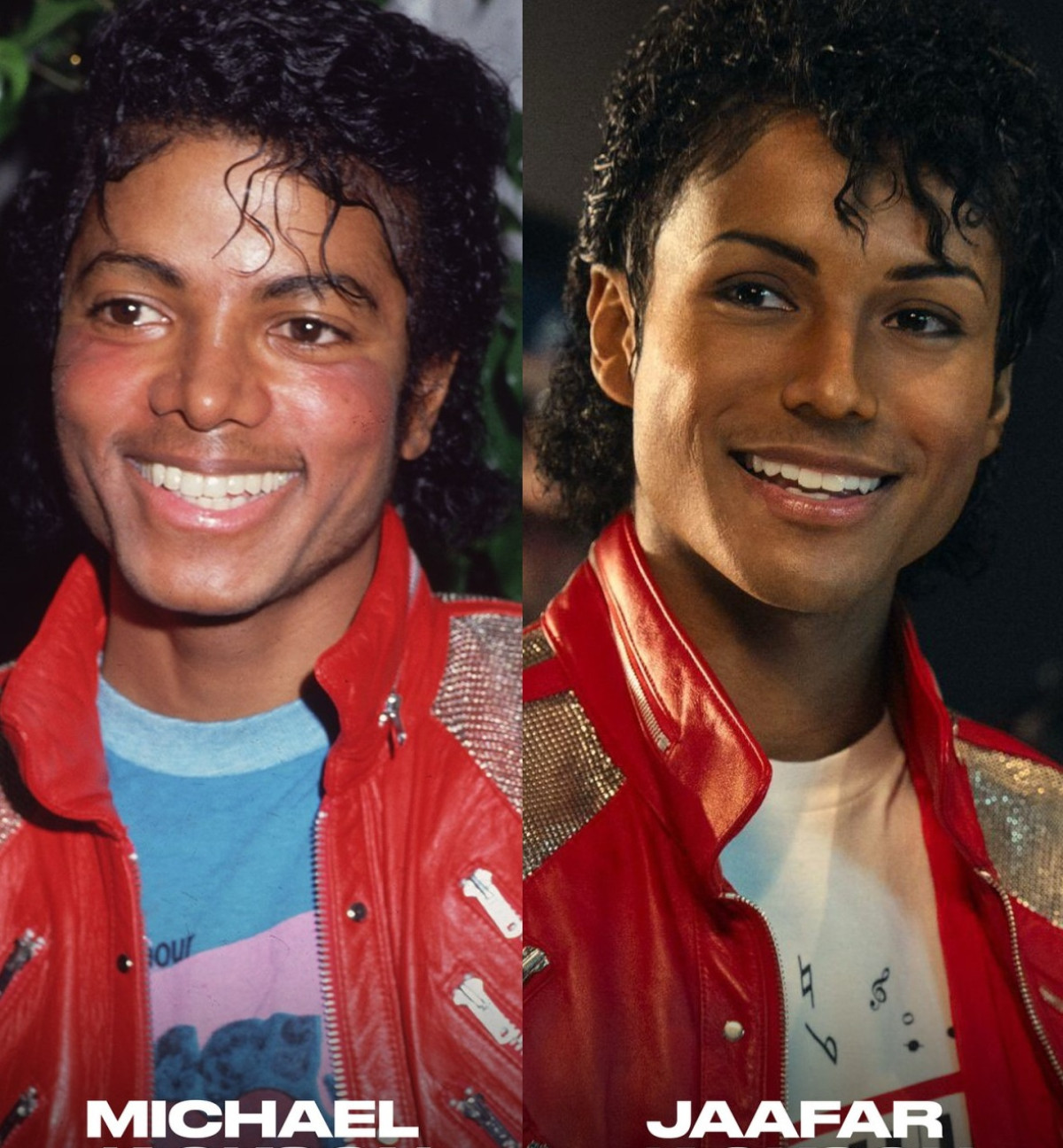
Jaafar Jackson plays Michael Jackson in the 2026 biopic Michael, and the story of how the 29-year-old newcomer landed the role is more interesting than the film itself. It started with a voice note. It involved a two-year global casting search with no formal auditions. It required Jaafar to keep the role secret from his own family for a full year. And it ended with his grandmother Katherine Jackson, the woman who knew Michael longest and loved him most, telling producers that her grandson didn't just resemble her son, he embodied him. After tracking every interview, behind-the-scenes video, and production report released since the film was announced, I can tell you that the choice of Jaafar was not nepotism, not a publicity play, and not the obvious pick everyone assumes it was. It was a hard-earned outcome of the most unusual casting process in recent biopic history, and here is how it actually happened.
The magic system feels like it's still being established in the earlier chapters. From what I can tell it operates through external formulas rather than internal energy refinement, which is a meaningful distinction that becomes important later.
The social mobility point the article makes about male characters in historical fantasy settings is accurate but I want to add that Elliot specifically being a minor villain rather than a protagonist or love interest complicates that mobility significantly. He has male privilege in the setting but no narrative privilege.
Do you think the anime needs a heavy orchestral score or something more minimal? Because I keep imagining something almost silent with just ambient sound during the fights.
For short form content it works fine for basic cuts and captions but it is not optimized for the trend-responsive fast paced editing style that performs on Reels. There are more nimble tools for that specific use case.
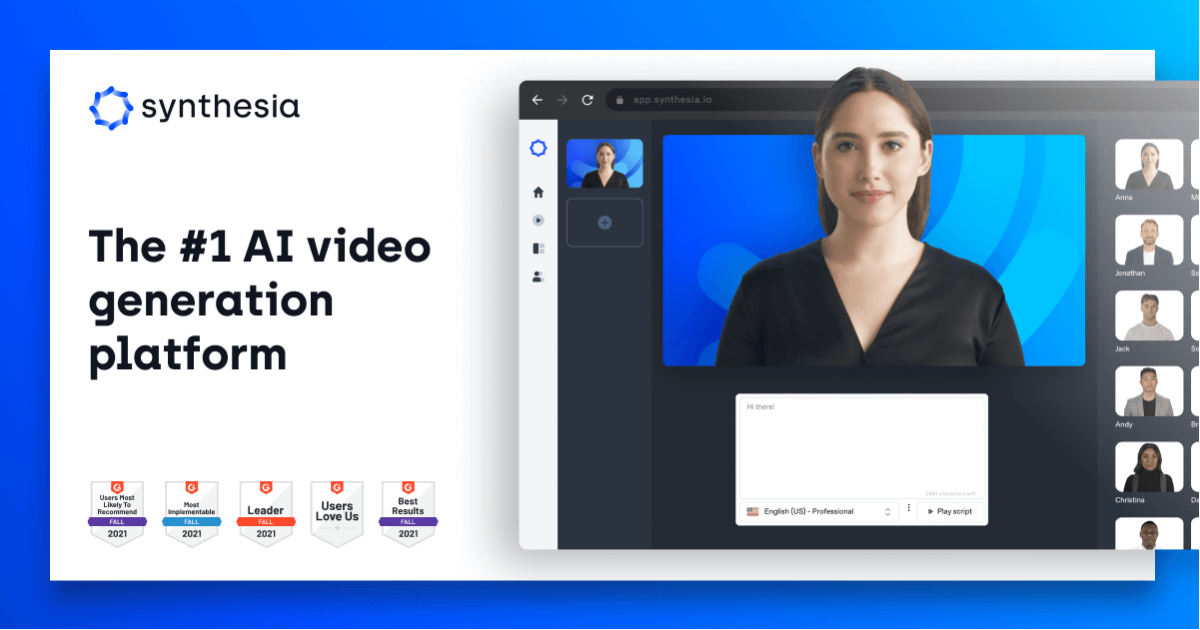
When a company raises $200 million in Series E funding during January 2026, investors are betting on more than potential. They're backing proven market demand and sustainable growth. Synthesia's funding round came alongside a 44% year-over-year increase in headcount to 706 employees, signaling aggressive expansion in a category the company essentially created: AI avatar-based video generation for enterprise training and communications. Corporate training videos have been expensive and slow to produce for decades. Recording a single 10-minute training module traditionally required booking a studio, hiring a presenter, scheduling a videographer, managing multiple takes, and editing everything together. If you needed to update information or translate content, you essentially started over. Synthesia eliminated this entire production workflow by replacing human presenters with AI avatars.
Speaking as someone who has worked in software agencies for over a decade, yes we are nervous. But honestly we should have seen this coming. The writing has been on the wall since GPT-4.
The broader trend this fits into is the move toward what some are calling vibe editing, where you describe your creative intent and AI handles the technical execution. Descript with Underlord is the most complete example of that right now.
Genuinely asking, what is the realistic patch timeline once Mythos hands over a list of thousands of high-severity zero-days spread across every major OS and browser? The coordination challenge alone seems almost insurmountable.
Broadcom is already a chip design partner for OpenAI and is now also working with Anthropic on the Google TPU deal. That company is quietly becoming one of the most important players in the entire AI infrastructure story.
I am more interested in whether this kind of vertical integration is actually good for users. If every major AI company ends up running on proprietary silicon, does that make the technology less interoperable and more siloed?
The whole situation highlights something underappreciated: we are in the middle of a massive reordering of who controls the foundational infrastructure of AI. The companies that control compute at scale will have structural advantages that compound over time.
She and Piccioli apparently collaborated on design for major moments on the world stage according to her spokesperson. That is a significant detail that deserves more attention in this conversation.
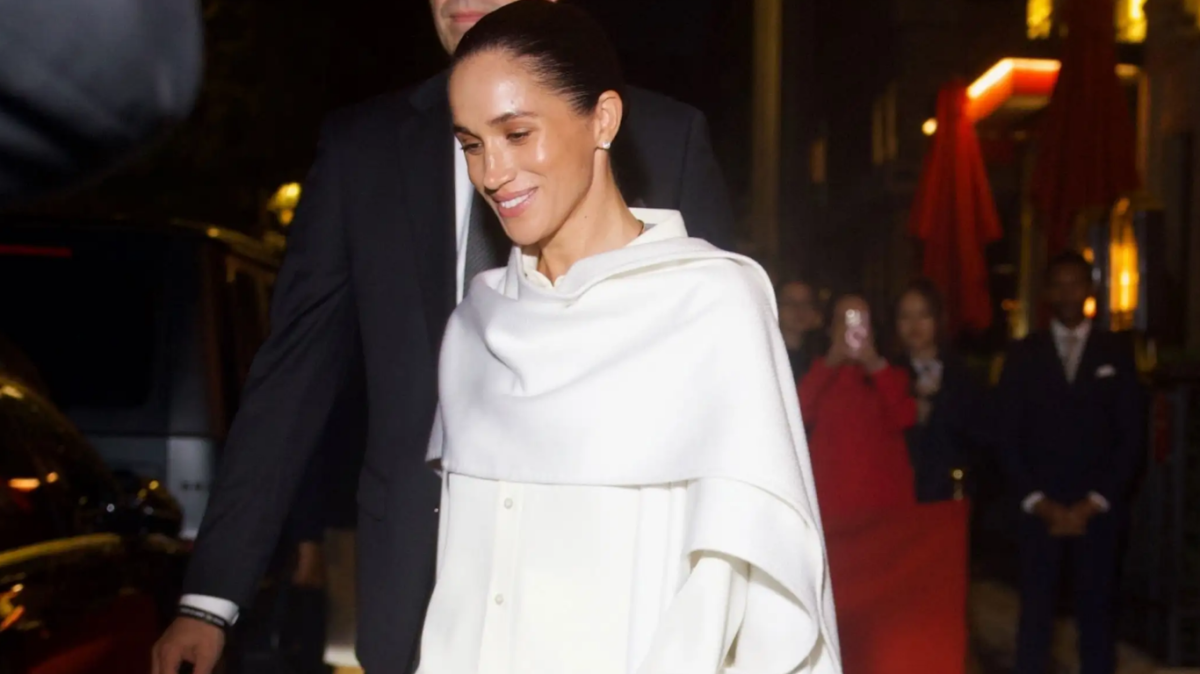
When you hear “Paris Fashion Week,” your mind races to haute couture, bold statements, and the world’s most glamorous attendees. But on October 4, 2025, the scene got a surprise guest—Meghan Markle, making what might be her most talked-about entrance yet. To call it a “debut” feels almost too neat, as if she’s stepping into a world she’s never touched. Yet, Meghan’s gradual evolution as a style influencer has been anything but accidental. Her Paris moment isn’t just celebrity spectacle; it’s a statement, a pivot, and a nuanced step into a new chapter. Here’s my take on why this matters.