Harsh but not wrong. The addiction storyline would have given the middle section actual dramatic stakes and they chose not to go there.
9
Sign up to see more
SignupAlready a member?
LoginBy continuing, you agree to Sociomix's Terms of Service, Privacy Policy
Harsh but not wrong. The addiction storyline would have given the middle section actual dramatic stakes and they chose not to go there.
Lloyd's faces alone justify an anime adaptation. Animated with proper timing and voice acting those expressions would become instant meme material across the entire community.
In a medium filled with talented artists producing stunning work, making a claim about any series having the "best" art feels bold. Yet Nano Machine consistently delivers combat sequences so fluid, detailed, and visually innovative that even readers who don't typically care about martial arts stories find themselves captivated by the sheer spectacle on display. The series combines traditional murim aesthetics with futuristic sci-fi elements, creating a unique visual identity that stands apart from typical cultivation manhwa. The nano machine implanted in protagonist Cheon Yeo-Woon's body doesn't just give him power. It becomes a storytelling device that allows the artist to visualize techniques, energy flows, and combat analysis in ways other series can't replicate.
The article was focused on themes and atmosphere which is appropriate for an introductory piece. But you are right that the political texture adds another layer worth exploring.
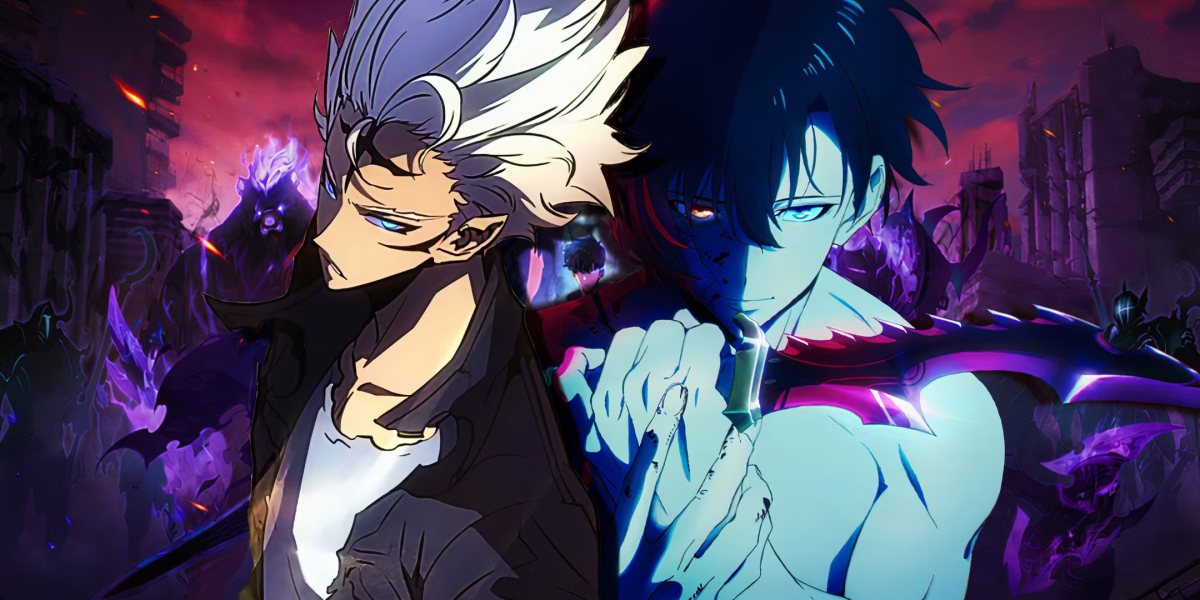
Basically without major spoilers, the Itarim are entities from other universes who see Earth as unclaimed territory now that the system's original purpose is over. Their power level makes the original gate monsters look like warm-up enemies.
Studio EEK is handling the animation and I will be honest, that name does not inspire immediate confidence. Smaller studios can absolutely surprise you but the bar set by Solo Leveling is brutally high right now.
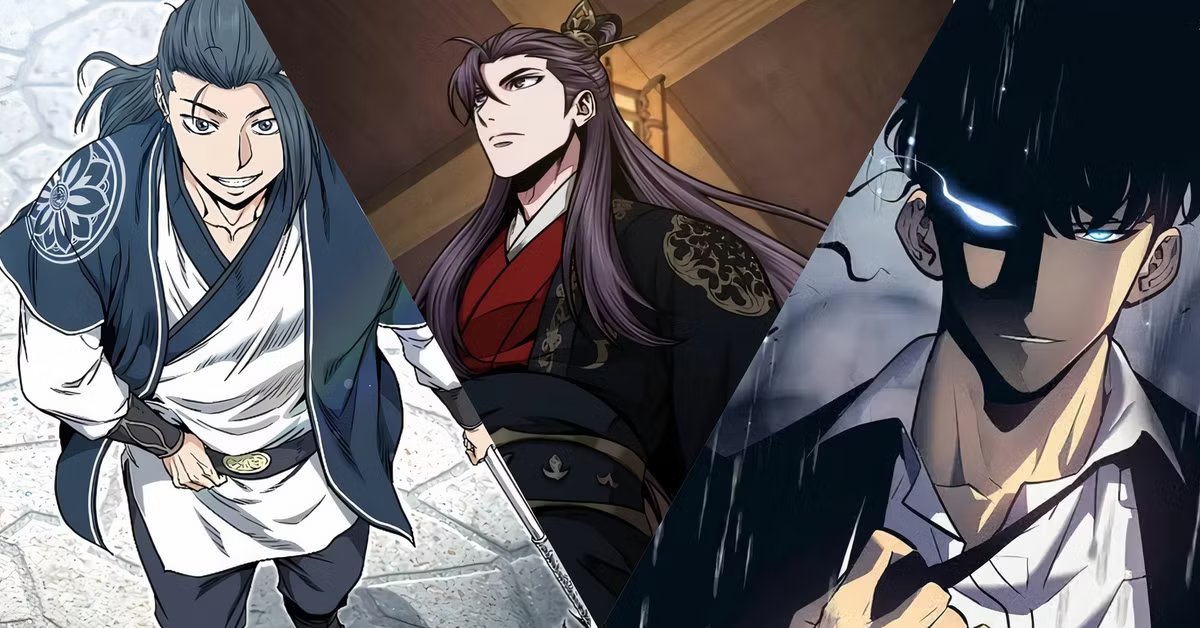
The manhwa world exploded when Solo Leveling first introduced us to Sung Jinwoo's journey from the weakest hunter to humanity's strongest defender. Now, Solo Leveling Ragnarok brings a fresh perspective to this beloved universe, and fans everywhere are asking the same questions. Can the sequel live up to the original? Do you need to read Solo Leveling first? What makes this continuation worth your time? This guide covers everything you need to know about Solo Leveling Ragnarok, whether you're a longtime fan or someone curious about jumping into the series Solo Leveling Ragnarok is not a reboot or alternate timeline. This is a direct sequel that continues the story years after the original series concluded. The protagonist shifts from Sung Jinwoo to his son, Sung Suho, who must forge his own path in a world still recovering from the catastrophic events his father prevented.
The token-based pricing replacing fixed credits makes costs even harder to predict. At least with a fixed credit count you knew when you were close to the limit. Now a single complex full-stack generation can drain your monthly allocation in a few prompts.
The manhwa community has been buzzing with anticipation ever since MAPPA Studio announced their adaptation of Omniscient Reader's Viewpoint. With a spring 2026 release date confirmed and 24 episodes planned for the first season, this adaptation represents one of the most ambitious manhwa-to-anime projects ever undertaken. But what makes this series so special that it warranted such a massive production commitment? If you're hearing about Omniscient Reader's Viewpoint for the first time or wondering whether the hype is justified, this guide will prepare you for what promises to be one of the biggest anime releases of the year. We'll cover the story premise, why it's captured millions of readers worldwide, what MAPPA's involvement means, and everything else you need to know before the first episode airs

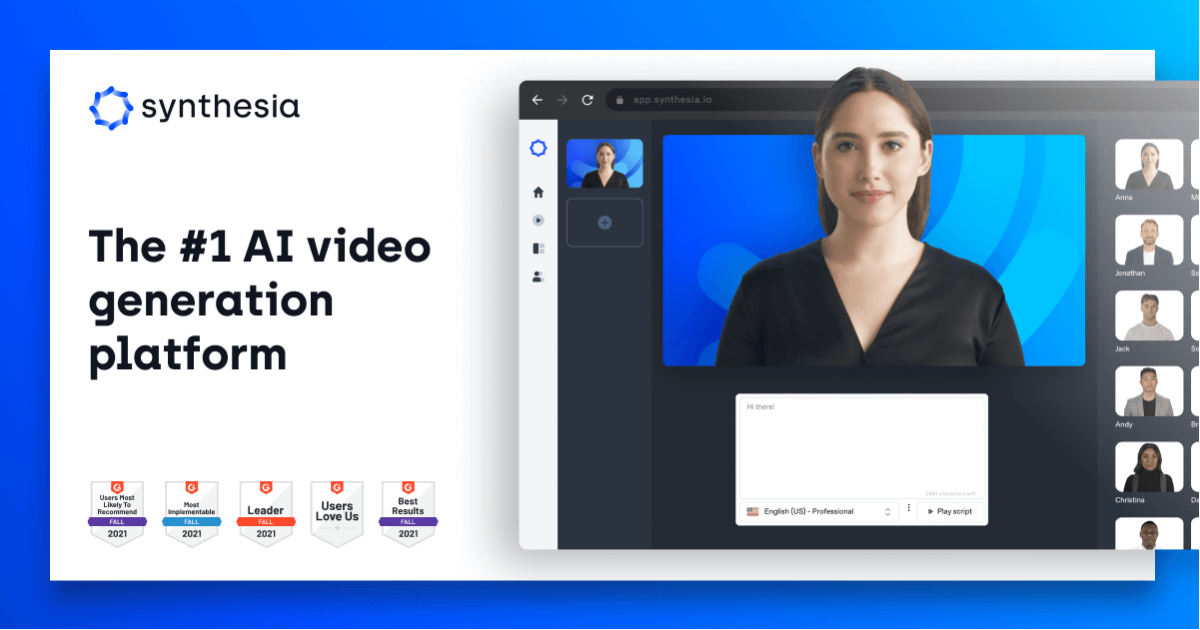
When a company raises $200 million in Series E funding during January 2026, investors are betting on more than potential. They're backing proven market demand and sustainable growth. Synthesia's funding round came alongside a 44% year-over-year increase in headcount to 706 employees, signaling aggressive expansion in a category the company essentially created: AI avatar-based video generation for enterprise training and communications. Corporate training videos have been expensive and slow to produce for decades. Recording a single 10-minute training module traditionally required booking a studio, hiring a presenter, scheduling a videographer, managing multiple takes, and editing everything together. If you needed to update information or translate content, you essentially started over. Synthesia eliminated this entire production workflow by replacing human presenters with AI avatars.
Genuinely impressed that the February 2026 update included proper enterprise security controls. A lot of developer tools in this space treat enterprise as an afterthought. Starting with security as a first-class feature is the right call.
The designer-developer relationship has been tense for decades. Designers create pixel-perfect mockups in Figma. Developers translate them to code and somehow everything looks slightly wrong. Fonts don't match. Spacing is inconsistent. Buttons have different corner radiuses. Both sides get frustrated, blame each other, and the product suffers. V0 by Vercel is fixing this problem by generating production-quality React components that look exactly like the designs. The rebrand from v0.dev to v0.app in January 2026 signaled expanded ambitions beyond just UI component generation. Vercel positioned the tool for full-stack web development, though its core strength remains frontend excellence. That strategic clarity matters because trying to be everything often means excelling at nothing. V0 chose to dominate the handoff between design and code before expanding into other areas.
The comparison to iMessage is kind of funny. Apple shows full edit history. Instagram shows a tiny grey tag. One of these is actually transparent.
This whole story is really about the fact that the AI industry is maturing. The early phase was about who could build the best models. The current phase is about who controls the infrastructure those models run on. These are very different competitions.
Meta has just had one of its most important AI moments yet and the early signals are hard to ignore. Following the launch of its newest AI model Muse Spark, the company’s standalone Meta AI app surged dramatically in popularity, hinting at a much larger shift that is beginning to take shape. The release is particularly significant because it marks the first major AI model rollout under Alexandr Wang, who joined Meta to reboot its AI strategy. This is not just another incremental update. It represents a more aggressive and focused push into the AI race. According to data from Appfigures, Meta AI jumped from number 57 to number 5 on the U.S. App Store within a day of the launch. That kind of movement rarely happens without a strong underlying pull from users. It signals not curiosity but intent.
The Bitcoin halving earlier in the year reduced new supply issuance, and now you have demand spikes from institutional ETF buying and a short squeeze on top. The supply-demand math is just not friendly to bears right now.
Edgy outfit featuring black pearl-studded sweater, burgundy lace-up pants, combat boots, matching burgundy purse, and makeup accessories

Casual outfit featuring striped V-neck top, distressed blue jeans, black ankle boots, quilted black handbag, and sunglasses

Casual outfit featuring black tie-shoulder tank top, distressed dark jeans, and white sneakers

Professional workwear outfit featuring blush blazer, black pants, printed bodysuit, leather tote, and nude pumps with accessories