Solid point. A study can show a statistically significant improvement in memory test scores while the real world effect is too small for any individual to feel. The article does note that effect sizes vary but that nuance deserves a louder mention.
Sign up to see more
SignupAlready a member?
LoginBy continuing, you agree to Sociomix's Terms of Service, Privacy Policy
Sign up to see more
SignupAlready a member?
LoginBy continuing, you agree to Sociomix's Terms of Service, Privacy Policy

Solid point. A study can show a statistically significant improvement in memory test scores while the real world effect is too small for any individual to feel. The article does note that effect sizes vary but that nuance deserves a louder mention.
Signed up for a two week social media detox after a particularly bad stretch of scattered thinking at work. Felt clear headed and genuinely more focused by day five. Not scientific but the subjective experience was dramatic enough that I didn't need a study.
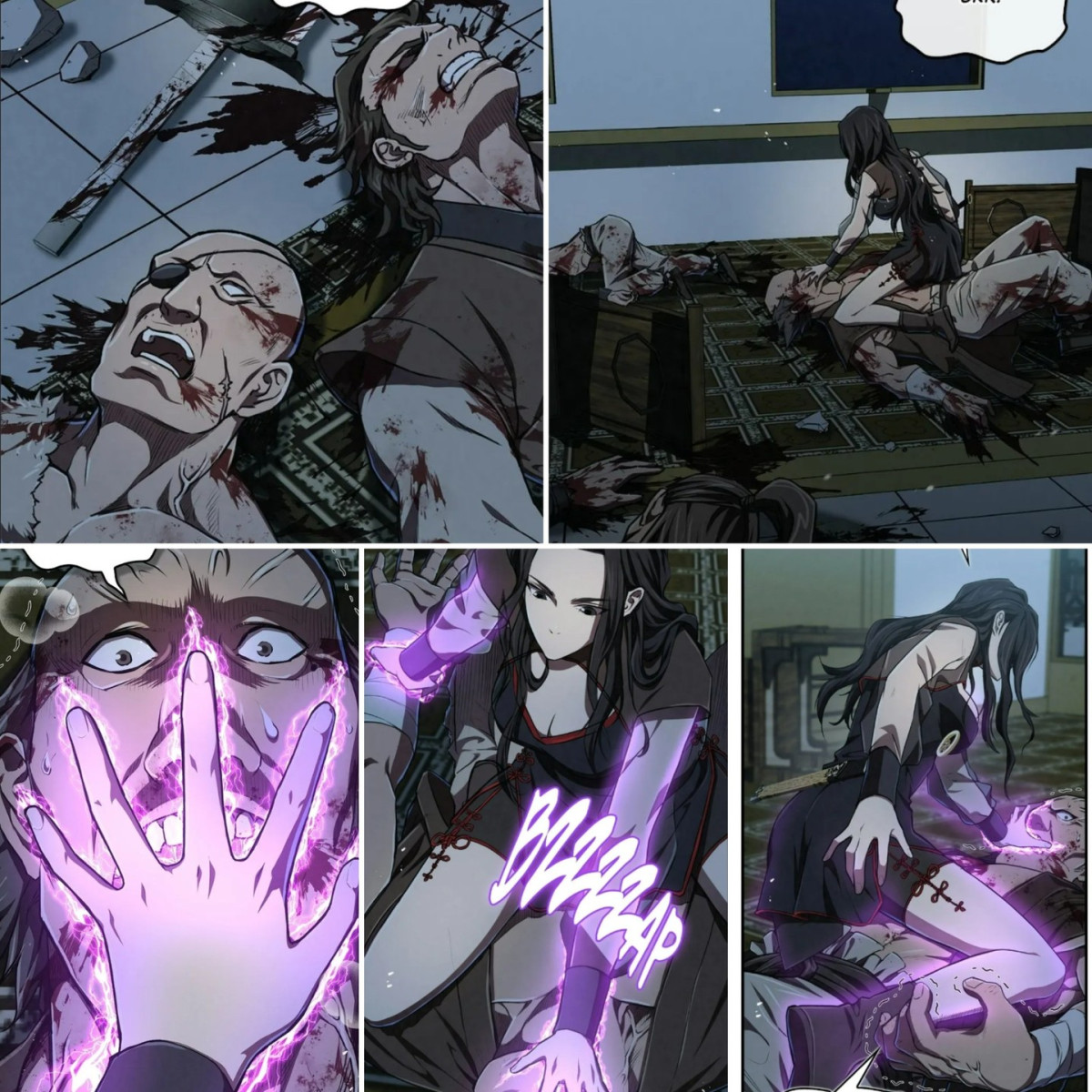
When you think of murim manhwa, your mind probably conjures images of ancient martial arts sects, internal energy cultivation, and warriors battling with swords and bare fists in historical settings. Science fiction elements like outer space invasions, advanced technology, and apocalyptic scenarios belong to completely different stories. Return of the Demonic Instructor takes these seemingly incompatible genres and weaves them into something genuinely innovative. Released on Webtoon in January 2026, this series arrived at the perfect moment when readers were hungry for fresh takes on established formulas. The premise alone sounds wild. A murim world gets invaded by demons from outer space, forcing martial artists to adapt centuries-old techniques to fight extraterrestrial threats. Then throw in regression, magic systems, and apocalyptic survival elements for good measure.
I have been following Korean webtoon fandom spaces and the original Korean readership is intensely devoted to this series. That kind of grassroots enthusiasm usually means something.
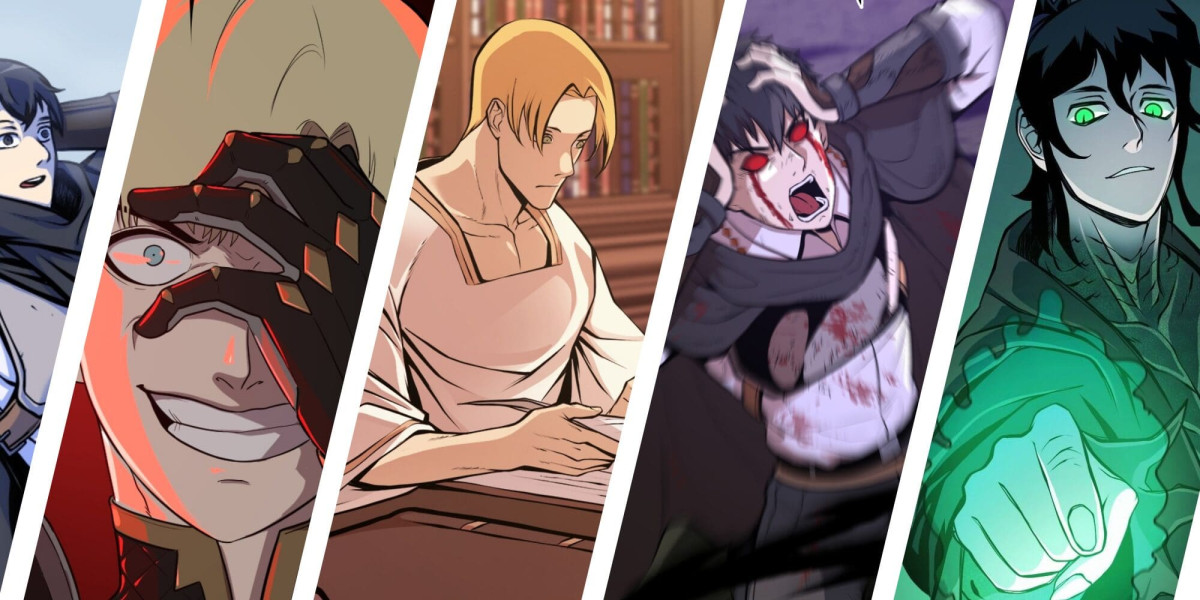
The article mentions the series explores different types of heroism and that really is the thesis. What Dokja does is harder in some ways than what Joonghyuk does, and the story actually grapples with that instead of just picking a winner.
The year 2026 marks a pivotal moment in the evolution of manhwa as a medium. What started as a trickle of Korean comics receiving anime adaptations has become a flood, with at least fifteen confirmed projects bringing beloved manhwa to animated life. This explosive growth wasn't accidental but the inevitable result of Solo Leveling's massive success proving that manhwa adaptations can compete with traditional manga anime in quality, popularity, and profitability. Studios across Japan and Korea are investing heavily in manhwa properties, recognizing that Korean storytelling brings fresh perspectives, innovative premises, and built-in fanbases eager to see their favorite series animated. The diversity of genres receiving adaptations demonstrates that manhwa appeal extends far beyond action and fantasy into romance, psychological thriller, sports, and slice-of-life territories.
Solo Leveling being the first manhwa adaptation to win anime of the year is proof the genre has fully arrived. ORV has the narrative depth to go even further if the adaptation respects it.
This is my biggest worry going in. Isekai protagonists with full plot knowledge have a tendency to feel emotionally detached in a way that makes rooting for them complicated. The best series in this space find ways to make the meta-knowledge a wound rather than a superpower.
Pricing clarity is genuinely undervalued as a product feature. When your costs are predictable you can budget for AI as infrastructure instead of treating every project as a cost gamble.
Hot take: the real winner here is the indie filmmaker with a small budget. Tools that used to cost a studio fifty thousand dollars in VFX are now accessible for a monthly subscription.
If your meeting culture is so broken that you need an AI to justify skipping meetings, the AI is not the fix. The meeting culture is the problem.
The clip finder works better than I expected honestly. It does not always pick the clips I would have chosen but it surfaces moments I would have missed, and the starting point is strong enough to refine quickly.
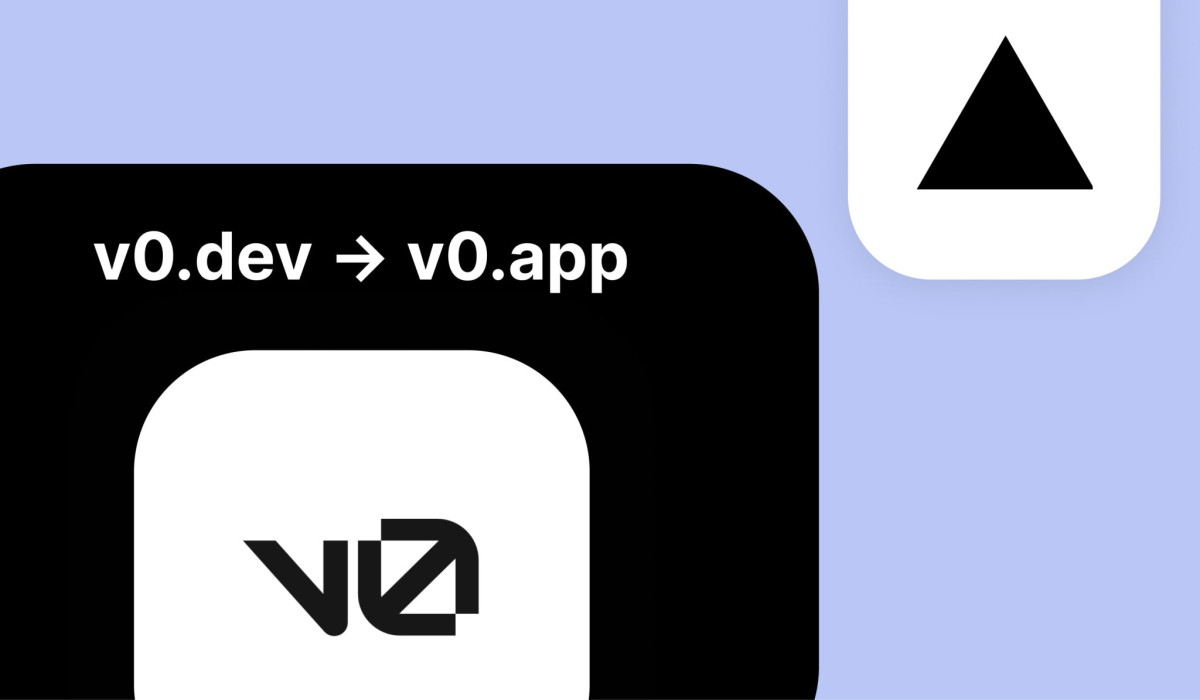
The designer-developer relationship has been tense for decades. Designers create pixel-perfect mockups in Figma. Developers translate them to code and somehow everything looks slightly wrong. Fonts don't match. Spacing is inconsistent. Buttons have different corner radiuses. Both sides get frustrated, blame each other, and the product suffers. V0 by Vercel is fixing this problem by generating production-quality React components that look exactly like the designs. The rebrand from v0.dev to v0.app in January 2026 signaled expanded ambitions beyond just UI component generation. Vercel positioned the tool for full-stack web development, though its core strength remains frontend excellence. That strategic clarity matters because trying to be everything often means excelling at nothing. V0 chose to dominate the handoff between design and code before expanding into other areas.
Anyone else notice that privacy coins like Zcash are going completely parabolic right now alongside this rally? The Iran story probably has something to do with that too given sanctions concerns.
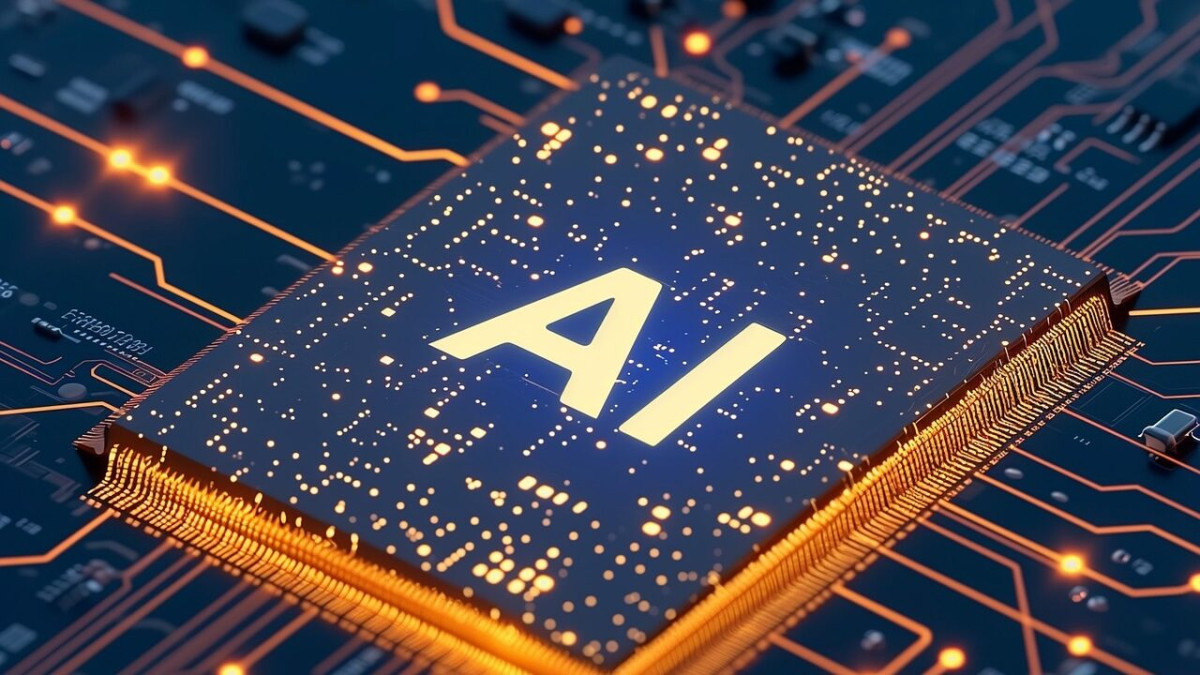
The artificial intelligence industry is entering a new phase of competition, one that extends far beyond the development of advanced language models and neural networks. Companies are now engaged in an intense struggle to secure the computational infrastructure necessary to train and deploy their AI systems. In this context, Anthropic has reportedly begun exploring the possibility of designing and manufacturing its own specialized processors to power Claude, its flagship conversational AI platform, along with its broader suite of artificial intelligence technologies. This strategic consideration emerges at a critical moment in the global AI sector. The exponential growth in model complexity and capability has created unprecedented demand for high-performance computing resources. Sources familiar with the matter indicate that Anthropic is conducting feasibility studies to determine whether developing proprietary semiconductor technology could reduce its dependence on external hardware vendors while ensuring reliable access to the computing power required for its operations.
Meta has just had one of its most important AI moments yet and the early signals are hard to ignore. Following the launch of its newest AI model Muse Spark, the company’s standalone Meta AI app surged dramatically in popularity, hinting at a much larger shift that is beginning to take shape. The release is particularly significant because it marks the first major AI model rollout under Alexandr Wang, who joined Meta to reboot its AI strategy. This is not just another incremental update. It represents a more aggressive and focused push into the AI race. According to data from Appfigures, Meta AI jumped from number 57 to number 5 on the U.S. App Store within a day of the launch. That kind of movement rarely happens without a strong underlying pull from users. It signals not curiosity but intent.
Join independent creators, thought leaders, and storytellers to share your unique perspectives, and spark meaningful conversations.