
So does that mean most people do not actually have the food sensitivities they think they have, they just have misaligned meal timing?
11
Sign up to see more
SignupAlready a member?
LoginBy continuing, you agree to Sociomix's Terms of Service, Privacy Policy

So does that mean most people do not actually have the food sensitivities they think they have, they just have misaligned meal timing?
Practically speaking, mental health framing leads you toward managing problems, therapy when stressed, rest when burned out. Brain wealth framing leads you toward proactive investment, daily exercise as cognitive training, sleep as performance infrastructure, social connection as a cognitive asset. The behaviors can overlap but the motivation and timing are very different.
What I want to know is whether Jaafar's own singing voice is in the film at all or if it is entirely Michael's original recordings.
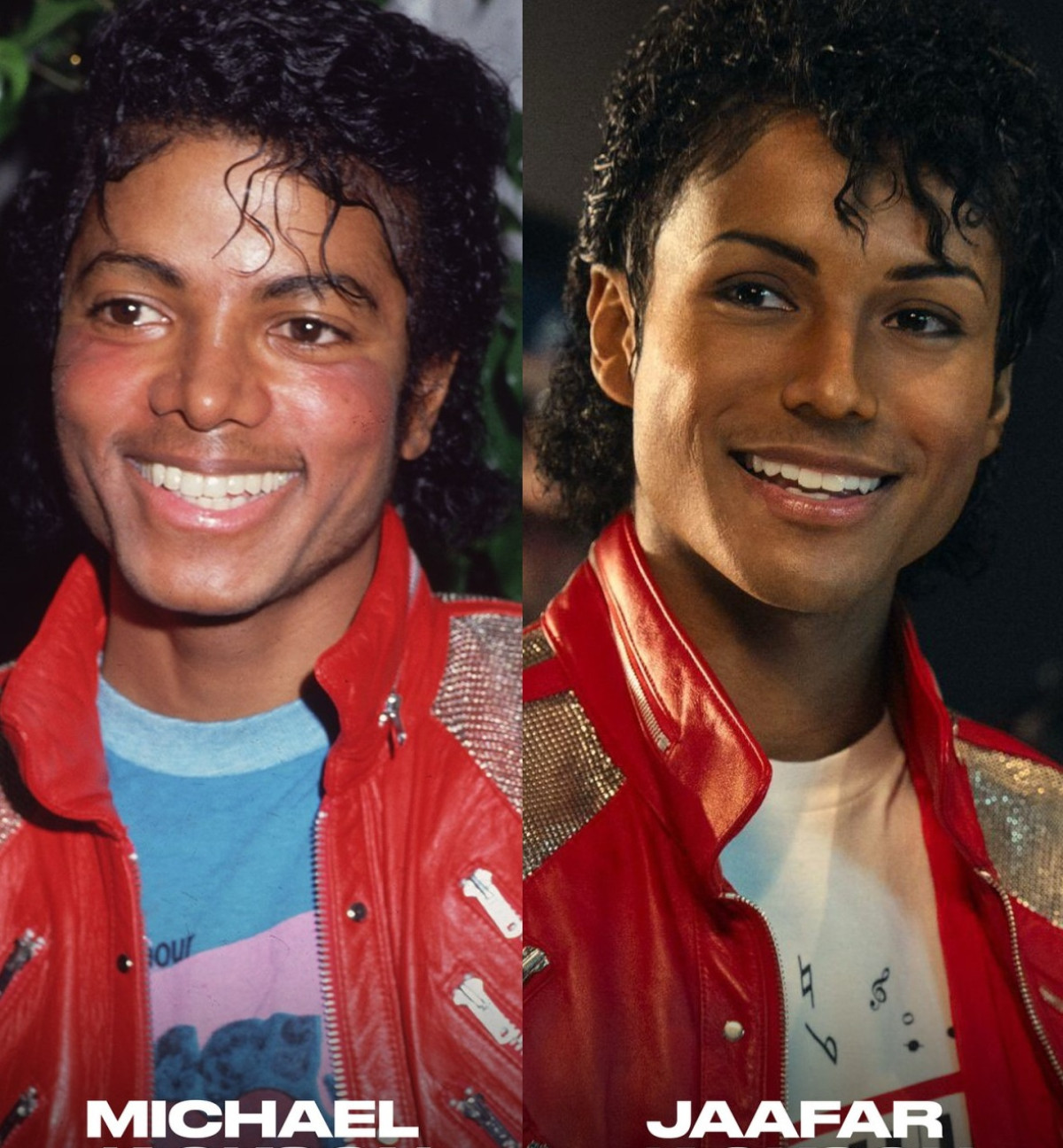
Jaafar Jackson plays Michael Jackson in the 2026 biopic Michael, and the story of how the 29-year-old newcomer landed the role is more interesting than the film itself. It started with a voice note. It involved a two-year global casting search with no formal auditions. It required Jaafar to keep the role secret from his own family for a full year. And it ended with his grandmother Katherine Jackson, the woman who knew Michael longest and loved him most, telling producers that her grandson didn't just resemble her son, he embodied him. After tracking every interview, behind-the-scenes video, and production report released since the film was announced, I can tell you that the choice of Jaafar was not nepotism, not a publicity play, and not the obvious pick everyone assumes it was. It was a hard-earned outcome of the most unusual casting process in recent biopic history, and here is how it actually happened.
The article mentions that the series does not require knowledge of previous Kim works, and I want to confirm that as someone who started blind. The storytelling is self-sufficient. However, knowing Bastard made certain visual choices in chapter 4 land with extra weight.
If you're new to manhwa or looking to understand what all the hype is about regarding system and leveling stories, you've arrived at exactly the right place. The system genre has become one of the most popular and accessible entry points into Korean comics, offering clear progression mechanics, satisfying power growth, and narratives that feel like playing your favorite RPG or video game brought to life on the page. System manhwa feature protagonists who gain access to game-like interfaces that display stats, skills, quests, and levels. These systems provide clear frameworks for character growth and power progression. You can literally see the protagonist getting stronger through numbers increasing, new abilities unlocking, and challenges being overcome. This visual and concrete progression creates deeply satisfying reading experiences that hook readers from the first chapter.
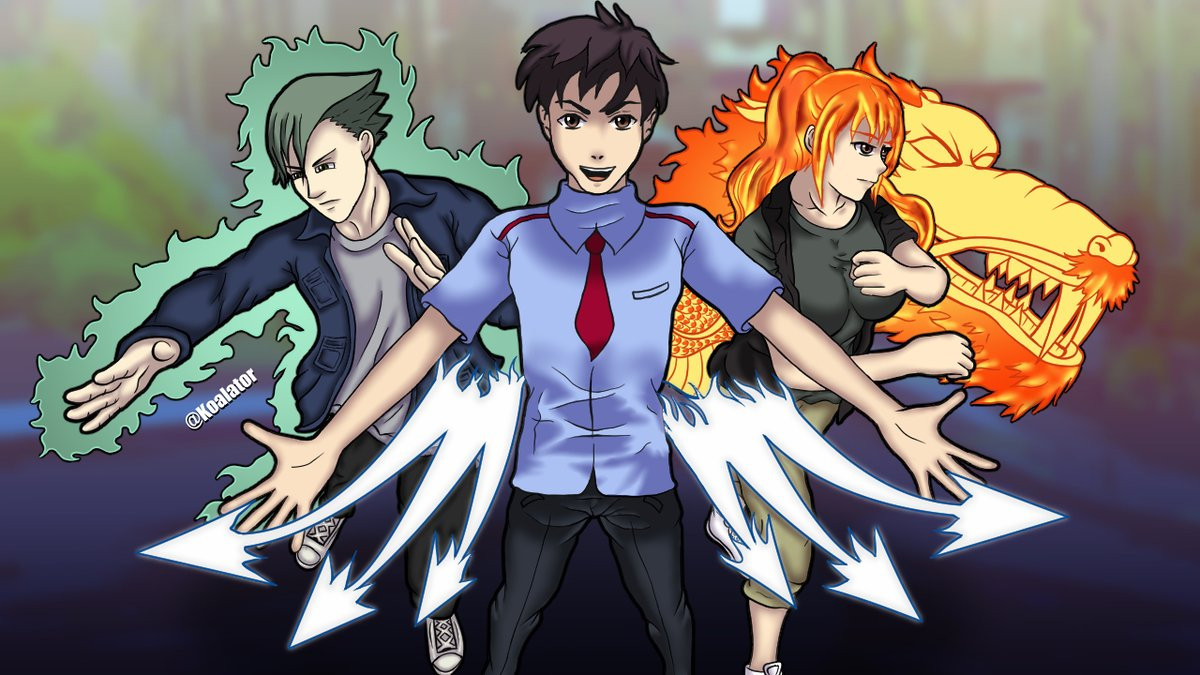
The Regressor character is doing more interesting narrative work than most time-loop protagonists in the entire genre. The difference between reliving events and holding knowledge about events that have not happened yet is a distinction the series explores carefully.
The social mobility point the article makes about male characters in historical fantasy settings is accurate but I want to add that Elliot specifically being a minor villain rather than a protagonist or love interest complicates that mobility significantly. He has male privilege in the setting but no narrative privilege.
Does anyone else feel like the Solo Leveling comparisons are getting a little tired? Yes both series come from Redice Studio and share some DNA but Tomb Raider King does enough differently to stand on its own feet.
Tower climbing stories have become a dominant force in manhwa, but most follow predictable patterns. A protagonist enters a mysterious tower, gains powers, forms a party, and ascends floors while growing stronger. The formula works because progression feels satisfying and each floor presents new challenges. However, Doom Breaker takes this familiar framework and transforms it into something far more emotionally devastating and psychologically complex than typical tower stories. Also known as SSS-Class Suicide Hunter, Doom Breaker initially appears to be another power fantasy where the protagonist gains an overpowered ability. The premise sounds almost comedic. Kim Gongja can copy any skill by dying, then returns to life to use that ability. But beneath this seemingly absurd power lies a story about pain, sacrifice, redemption, and what it truly means to be a hero when heroism demands everything from you.

As someone with a non-technical background who has been wanting to build a specific tool for years, this is genuinely emotional to read. The barrier was never the idea. It was always the execution.
The software development world just witnessed something unprecedented. A European startup called Lovable reached $20 million in annual recurring revenue in just two months, making it potentially the fastest-growing startup in European history. But here's the twist that's making traditional software agencies nervous: they did it by giving non-technical founders the power to build full-stack applications without writing a single line of code. For years, the promise of no-code tools has been the same: anyone can build an app. But the reality has always been different. You'd create a beautiful frontend, get excited about your progress, and then hit the technical cliff. Suddenly you needed to configure databases, set up authentication, manage API keys, and deploy to servers. The "no-code" dream became a "hire-a-developer-anyway" nightmare.
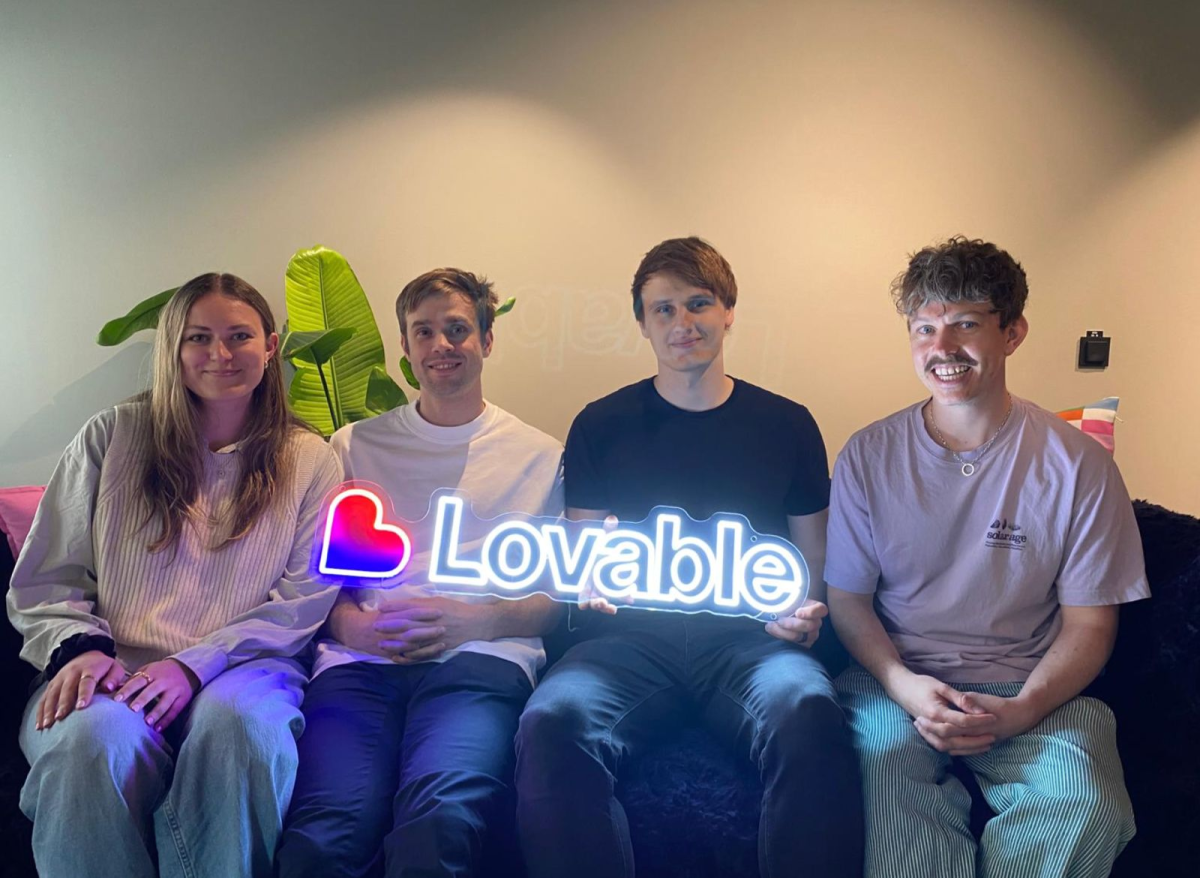
The point about product managers building demos during client meetings is the most underappreciated use case in this article. That scenario alone is worth the subscription cost for certain industries.
Dario left OpenAI over safety concerns and then built a company that just convinced Apple, Microsoft, Google, Nvidia, Amazon, Cisco, and JPMorgan to all join a cybersecurity partnership together. Whatever you think of the rivalry drama, that is a remarkable outcome for someone who walked away from a VP of Research job.
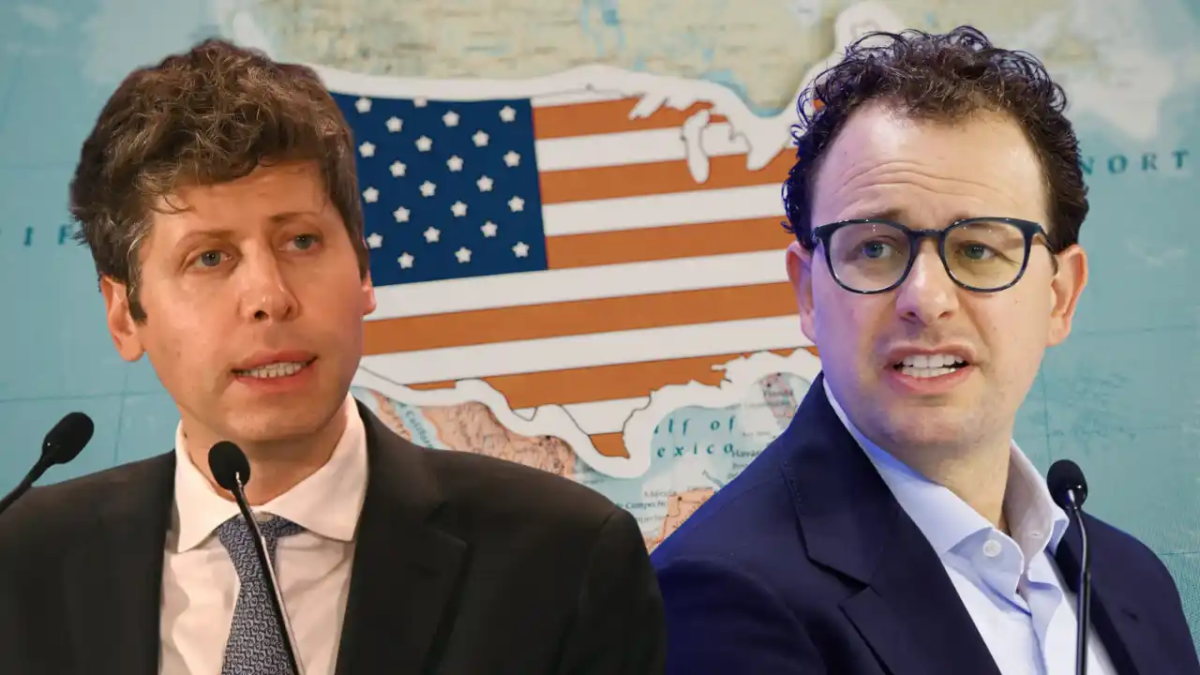
There's a photograph from February 2026 that pretty much sums up the state of AI right now. At the India AI Impact Summit in New Delhi, Indian Prime Minister Narendra Modi invited the world's tech leaders onstage for a group photo. Everyone held hands. Well, almost everyone. Sam Altman of OpenAI and Dario Amodei of Anthropic, standing right next to each other, refused to clasp hands and instead raised their fists separately. The internet, predictably, lost its mind. An awkward moment between OpenAI CEO Sam Altman and Anthropic CEO Dario Amodei at an AI Summit captured the increasingly icy relations between two rival tech leaders who started off as colleagues. That's not just petty drama. It's a window into what may be the most consequential corporate rivalry in the technology world right now, one that's playing out in boardrooms, courtrooms, Super Bowl ads, and billion-dollar compute deals all at once.
Speaking as a developer who has built on top of multiple AI APIs, the hardware story is basically invisible to most people building applications. What matters is latency, availability, and price per token. Whatever chips achieve that best wins.
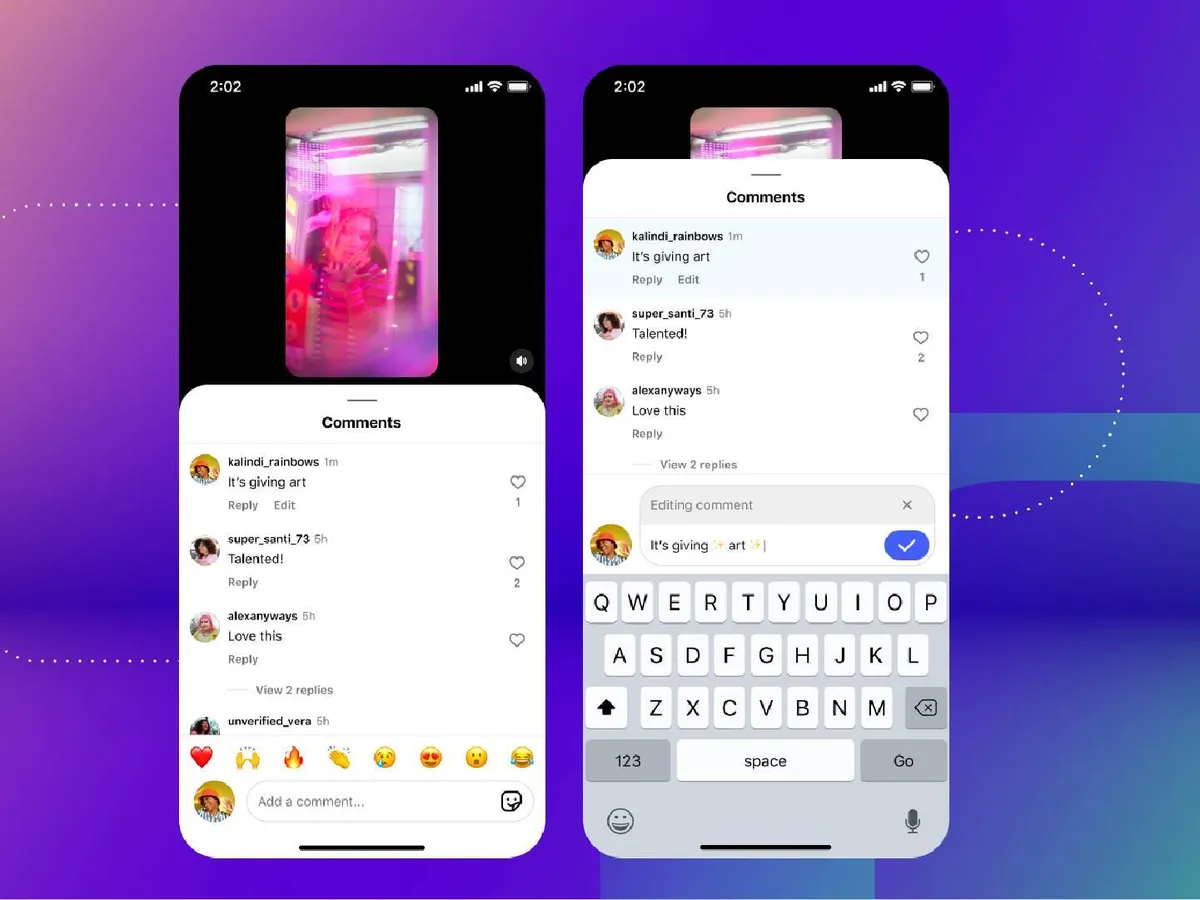
Instagram has rolled out a small but long overdue feature that users have been asking for years. You can now edit your comments after posting them. This simple change solves a very real frustration. Until now, fixing even the smallest typo meant deleting your comment and writing it all over again. That friction is finally gone. But there is a boundary. You get a 15 minute window after posting to make edits. Within that time, you can update your comment as many times as you want. There is also a layer of transparency built in. Once a comment is edited, others will be able to see that it has been modified. However, unlike platforms such as iMessage, Instagram does not show the edit history. What was originally written stays hidden.
The comparison to the 2008 financial crisis keeps coming to mind. Complex systems nobody fully understands, interconnected in ways that amplify failure, and regulators arriving slightly too late to the party.
Wondering if the dress comes in other colors? White is lovely but I'm prone to spills