What are the best nootropics for focus and memory that actually have clinical evidence? Not looking for a stack, just the ones with real data.
23
Sign up to see more
SignupAlready a member?
LoginBy continuing, you agree to Sociomix's Terms of Service, Privacy Policy
What are the best nootropics for focus and memory that actually have clinical evidence? Not looking for a stack, just the ones with real data.
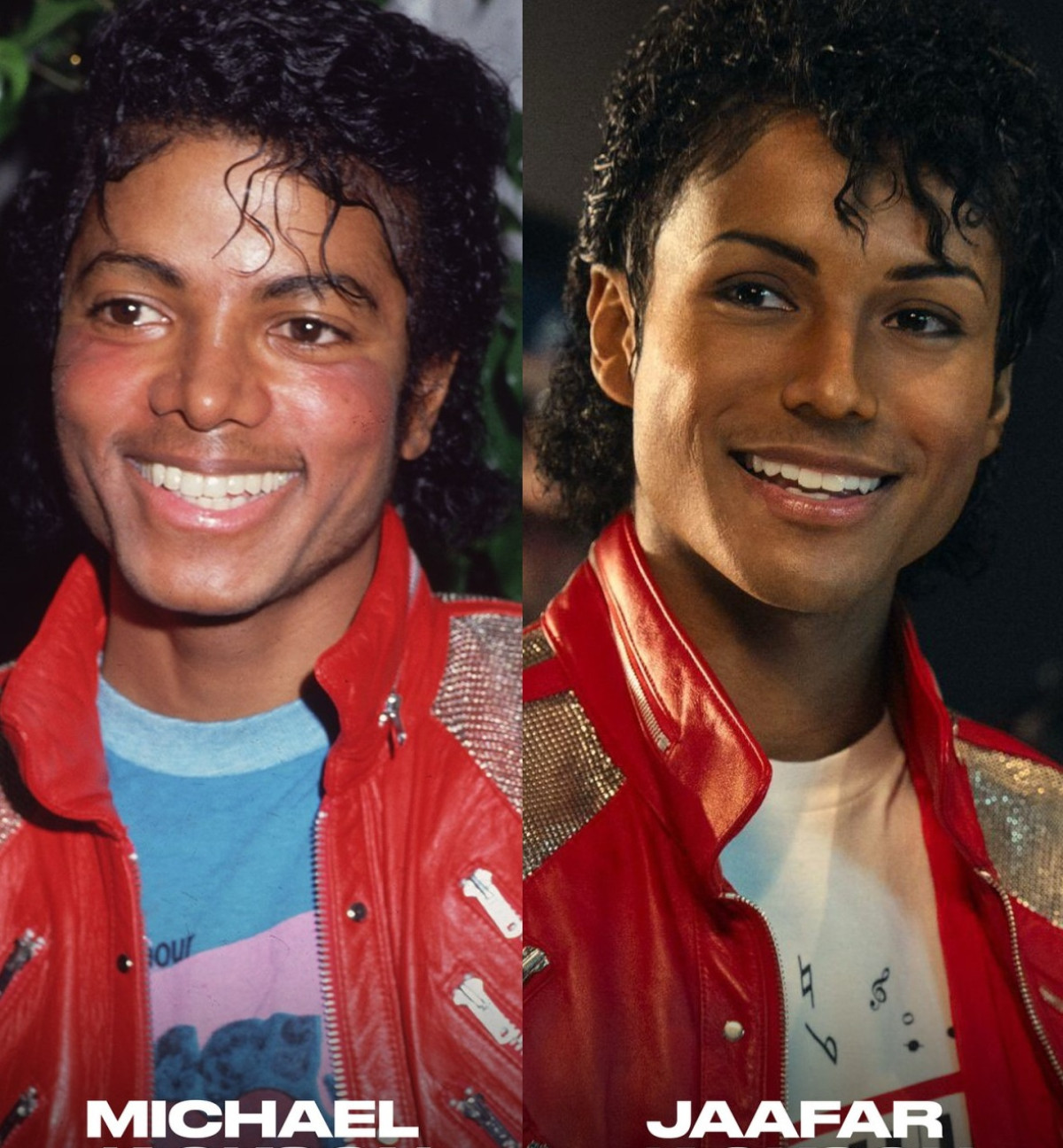
Jaafar Jackson plays Michael Jackson in the 2026 biopic Michael, and the story of how the 29-year-old newcomer landed the role is more interesting than the film itself. It started with a voice note. It involved a two-year global casting search with no formal auditions. It required Jaafar to keep the role secret from his own family for a full year. And it ended with his grandmother Katherine Jackson, the woman who knew Michael longest and loved him most, telling producers that her grandson didn't just resemble her son, he embodied him. After tracking every interview, behind-the-scenes video, and production report released since the film was announced, I can tell you that the choice of Jaafar was not nepotism, not a publicity play, and not the obvious pick everyone assumes it was. It was a hard-earned outcome of the most unusual casting process in recent biopic history, and here is how it actually happened.
Does Nia Long get much screen time as Katherine Jackson? She is such a strong performer and I would hate for her to be wasted in a nothing role.
The article glosses over the fact that the original novel has Arzen killing people including Elliot and treats him as a standard ice prince archetype to be melted. A character who murders the protagonist for a romantic deception is not just emotionally distant. That backstory deserves more scrutiny.
Genuinely asking, does anyone know if the anime is going to adapt from the original web novel or the manhwa? There are some differences between the two versions, especially around character motivations.
Been following this since close to the beginning and watching the artist grow over two hundred plus chapters has been its own kind of satisfaction. The early chapters are good. The recent chapters are operating at a completely different level of technical maturity.
As someone who reads a lot of wuxia and xianxia alongside manhwa, the genre fusion thing is actually a bigger trend than people realize. The murim genre has been quietly absorbing sci-fi elements for years and this series feels like a natural peak of that evolution.
In a medium filled with talented artists producing stunning work, making a claim about any series having the "best" art feels bold. Yet Nano Machine consistently delivers combat sequences so fluid, detailed, and visually innovative that even readers who don't typically care about martial arts stories find themselves captivated by the sheer spectacle on display. The series combines traditional murim aesthetics with futuristic sci-fi elements, creating a unique visual identity that stands apart from typical cultivation manhwa. The nano machine implanted in protagonist Cheon Yeo-Woon's body doesn't just give him power. It becomes a storytelling device that allows the artist to visualize techniques, energy flows, and combat analysis in ways other series can't replicate.

The manhwa world exploded when Solo Leveling first introduced us to Sung Jinwoo's journey from the weakest hunter to humanity's strongest defender. Now, Solo Leveling Ragnarok brings a fresh perspective to this beloved universe, and fans everywhere are asking the same questions. Can the sequel live up to the original? Do you need to read Solo Leveling first? What makes this continuation worth your time? This guide covers everything you need to know about Solo Leveling Ragnarok, whether you're a longtime fan or someone curious about jumping into the series Solo Leveling Ragnarok is not a reboot or alternate timeline. This is a direct sequel that continues the story years after the original series concluded. The protagonist shifts from Sung Jinwoo to his son, Sung Suho, who must forge his own path in a world still recovering from the catastrophic events his father prevented.
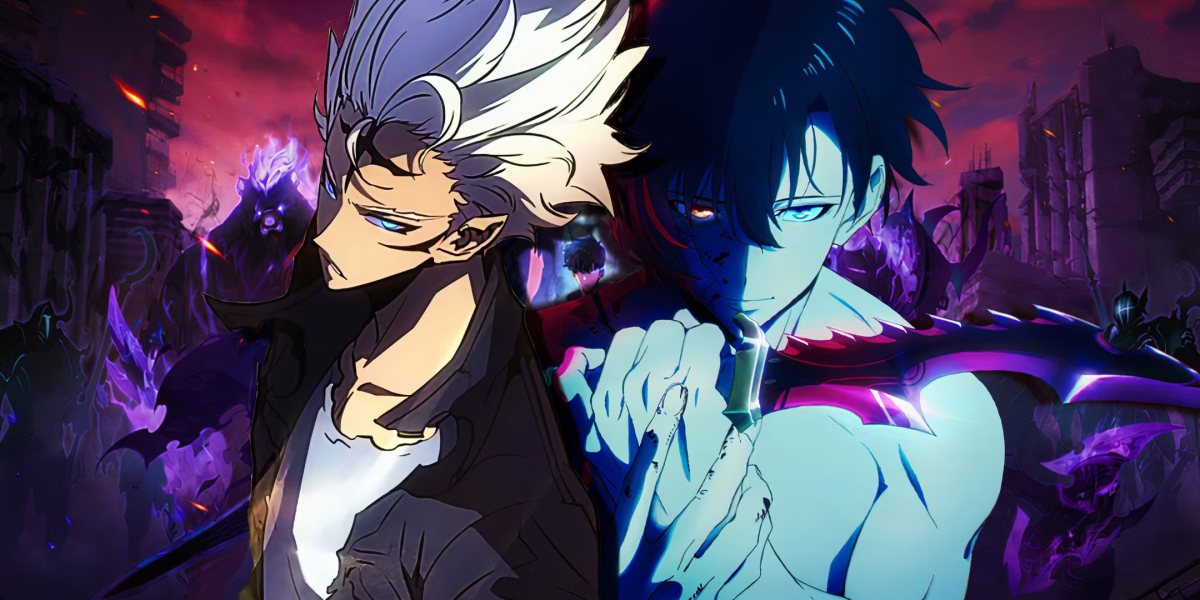
If you're new to manhwa or looking to understand what all the hype is about regarding system and leveling stories, you've arrived at exactly the right place. The system genre has become one of the most popular and accessible entry points into Korean comics, offering clear progression mechanics, satisfying power growth, and narratives that feel like playing your favorite RPG or video game brought to life on the page. System manhwa feature protagonists who gain access to game-like interfaces that display stats, skills, quests, and levels. These systems provide clear frameworks for character growth and power progression. You can literally see the protagonist getting stronger through numbers increasing, new abilities unlocking, and challenges being overcome. This visual and concrete progression creates deeply satisfying reading experiences that hook readers from the first chapter.
Runway not having native audio is genuinely a competitive weakness the article glosses over. Adding a custom voice is not the same as a model that generates synchronized ambient sound, dialogue, and music from a text prompt. Veo 3 has that and it is a real advantage for a huge segment of content needs.
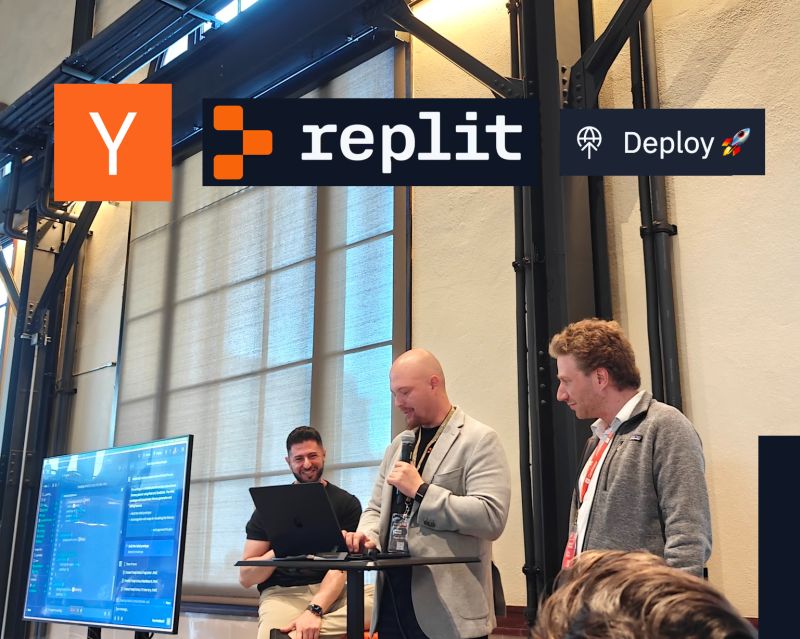
When a company's revenue jumps from $10 million to $100 million in nine months, you pay attention. When that growth comes from an AI agent that builds entire applications autonomously, you realize something fundamental just changed in software development. Replit Agent represents that change, and the numbers prove developers are ready for it. Replit started as a browser-based coding environment for education. Students could write Python or JavaScript without installing anything locally. Teachers loved it because setup time vanished. But the company saw something bigger. If you could run code in the browser, why not let AI write that code? That question led to Agent 3, an AI that doesn't just suggest code completions. It builds entire applications from scratch.
The fact that this started as a simple podcast transcription tool and evolved into a platform with Sora 2 generative video integration is honestly one of the better product evolution stories in creator tech.
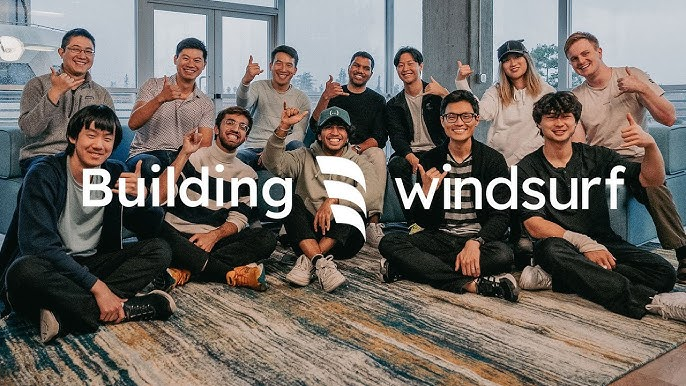
Developers have a new anxiety in 2026: token anxiety. You're in the middle of debugging a complex problem, the AI is helping you refactor three files simultaneously, and suddenly you wonder if this session is about to cost you $50. That mental tax slows you down and makes you second-guess using the tool you're paying for. Windsurf eliminated that anxiety with a simple decision: flat monthly pricing with no token limits. Fifteen dollars per month. Unlimited usage. No tracking credits or calculating costs per query. That pricing model sounds almost boring compared to the complex token systems other AI coding tools use, but boring is exactly what professional developers want when it comes to pricing. They want predictable costs and unlimited usage so they can focus on writing code instead of budgeting AI queries.
Woke up this morning and my portfolio is finally green again. Not gonna lie, I was starting to lose faith around the $65K range.
This outfit is perfect for my cousin's garden wedding next month! I've been struggling to find something elegant but comfortable
I wore something similar to a wedding and the photos turned out amazing the yellow photographs beautifully