
Most biopics about musicians are really just concert films with biographical framing. The criticism that this film is essentially a filmed playlist is not unfair but it also describes a lot of beloved films in this genre.
22
Sign up to see more
SignupAlready a member?
LoginBy continuing, you agree to Sociomix's Terms of Service, Privacy Policy

Most biopics about musicians are really just concert films with biographical framing. The criticism that this film is essentially a filmed playlist is not unfair but it also describes a lot of beloved films in this genre.
Something the guide doesn't mention is that Ragnarok introduces the term Awakeners alongside Hunters from the original. It's a small world-building detail but it shows the world has changed, not just the protagonist.
In a manhwa landscape dominated by dungeon crawling, regression narratives, and power fantasies, The Greatest Estate Developer stands out by asking a simple question: what if the protagonist's greatest weapon wasn't a sword or magic system, but civil engineering knowledge? This bizarre premise transforms into one of the most entertaining, genuinely funny, and surprisingly heartfelt series currently running, proving that innovation in storytelling comes from unexpected places. The series takes the familiar isekai setup where a modern person finds themselves in a fantasy world and completely subverts expectations. Instead of becoming an adventurer or hero, protagonist Kim Suho uses his engineering knowledge to revolutionize construction, infrastructure, and economic development. What sounds like it should be boring becomes absolutely captivating through sharp writing, excellent comedic timing, and genuine passion for showing how infrastructure improves lives.

Honestly this is just Nano Machine energy but turned up to eleven with an alien invasion. Not a complaint, just an observation.
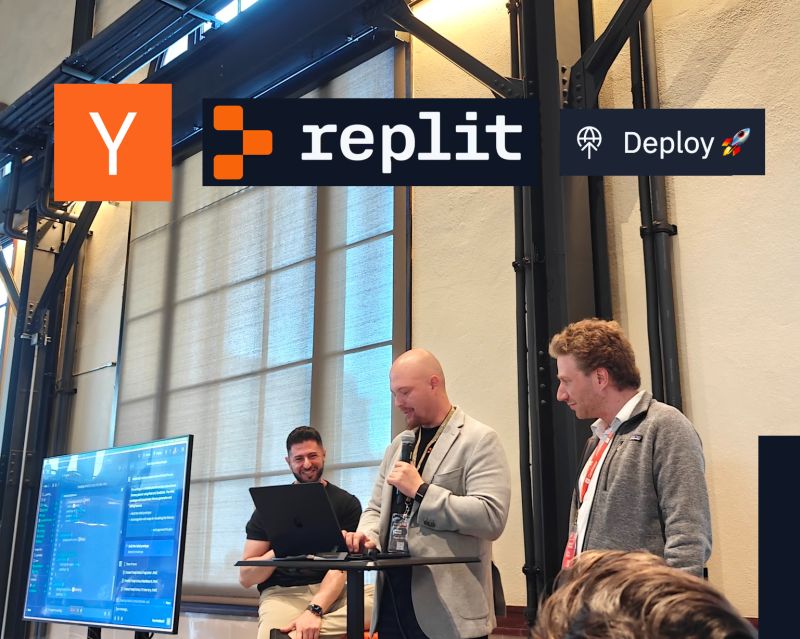
When a company's revenue jumps from $10 million to $100 million in nine months, you pay attention. When that growth comes from an AI agent that builds entire applications autonomously, you realize something fundamental just changed in software development. Replit Agent represents that change, and the numbers prove developers are ready for it. Replit started as a browser-based coding environment for education. Students could write Python or JavaScript without installing anything locally. Teachers loved it because setup time vanished. But the company saw something bigger. If you could run code in the browser, why not let AI write that code? That question led to Agent 3, an AI that doesn't just suggest code completions. It builds entire applications from scratch.
Casual reminder that the series has had multiple hiatuses already including one that lasted months between seasons one and two. Going in with patience management is genuinely useful advice.
Real talk: the token consumption during complex builds is brutal. Had a project burn through a month's worth of tokens in three days because the AI kept regenerating components instead of making targeted edits.
The designer-developer relationship has been tense for decades. Designers create pixel-perfect mockups in Figma. Developers translate them to code and somehow everything looks slightly wrong. Fonts don't match. Spacing is inconsistent. Buttons have different corner radiuses. Both sides get frustrated, blame each other, and the product suffers. V0 by Vercel is fixing this problem by generating production-quality React components that look exactly like the designs. The rebrand from v0.dev to v0.app in January 2026 signaled expanded ambitions beyond just UI component generation. Vercel positioned the tool for full-stack web development, though its core strength remains frontend excellence. That strategic clarity matters because trying to be everything often means excelling at nothing. V0 chose to dominate the handoff between design and code before expanding into other areas.

Every team I know running serious AI coding workflows has at least one person whose whole job is basically prompt engineering and output review. That is not the efficiency gain these tools promised.
Developers have a new anxiety in 2026: token anxiety. You're in the middle of debugging a complex problem, the AI is helping you refactor three files simultaneously, and suddenly you wonder if this session is about to cost you $50. That mental tax slows you down and makes you second-guess using the tool you're paying for. Windsurf eliminated that anxiety with a simple decision: flat monthly pricing with no token limits. Fifteen dollars per month. Unlimited usage. No tracking credits or calculating costs per query. That pricing model sounds almost boring compared to the complex token systems other AI coding tools use, but boring is exactly what professional developers want when it comes to pricing. They want predictable costs and unlimited usage so they can focus on writing code instead of budgeting AI queries.
The Instagram Plus subscription thing being tested at the same time as this free feature is interesting. They are giving something away while quietly building the infrastructure to charge for other things. Smart sequencing.
What the article gets right is that this is less about catching OpenAI and more about redefining where AI lives. Meta is not building a ChatGPT competitor. They are building AI infrastructure for a different kind of use entirely, ambient, social, and embedded in existing behavior rather than requiring deliberate tool adoption.
OpenAI's latest subscription offering represents its most aggressive move yet to reclaim market share in the rapidly expanding AI-powered coding assistant sector
The article positions Meta's ecosystem as a distribution moat and it is correct. But moats get crossed. Google had a moat in search. Microsoft had a moat in productivity software. These things are not permanent and the AI space is moving too fast to assume any current position is durable.
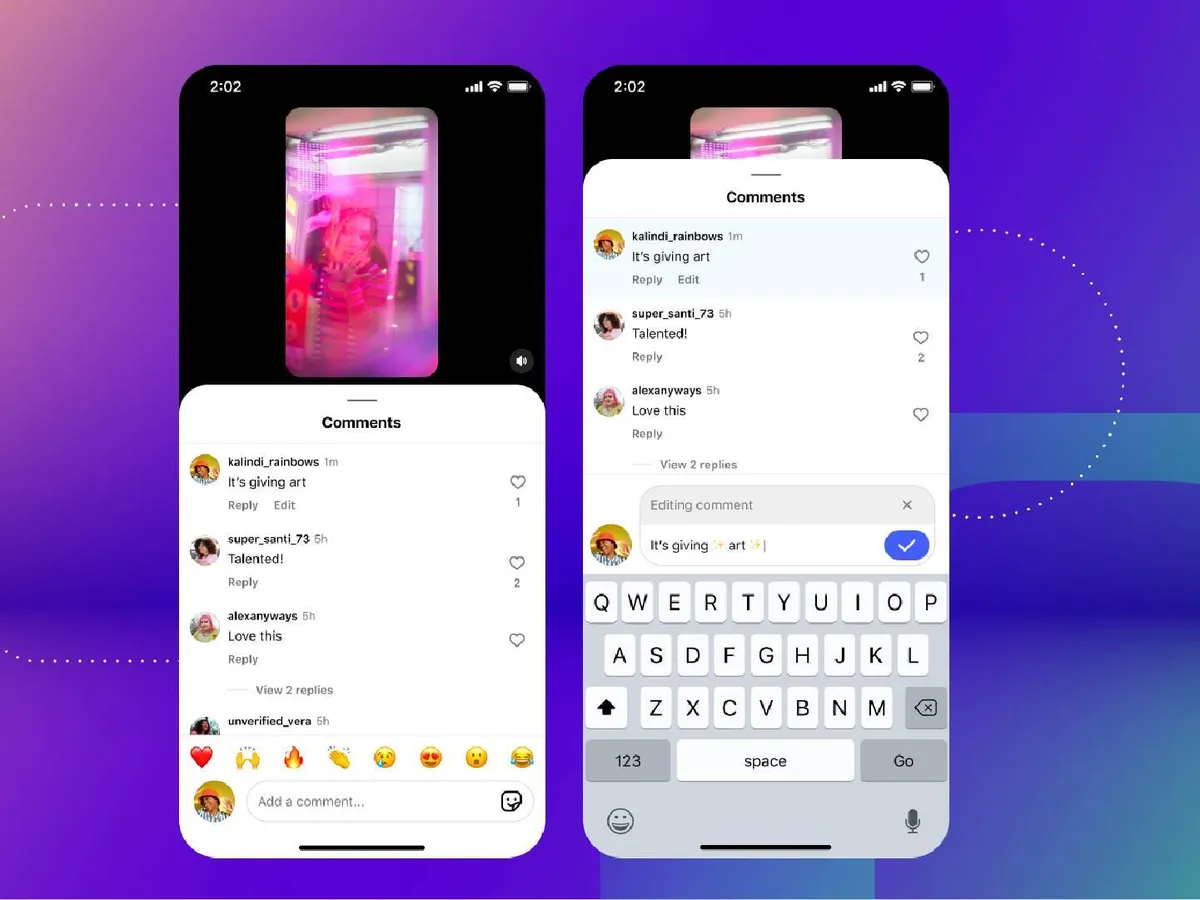
Instagram has rolled out a small but long overdue feature that users have been asking for years. You can now edit your comments after posting them. This simple change solves a very real frustration. Until now, fixing even the smallest typo meant deleting your comment and writing it all over again. That friction is finally gone. But there is a boundary. You get a 15 minute window after posting to make edits. Within that time, you can update your comment as many times as you want. There is also a layer of transparency built in. Once a comment is edited, others will be able to see that it has been modified. However, unlike platforms such as iMessage, Instagram does not show the edit history. What was originally written stays hidden.
Meta has just had one of its most important AI moments yet and the early signals are hard to ignore. Following the launch of its newest AI model Muse Spark, the company’s standalone Meta AI app surged dramatically in popularity, hinting at a much larger shift that is beginning to take shape. The release is particularly significant because it marks the first major AI model rollout under Alexandr Wang, who joined Meta to reboot its AI strategy. This is not just another incremental update. It represents a more aggressive and focused push into the AI race. According to data from Appfigures, Meta AI jumped from number 57 to number 5 on the U.S. App Store within a day of the launch. That kind of movement rarely happens without a strong underlying pull from users. It signals not curiosity but intent.
The comparison between TikTok and Signal is unfair. Signal is a dedicated messaging app with privacy as its entire purpose. TikTok is a video entertainment platform. Most users are not thinking about encryption when they slide into someone's DMs to comment on a video.
The floral print against the black pants creates such a gorgeous contrast. I'm saving this for inspiration!
Could we see this with a turtleneck in winter? I'm always looking for ways to winterize my favorite pieces.